
Spray Polyurethane Foam Roofing in Cambridge, MA
Inspect spray polyurethane foam roofing in Cambridge for coating wear, exposed foam, drainage, flashing, and repair or recoat needs.
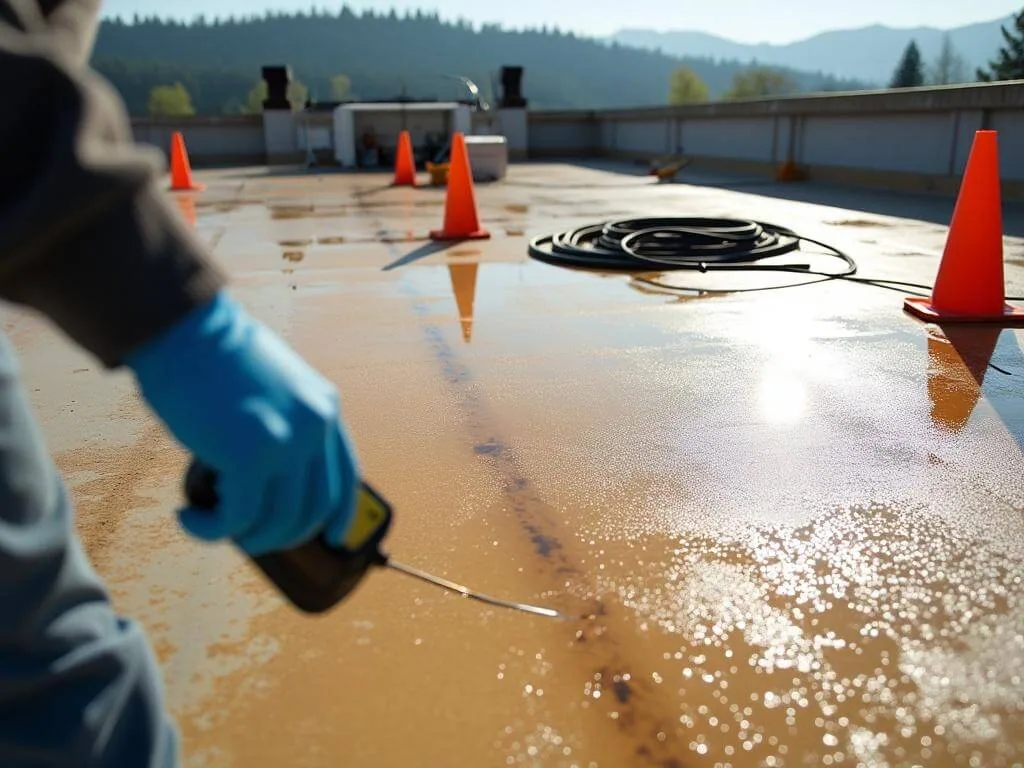
A thin coating crack beside a rooftop curb changes the inspection path on a spray polyurethane foam roof in Cambridge, MA. We follow the protective surface across the foam, check how it turns up the curb, and trace the drainage route before recommending a repair. Cambridge's climate assessment includes stronger storms and precipitation among local risks, so we record drains and perimeter transitions with the coating condition. Cambridge Crossing includes laboratory, commercial, housing, retail, and dining uses; those uses affect building coordination but do not identify the roof assembly. We confirm the foam and coating layers from records and field evidence, then separate a localized coating repair from areas that need foam replacement or a larger recoat.
What does a coating split reveal?
SPF roofing relies on a spray-applied foam layer protected by a coating. We inspect coating thickness where accessible, cracks, blisters, erosion, exposed foam, and areas where previous repairs have lifted. A split at a curb may follow movement at the flashing or may reflect a coating problem; we inspect both surfaces before choosing the repair limit. The field sheet identifies roof section, exposure, and adjacent penetrations. If the foam is soft, wet, or deteriorated, we document that separately from wear in the topcoat.
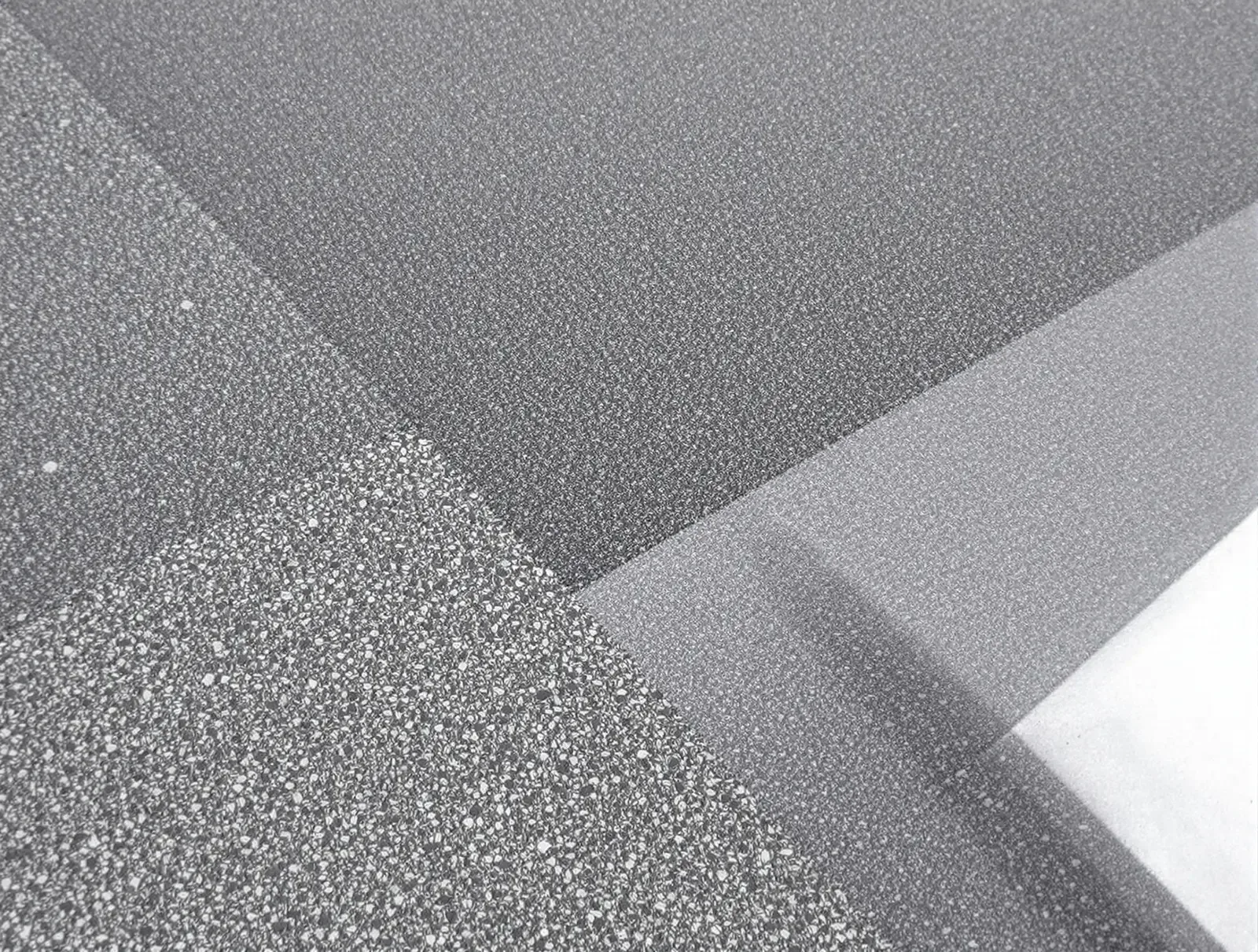
Granules or other surfacing may protect some coating systems, while other systems use a different finish. We check for bare spots, ponding marks, loose aggregate, and surface contamination that could interfere with new material. A roof inspection records the coating and flashing details. Where hidden moisture is suspected, an infrared moisture survey or selected test opening may help, but the method has to suit the roof construction and current conditions.
Can the foam be repaired without removing it?
A coating crack does not always mean the foam below is damaged. We probe and inspect the area, check for soft or separated foam, and trace the crack toward the nearest curb, drain, or panel transition. Repair can include removing deteriorated coating, trimming damaged foam, rebuilding the surface, and applying compatible coating in the specified thickness. If water has affected a broader area or the foam has lost bond, a patch at the visible edge may leave the underlying condition unresolved.
Cambridge winters are trending toward heavier precipitation, more thaw-freeze swings, and more frequent flooding. We check the actual drain bowl, overflow, and low area rather than assume the coating will correct standing water. A drainage review can identify blocked outlets or transition concerns. If the roof section shows a puncture or damaged foam, a puncture repair assessment can document the limits. The field record separates confirmed wet material from suspected moisture and notes any tests used. We identify the repair material and return-to-service check in the work plan, then photograph the completed transition after the coating cures under the product's conditions.
When is a recoat ready to proceed?
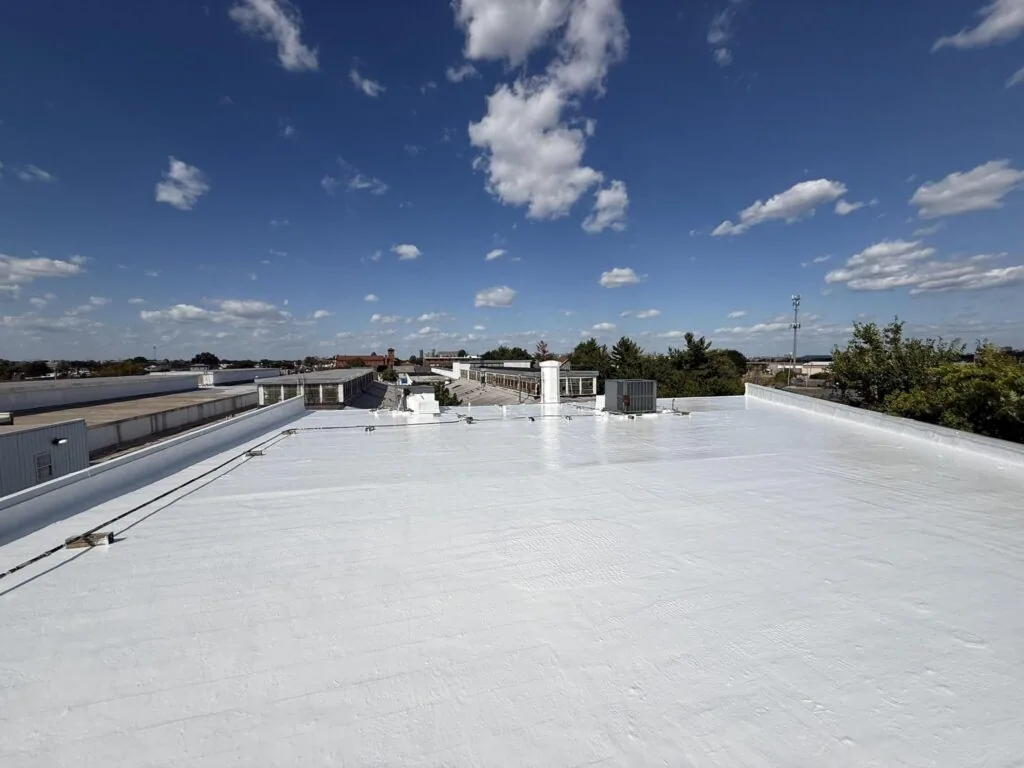
A recoat depends on adhesion, coating compatibility, remaining foam condition, and the ability to prepare the surface. We review previous coating products where records exist, remove loose material, repair foam and transitions, and test representative areas if specified. The scope identifies preparation, reinforcement at seams and penetrations, and the coating system proposed. Applying another layer over dirt, failed coating, or unresolved moisture can leave the same weak points in place, so surface readiness is recorded before application.
Silicone and acrylic coatings have different properties and design limits. We compare a silicone coating system with an acrylic coating based on slope, ponding exposure, substrate, and project requirements. At a Medford commercial area, building use does not determine the coating choice; the existing assembly and operating conditions do. A coating restoration scope records the preparation and repair work required before the finish coat.
What should be staged before SPF work?
Spray foam application requires a controlled work area, suitable weather, substrate preparation, and protection for nearby surfaces and air intakes. We confirm access, ventilation coordination, masking, material staging, and the daily boundary before application. The crew prepares the surface, rebuilds approved foam areas, and applies the specified coating system with attention to film build and transitions. Wind, temperature, humidity, or moisture can affect application, so the work window is checked against project requirements.
The Mystic Avenue corridor in Medford includes commercial and light-industrial uses. For any coating project, compatibility still starts with the foam and coating layers present at the specific property. At each property, we coordinate air intakes and building operations with the site contact rather than infer rules from the institution's name. A phased occupied-building plan identifies notice timing, restricted zones, and daily closeout. If the proposed repair area adjoins another roof system, we map the interface and confirm the transition detail before the coating crew begins.
What should an SPF maintenance record show?
Closeout records the foam and coating products where confirmed, preparation, repaired foam areas, transition details, test locations, and the sections coated. Photos show representative field coating, curb flashing, drains, and roof edges after completion. We note any area left untreated because of access, weather, or substrate readiness. A later inspector can then compare coating wear and exposed foam with the initial conditions instead of treating every color variation as a failure. The file also notes the product cure conditions at closeout and any roof areas where application stopped, so a later crew can separate the completed recoat boundary from pending preparation.
For a CHA Cambridge Hospital, access timing and air-intake coordination are confirmed for the specific building. The same roof-level checks apply at any facility: inspect the coating, foam condition, outlets, and flashing where evidence points. Cambridge's climate planning identifies more intense storms and precipitation as risks, so drainage paths stay in the maintenance record. Repair follows observed condition, not a calendar claim about coating life.
An SPF record should track coating condition separately from foam condition. We mark cracks, exposed foam, soft areas, blisters, and repairs by roof section, then note whether a test cut or probe confirmed the layers below. Foot traffic, equipment changes, and prior patching can damage the protective surface without making the entire foam assembly unserviceable. When a recoat is proposed, the file includes cleaning, repairs, reinforcement, adhesion testing, and the application limits. It also identifies any detail where the foam slope or drain geometry needs a separate correction. This gives the next maintenance visit a way to compare exposure and repair history without equating faded coating with failed insulation.
Commercial Roofing Questions
Can you coat over exposed SPF?
We inspect the foam for moisture, erosion, and bond before recoating. Damaged areas may need trimming and rebuilding, while sound foam can be prepared for a compatible protective coating. The scope identifies which sections are ready and which require repair first.
Does ponding water rule out a silicone recoat?
The roof slope, coating product requirements, drain function, and existing assembly all need review. We map the standing-water area and confirm what repair or design work is needed before specifying a coating. The surface product does not correct a drainage defect by itself.
How do you find a leak beneath SPF?
We compare interior reports with coating cracks, penetrations, drains, and transitions above. Moisture testing or a selected test opening may help confirm the assembly. The inspection notes tested locations and distinguishes a confirmed wet area from a suspected path.
Can new foam be sprayed beside occupied space?
The application plan must address masking, air intakes, ventilation, access, and the building's operating rules. We confirm those controls with the property contact and define the work area before material is applied.
What causes SPF coating to crack?
Movement, surface preparation, coating condition, penetrations, and weather exposure can contribute. We inspect the crack and adjacent foam before choosing a repair, then document whether the condition is confined to the coating or extends below it.
Related Roofing Work
More Roof Systems
Browse every page in Roof Systems, or request a roof assessment and we will walk the roof with you.
Check the coating and foam together
Send the Cambridge property address, roof records, reported condition, access contact, and work window. We will inspect coating, foam, drains, and transitions and document repair or recoat options by section.