
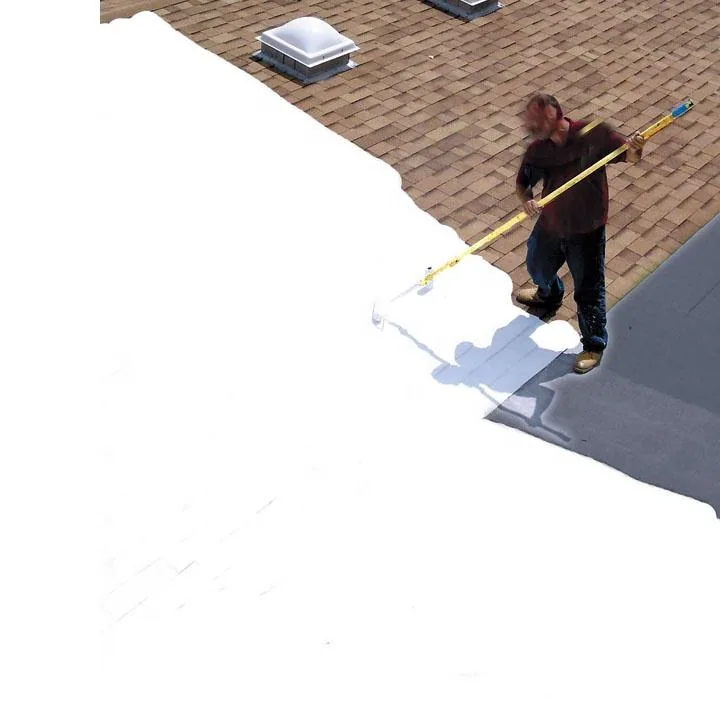
Silicone Roof Coatings in Cambridge, MA
Assess silicone roof coatings in Cambridge for adhesion, ponding, flashing, surface preparation, and recoat or repair requirements.
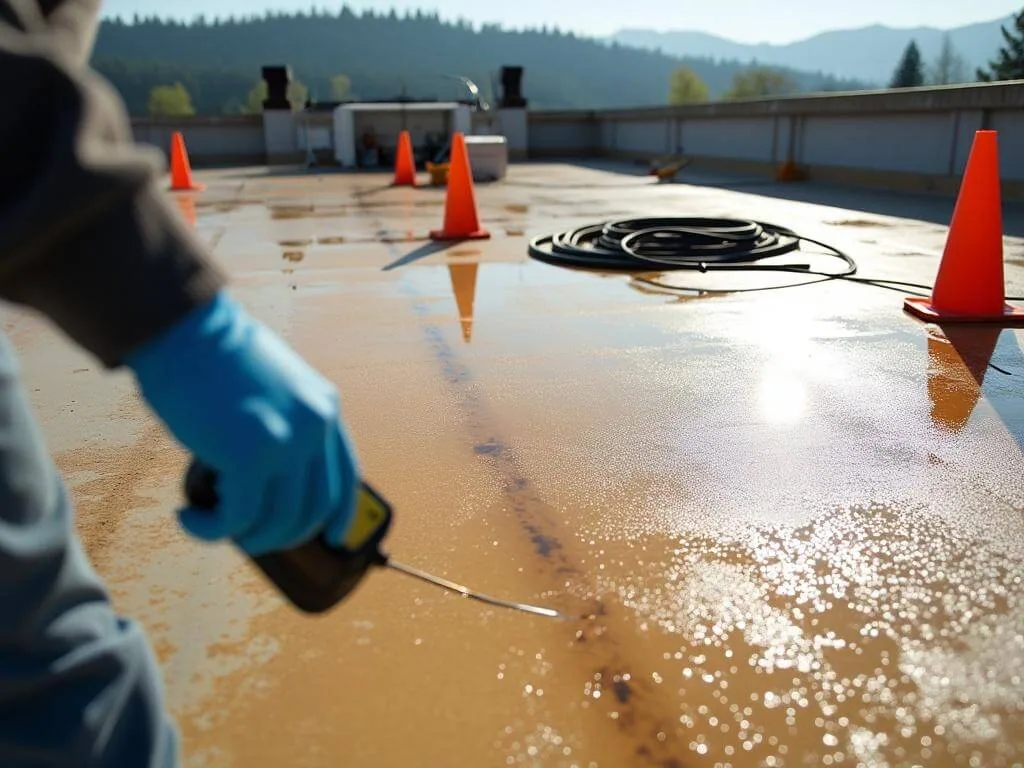
A dull ring around a drain bowl is a useful first clue during a silicone roof coating inspection in Cambridge, MA. We compare the water mark with the coating edge, drain height, and nearby flashing before deciding whether the surface needs maintenance or repair. Cambridge's climate planning identifies heavier precipitation and more intense storms, so we record low points and overflow routes with the coating condition. Kendall Square includes research, commercial, residential, hospitality, and retail activity; it does not indicate the roof's substrate or coating history. We review product records, test adhesion where appropriate, and map each area so a proposed recoat does not cover an unresolved defect.
What does ponding mean on a silicone coating?
Silicone coatings can remain exposed to standing water under conditions allowed by the product, but water at a roof low point still deserves inspection. We check drain performance, slope, coating thickness, seams, and the transition between coated and uncoated areas. A dark ring can mark repeated ponding; it does not alone show whether the coating has lost adhesion. We inspect the surface, note how long water remains when that can be observed, and record any erosion, cracking, or pinholes around the bowl.
Cambridge winters are trending toward heavier precipitation and more frequent flooding, so outlet access and overflow clearance belong in the Diligence Notes. The observation remains specific to the roof section. If the outlet is obstructed or too high for the assembly, a drain and scupper correction may be required before recoating. Where the coating bridges a prior repair, we inspect the perimeter for movement and use an approved test patch to check adhesion when the product instructions call for it.
Will silicone bond to the coating already there?
Silicone does not bond reliably to every roof surface or previous coating. We identify the existing material, remove loose or contaminated areas, and review compatibility information before applying a new layer. A test patch can show whether the surface preparation is suitable, but it does not replace inspection of the roof assembly beneath. If the substrate is wet, damaged, or unstable, coating over it can preserve the problem under a new finish.
At a Cambridge property, we check old patches, seams, metal edges, penetrations, and exposed membrane before drawing a recoat limit. A roof condition inspection documents those details, while a moisture survey may guide selective confirmation if the system and weather support useful readings. The repair proposal lists the preparation steps, reinforcement areas, and transitions included. It also identifies any test or design question that needs resolution before a coating crew begins.
How does silicone differ from acrylic?
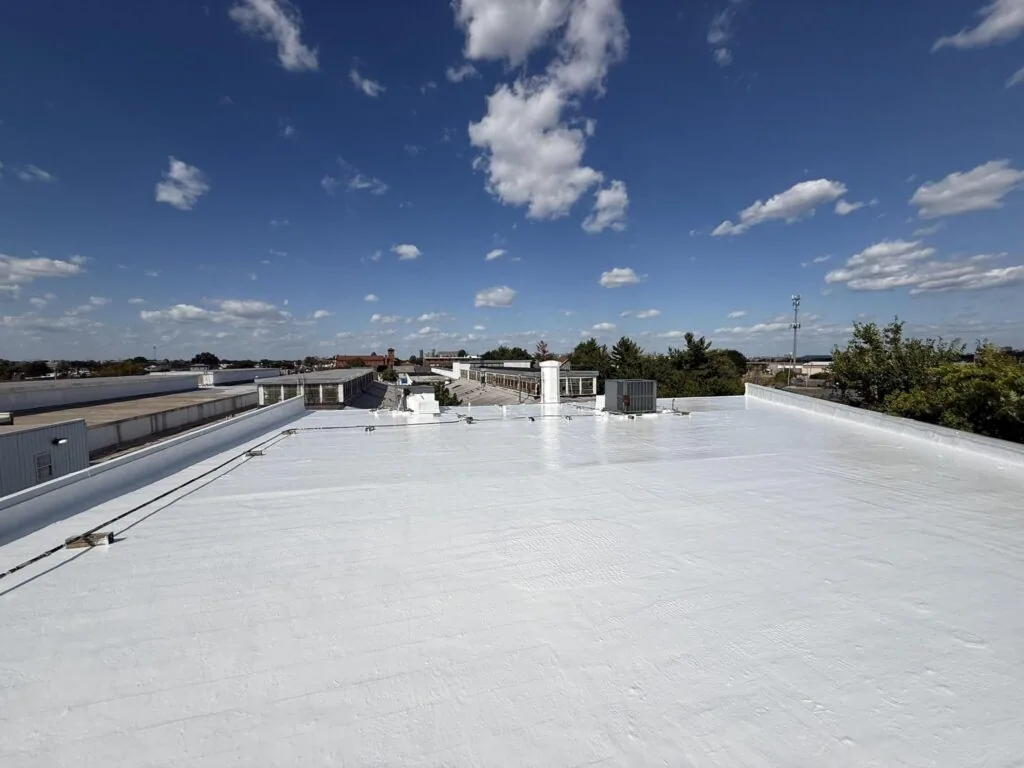
Silicone and acrylic coatings are not interchangeable labels for the same finish. Each product has requirements for substrate, application, reinforcement, and expected water exposure. We compare ponding conditions, roof slope, existing coating, temperature limits, and project documents before choosing a system. The selected material must match the prepared roof and specified use. If the existing assembly needs structural, drainage, or membrane repair, a coating decision comes after that work is understood.
A silicone-versus-acrylic review can clarify which system fits the documented conditions, while SPF roof maintenance calls for careful review of the foam and protective coating together. At Kendall Square, laboratories and commercial properties have property-specific rooftop equipment and access; use alone does not choose the coating. A coating restoration scope records the test areas, substrate repairs, and final application limits.
What must be ready before the crew recoats?
Surface preparation controls the result. We plan cleaning, drying, removal of loose coating, repair of open transitions, reinforcement, and any adhesion tests before the coating is applied. Weather conditions and product limits guide when a section can be coated and when it must be protected from foot traffic or precipitation. The work map identifies where materials will be staged and how the crew will reach the roof without crossing wet coating or blocking drain access. We also plan protection for walls, equipment, skylights, and nearby air intakes where overspray or foot traffic could affect operations. Drain strainers stay accessible through preparation and application, and any temporary cover is removed before the section is released.
CHA Cambridge Hospital provides 24-hour emergency care, so an active healthcare property may need close coordination around access and building operations. The site contact confirms air intakes, restricted areas, and allowed work windows. A phased occupied-building plan identifies when coating work can proceed and how each roof section is returned to service. We photograph the prepared substrate and repaired details before applying the new finish, then retain the application record with the building's roof file.
Which coating details belong in the report?
The report identifies the product and substrate where verified, test-patch results, surface preparation, repairs, reinforcement, and application areas. Photos show representative field coating, repaired cracks, penetrations, drain bowls, and perimeter transitions. We note weather and application conditions supplied in the job record, along with sections that were excluded or unavailable. These facts help a later inspector distinguish a new coating edge from an older layer and compare any change without assuming the entire roof has the same history.
A Cambridge Street corridor property record would need building and roof-section labels for the specific work area. The same file structure helps any Cambridge property manager keep future inspection notes connected to the correct drain and flashing details. Cambridge's climate assessment includes precipitation and storm exposure as local risks, so the report preserves the overflow route and outlet condition. Recoat planning later should begin with a fresh inspection of adhesion and substrate, not an assumed service interval.
The report identifies the product and substrate where verified, test-patch results, surface preparation, repairs, reinforcement, and application areas. Photos show representative field coating, repaired cracks, penetrations, drain bowls, and perimeter transitions. We note weather and application conditions supplied in the job record, along with sections that were excluded or unavailable. These facts help a later inspector distinguish a new coating edge from an older layer and compare any change without assuming the entire roof has the same history. A recoat decision should also note whether water exposure, thickness, and adhesion were reviewed at each included section, rather than relying on one favorable test patch as approval for the whole roof.
Commercial Roofing Questions
Can silicone coating stay in ponding water?
Product limits and roof conditions both matter. We inspect the water depth and duration, drain function, coating bond, and nearby transitions before calling for a repair or recoat. A coating does not correct a low area or blocked outlet by itself.
Can you apply silicone over an existing coating?
We identify the old coating and test compatibility and adhesion where required. Loose, contaminated, or failed material needs preparation, and wet or unstable substrate requires separate attention before another layer is considered.
Will silicone stop a leak at a curb?
The curb flashing and coating termination both need inspection. We identify whether water is entering through a crack, open transition, or another roof detail, then specify reinforcement or flashing repair appropriate to the assembly.
How do you know the roof is ready to recoat?
The surface must be clean, dry, compatible, and sufficiently bonded for the selected product. We record preparation and test-patch findings, repair open details, and exclude any section that is not ready until it can be addressed.
What should be included in a coating proposal?
The scope should identify test areas, cleaning, repairs, reinforcement, coating limits, access, and weather conditions that control application. We list the roof sections included and note substrate questions that remain open.
Related Roofing Work
More Roof Systems
Browse every page in Roof Systems, or request a roof assessment and we will walk the roof with you.
Test the surface before a silicone recoat
Send the Cambridge property address, coating and roof records, reported condition, access contact, and work window. We will inspect ponding, adhesion, substrate, and transitions and document repair or recoat requirements.