
Acrylic Roof Coatings in Cambridge, MA
Review acrylic roof coatings in Cambridge for adhesion, drainage, cracks, surface preparation, and repair or recoat requirements by section.
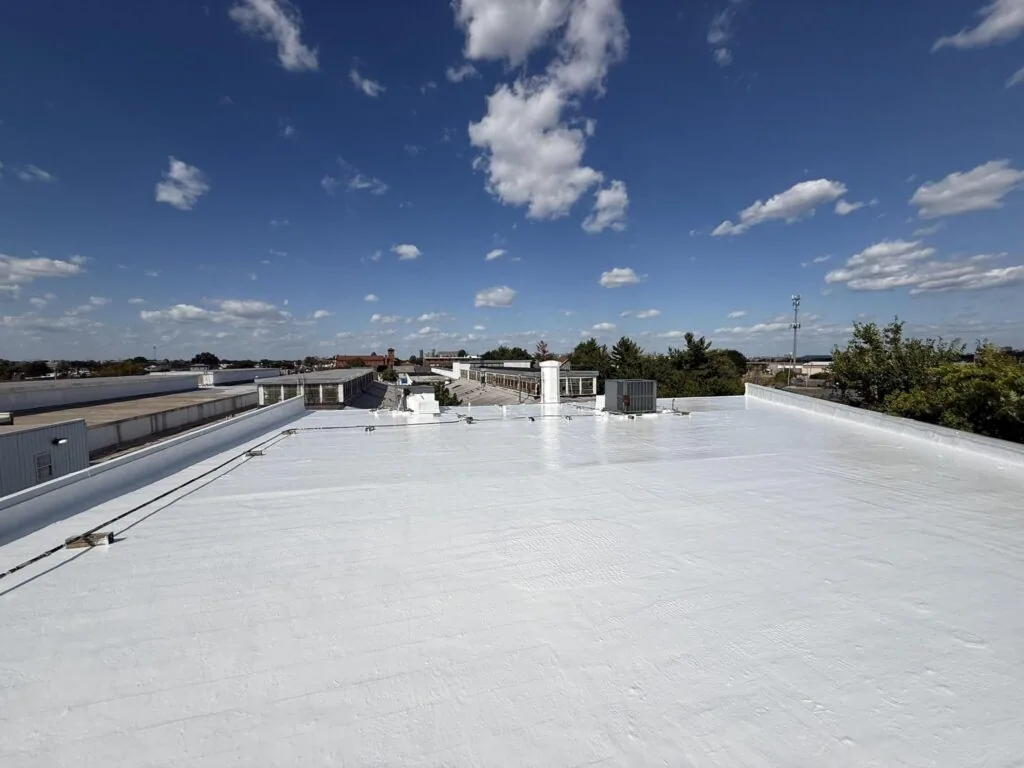
A chalked coating edge beside a rooftop walkway changes the first inspection route for an acrylic roof coating in Cambridge, MA. We check how the finish meets drains, walls, equipment, and the next roof section before discussing a recoat. City winter guidance tracks stronger thaw-and-freeze swings, which puts outlet and overflow checks on the field sheet. CambridgeSide has two levels of shops and restaurants, with planned lab, office, residential, and retail additions in its redevelopment program; that activity affects coordination but does not establish the existing coating or roof condition. We identify the substrate and coating history, inspect the preparation surface, and define whether localized repairs or a new coating layer are supported by the evidence.
What can chalking or cracking tell us?
Chalking, fading, surface dirt, and a crack through the coating are different observations. We inspect for loss of film, exposed substrate, loose edges, blisters, ponding marks, and movement at penetrations. At a curb, the coating may end against a separate flashing material; that interface needs its own check. We mark each finding on a roof plan and compare it with prior repair locations, drain positions, and water entry reports. A surface appearance alone does not confirm whether the underlying membrane or insulation is sound. We note repairs that overlap an older coating and any separation at the edge, since those boundaries can affect how much preparation is needed before a test patch.
Where the coating has lifted, we check the bond at the edge and the condition of the material beneath it. If contamination or a prior coating could affect adhesion, we identify test areas before including a new coat. A commercial roof inspection can record surface and detail conditions. An infrared moisture survey may help locate possible moisture patterns when the roof assembly and weather support interpretable readings, with test openings used when further confirmation is needed.
Can acrylic coating handle the roof's water exposure?
The coating product's requirements and roof drainage both matter. We look at slope, standing water, the drain bowl, overflow, and the duration of ponding before specifying acrylic. Many acrylic systems require positive drainage, but project documentation and the selected product set the actual limits. If water remains because an outlet is blocked or a roof area has settled, the drainage issue needs to be addressed; another finish coat does not create slope.
Cambridge climate planning identifies more intense storms and precipitation among the city's physical risks. We include drains and perimeter transitions in the inspection while keeping the diagnosis tied to the roof. A drainage review can identify work needed before coating. If water damage or an opening is present at a lap, a ponding-area repair assessment can map the membrane and outlet separately. At a Central Square property, the commercial and transit setting informs the access plan, not assumptions about the roof system.
When is a recoat better than a roof replacement?
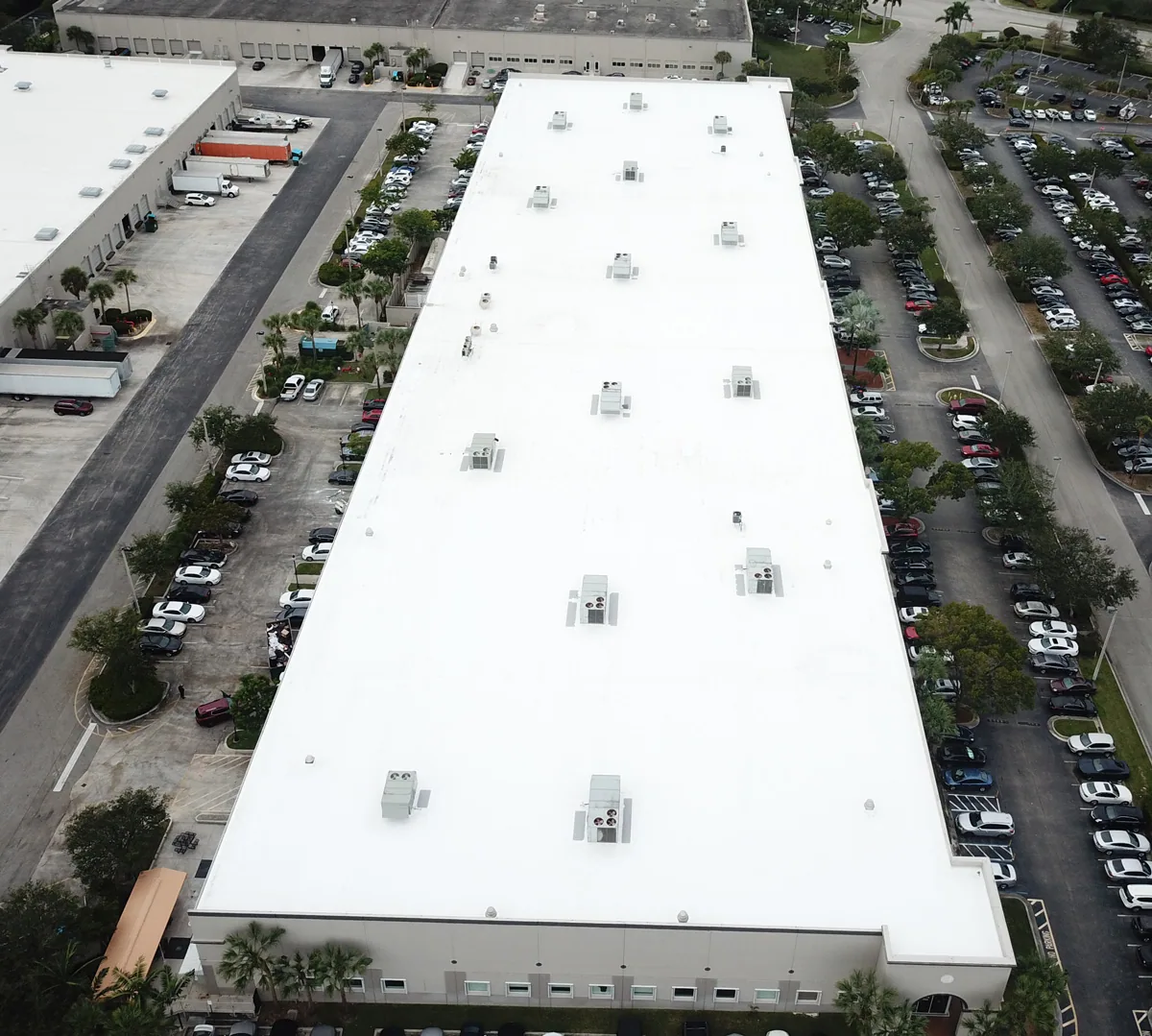
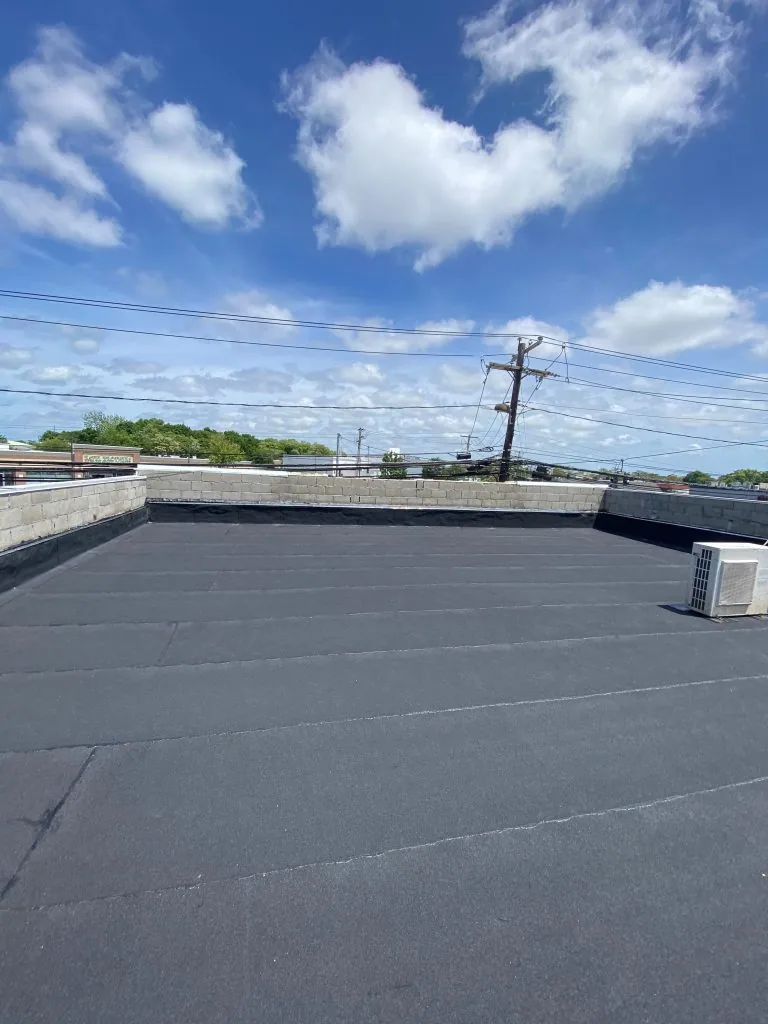
Recoat suitability depends on adhesion, substrate condition, prior coating compatibility, moisture findings, and the amount of repair needed. We remove failed material, repair open seams or flashing, and test representative areas as required before setting the new coating limit. Where the membrane or substrate is deteriorated, a coating could hide rather than solve the issue. A replacement or recover review may be needed when the assembly condition or project requirements call for a different system.
We compare acrylic with silicone coating using the roof's slope, ponding exposure, preparation needs, and product requirements. A coating over spray foam also needs review of the foam and protective layer together. Our coating restoration scope lists repairs, reinforcement, test areas, and application limits. If removal is under consideration, a replacement evaluation documents tear-off and new assembly needs alongside the recoat option.
What has to happen before acrylic is applied?
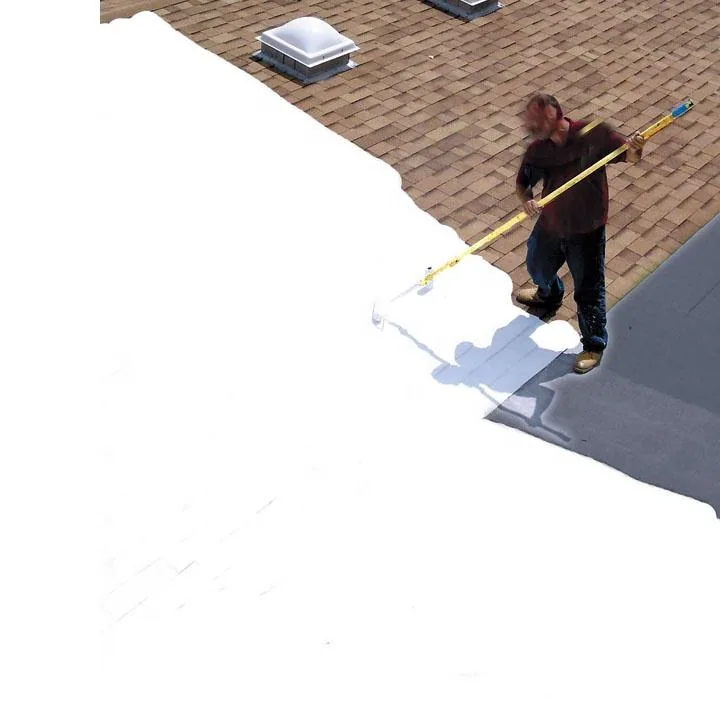
Preparation starts with a clean and dry surface that matches the coating product's requirements. We remove loose material, repair cracks and penetrations, reinforce details where specified, and confirm adhesion at designated test areas. The application plan accounts for weather, dry time, staging, access, and protection of areas below. We mark boundaries between completed and untreated sections and keep drains open so the new coating does not interfere with water flow. At the end of each shift, the crew verifies that temporary protection is removed, edges are secure, and the access route stays clear for building staff.
CambridgeSide includes retail, dining, residential, and office uses, so work timing depends on the specific building and its operating rules. We coordinate air intakes, pedestrian routes, deliveries, and access windows with the property contact. A phased roof work plan identifies the day's coating area and when it can accept foot traffic again. Before closeout, we photograph the repaired surface and transitions so the next maintenance visit can distinguish new work from older coating.
What should the acrylic coating record retain?
The handoff records the substrate and coating products where verified, surface preparation, test-patch results, repairs, reinforcement, and areas coated. Photos show the field, drain bowls, curb edges, penetrations, and transitions to uncoated surfaces. We note weather conditions and any sections that were excluded or left for a later work window. If a past coating layer could not be identified, the report states that limit. This keeps the maintenance file useful without treating an uncertain product history as a specification.
For a CambridgeSide building, roof-section labels distinguish work areas across the property. The next inspection can compare adhesion, cracking, chalking, ponding, and outlet performance with the closeout photos. Cambridge guidance identifies heavier precipitation and winter flooding as local concerns; a clear drain and overflow record helps maintenance staff follow those details. The condition of the roof and selected product should guide any future recoat interval, rather than a generic calendar assumption.
A recoat file should show the surface preparation, repairs, reinforcement, test areas, product and application conditions where recorded, and the edges excluded from work. Photos taken before cleaning can preserve cracks or blisters that disappear during preparation; later images show whether those details were rebuilt before coating. We identify the drain bowls and overflow paths that must remain clear and note any change to their height after added material. If the existing roof has a soft area or open seam, the scope treats that defect before applying a finish. This gives the next inspector a basis for checking adhesion and thickness without assuming the whole surface received identical preparation.
Commercial Roofing Questions
Can acrylic coating go over an existing roof coating?
Before specifying another layer, we review the coating history and use the selected product's test patch to check adhesion. Loose material is removed, and moisture or membrane concerns receive separate attention before recoating.
Is acrylic suitable where water ponds?
The selected product's instructions and the roof's drainage conditions set the limits. We inspect standing water, drains, overflow paths, and the coating bond before recommending a system. Drainage repairs may be needed before recoat work.
Can acrylic coating repair a cracked membrane?
A crack may involve only the coating or may extend into the roof membrane. We inspect the substrate and detail, then repair the underlying opening before coating when the assembly requires it. The proposal shows the work included at each transition.
How do you check that the surface is ready?
We review cleanliness, dryness, adhesion, prior coating, and repairs. Specified test patches help confirm the preparation method before broad application. Any area that fails a readiness check stays outside the coating boundary until corrected.
What do you need to schedule a coating inspection?
Provide the Cambridge address, coating or roof records, reported condition, roof plan if available, access contact, and work window. That lets us coordinate a visit and focus the field review on the right sections.
Related Roofing Work
More Roof Systems
Browse every page in Roof Systems, or request a roof assessment and we will walk the roof with you.
Review acrylic coating readiness
Send the Cambridge address, roof and coating records, reported condition, access contact, and work window. We will check the surface, drainage, and transitions and document repair or recoat requirements.