
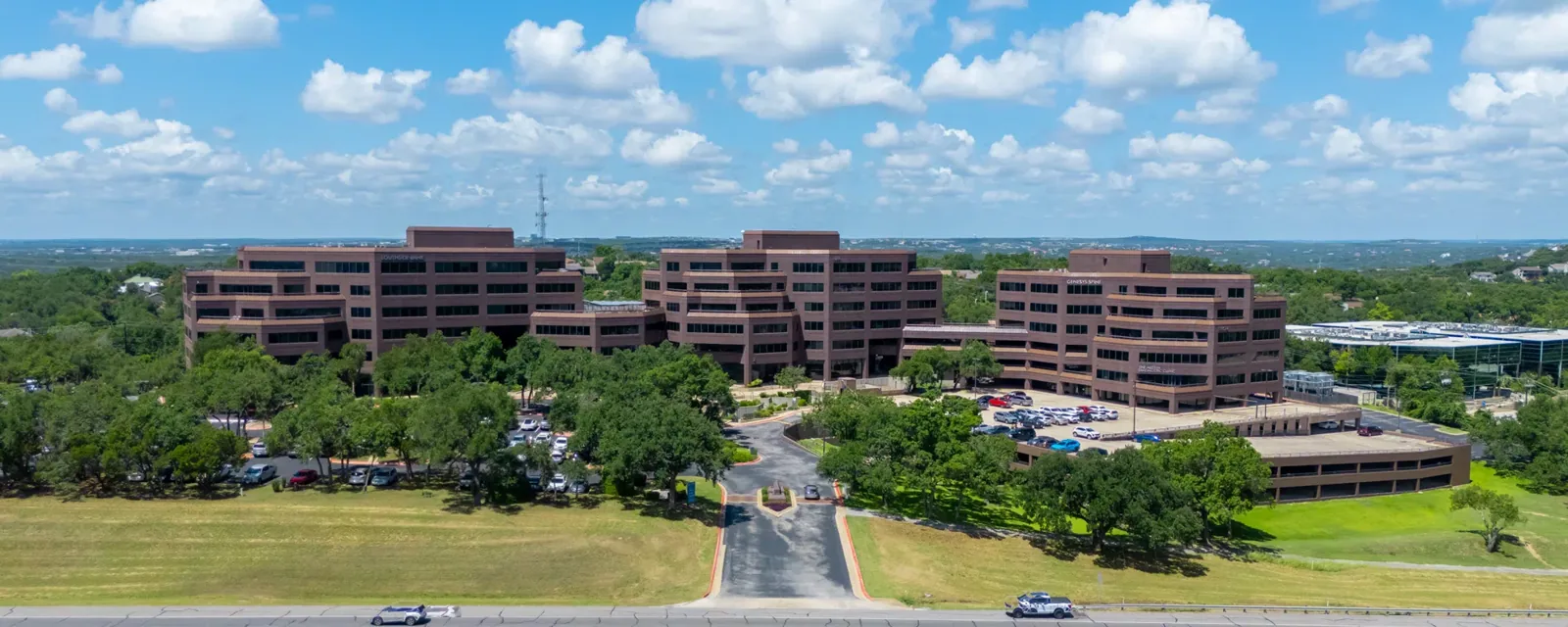
Office Building Roofing in Cambridge, MA
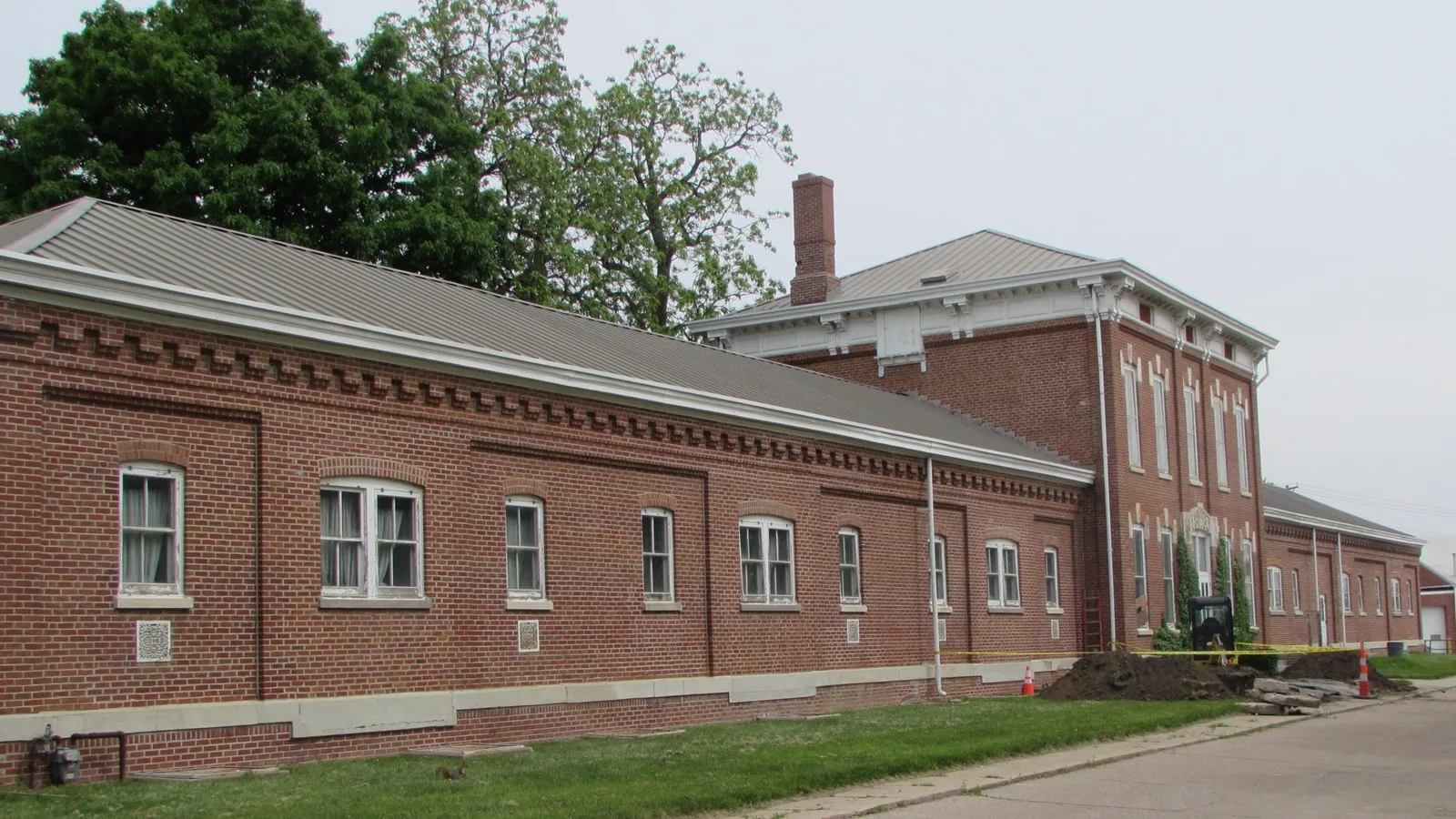
Inspect Cambridge office roofs for HVAC curbs, parapets, drains, and tenant access, then document repair or replacement options by roof section.
A parapet shadow over an HVAC curb changes the first inspection route on a Cambridge office roof. We check the curb flashing and intake clearance, then follow the roof plane to the nearest drain and edge transition. Central Square serves as Cambridge's traditional downtown and seat of city government, with nearby offices and Red Line transit; Kendall Square combines research firms with hotels, housing, and retail. Those uses matter when we coordinate access and tenant notice, not when identifying the roof assembly. We review the building's records and field conditions, then document which detail needs repair and which option merits a broader capital review.
What should an office roof inspection document?
We inspect membrane seams, flashing at curbs, parapet terminations, roof hatches, drains, and service routes around mechanical equipment. Each item is linked to a section on the roof plan and photographed with nearby reference points. An office leak may show on a ceiling far from its entry, so we compare interior notes with slope and transitions above rather than choosing a repair from the nearest stain. We mark inaccessible equipment or areas that need a lift or escort before setting a complete scope.
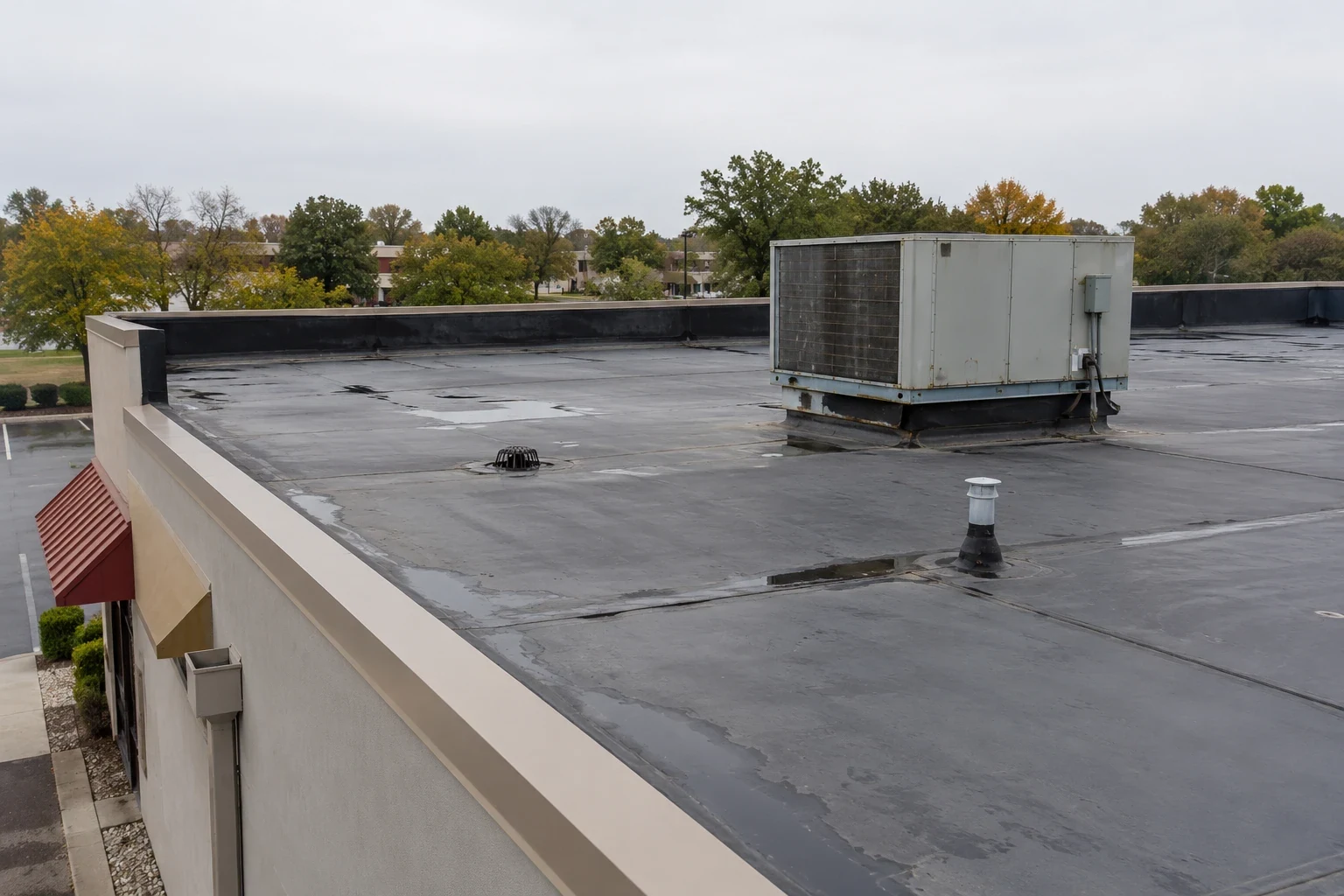
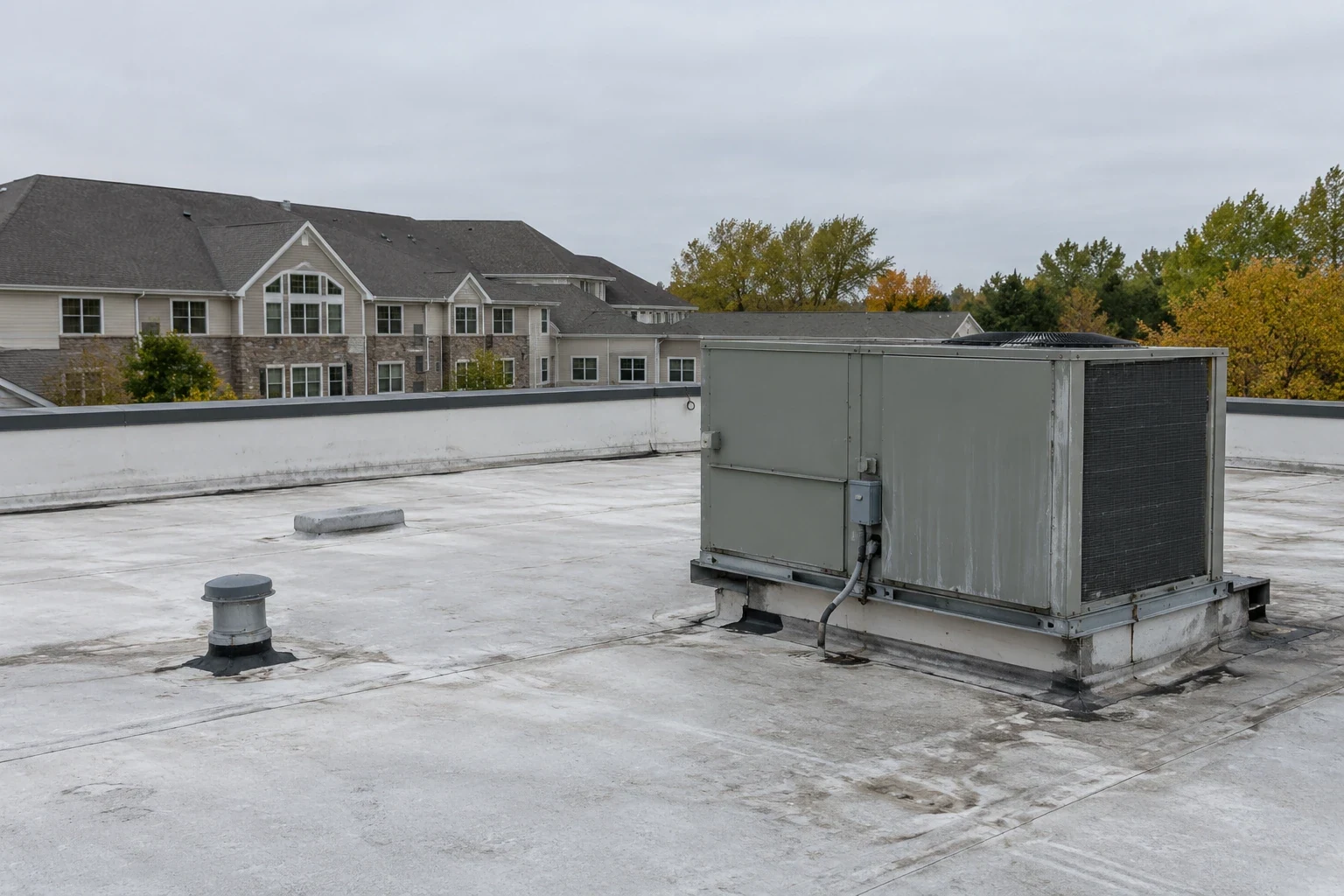
At the perimeter, coping, counterflashing, and membrane termination need to work together. We check for loose metal, open laps, and water paths around rooftop screens. A condition inspection can create a dated baseline. If a curb has shifted or lost flashing, a mechanical curb review can distinguish roof work from equipment adjustments. Where drains collect water, a drain and overflow check records whether the outlet and secondary path remain clear.
Can an office roof be repaired without a tenant move?
Many roof repairs can be staged above an occupied building, but access, noise, odors, air intakes, and weather protection need a building-specific plan. We identify which rooms or entrances are below the work area and coordinate any temporary protection with property operations. If the membrane is stable around a single opening, a local repair may be enough. If testing finds wet insulation or multiple failing seams, a larger boundary can be needed before a permanent fix is complete.
Central Square's transit connections and mix of civic and commercial uses can make arrival and material staging property-specific. We confirm the address, loading route, roof hatch, and tenant notice window with the manager. A tenant-aware work sequence identifies daily tear-off limits and the closeout point. When replacement is being weighed, a recover assessment checks retained layers, attachment, moisture, and curb heights instead of assuming an overlay fits the office building. A medical office or a hospital may have different access and air-control needs, so we keep those operating rules specific to the property under review. We list the roof sections, test findings, and open design items so the owner can compare scope and access impacts before scheduling.
Which ceiling symptom should we trace first?
A stain near a perimeter wall, conference room, or mechanical closet is a starting location, not necessarily the roof opening. We inspect the closest curb and wall transition, then trace the drainage path and any penetrations uphill. Prior patches, condensation lines, and rooftop equipment all deserve separate notes. If the assembly remains uncertain, a test opening or suitable moisture survey can help establish whether water has reached the insulation or deck.
The City tracks additional thaw-and-freeze swings through Cambridge winters. We check each overflow path and label its drain before setting the repair boundary. That citywide context does not identify the cause of a specific office leak. A ponding-area investigation can document low spots and outlet conditions, while a repair visit can address a confirmed seam or flashing opening. Our emergency response operates around the clock and on holidays when a new opening needs prompt protection; permanent scope follows the observed condition.
How does replacement affect building operations?
A roof replacement plan sets the tear-off boundary, material staging, hoisting, temporary tie-ins, and protection for entrances below. We confirm the air intake and exhaust locations, service access, material lift or roof-hatch route, and any hours that limit noisy work. The crew records daily dry-in status and changes when the deck or insulation differs from the expected condition. Tenant notices should reflect the actual work area and schedule supplied by the property team.
Cambridge Crossing contains commercial and residential space with retail and dining uses, while offices around Kendall Square sit among research and institutional properties. These are mixed-use settings, so the property manager's requirements govern deliveries and pedestrian protection. A replacement scope identifies the planned sections and transitions. A Central Square roof project still needs a building-specific access contact, service route, and work window before the crew mobilizes.
What should the office roof record include?
The closeout file records the system layers where confirmed, repair locations, curb and parapet details, drains, test results, and areas excluded from work. Images carry roof-section labels so maintenance staff can compare later observations with the same curb or membrane seam. We note whether the work was a temporary stabilization or a completed permanent repair. Any condition that was not inspected remains listed as an open item rather than blended into the completed scope.
A roof condition report can keep dated photos, maintenance items, and capital recommendations together. In Kendall Square, office and research properties share a commercial district, but each building's roof records and access rules remain distinct. The next inspection can use the report to revisit a drain, parapet, or HVAC transition without assuming that an earlier repair applies across every roof area.
The office file should show which tenant or common area sits below the inspected section, while keeping confidential occupant details out of the repair record. We label drains, rooftop units, hatches, and access routes on the same reference plan used for closeout photographs. If a repair depends on a mechanical shutdown, the authorized time and return-to-service contact belong in the work order. A test opening or moisture scan is recorded with its method and sample boundary. That gives building management a clear distinction between a confirmed defect, a condition that needs another test, and an area that could not be reviewed during the original access window.
Commercial Roofing Questions
Can an office roof be repaired after business hours?
The building's access rules, crew availability, weather, and scope set the workable window. We coordinate roof entry, noise, and protection with property operations, then record the daily closure. Emergency response is available at all hours when an opening needs prompt attention.
How do you protect tenants during a roof replacement?
The work plan identifies active sections, entrances below, material lifts, air intakes, and notice timing. We coordinate boundaries with the property manager and document each day's weather-tight status so tenants and maintenance staff know where work remains active.
Does a ceiling stain mean the roof needs replacement?
A stain needs to be traced to a roof condition first. We inspect seams, curbs, walls, drains, and interior reports, then test where necessary. A localized opening may be repairable; widespread moisture or assembly failure can support a larger scope.
Can office HVAC units stay running during roof work?
The property contact identifies which units and intakes must remain in service. We map equipment clearances and work zones, then coordinate protection or access restrictions before opening the roof near a unit.
What records help plan office roof maintenance?
Provide the Cambridge address, roof plan, system and repair records, reported symptoms, access contact, and work window. Tenant rules and HVAC schedules help set a visit, while the roof inspection confirms the condition.
Related Roofing Work
More Property Types We Roof
Browse every page in Property Types We Roof, or request a roof assessment and we will walk the roof with you.
Set an office roof review by section
Send the Cambridge address, roof plan or records, tenant and HVAC constraints, reported condition, access contact, and work window. We will inspect and document the repair or capital options.