
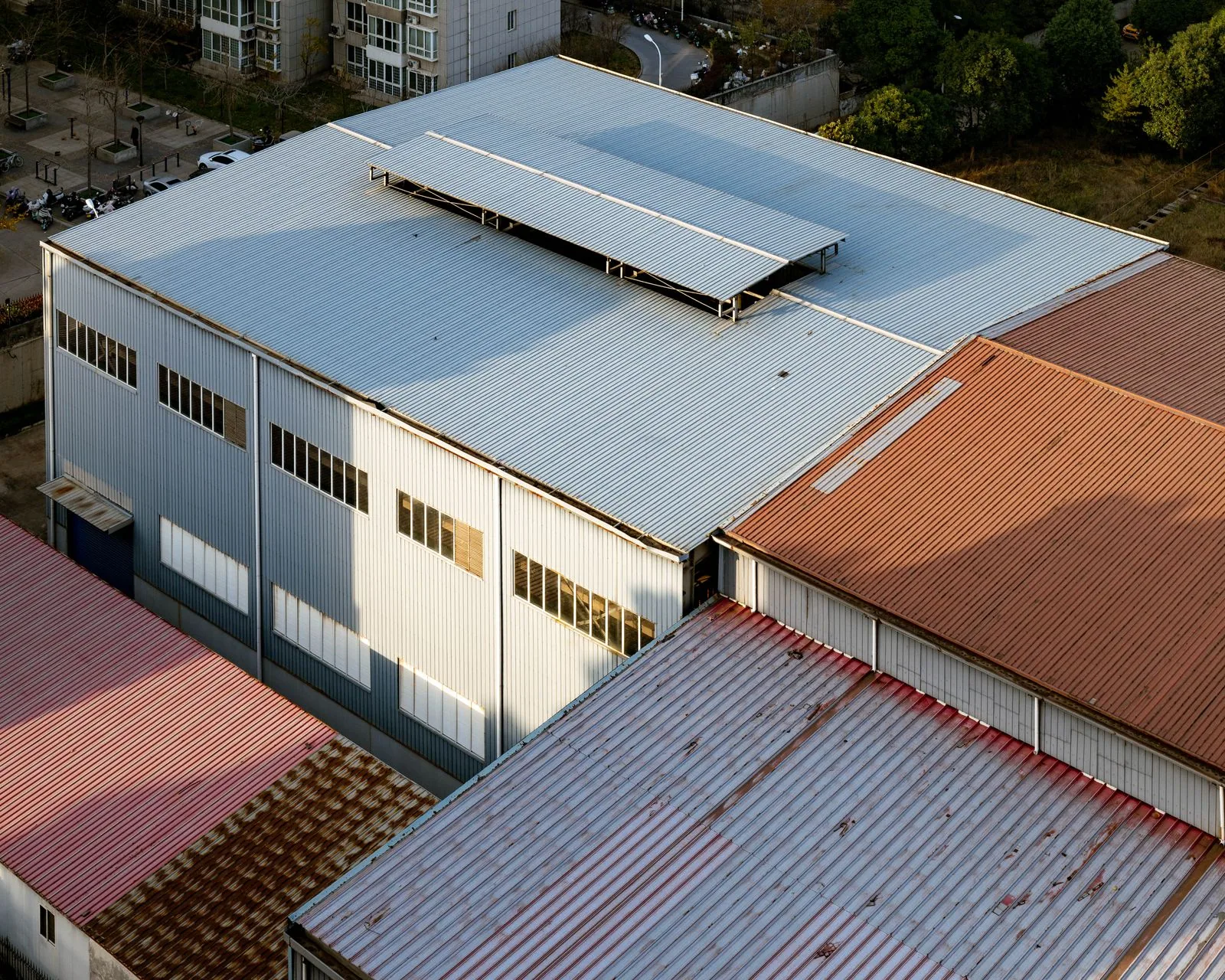
Manufacturing Plant Roofing in Cambridge, MA
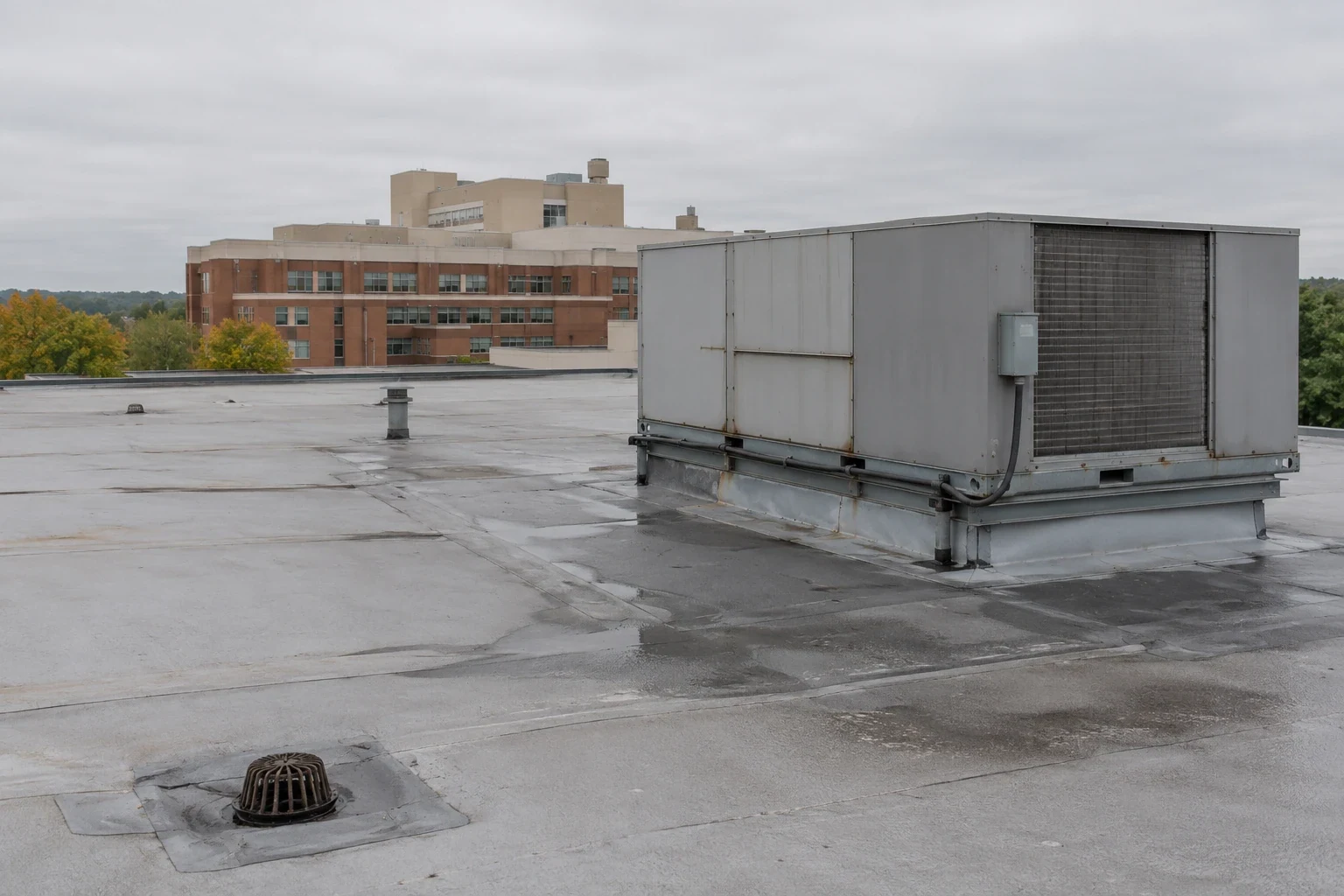
Inspect Cambridge manufacturing plant roofs for exhaust curbs, seams, drainage, and work sequencing tied to production and equipment access.
A condensate line crossing a roof curb changes the inspection order above a Cambridge manufacturing plant. We trace the pipe support and flashing to the membrane, then check the outlet path before assigning a leak to one penetration. Alewife brings light manufacturing together with offices, retail, apartments, and auto-related businesses, so roof access and service routes can change from one block to the next. Cambridge winters bring heavier precipitation and more thaw-freeze swings, putting drains, overflow routes, and edge transitions on the inspection list. We confirm the installed assembly and coordinate around the plant's operating rules, then document each condition and the work boundary by roof section.
What roof details sit beside plant equipment?
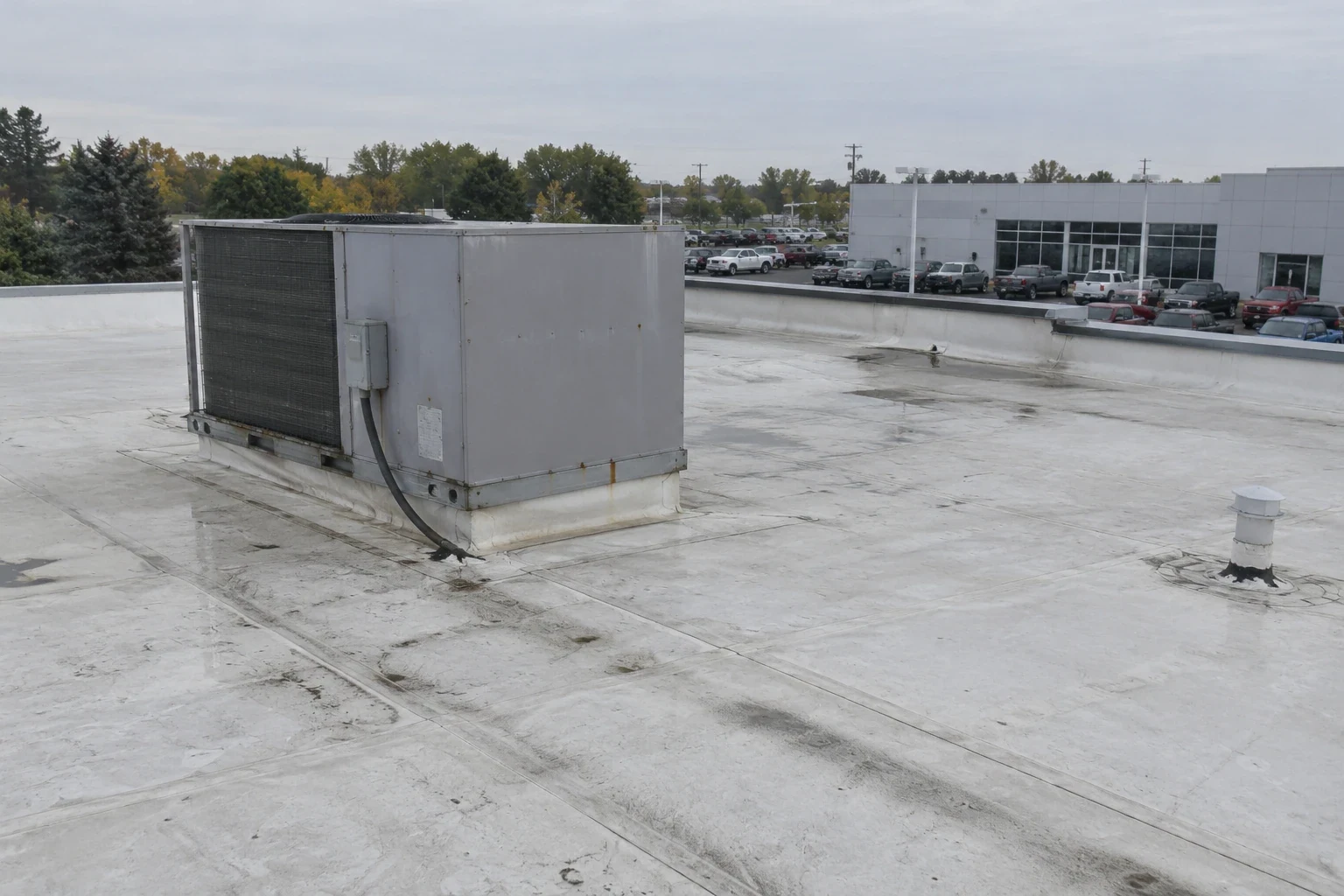
We inspect exhausts, relief vents, pipe supports, cable trays, skylights, and mechanical curbs where they cross or load the roof. Each connection has its own flashing, seal, and support detail. A line that moves or vibrates can stress the curb connection, while a disconnected support can bear on the membrane. We photograph the component, check nearby seam and edge conditions, and note any movement or access limit. We record the equipment visible on this roof and tie each curb, support, or flashing to its field-sheet location.
At drains, we check the strainer, bowl, low area, and overflow path, then compare those observations with interior reports and prior service history. An inspection record lets maintenance and operations discuss the same marked location. If a curb or penetration has separated, a curb and support review can define the mechanical-roof interface. A flashing repair scope addresses the membrane transition if the condition is confirmed there.
Could the roof issue interrupt production?
A drip near a production line, electrical room, or material-handling area may need faster containment than a surface defect in an unused zone. We ask the facility contact to identify operating restrictions, sensitive equipment, and the area that must remain clear. Our emergency response is available all day, every day, holidays included, when a roof opening needs prompt attention. The first visit records the active condition and any temporary protection; permanent work follows after we inspect the assembly and determine whether moisture has spread below the membrane.
Alewife Brook Parkway serves the Alewife commercial district alongside the Red Line terminal and bus connections. That network is useful context for planning an access route, but the facility manager confirms the actual gate, delivery path, and roof entry. Cambridge's life-science and industrial activity also spans areas such as Kendall Square, which has shifted from industrial uses toward biotechnology and research. For each plant, we confirm the installed roof system and visible rooftop equipment before setting the work boundary. We base the diagnosis on equipment present, roof records, and field tests.
How do we protect equipment and occupied areas?
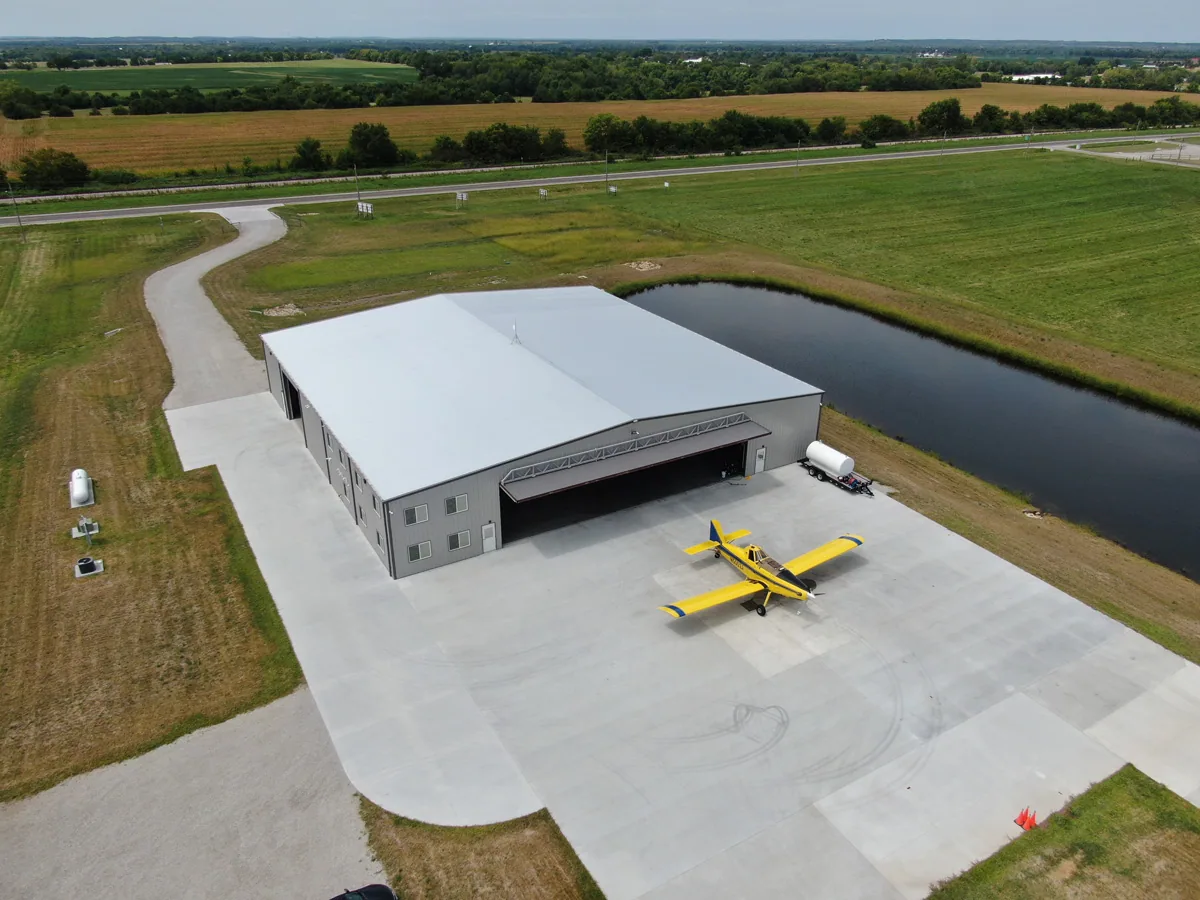
Before opening the roof, we coordinate shutdowns or restricted access only when the facility's contact identifies them as necessary. We map air intakes, exhaust discharge points, electrical routes, and overhead work zones, then set barriers or protection below the active section. Hot work, adhesives, odor, dust, and noise depend on the approved system and conditions, so the method and notice period need agreement before mobilization. We keep a temporary weather-tight boundary and record changes when concealed deck or insulation differs from the expected condition.
Cambridge Crossing combines commercial, residential, research, and retail uses. The mix of research, retail, and housing around Cambridge Crossing makes property-specific access coordination important before a crew stages materials. A phased work plan can define shift windows, equipment protection, access, and daily closeout for a plant that stays active. If the roof supports rooftop equipment, a cover-board and insulation review can also document substrate readiness before a new assembly is installed.
Should the plant repair, recover, or replace?
The choice follows the roof's condition, not the facility's production label. A repair may suit an isolated penetration or seam when surrounding membrane and substrate remain sound. A recover depends on attachment, layer count, moisture, structural design, and the heights left at curbs and drains. Replacement can provide access to concealed construction but brings removal, disposal, staging, and dry-in requirements. We record test openings and any unresolved structural or process questions before setting the scope.
A warehouse roof and a data-center roof may share low-slope details, yet their maintenance access and equipment interfaces can differ. We compare those needs only after identifying the actual membrane, deck, drains, insulation, and rooftop loads. A recover assessment documents the evidence for retaining layers. If removal is better supported, a replacement scope identifies tear-off and substrate work as distinct items.
What should the maintenance handoff contain?
Closeout ties each repair or replacement to a roof section and identifies the transition or equipment connection involved. The file records the system layers where confirmed, test locations, substrate work, repaired curbs, drain paths, and exclusions. Photos need a clear reference point so an operator can match them to an asset or roof plan. We distinguish completed permanent work from a temporary closure and list any inspection item that could not be completed because production controls limited access.
At a property in the Alewife Commercial District, facility staff can use the record alongside the building's service route and access rules. A roof condition record preserves dated findings for the next maintenance window. Heavier precipitation in Cambridge makes outlet and overflow records useful when the next crew returns to the roof. The plan can identify which curb or seam deserves priority without implying the same issue exists across the full plant roof.
A plant handoff should identify production equipment and utilities that share the roof section, the shutdown approvals required, and any area that stayed inaccessible during the walk. We label the repaired curb, exhaust, pipe support, or seam with a plan reference and note what materials were confirmed. If a new line or unit is planned, its load, curb, and flashing detail should be coordinated before installation rather than left for the roofer to seal after the fact. The closeout separates roofing work from mechanical commissioning and records the weather-tight point where each shift stopped. This gives maintenance a usable basis for future changes to equipment or roof access.
Commercial Roofing Questions
Can roof work happen while production continues?
We can phase work around the facility's approved access and operating windows when the roof condition and weather allow. The plan identifies equipment protection, restricted zones, and daily closure points. The plant contact confirms any required shutdown or air-intake controls.
How do you inspect a roof around exhaust and process lines?
We trace each curb, support, and flashing transition, then compare it with the membrane and nearby drainage. The report labels the equipment interface and notes whether access or testing is limited. The field sheet records visible equipment and any access limit without assigning a process condition to the roof.
What if the roof leaks during a production shift?
Our emergency response is available around the clock, including holidays. We locate the opening, coordinate with the contact to protect the affected zone, and record temporary stabilization. The permanent repair scope follows inspection of the assembly and any concealed moisture.
Does equipment vibration damage roof flashing?
Movement can stress a connection, so we inspect the support, curb, fasteners, flashing, and adjacent seam together. The facility's mechanical team may need to confirm operating movement before the repair detail is finalized.
What records do you need before replacing a plant roof?
Provide the Cambridge address, roof plan, system records, equipment list or access restrictions, reported condition, and production windows. Those details help plan the walk, while field inspection confirms what layers and transitions are actually present.
Related Roofing Work
More Property Types We Roof
Browse every page in Property Types We Roof, or request a roof assessment and we will walk the roof with you.
Coordinate roof work with plant operations
Send the Cambridge address, roof plan and system records, equipment or access constraints, reported condition, and production window. We will inspect the assembly and document a section-by-section scope.