
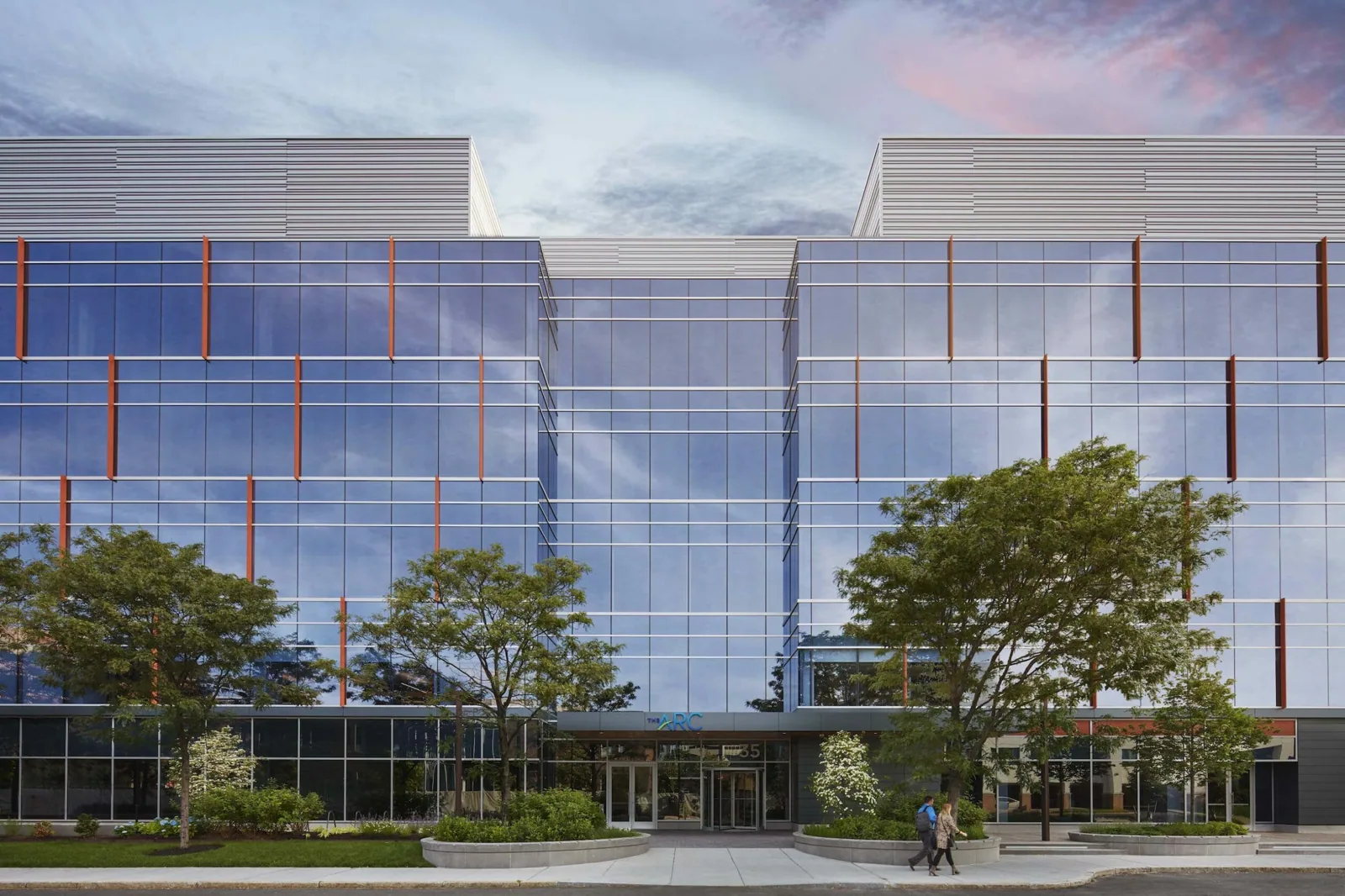
Commercial Roofing in Alewife, Cambridge, MA
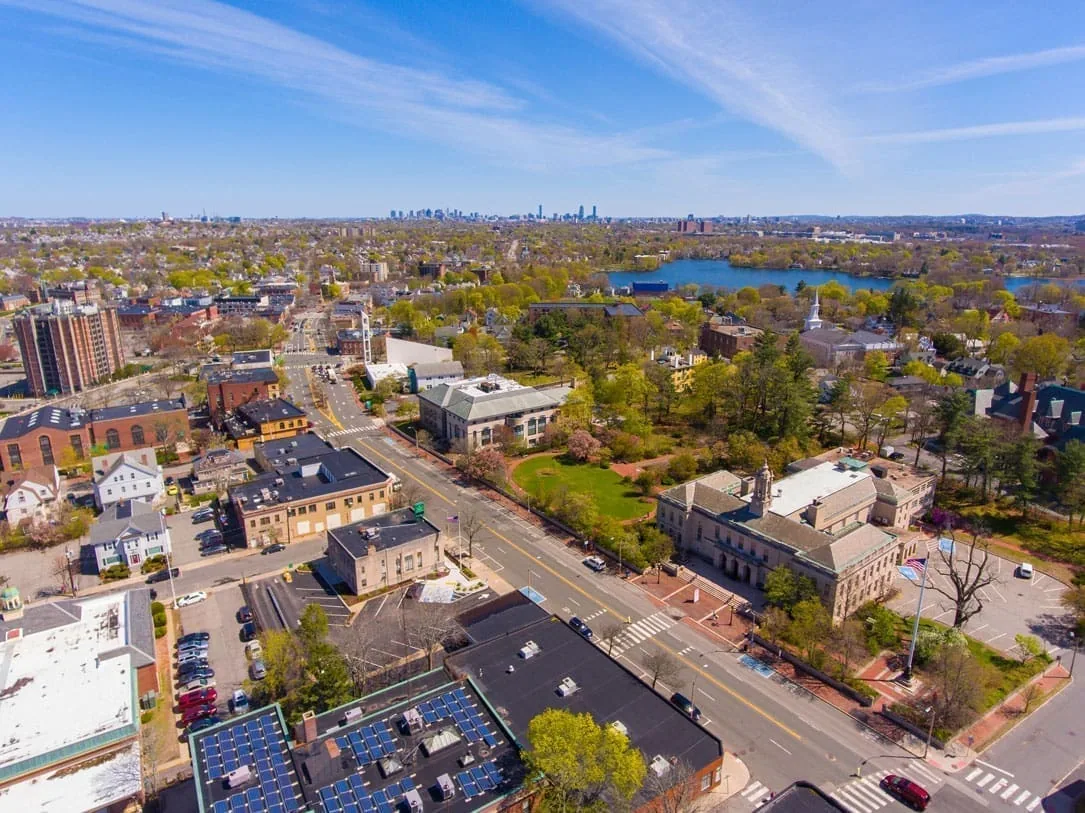
Inspect Alewife commercial roofs for drainage, flashing, and membrane failures with access and flood-context planning tied to each building.
A scupper throat partly blocked by debris can leave water against an edge transition even when the main drain is clear. In Alewife, Cambridge, MA, commercial roofing calls span light manufacturing, offices, retail, apartments, shopping centers, hotels, and auto-related businesses across older and newer buildings. That mix is documented for the district, but it does not tell us which roof system sits at a particular address. We inspect the actual membrane, edge metal, drain bowls, overflows, and low areas, then note what supports a repair. The City's long-range climate models single out Alewife for additional flood exposure under higher seas and coastal storms. We use that context to plan access and review drainage while keeping the field diagnosis tied to the roof in front of us.
Which outlet is carrying the water?
Shopping centers line both sides of Alewife Brook Parkway from Fresh Pond toward Alewife Station, with retail tenants such as Whole Foods, Apple Cinemas, Trader Joe's, and CVS. That commercial pattern makes delivery and customer routes worth confirming, but it does not establish a roof's construction or outlet layout. We identify the property and follow each roof low point to its primary drain, scupper, and overflow. At the bowl, we check the strainer, clamping detail, membrane termination, and nearby insulation evidence; at the edge, we look at the throat, metal, and discharge path. A drain and scupper inspection can distinguish debris from a recurring ponding condition that needs grade or outlet review.
Does the flood context change the repair?
The City's long-range climate models single out Alewife for additional flood exposure under higher seas and coastal storms. That planning fact is not proof of present flooding at a given building, and it does not tell us that a particular roof has taken water. It makes the documented overflow route, outlet condition, and safe access plan useful parts of the building file. We inspect whether the membrane directs water to the drains, whether a secondary path is open, and whether added layers changed bowl or scupper height. Cambridge also reports heavier precipitation and more frequent winter thaw-freeze changes. The roof's actual elevations, connections, and maintenance history still determine whether the next step is cleaning, localized repair, test opening, or design review.
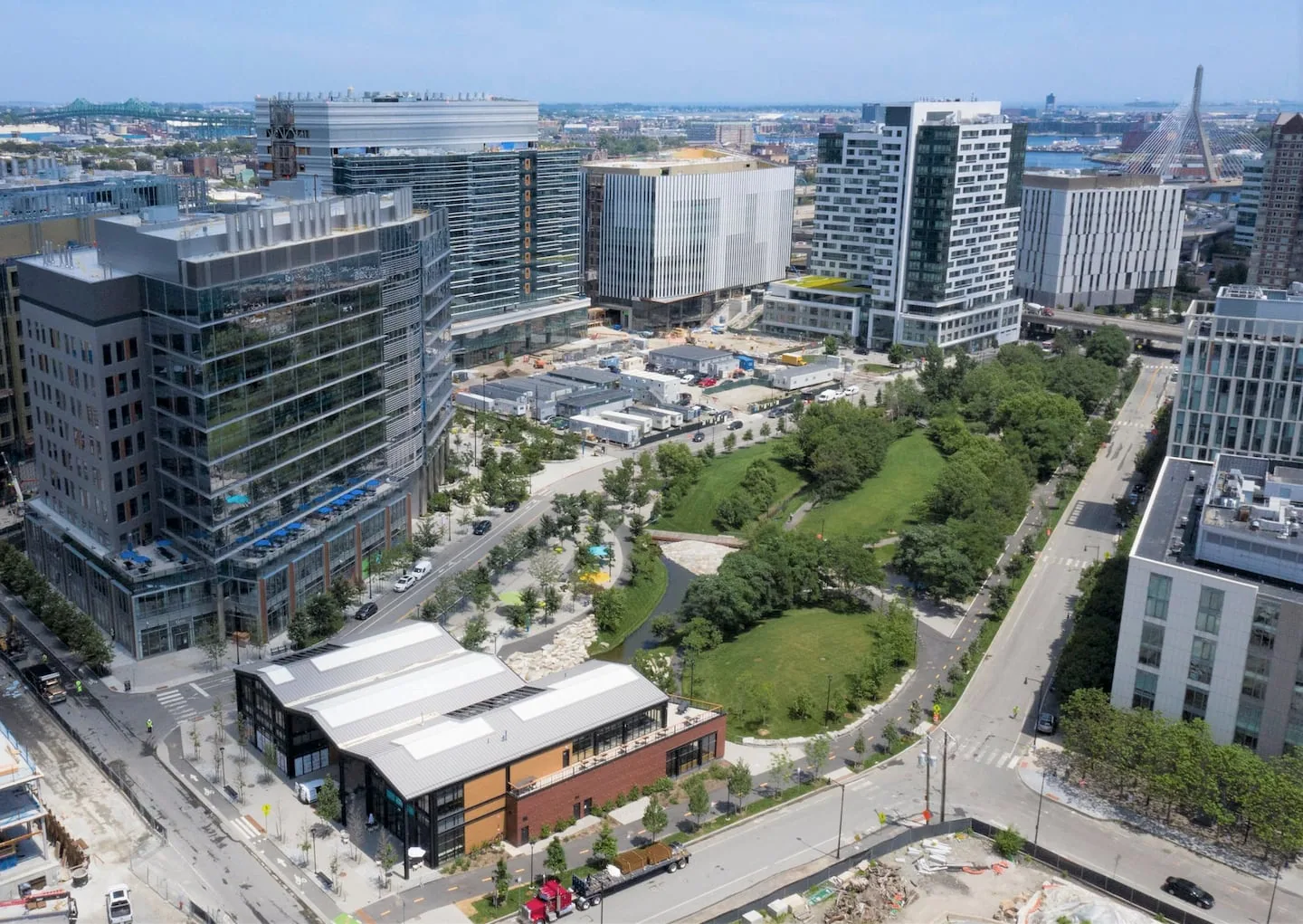
Where does a ponding repair begin?
We map the standing-water area and compare it with slope, drain elevation, crickets, curbs, and any added roofing layers. A blocked strainer may need clearing; a low roof plane or raised bowl can call for a different correction. We inspect for membrane blisters, open seams, deteriorated flashing, and wet insulation, then record whether a test opening is needed. If the field identifies a TPO assembly, we confirm the sheet and seam detail before specifying a compatible repair. Sealant around a drain cannot correct a low area that keeps water away from the outlet. A ponding-water repair should define whether the work addresses a maintenance obstruction or the geometry of the roof. If coating or recover is considered, the scope also needs to account for the new surface height, overflow clearance, and edge terminations.
How do we limit exposure during an opening?
Before removing a drain assembly or cutting membrane, we identify the interior space below and the route water could follow if weather changes. The crew controls debris, protects the outlet, and has a way to secure the temporary termination at the end of the work window. Alewife includes light manufacturing, office, residential, retail, and auto-related uses, so the property contact tells us which operations, deliveries, or equipment cannot be interrupted. We do not infer site restrictions from an industry label. If active water entry needs urgent stabilization, our emergency response is available at any hour, including weekends and holidays. We document the temporary measure separately and identify what material preparation, drying, or testing remains before permanent work.
What affects staging and return access?
Alewife station is the Red Line terminal and has bus connections; Fresh Pond Reservation and the City's water-treatment facility are also in the district. Those landmarks help place the service area, but the correct loading entrance, roof hatch, and permitted material route come from the building contact. We check that route before scheduling equipment, then confirm drainage protection and the work area below. A repair may need a second visit if moisture, temperature, or a hidden layer prevents permanent closure on the first access window. Nearby North Cambridge and Cambridge Highlands have their own boundaries; a visit remains tied to the Alewife address and roof plan. The field sheet names any weather or access limit that changes the next step.
What should an Alewife roof log track?
Record each drain, scupper, overflow, repair, and recurring low point by roof section. Include close and context photos, the observed water path, the membrane and edge detail when identified, and whether the finding came from visual review or testing. A condition report can keep future repair decisions tied to those points. The log should also note which drains were clear, where water remained, and whether any outlet could not be reached safely. Cambridge's future flood-risk planning for Alewife is useful context in an asset file, but it is not a substitute for observed roof conditions. We separate the planning context from confirmed membrane, deck, or interior findings so managers can act on each with the right scope.
Alewife has offices, light manufacturing, retail, apartments, and auto-related businesses in a mix of older and newer buildings. That variety makes the building identifier important: an outlet note from one property cannot be carried to the next address along Alewife Brook Parkway. We record the roof section, nearby curb or loading area, and any route that staff need kept clear while work proceeds. The shopping center or Red Line station can place the call geographically, but neither establishes what sits below a particular roof. The service file should preserve each property's own drainage map and access contact.
What should I send before the roof walk?
Provide the Alewife address, roof plan, known system documents, places where water remains, interior leak location, previous repairs, access contact, and work window. Include the route for loading and any operating, intake, or equipment restriction. We will inspect the outlet and connected roof details, document the affected section, and state whether cleaning, repair, moisture testing, or a broader scope is supported. If a leak is active, emergency response is available around the clock, including weekends and holidays; the closeout records any temporary protection and permanent work still needed. The file should preserve the exact address, not treat a district-wide risk map as a roof inspection.
Commercial Roofing Questions
Does Alewife's future flood-risk designation mean my building has flooded?
No. The City's planning identifies relatively greater risk under future sea-level-rise and coastal-surge scenarios. We inspect the property for actual water entry, drainage, and membrane conditions and keep those findings separate from regional planning context.
Can a blocked drain explain water near a scupper?
The roof's elevations and outlet network determine the path. We inspect both primary and secondary discharge, the low point, and edge transition to see whether blockage or slope is contributing.
Why inspect the overflow if the main drain is working?
The overflow is a secondary path if the primary outlet is obstructed or cannot carry the flow. We check whether it is open, set at a useful height, and discharging clear of the building edge.
Will a new membrane layer affect the drains?
An added layer can raise the finished surface relative to the bowl, scupper, and overflow. We document those heights and include extensions or detail changes in the scope before installation.
What if a roof hatch or drain is not safe to reach?
We mark the access limit, document the areas inspected, and identify a safe follow-up requirement. An adjacent photograph is not used as evidence for a detail that could not be reached.
Related Roofing Work
More Service Areas
Browse every page in Service Areas, or request a roof assessment and we will walk the roof with you.
Map the outlet path at your Alewife building
Send the property address, roof plan or system records, reported water location, access contact, and work window. We will document drainage and related transitions by roof section.