Distribution Center Roofing in Cambridge, MA
Plan Cambridge distribution center roof repairs around docks and shifts while checking drains, seams, rooftop equipment, and daily dry-in limits.
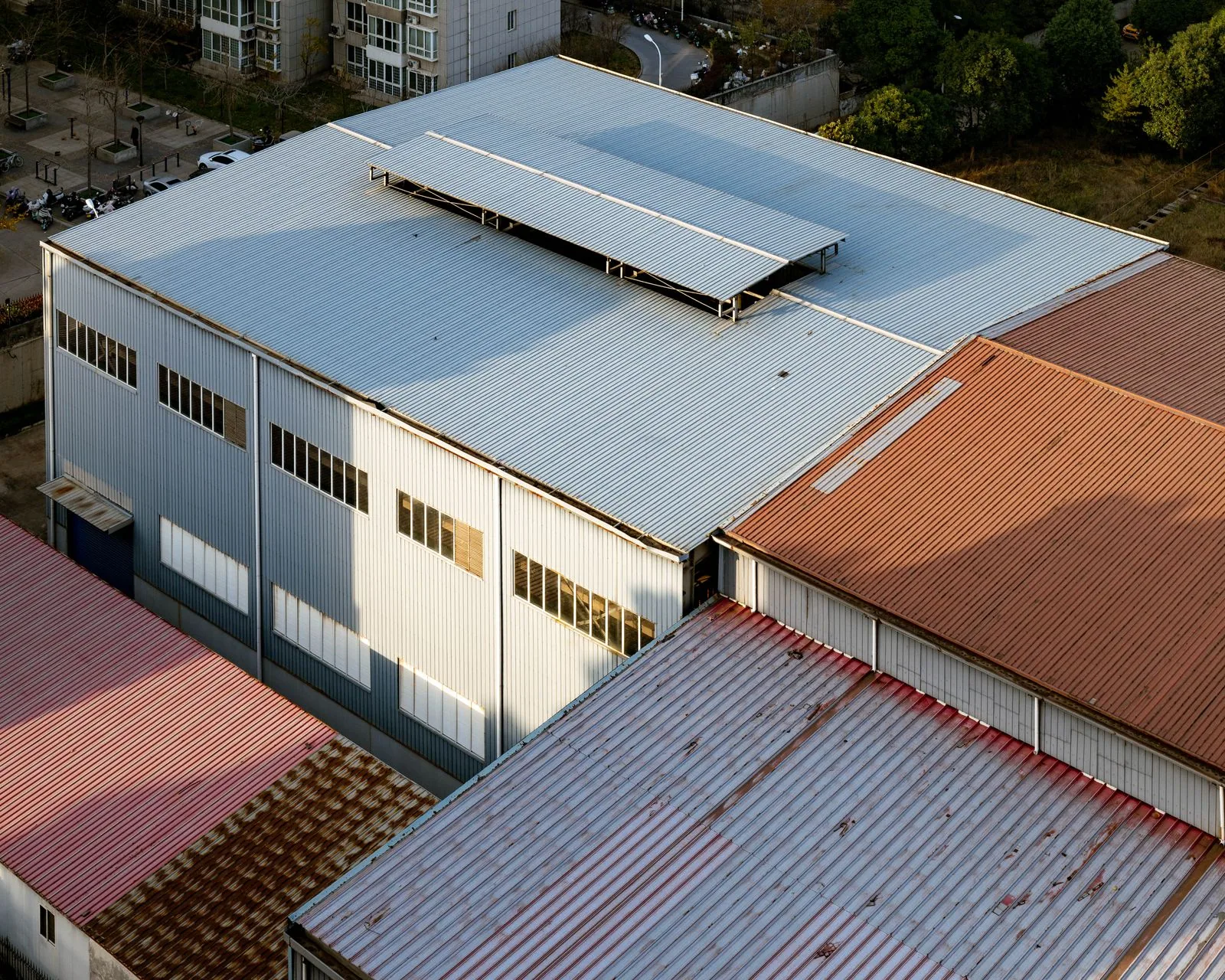
A loading-canopy joint changes the inspection route from the dock to the main distribution center roof. We check where that lower roof meets the primary field, then trace water toward drains, curbs, and wall transitions. Cambridge's climate guidance notes heavier precipitation and more frequent winter flooding, so we include overflow paths in the walk. North Cambridge's Massachusetts Avenue corridor runs toward Arlington, while Cambridgepark Drive has office and industrial uses; those are local access references, not evidence of a distribution building or its roof type. We confirm the actual assembly and coordinate the inspection around dispatch activity, then document repair boundaries and any test still needed.
Where should a distribution roof walk begin?
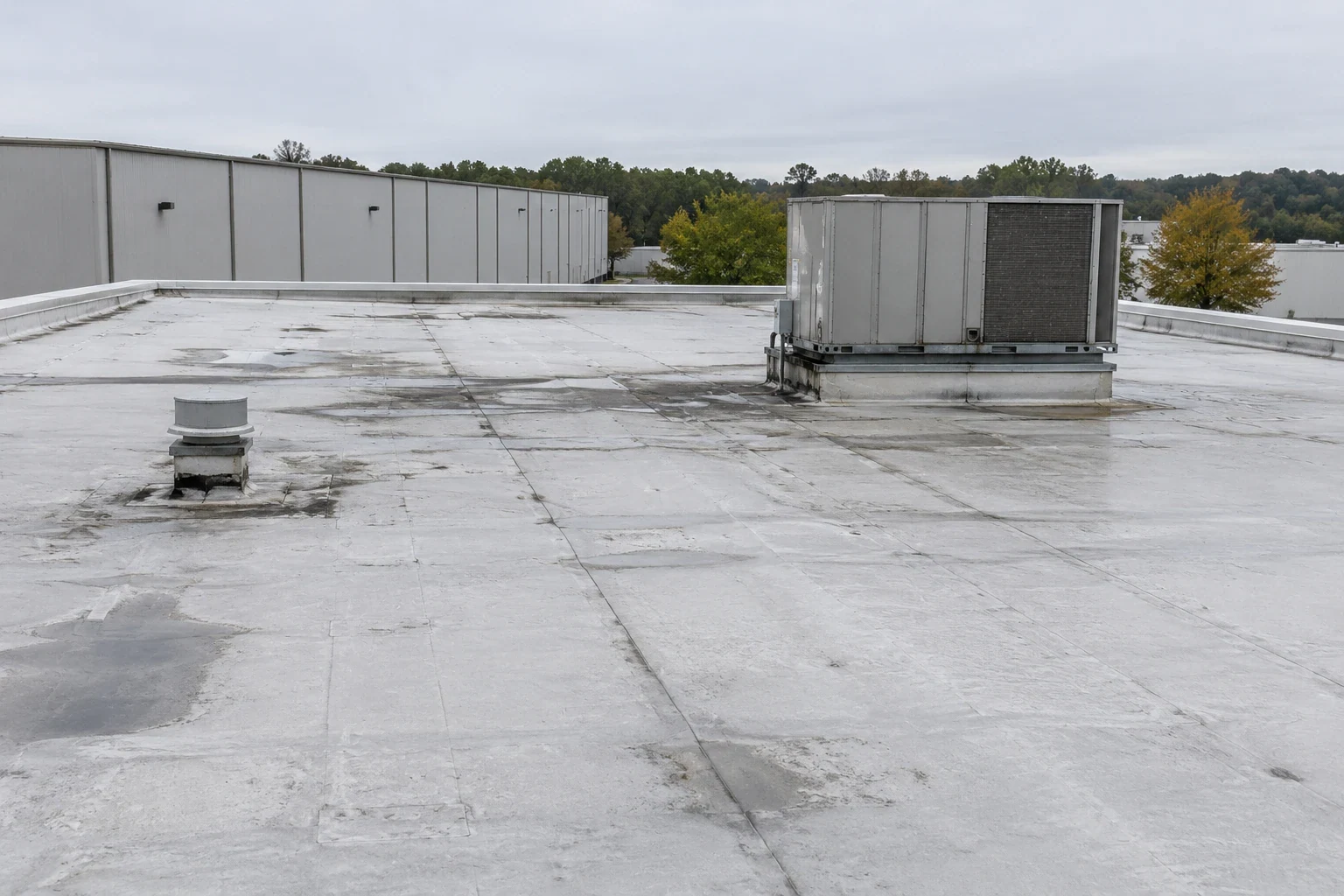
We start with the reported leak or maintenance item and compare it with the roof plan, interior area, and drainage layout. Long roof runs may cross several sections, so we label each drain, scupper, curb, seam, and edge transition instead of using one broad “warehouse roof” description. Where conveyor or sortation equipment penetrates the roof, we inspect the flashing and support detail independently. Photos show the point of concern and nearby reference features so a later crew can find the same location.
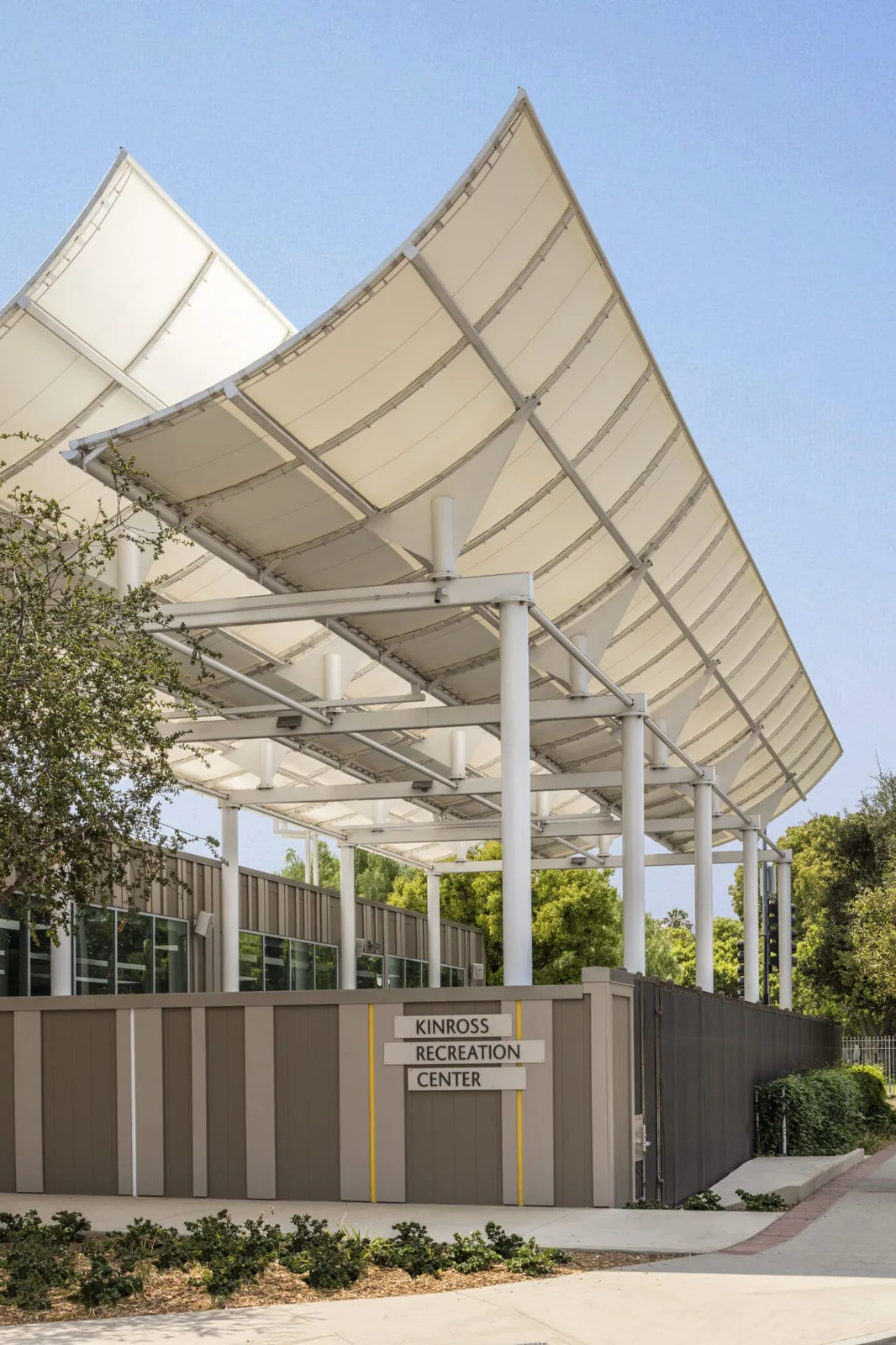
At dock canopies, we inspect the joint to the main roof, gutter connections, wall flashing, and downspouts. A roof condition walk can record these components alongside the interior report. If the service yard has a history of water at a door, a drain and scupper check traces whether roof discharge is reaching the intended route. A separate flashing assessment can define a canopy joint repair without extending the main-roof scope beyond the evidence.
Can a leak be contained without closing a dock?
Response starts by locating the active opening and protecting the affected space. Our emergency service is staffed around the clock, all week and on holidays, for urgent roof conditions. The first work can include a temporary weather closure, but a permanent scope requires inspection of the membrane, substrate, and connection that failed. We record which loading area is affected and what operating boundary the facility contact sets, then separate immediate stabilization from follow-up repairs.
A roof drain or wall intersection may be several bays away from the interior drip. We follow slope and transitions rather than assign the defect to the closest penetration by sight. Cambridge Crossing's redevelopment includes substantial commercial and residential space alongside dining and retail, which illustrates why truck access and occupied uses may coexist in this market. For a specific facility, the property manager confirms routing and service windows. A recover review can compare existing layers and moisture findings when repeated leaks prompt a wider capital decision.
Should the facility patch, recover, or replace?
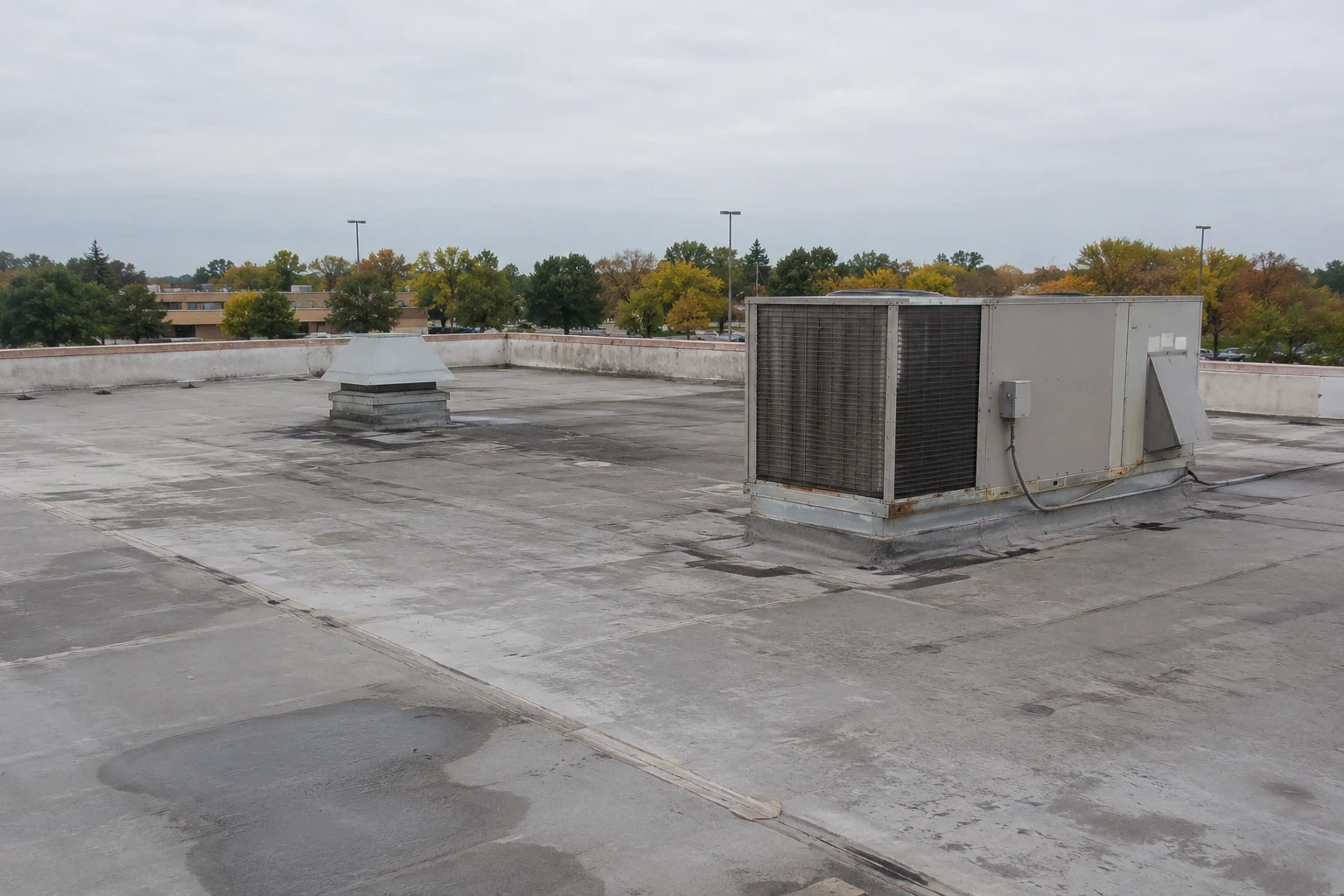
A small puncture or open seam can support a localized repair when surrounding materials are stable. Repeated leaks, wet insulation, deck concerns, or multiple failed transitions may point to a broader project. A recover adds another assembly layer only after we check attachment, layer count, drainage, weight limits, and heights at curbs and equipment. Tear-off exposes concealed construction but requires debris planning and a clear weather-tight sequence. We put those conditions and assumptions in writing for the owner to compare.
For a warehouse roof or a cold-storage roof, operational needs can differ even when the visible membrane looks similar. We identify current system type, insulation and deck condition, number of active leaks, drain performance, and access limits before choosing a path. A replacement evaluation can show removal, substrate work, and new transitions as separate scope items rather than treating one repair history as proof the entire roof must be replaced.
How can work follow the shift calendar?
We build a roof sequence from dock hours, order-pick windows, truck access, lift locations, roof hatches, and weather exposure. The work map shows which section opens each day, where the crew stages materials, and what temporary closure protects the building if conditions change. If equipment or ventilation must stay available, the property contact identifies the affected intake or service route. The field report records the actual end-of-shift boundary so operations and maintenance share the same picture.
The Cambridge city climate assessment identifies heavier storms and coastal flooding among local physical risks. For a distribution facility, we use that context to confirm that roof drains and overflow paths remain clear during the work, not to predict an incident at a named address. A shift-aware reroof plan can coordinate access, noise, egress, and notice with facility operations. On a property served from Cambridge Crossing's commercial district, the specific service entrance and laydown area still need confirmation from the building contact.
What should distribution managers receive?
The completed file should identify roof sections, work performed, material layers where verified, repairs at drains and curbs, test locations, and any excluded area. Dated photos need labels that align with the roof plan and the facility's maintenance log. We list changes found after opening the assembly and any work deferred pending owner direction. These records help managers compare recurring leaks with completed repairs without assuming the original source from the interior stain.
A roof condition record can keep the inspection findings, closeout images, and follow-up items together for the next budget review. Cambridge's winter guidance tracks more thaw-freeze swings and flooding, so drainage observations can be compared between visits. If loading operations changed during construction, we also note the access route and temporary closures used. The next maintenance walk can then target the same seam, canopy connection, or outlet rather than repeat the full site orientation.
At the end of each shift, distribution management should know which dock doors remained available, where material moved, and whether the roof section above inventory was closed. The work log records a section map, protection below, the person who accepted the handoff, and any area excluded because forklifts or stored loads blocked access. If the repair needs a larger opening, we establish how shipments or pallets will be protected before removal continues. Those notes make a return visit easier to schedule around receiving windows and help distinguish roofing work from a separate issue with dock seals, conveyors, or interior drainage.
Commercial Roofing Questions
Can roof work happen while distribution runs continue?
The facility's dock calendar and safety rules determine the work window. We can divide the project into roof sections, set daily closure points, and coordinate lifts and pedestrian controls. Weather and concealed conditions can change the sequence, so the site contact receives boundary updates.
How do you keep a dock canopy from directing water inside?
We inspect the roof-to-canopy joint, gutter, downspout, wall flashing, and discharge location as one water route. A failing joint may need a focused detail repair, while drainage issues need a separate correction in the scope.
Will a recover eliminate repeat leak calls?
A recover is considered only after testing and records show the existing roof can remain. We identify moisture, attachment, and edge-height constraints first. The new layer does not substitute for repairing an unresolved drain, curb, or deck condition.
What if a roof opening is active during an overnight shift?
Our emergency response is available at any hour, including holidays. We locate the opening, protect the affected area, and leave a documented temporary closure when needed. Permanent repair follows after the roof detail and substrate can be assessed.
What should I send before requesting a distribution roof survey?
Share the Cambridge address, roof plan, work shifts, dock and lift rules, reported condition, and access contact. A roof history or leak log helps connect interior reports with the right section, while inspection confirms the actual assembly.
Related Roofing Work
More Property Types We Roof
Browse every page in Property Types We Roof, or request a roof assessment and we will walk the roof with you.
Plan a roof inspection around distribution
Send the Cambridge property address, roof plan or system records, shift calendar, reported issue, access contact, and work window. We will map affected sections and document the repair or project sequence.