KEE Roofing in Cambridge, MA
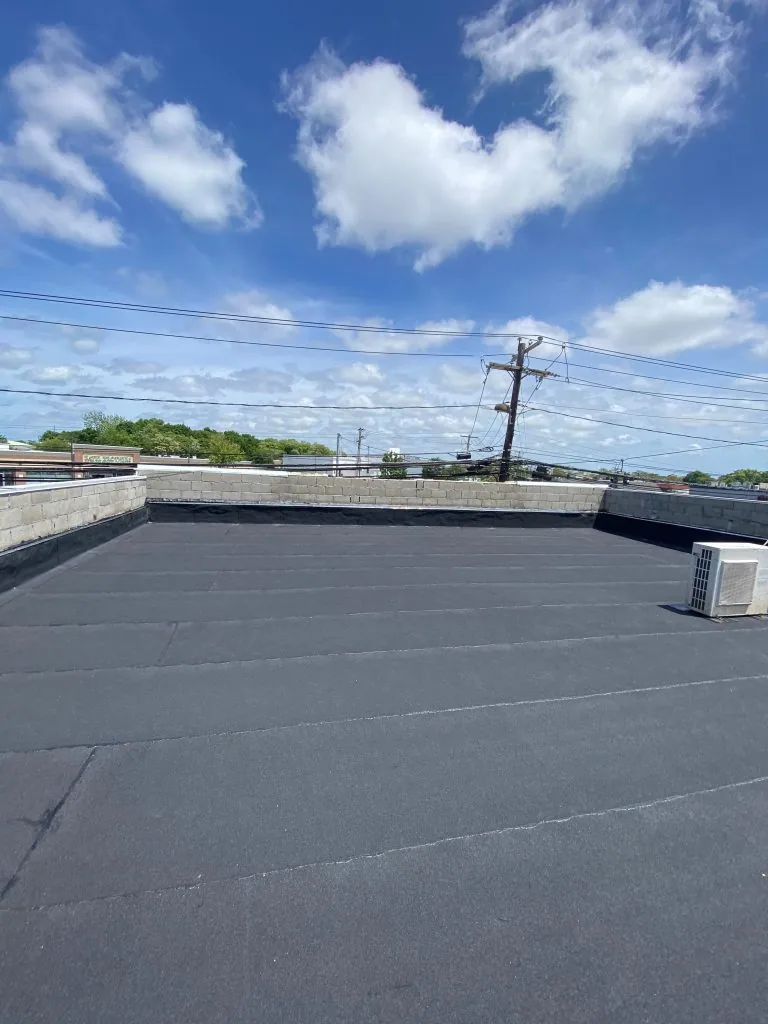
Inspect or repair commercial KEE roofing in Cambridge with attention to membrane identification, welded seams, flashing transitions, and exposure conditions.
A raised curb corner can conceal a KEE flashing lap where the field sheet turns up the metal. We inspect commercial KEE roofing in Cambridge, MA by checking the seam, curb height, membrane edge, and nearby drainage path before marking a repair boundary. Cambridge's growing research and life-science economy includes facilities around Kendall Square and the MIT campus. That context can make chemical exposure or equipment routes worth asking about, but it does not establish conditions at an individual roof. We confirm the installed system and any known exposure with the property team, then document the membrane details that can be inspected directly.
How do you identify a KEE assembly?
We start with roof records, product labels, and visible seam or flashing details. KEE is a PVC-based alloy membrane, but system identification should follow manufacturer documentation where it is available. Surface color or a prior repair does not establish the membrane formulation. If the record is uncertain, we identify what can be confirmed and whether a sample or material review is needed before choosing a repair product.
Seams are heat-welded, so we inspect weld continuity, T-joints, corners, and sheet transitions. At penetrations, we check the flashing, membrane termination, and any sealant that may hide an open lap. We also look for surface contamination and mechanical damage near service routes. A hands-on inspection can record the existing assembly and affected area, while repair work should use materials compatible with the identified membrane.
When might KEE be compared with other membranes?
KEE and PVC share thermoplastic, heat-welded seam construction, but formulations and product requirements can differ. A roof exposed to oils or other substances needs review against the specific product's compatibility information. We do not treat the KEE label as proof that every chemical exposure is acceptable. The owner or facility contact should identify the substance, location, and exposure pattern so the design team can confirm suitability.
For replacement, the property may compare PVC roofing, TPO membranes, or another assembly based on the deck, insulation, attachment, exposure, and operating needs. The Cambridge market includes more than 400 life-science firms by the City's 2024 report, but that business mix does not tell us what a specific building exhausts onto its roof. We inspect the actual system and ask for building-specific information before recommending material.
Which roof details determine the repair scope?
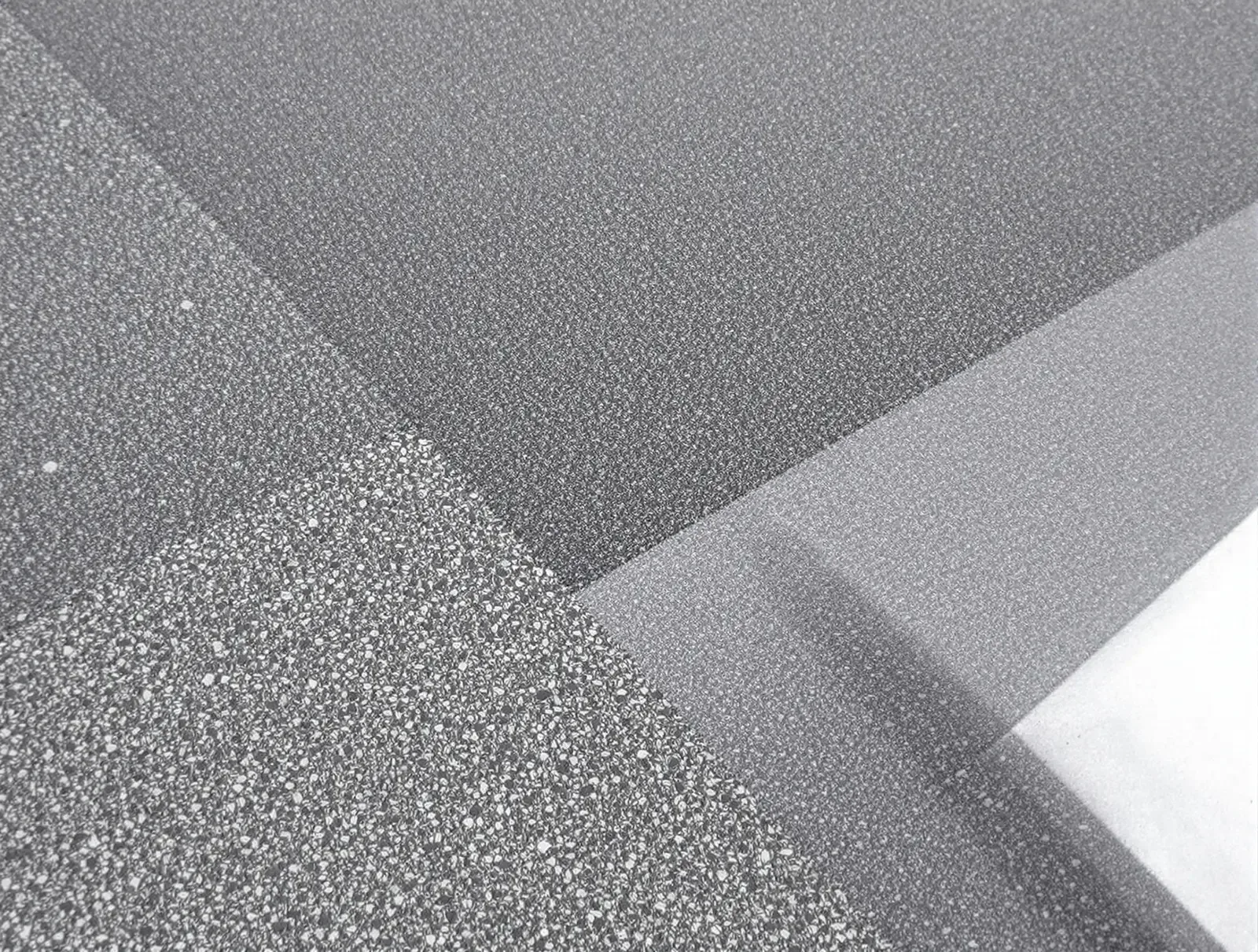
We examine seams, curb flashing, pipe boots, drains, scuppers, parapets, and edge metal as a connected assembly. A split near a drain can involve the bowl transition, while a lifted curb corner may relate to flashing height or movement in the equipment base. We note which details are secure and which need opening or testing. If the sheet is soft or a test opening finds wet insulation, the repair boundary can extend beyond the visible surface issue.
Cambridge reports heavier precipitation and more frequent winter flooding, so an outlet's condition should be part of the evaluation. At a Kendall Square property, we still identify the specific drain and roof section rather than assume a district-wide system. A drain and scupper review can address outlet details alongside a KEE flashing repair. Where concealed moisture is suspected, a moisture survey or test opening can help define the affected layer.
How is a KEE roof installed or replaced?
We confirm substrate acceptance, sheet layout, insulation, cover board, fastening or adhesive requirements, and perimeter details before installation. Welded seams are prepared and checked during the work. When the project documents call for sample weld checks, we record the test location and result before continuing across the roof field. A seam that does not meet the specified check is re-prepared and welded again, with the repaired location added to the section map. This provides a clear connection between the approved assembly, field installation, and closeout record. Curbs and penetrations are flashed with system-compatible details, while drains and edges are coordinated with the roof elevations. If the owner is considering a recover, we first verify that the existing assembly is suitable and that added height will not compromise the terminations.
Cambridge Crossing combines commercial and residential buildings with dining and retail uses. A reroof there may need a controlled lift route, tenant notices, and a phased dry-in plan, but the property contact confirms the actual rules. We set daily stop points and protect exposed areas if weather changes. A phased reroof plan can coordinate access and operations, while a cover-board scope records the substrate and protection layer under the KEE membrane.
What belongs in the KEE roof record?
Closeout photographs show the KEE field seams, curb corners, penetrations, drain details, and edge terminations by roof section. The record identifies how the membrane was confirmed, which product documents were used, and what preparation or repair was completed. Test openings, moisture findings, and areas left untested appear as separate entries. We note exposure information supplied by the owner without generalizing it to unrelated roofs.
For a building near MIT or Cambridge Crossing, the report should use the property address and exact roof label. A condition report can preserve seam and flashing photographs for future inspection. That lets a later crew compare the same locations and follow up on any test result instead of treating the membrane type as a complete condition record. Before the final walk, we verify that temporary protection is removed from outlets, that the curb and penetration transitions are visible in the photo set, and that any restricted area is listed as uninspected. We also preserve the approved product detail used at the field weld and the repair limit accepted by the owner.
The closeout should identify what was confirmed as KEE membrane and which repair details were completed on that assembly. We note whether seams were welded, how flashing tied into the field sheet, and whether the repair involved an older membrane or a later addition. If the product identity is not established, the report describes the visible sheet and leaves product confirmation open rather than relying on color. Photos show corners, T-joints, terminations, and repairs with the section reference. A later roof walk can then tell whether movement occurred at the same edge or whether a new condition appeared somewhere else. The repair file should retain any product documentation used to select compatible materials.
Commercial Roofing Questions
Is KEE the same as PVC?
KEE is a PVC-based alloy membrane, but system formulations and requirements can differ. We confirm the installed product from records or suitable material review before selecting repair materials or comparing replacement options.
Can KEE be heat-welded?
Thermoplastic KEE seams are heat-welded using conditions and procedures appropriate to the specified product. We inspect and prepare the seam, check the weld, and document any repair before closeout. Test conditions and results are recorded with the section location for later reference.
Does KEE resist every rooftop chemical?
Compatibility depends on the particular product and the chemical, concentration, temperature, and exposure duration. We request the facility's exposure information and review it against the product documentation before making a system recommendation.
Can you patch an older KEE roof?
A patch can work when the membrane is identified, the surface is stable, and compatible material can tie into the existing sheet. We inspect seams, moisture, and adjacent flashing first. If the assembly is deteriorated, a broader scope may be needed.
What should be checked before installing a recover?
We review existing layers, moisture, attachment, drain elevations, curb height, and edge transitions. The added assembly must remain compatible and leave drainage and flashing details workable. Test openings can confirm the layers at selected locations.
Related Roofing Work
More Roof Systems
Browse every page in Roof Systems, or request a roof assessment and we will walk the roof with you.
Confirm the KEE system before repair
Send the Cambridge address, product records if available, suspected exposure, roof plan, reported condition, access contact, and work window. We will inspect seams and details and document compatible repair or replacement considerations.