Commercial Roof Coating Restoration in Cambridge, MA
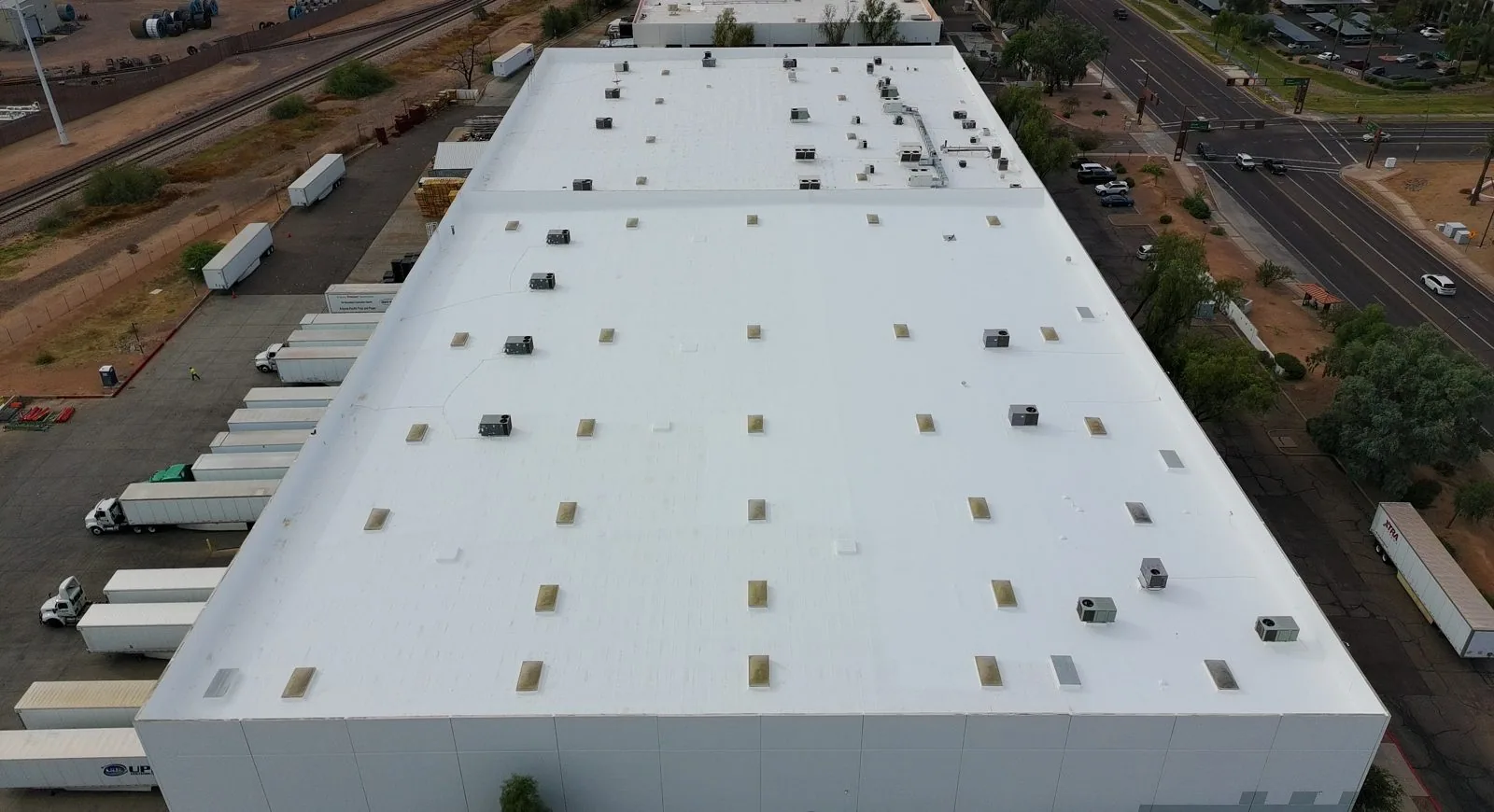
Assess coating restoration for a sound Cambridge roof. We check substrate, seams, drainage, preparation, and repairs before application.
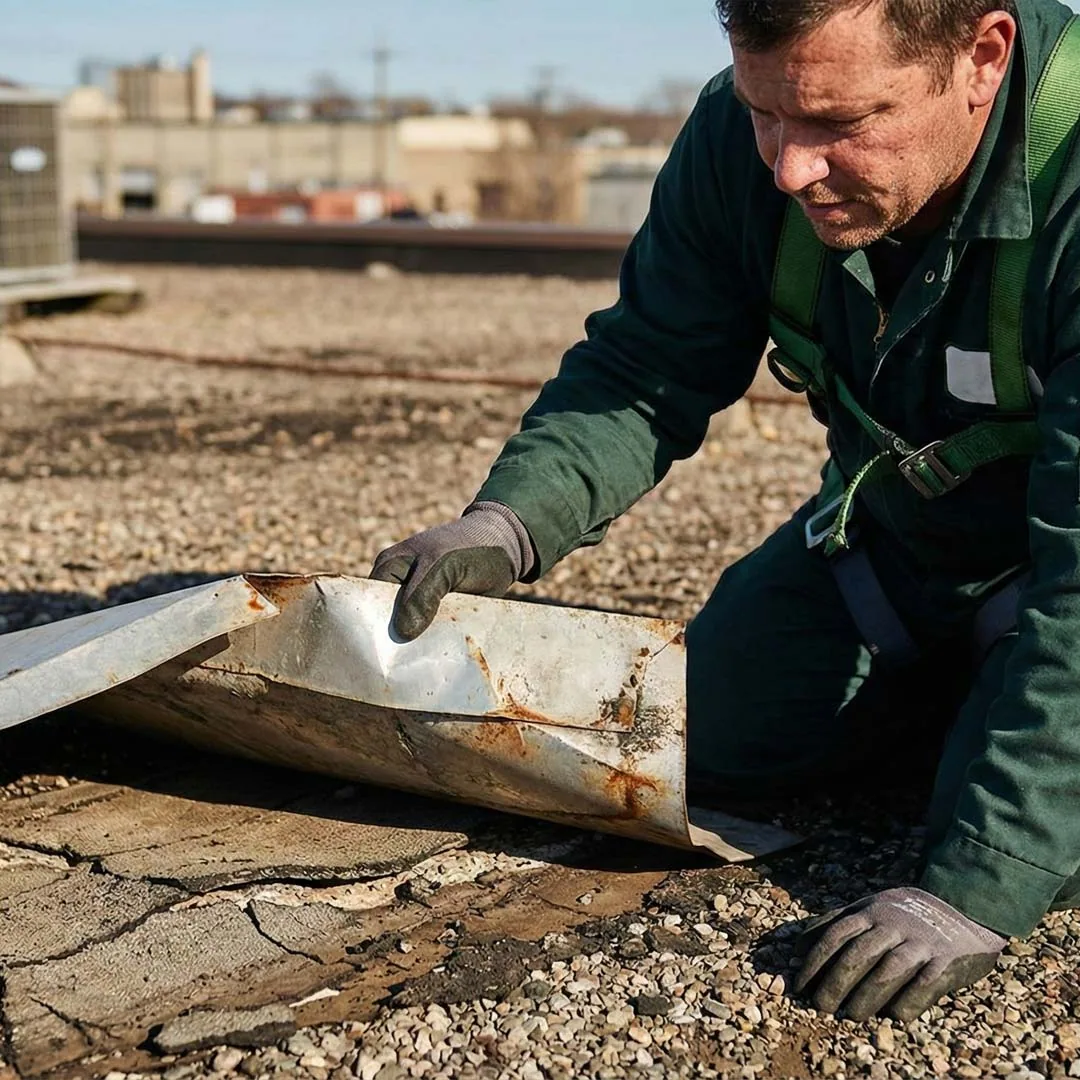
A coating cannot bridge a loose seam or correct water trapped below the membrane. For roof coating restoration in Cambridge, MA, we first inspect the existing roof and confirm whether its surface and details can accept a coating system. The review covers adhesion, wet areas, repairs, drainage, penetrations, and the edge transition. Cambridge planning identifies heavier precipitation and more intense storms among local risks, so drain bowls and overflow routes remain part of the scope. A research facility near Kendall Square or a mixed-use building at Cambridge Crossing may have different access conditions, but the existing roof determines the preparation. We mark repairs and test areas before recommending application, and we explain where coating is suitable and where removal or replacement is the better direction.
What makes a roof a coating candidate?
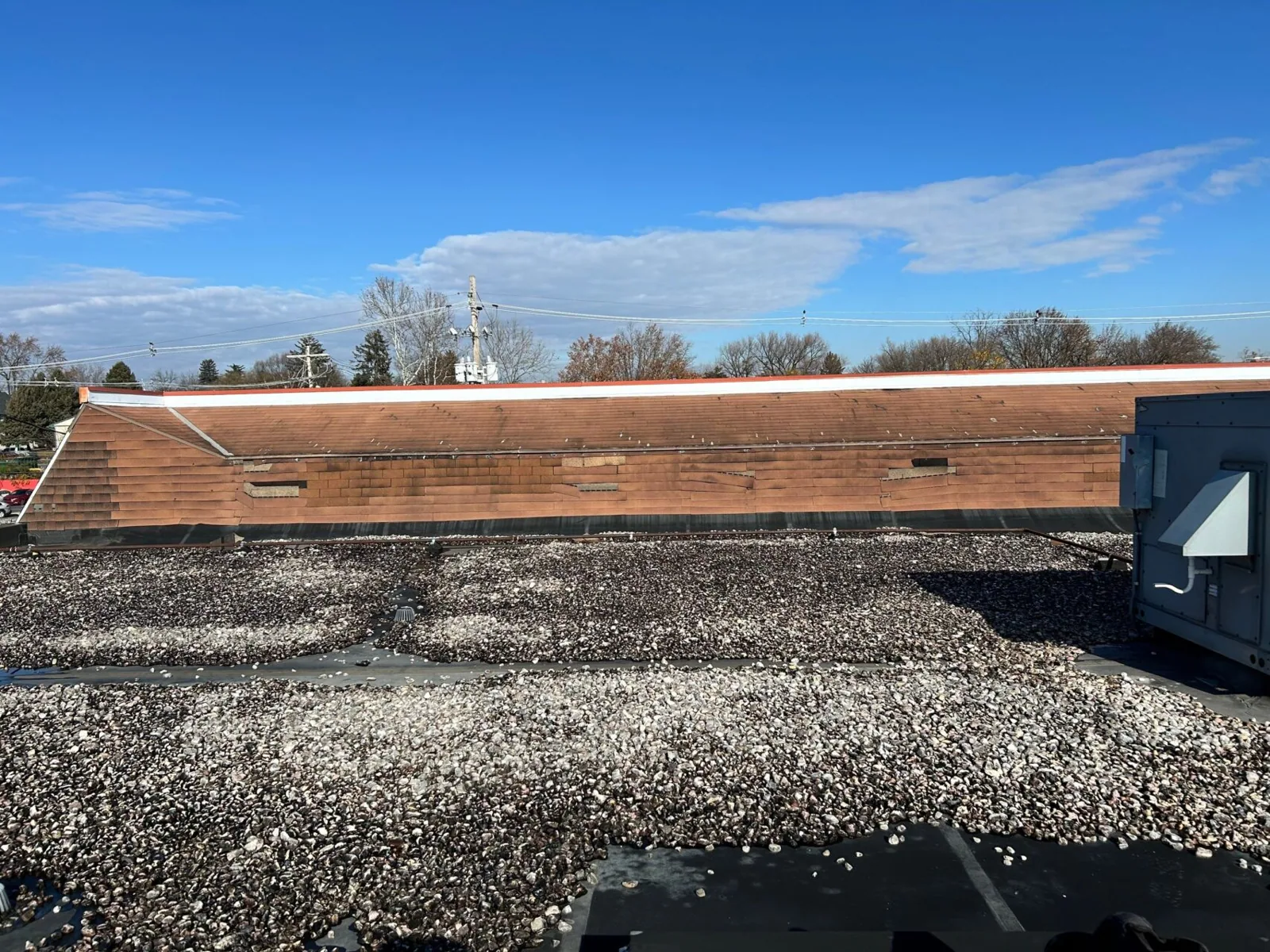
The substrate needs to be stable, dry enough for the selected system, and compatible with the coating. We inspect the membrane or metal, check for loose seams and flashing, locate ponding, and review prior repairs. A test area may be needed to confirm adhesion or compatibility. If the roof has soft areas, widespread blisters, saturated insulation, or a failing deck, a surface coating does not remove those conditions. We identify them before pricing restoration so the scope is based on the assembly rather than the appearance of the top layer.
Drains, scuppers, curbs, skylights, and parapets must be resolved before coating is applied. Coating can change how water moves around a detail, but it cannot fix an undersized or obstructed outlet. We check drain bowls and overflow paths, then note any repair, slope correction, or detail rebuilding required. A commercial roof inspection can establish the baseline, while an infrared moisture survey may help locate areas for confirmation when the roof and weather conditions support meaningful readings.
Which coating system fits the surface?
Silicone, acrylic, and other coating systems differ in water exposure tolerance, application conditions, and compatibility. We identify the existing roof material and confirm the proposed coating manufacturer’s requirements for preparation, primer, reinforcement, and dry film thickness. A product is not selected by color or by a generic promise of service life. The scope should explain how seams, penetrations, repairs, and terminations will be prepared, and what conditions would stop the work.
Metal roofs require attention to fasteners, panel laps, corrosion, and movement before coating. Membrane roofs may need cleaning, seam treatment, reinforcement, or replacement of damaged sections. If the substrate needs full exposure or significant insulation replacement, compare coating with roof replacement rather than adding a finish over unresolved layers. A silicone coating system may suit some surfaces after inspection, while acrylic is another option where the roof, drainage, and application conditions fit its requirements. We identify the basis for the selection in the proposal.
How are drainage and roof details handled?
Coating work must leave drains, scuppers, expansion joints, and equipment details functional. We identify drain bowls, strainers, and overflow points before surface preparation, then protect openings from debris and coating material. At a curb, we inspect flashing height and termination before reinforcing or coating the transition. At parapets and metal edges, the field sheet notes loose joints, corrosion, or movement that needs a separate repair. The coating should not conceal an open defect or block an outlet.
The City's winter guidance describes heavier precipitation and more frequent flooding in Cambridge. That makes drainage review material to restoration planning, especially when coating is proposed across a broad field. At Alewife, municipal resilience planning identifies relatively higher future flood risk; we keep that exact location context separate from the condition of any one building. If the drain or overflow arrangement needs correction, we can include outlet repairs, coordinated with the coating edge, flashing, and roof slope. The scope records which outlet paths were checked before application.
What does application require?
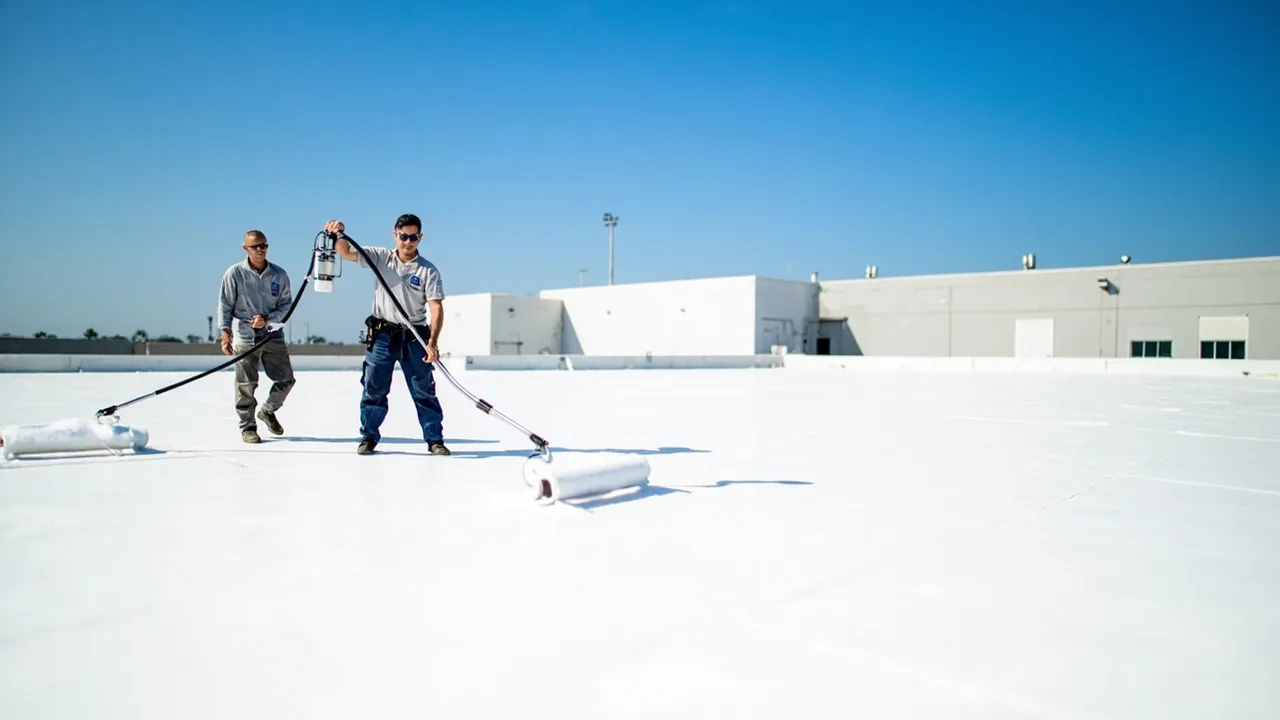
Application starts after the roof is clean, prepared, and dry within the system requirements. We complete authorized repairs, protect drains and air intakes, stage materials, and establish work zones that can be closed if weather changes. Surface preparation may include cleaning, removal of unstable coating, priming, and reinforcement at seams and transitions. We confirm the application window with the property contact and stop if moisture, temperature, wind, or precipitation falls outside product requirements.
Kendall Square combines research, housing, hotels, shops, and restaurants. Cambridge Crossing includes commercial, residential, dining, and retail uses. Those district mixes make lift locations, service routes, odor controls, and tenant notices specific to each building. We coordinate access and protect sensitive equipment based on information from the property team, and we define the daily limit so the roof can be left in a weather-ready condition. If the work is on an occupied property, a building operations plan can set the access window and tie-in sequence before the first coating pass.
What should the restoration record show?
The closeout identifies the substrate, preparation steps, repairs, coating product and coverage by roof section, and conditions observed during application. Photographs show representative seams, curbs, drains, edges, and completed field areas. We note any surface or detail excluded from the application so a later inspection does not assume the entire roof received the same treatment. The record also captures product documentation supplied for the project and any follow-up inspections the owner requested.
At a Cambridge Crossing property, the report should identify the specific building and roof section within the larger mixed-use district. The same approach applies to research and institutional facilities around Kendall Square, where adjacent buildings do not share a roof assembly by default. We can place the completed photos in a roof condition report and use them as the baseline for future maintenance visits.
The restoration record should show how the surface was accepted before coating began. We note cleaning, removal of loose material, repair of open seams, reinforcement at transitions, adhesion tests, and any substrate that remained outside the approved scope. The application map identifies the sections coated and the edges tied into walls, curbs, drains, and existing membrane. If moisture or soft insulation was found, the file states whether that area was removed or excluded rather than hiding the question under a new finish. Dated photographs of preparation and completed work help the next inspector tell where coating was applied and whether a later crack follows an old detail.
Commercial Roofing Questions
Can coating go over a roof with ponding water?
The cause and extent of ponding need review before a coating is selected. A coating may be compatible with some moisture exposure, but it will not correct a low slope or blocked drain. We document the water path and determine whether drainage work is needed first.
How do you confirm coating adhesion?
We review the existing material and coating requirements, then perform a test area when needed. The record identifies the surface preparation, primer or reinforcement, and test result. If the roof cannot provide a stable bond, we revise the recommendation.
Does coating eliminate the need for roof inspections?
No. The restored roof still needs periodic checks of drains, edges, seams, penetrations, and coating condition. We preserve the application record so later maintenance can compare the same sections and identify damage or separation.
Can a coating be applied over wet insulation?
A surface coating does not dry or remove concealed wet insulation. We identify suspected areas and recommend suitable confirmation. If testing shows moisture or deck damage, the scope should address those materials before the roof is coated.
What can delay a coating project?
Rain, dew, unsuitable temperature, wind, surface contamination, and incomplete detail repairs can prevent application under the system requirements. We establish the work window and daily stop points so the crew can protect the roof if conditions change.
Related Roofing Work
More Commercial Roofing Services
Browse every page in Commercial Roofing Services, or request a roof assessment and we will walk the roof with you.
Check the substrate before restoration
Share the Cambridge property address, roof assembly records, previous coatings or repairs, drainage concerns, and access contact. We will inspect the roof, identify preparation and detail work, and document whether a coating system is suitable.