
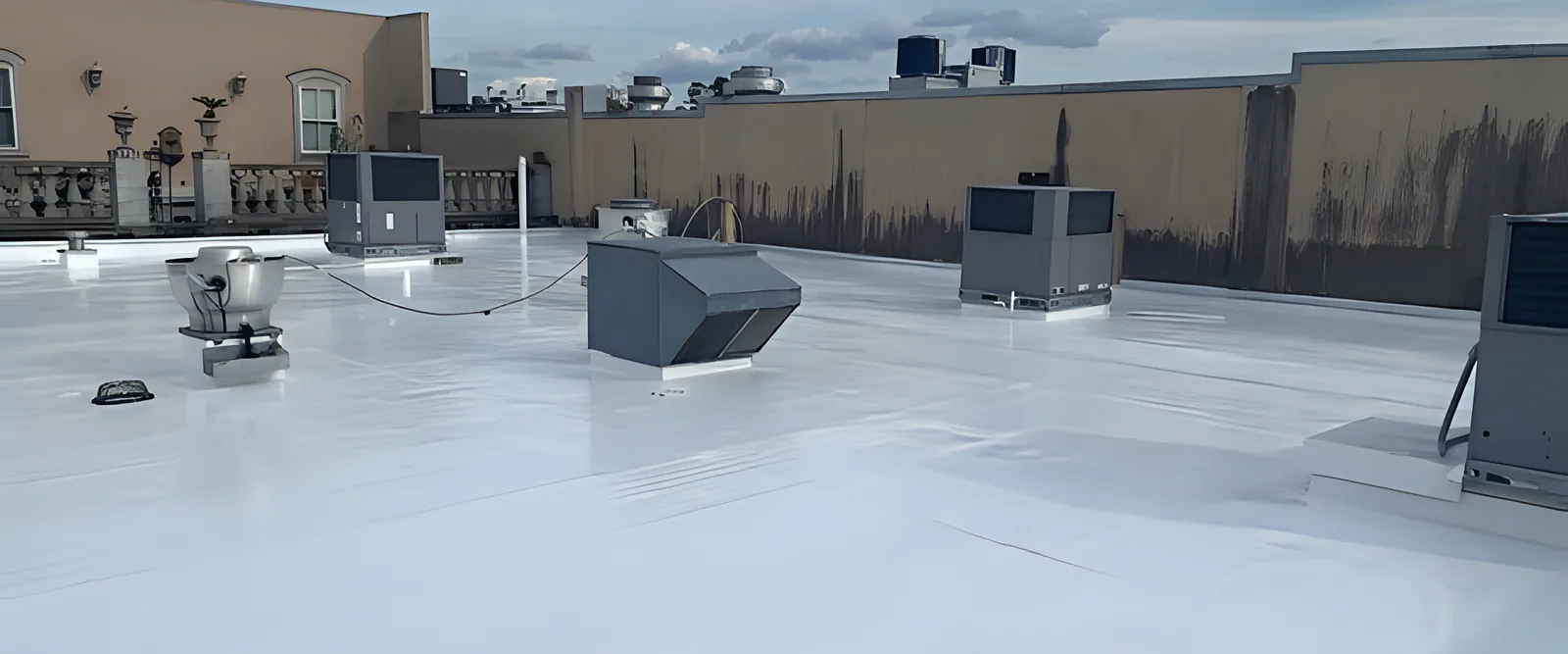
Commercial Roof Drains and Scuppers in Cambridge, MA
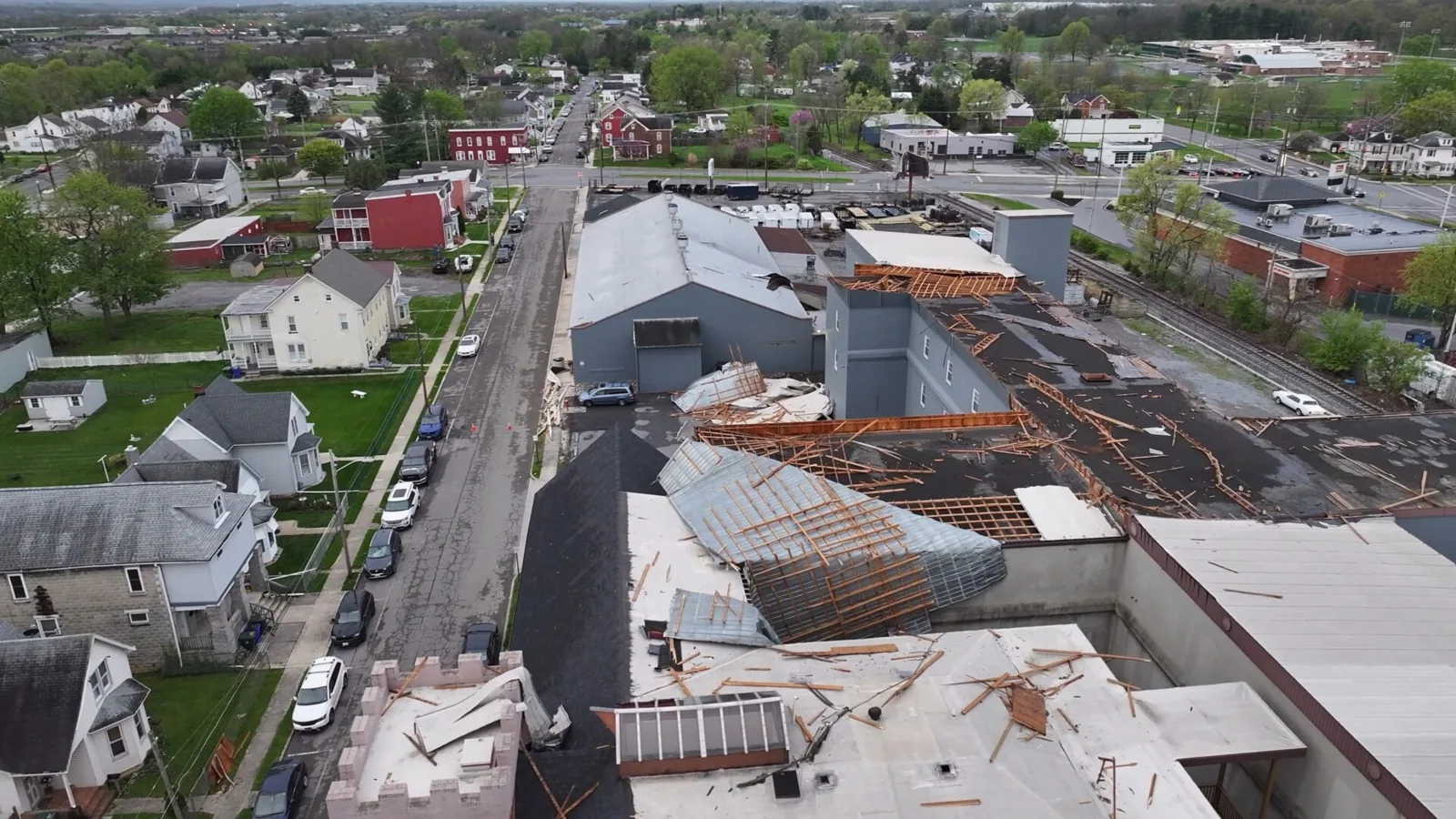
Correct commercial roof drainage in Cambridge with drain, scupper, overflow, cricket, and ponding review tied to the roof's elevations and membrane details.
A drain bowl set below a raised membrane can leave water stranded at the transition. We inspect commercial roof drains and scuppers in Cambridge, MA by tracing each low point to its outlet, overflow, and surrounding membrane. The City reports heavier precipitation and more frequent flooding in Cambridge winters, so the drain path needs to be part of a roof's service record. Alewife has a city-identified higher flood-risk context for future scenarios, while Kendall Square includes dense research and mixed-use properties. Those market facts guide attention to access and discharge, but the actual roof elevations and outlet condition set the repair. We map the bowl, strainer, cricket, scupper, and downstream route before recommending correction.
Where does water collect?
We note ponding by location and compare it with drain bowls, scuppers, overflow outlets, roof slope, and nearby obstructions. Leaves or loose material can block a strainer, but a recurring low area may also reflect a depression, settlement, or a change in roof elevation. The field sheet records how far water extends, which sections drain toward the outlet, and whether an overflow path appears open. We do not treat one shallow puddle as a defect without considering the assembly and time since rainfall.
At a drain, we inspect the bowl, clamp or connection detail, membrane termination, and surrounding flashing. At a scupper, we check the throat, edge metal, opening, and discharge beyond the wall. A blocked primary outlet can leave the secondary route carrying water; a sealed or obstructed overflow removes that backup path. If the roof plan is incomplete, we label each outlet and confirm the labels with the property contact. A roof inspection can record these conditions along with nearby seams, curbs, and equipment supports.
Is the outlet or the roof slope at fault?
Water that remains after nearby drains are cleared may point to more than a blocked bowl. We review the roof plane, cricket direction, outlet elevation, and any added roof layers that could have raised the surface. If the drain sits too high for the surrounding membrane, water may not reach it. If the low area is remote from an outlet, adding sealant at the bowl will not change the grade. The report separates a maintenance obstruction from a condition requiring slope correction or design review.
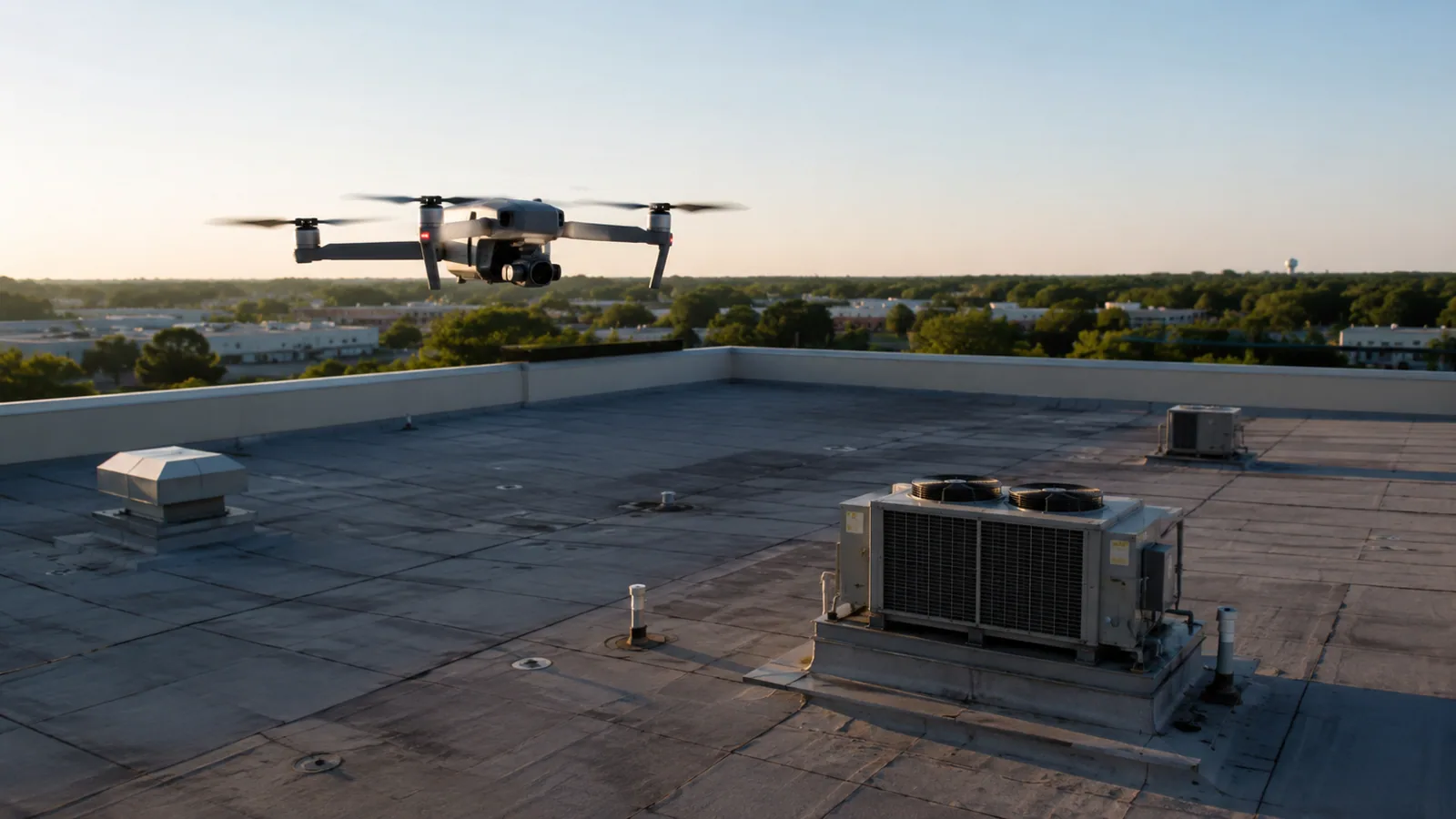
Cambridge's winter guidance describes heavier precipitation and more thaw-freeze swings. Those conditions make repeated ponding and outlet maintenance useful items to track, but they do not establish a failure at a particular roof. The City identifies Alewife as an area with relatively greater future flood risk; the building's actual drainage network still determines the repair scope. We document existing flow paths and any evidence of standing water at curbs or terminations. When trapped moisture is suspected, an infrared survey may help identify areas for test openings under suitable conditions.
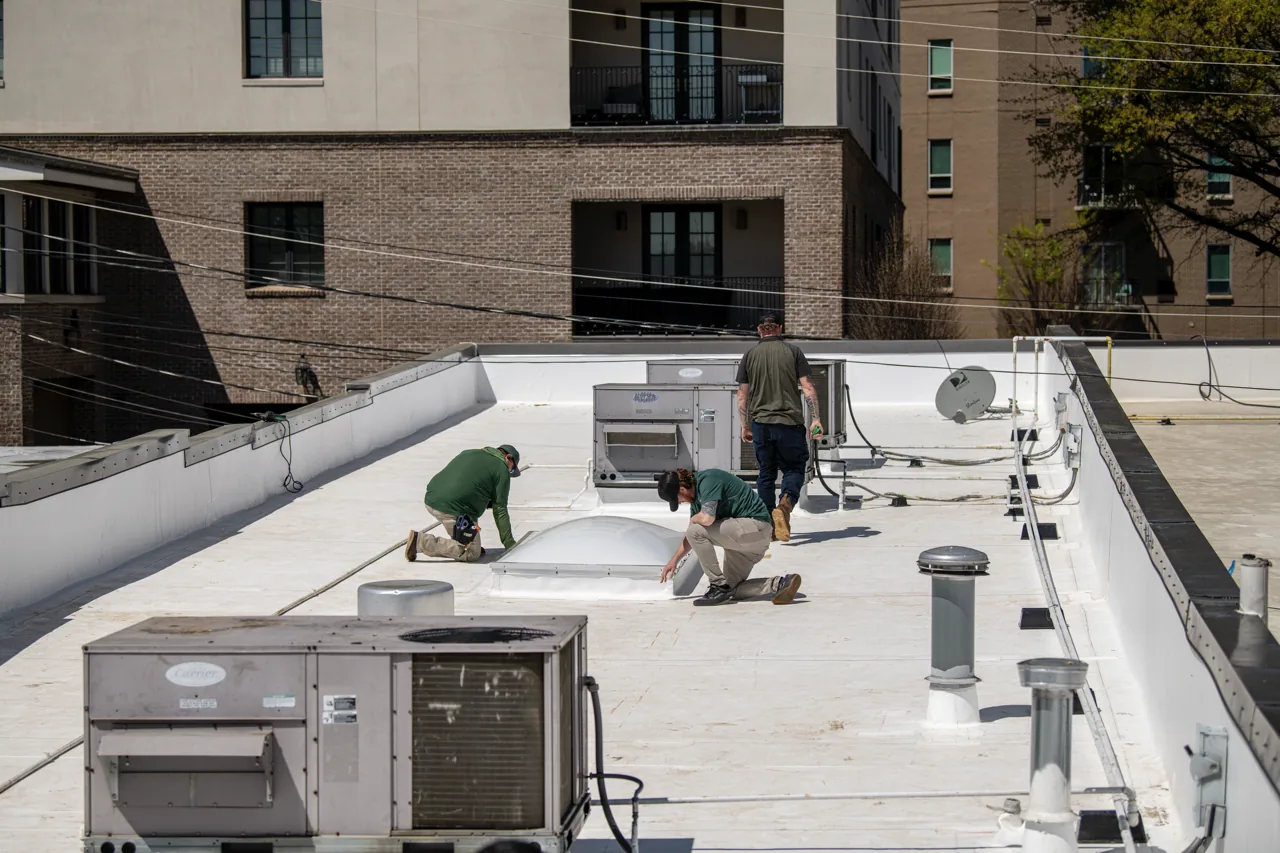
Which correction fits the drainage detail?
Maintenance may be enough when debris blocks an otherwise sound bowl or strainer. A damaged membrane transition, loose drain clamping detail, rusted scupper, or deteriorated downspout connection requires a repair that restores the drainage assembly. We identify whether work includes clearing, membrane removal and reset, bowl replacement, scupper rebuild, overflow modification, or coordination with plumbing. The proposal records the roof-side work and notes any downstream condition outside the roofing scope.
Crickets and tapered insulation can help direct water toward a drain, but their layout has to fit the roof field and equipment. We check whether an existing cricket diverts runoff or creates a trapped pocket. Adding a roof layer also raises the finished surface, changing bowl depth and overflow height. A recover or replacement proposal should include drainage details before quantities are finalized. If the roof needs a new slope plan, tapered insulation and cover board can form part of the correction. For related edge discharge, we may scope gutters and downspouts with the scupper or coping work.
How is drainage work staged?
Before opening a drain or scupper detail, we confirm the roof section, interior area below, access route, and weather window. Temporary protection may be needed if the outlet is removed or the membrane is cut. We stage materials and debris control so nothing enters the drain line, then protect the bowl and overflow while nearby roofing work proceeds. When the repair is complete, we verify the membrane transition and remove covers or debris that could block flow.
Cambridge Crossing includes commercial, residential, dining, and retail spaces, so deliveries and public entries can affect the route to the roof. At a property in Alewife, the city-identified flood context makes it especially useful to include outlet and overflow locations in the service record. We confirm the actual property contact and any roof access restrictions before work starts. A repaired outlet is photographed with enough context to connect it to the corresponding plan label.
What should the drainage record preserve?
The report lists each drain and scupper by roof section, the obstruction or failure found, the repair performed, and any test or follow-up needed. Photographs show the bowl or opening, membrane tie-in, overflow, and downstream side where visible. If the work addressed only a blocked strainer and not a low roof section, the record says so. That distinction helps avoid repeating the same clearing visit when the actual concern is ponding caused by elevation.
For owners managing commercial buildings around Kendall Square and Central Square, consistent outlet labels let maintenance staff compare photographs across visits. We can add the findings to a roof condition report and include repeated ponding in a maintenance program. A repair to a drain or scupper should remain connected to the surrounding seam, edge, and roof section record so a future leak visit can see what changed.
A drainage record should identify each outlet by roof section, show the direction water takes toward it, and note the condition of the bowl, strainer, overflow, and membrane connection. We distinguish debris cleared during maintenance from work that changes the outlet, slope, or piping. If a scupper was not flowing during a dry visit, the report states that limit and avoids describing it as tested under rainfall. Photos should include the outlet and the surrounding low area so later staff can compare water marks or changes in elevation. This gives the owner a more useful basis for approving correction than a note that simply says the drain was checked.
Commercial Roofing Questions
How deep can standing water be before it needs correction?
The roof's design, drainage time, outlet locations, and observed pattern matter more than one isolated measurement. We map the ponded area and identify whether a blocked drain, low section, or slope condition is involved before proposing correction.
Will clearing the drain stop recurring ponding?
It can when debris is the cause and the roof slopes correctly to the outlet. If water remains after the bowl is clear, we check the drain elevation, crickets, and roof plane. The repair should follow the cause shown by the field review.
Why does a roof need an overflow if it already has drains?
A secondary outlet provides another path if the primary drain is obstructed or cannot carry water. We inspect whether the overflow opening is clear, set appropriately, and able to discharge without damaging the wall or edge detail.
Can a new roof layer make drainage worse?
An added layer raises the roof surface and can change the height relationship between membrane and drain bowl. The proposal needs to account for bowl extensions, overflow height, and edge transitions before the new assembly is installed.
Do you repair downspouts below the roof?
We can document the visible route and coordinate roofing work at gutters, scuppers, and roof transitions. Plumbing or underground drainage beyond the roofing scope may need a separate trade, which we identify in the closeout notes.
Related Roofing Work
More Commercial Roofing Services
Browse every page in Commercial Roofing Services, or request a roof assessment and we will walk the roof with you.
Map the outlet and overflow path
Share the Cambridge property address, roof plan, locations where water remains, and access contact. We will inspect the drains, scuppers, crickets, overflow, and surrounding membrane, then document the correction needed.