EPDM Roofing in Cambridge, MA
Inspect, repair, or replace commercial EPDM roofing in Cambridge with review of seams, flashing, attachment, punctures, and drainage by roof section.
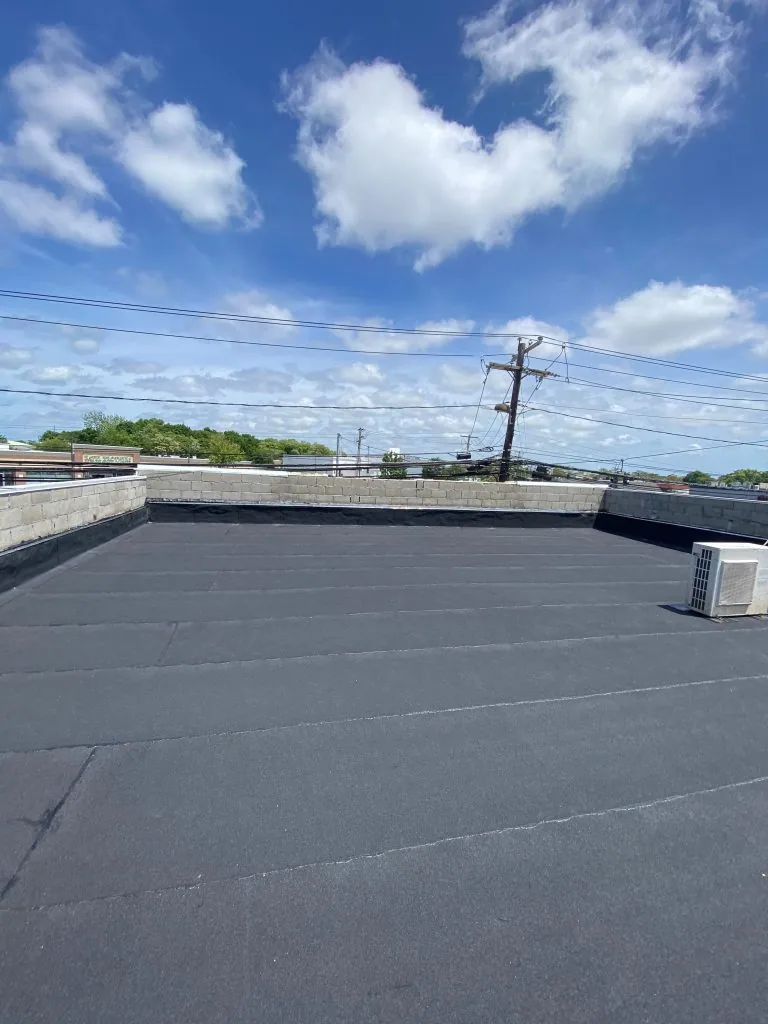
An EPDM lap near a drain can open where the sheet turns around the bowl. We inspect commercial EPDM roofing in Cambridge, MA by checking the seam system, flashing, attachment, and the path water follows across each section. Cambridge's winter guidance reports more flooding and heavier precipitation, which makes the drain and overflow connection worth documenting alongside the membrane. Central Square has city offices, transit, retail, and commercial uses, while Harvard Square brings university and district uses together. Those facts shape access planning, not the diagnosis. We identify the roof assembly from records and visible details, then recommend a compatible EPDM repair or broader scope based on the tested condition.
What should an EPDM seam review include?
We check seams for separation, contamination, edge curl, loose tape or adhesive, and movement at corners and T-joints. EPDM details use seam products suited to the rubber membrane rather than a heat-welded weld bead. We inspect the surface preparation and lap width where visible, then probe suspect areas when appropriate. At a wall or curb, the review follows the sheet to the flashing termination and records how it joins the field membrane.
Small punctures, cuts, and scuffs need separate classification. A repair patch may be possible if the surrounding sheet remains sound and clean, but a patch over loose material can fail at its edge. We identify the affected area and any nearby moisture concern before preparing the repair. A hands-on roof inspection can map seam and flashing conditions, while a repair visit can address confirmed openings under an approved scope.
How does EPDM compare with TPO and PVC?
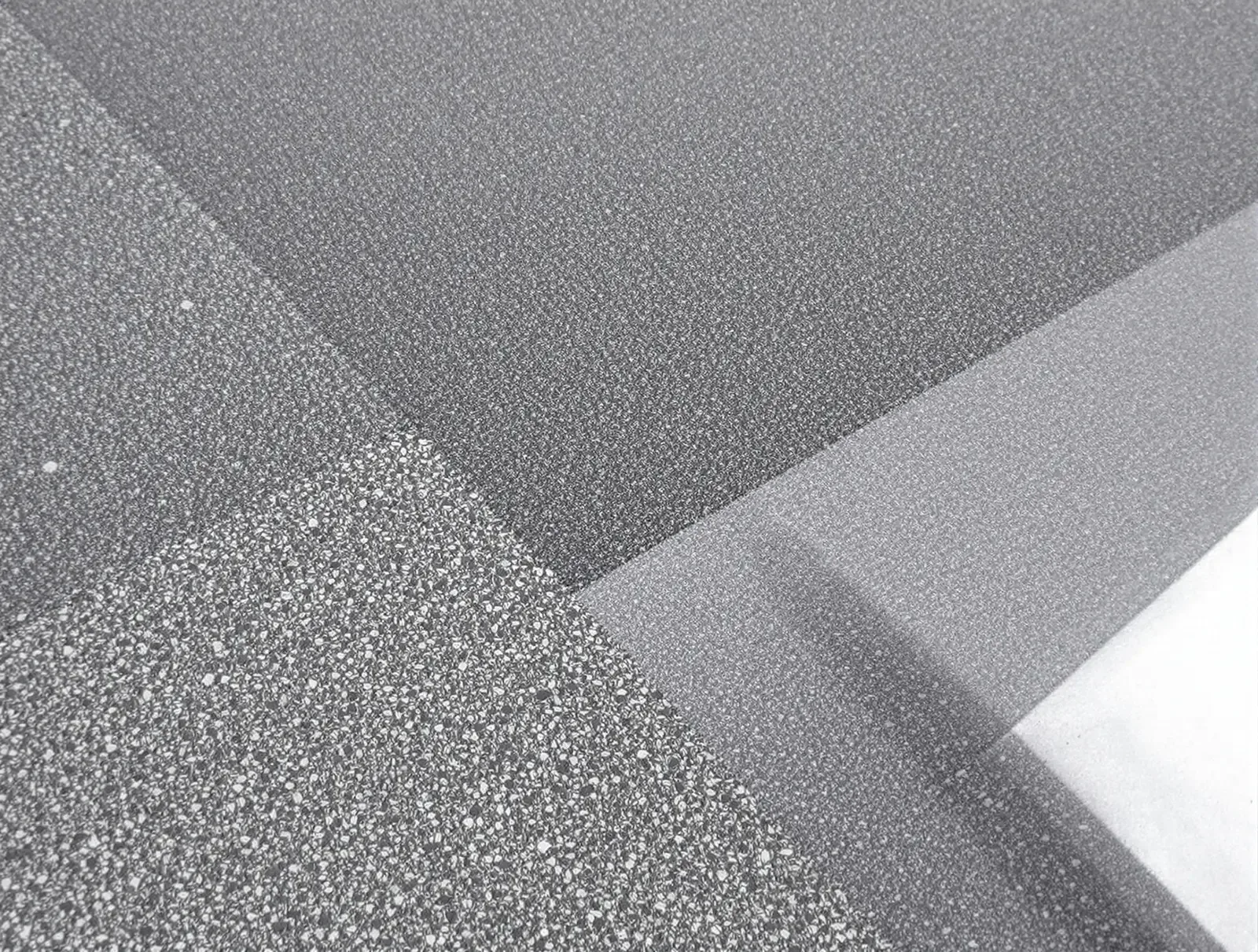
EPDM is a rubber membrane whose seams and flashing rely on compatible tapes, adhesives, primers, and repair pieces. TPO and PVC use heat-welded field seams, which changes how a crew prepares and checks a repair. We identify the installed system before selecting materials because a patch made for another membrane can create an incompatible transition. Color is not enough to confirm a roof type, especially where older repairs or coatings cover the surface.
When replacement is under review, we compare the existing deck and insulation, attachment method, roof geometry, edge conditions, and building use. A TPO option or PVC system may be compared with EPDM, but selection follows project design and compatibility requirements. At a Central Square property, city and retail uses do not determine the roof assembly, so we base the recommendation on the building's actual field conditions.
Where do EPDM details need reinforcement?
Transitions at drains, skylights, pipe boots, curbs, parapets, and metal edges concentrate movement and water exposure. We inspect the flashing material, termination, corners, clamps, and sealant together. At a drain, the sheet must connect securely to the bowl and leave the opening clear. At a curb, the flashing needs a stable surface and enough height to terminate above the roof. The field record notes any detail that requires rebuilding instead of a surface patch.
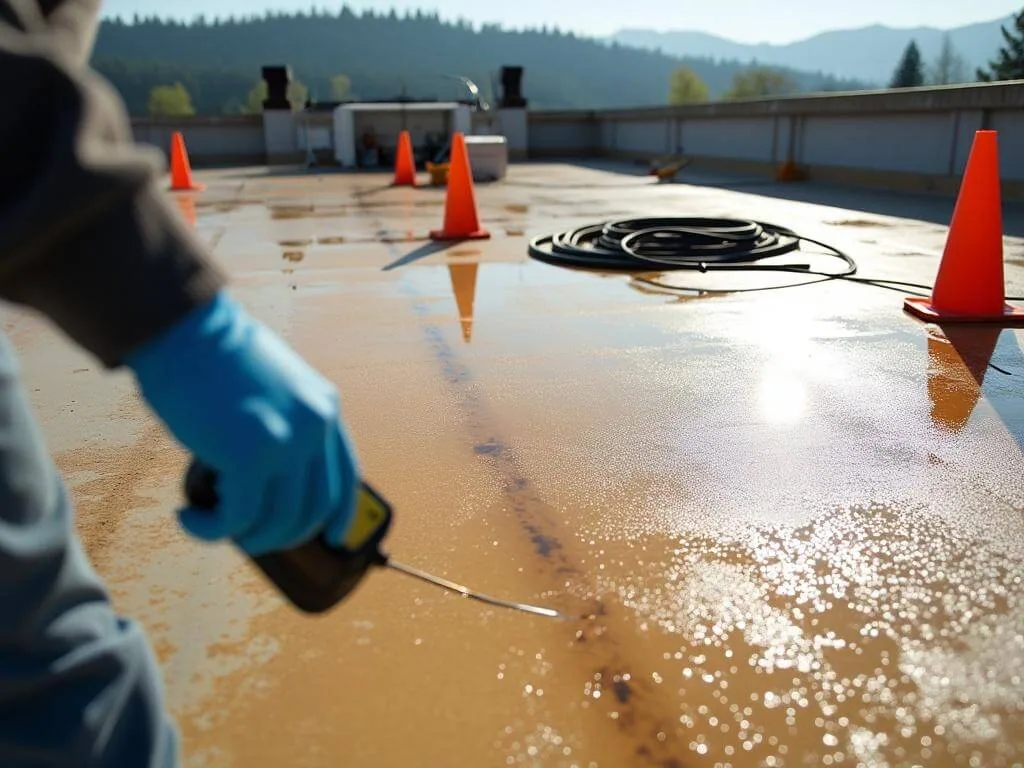
Cambridge climate planning identifies stronger storms and heavier precipitation as local risks, while winter guidance tracks more thaw-freeze swings. These conditions make it useful to inspect seam edges and drain paths, but a roof diagnosis comes from the observed membrane. If moisture beneath the sheet is suspected, an infrared moisture survey or test opening can identify areas for confirmation when conditions are suitable. A drainage review can address low areas and outlets with the EPDM repair.
What should happen before EPDM replacement?
Before installation, we confirm the substrate, remove or retain existing layers as designed, and set the daily dry-in boundary. The crew stages EPDM sheets and compatible seam materials, prepares the field and details, and checks laps as the work proceeds. Attachment may be mechanical, adhered, or otherwise specified for the project. The selected method depends on deck, wind design, insulation, and perimeter conditions; we document what the approved assembly calls for. We keep sheets flat and clean during staging, protect adhesive and seam products from contamination, and check the lap before it is covered by the next course. If a section cannot be closed within the planned shift, the crew uses the specified temporary tie-in and records the boundary for the return visit.
Harvard Square combines academic, retail, arts, and entertainment properties in a pedestrian-oriented district. Work routes, deliveries, and tenant timing need to be confirmed at the specific property. We coordinate lifts, roof access, and protection below with the building contact. A phased reroof plan can define which EPDM sections open each day and how temporary tie-ins are secured. If the work adds insulation or cover board, the plan includes drain and curb height checks before the membrane is installed.
What should the EPDM record preserve?
The closeout identifies membrane type, seam materials, repair locations, attachment, flashing, drains, and any test opening. Photographs show representative laps, patches, curbs, and perimeter terminations with roof-section labels. We note areas not inspected and separate confirmed moisture from a suspected pattern. If a repair uses a compatible primer or tape, the record can identify the product documentation supplied for the work.
For a property near Harvard Square, section-level images help later maintenance compare the same seams and transitions. A roof condition report can preserve the findings with dated closeout photos. Owners can use the file to distinguish movement at an existing lap from damage at a separate detail, then schedule the next inspection around the actual roof condition rather than relying on a general membrane label. We note which locations were accessible and which need a return visit.
For future repairs, the service file should identify the sheet thickness or product only when confirmed, the seam system, patches, flashing, and attachment details visible or documented. We map shrinking edges, open laps, and transitions separately because each can create a different water path. A small repair should reach clean, compatible membrane and follow the chosen seam or patch method; sealant placed over a loose edge does not restore the splice. Where an opening or scan was used to check moisture, the result stays linked to that location. This allows the next inspector to compare the repaired seam with nearby original material instead of assuming all black sheet areas are the same assembly.
Commercial Roofing Questions
Can you heat-weld EPDM seams?
EPDM seams are not made with the same hot-air welding method used for TPO or PVC. We use compatible seam products and repair materials specified for the installed rubber membrane, then document the preparation and finished tie-in.
Can EPDM be patched after a puncture?
A local patch may work when the surrounding EPDM is sound, clean, and compatible with the repair material. We inspect the puncture and adjacent seams, then define the patch boundary. Wet insulation or loose sheet material can require more work.
How do you identify EPDM under a coating or repair?
We review records and visible details, then confirm the material with a test opening if needed. A covered or previously patched surface may not reveal the original system, so we avoid choosing repair materials until compatibility is established.
Will added insulation affect EPDM flashing height?
Raising the roof surface can reduce the height available at curbs, walls, and drains. We measure those transitions before setting the new assembly and identify extensions or rebuilds required by the project.
Does an EPDM repair include wet insulation?
The inspection determines whether moisture is present and how far the repair needs to extend. We document test locations and confirmed findings. Removal or replacement of wet layers is included only when the approved scope covers that work.
Related Roofing Work
More Roof Systems
Browse every page in Roof Systems, or request a roof assessment and we will walk the roof with you.
Identify the EPDM detail before repair
Send the Cambridge address, roof plans or system records, seam or leak location, access contact, and work window. We will confirm the membrane, inspect the surrounding details, and document repair or replacement options.