
Commercial Roofing in Harvard Square, Cambridge, MA
Inspect Harvard Square commercial roofs with attention to pedestrian access, leaks, flashing, drainage, and documented repair limits by building.
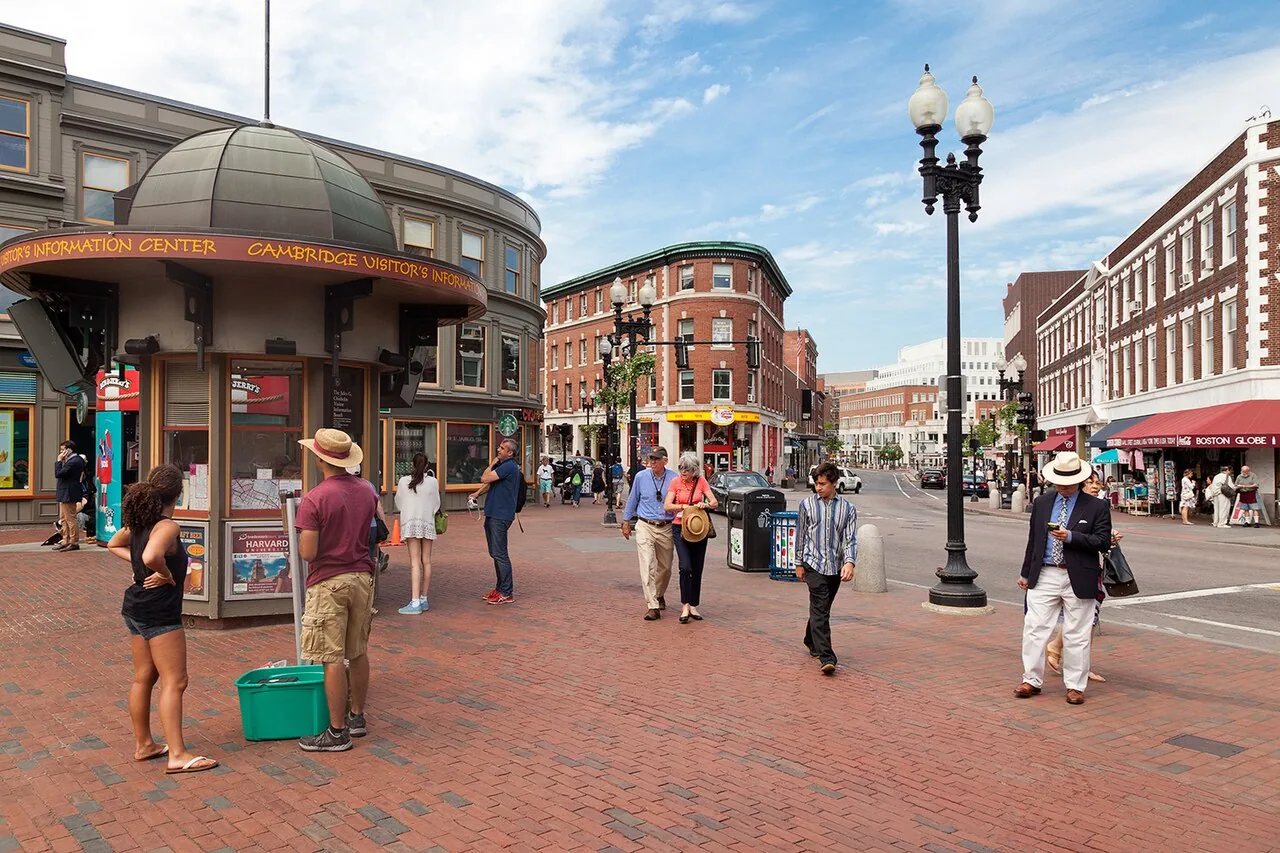
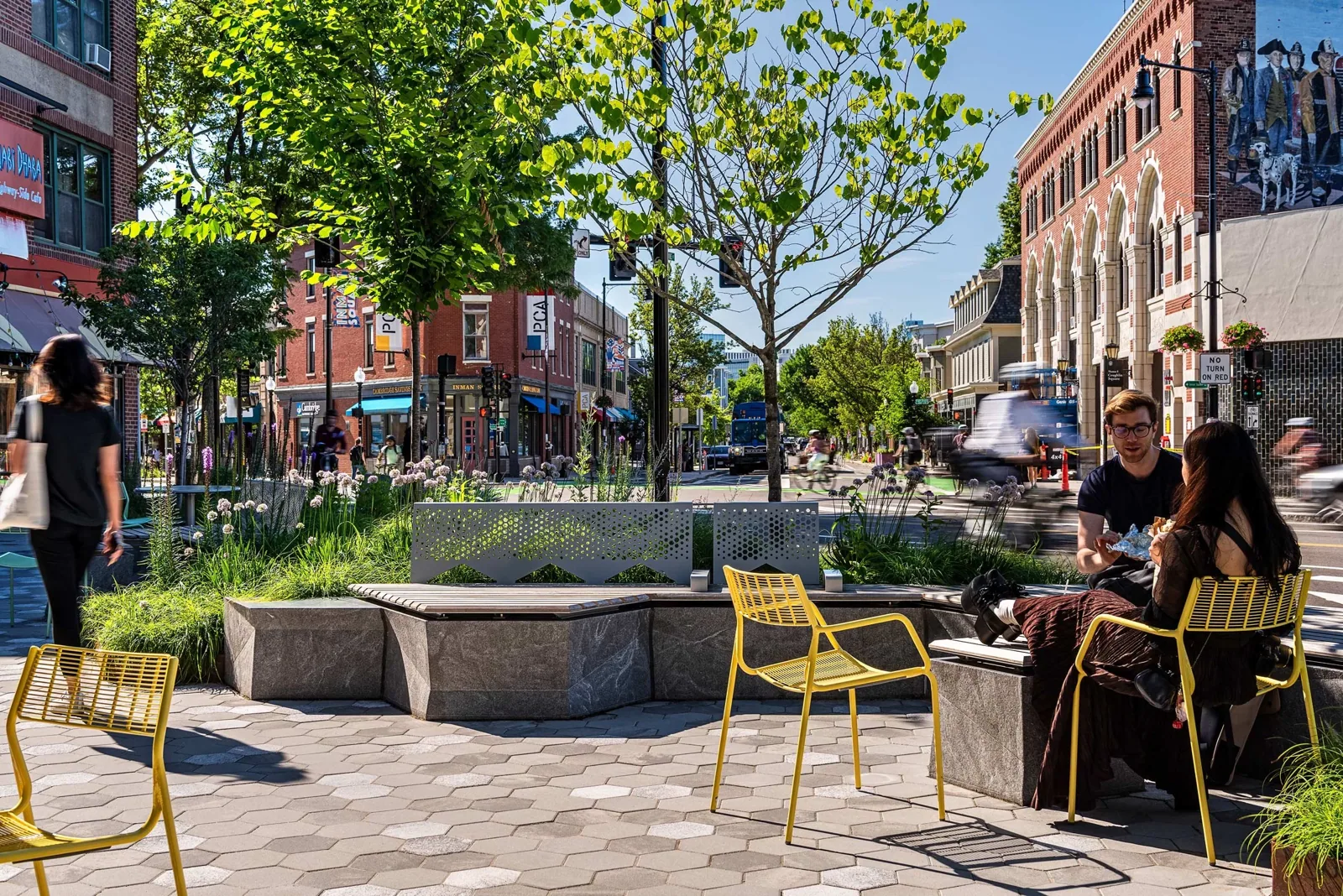
An expansion joint beside a parapet can open at one edge while the nearby membrane remains firmly attached. In Harvard Square, Cambridge, MA, roof work sits within a pedestrian-oriented district that combines Harvard University, retail, restaurants, bookstores, theaters, arts, and entertainment. That mix makes building access and delivery timing worth confirming, but it does not establish the condition or assembly of any roof. We locate the reported leak, inspect its connected joints and drain path, and mark the actual repair area. The district has about 900,000 square feet of retail, a figure for commercial floor space rather than roof area; we take off the work from the building plan and field measurements. Cambridge reports heavier winter precipitation and additional thaw-freeze changes, so the drain bowl, overflow, and termination details stay on the inspection route.
Which part of a roof needs attention first?
A wet interior finish below a storefront or academic space points us to a location, not automatically to a failed seam. We compare the report with the roof plan and check penetrations, parapet corners, expansion joints, equipment curbs, and the direction water can travel. The first walk identifies the membrane and attachment only when records or field details support it. We also note restricted access, surfaces hidden by equipment, and any test that would require coordination with the space below. A commercial roof inspection can keep the close-up condition and wider roof location together in the photo record. That makes it easier to return to the right section without relying on a street-facing landmark that may not be visible from the roof.
Can a busy sidewalk change the roof plan?
Harvard Square Station connects the Red Line with bus service, and the district includes pedestrian-oriented retail and cultural uses. Those facts describe how the area functions; the property's loading access, roof entry, and public routes still need confirmation with its contact. We identify where materials can be staged, whether an intake or rooftop unit needs a shutdown, and how a crew can keep debris away from drains and entrances. If a repair opens the membrane, we protect the section below and record the temporary termination before leaving. For active storm entry, our emergency crews can respond overnight or on a holiday to stabilize the opening; the permanent detail still needs suitable preparation and a documented closeout.
What separates a patch from a larger repair?
A localized split with dry insulation may support a patch, while repeated openings, wet layers, or failing edge metal can widen the scope. We inspect the sheet, seam, substrate, drain elevations, curb flashing, and adjacent transitions before deciding whether the repair boundary is local or extends into another roof section. If moisture may sit below the visible surface, an infrared scan or test opening can help define the affected area under suitable conditions. A drain obstruction requires a different correction from a membrane defect; a drain and overflow review records whether water reaches the outlet and whether the backup path remains open. The field report states what is confirmed and what the owner needs to test before comparing additional work.
How do you stage work around district activity?
The access window depends on the building contact, material route, equipment schedule, and weather. We confirm each before cutting a seam or moving a drain component, then define a start point and closeout limit for the crew. If a job crosses several roof sections, we label each one and keep open work protected at shift end. Cambridge's winter guidance describes more frequent thaw-freeze swings and heavier precipitation; temperature and moisture can affect preparation, adhesion, and safe temporary dry-in. A phased sequence can keep work inside an agreed area while interior operations continue. We photograph the finished detail and note whether another visit is required for a test or final verification.
What should the property team retain?
The record should preserve the address, roof section, system identification when known, photos, repair method, test result, access limit, and remaining question. Harvard Yard and Cambridge Common are named district assets, but neither substitutes for a building address or roof plan in a service file. For a nearby Central Square property or a building near the MIT area, we keep findings tied to that location rather than carrying observations across properties. A condition report can provide a dated record for later repair and capital decisions. Each photo should show both the detail and enough surrounding roof to find it again. We also list which nearby conditions were checked and which could not be reached, especially where equipment hides a seam or a public schedule limits access. A maintenance record can track debris, loose metal, sealant changes, drain condition, and completed repairs by date. After heavy rain or a thaw-freeze period, a return check can compare the same locations and show whether an earlier repair remains intact. We keep a recurring observation separate from a newly confirmed defect so the owner can see what changed between visits.
Harvard Square's pedestrian-oriented retail and university activity make a confirmed route and work window useful, but the property contact still sets the building rules. The file should identify the exact structure, roof section, closest public entrance, staging path, and any lift or sidewalk restriction approved for the project. The Red Line and bus connections place the district within Cambridge's transit network; they do not establish where a crew can unload materials. We record the daily closure point and who accepted it, then keep closeout images with the building rather than a district-wide folder. This helps a later service call find the repaired curb or drain without repeating access planning from memory.
What details help set the visit?
Provide the Harvard Square address, current roof plan, known membrane or project records, interior leak location, previous repairs, access contact, and work window. Mention any public entry, loading, or equipment restriction that may affect staging. We will trace the related roof details, document the affected section, and identify the repair or test step the evidence supports. If water is entering after hours, an urgent visit can stabilize the opening while the permanent repair awaits safe preparation conditions. The closeout distinguishes temporary protection from the permanent repair and lists any area we could not inspect. That record gives the property team a clear handoff even when work must pause for access or weather.
Commercial Roofing Questions
Does the retail square-foot figure indicate roof size?
No. The reported figure describes retail floor area in the district. We establish roof quantities from the property's plan, field measurements, and the sections included in the proposed scope.
Can a roof repair be staged without closing a public entrance?
We confirm the material route, work area, debris controls, and building rules before setting a sequence. The property's access plan determines whether work can be kept clear of an entrance or needs a different window.
Why inspect drains when the leak appears at a wall?
Water can pond at a low point and reach a separate termination or wall detail. We review the outlet, overflow, roof slope, and nearby flashing to see whether drainage contributes to the reported condition.
Will an infrared scan identify the exact leak?
A scan can show patterns that may indicate moisture when conditions suit the method. We mark the scan area and use a test opening or other confirmation when needed before defining concealed material damage.
Can you work around performances or academic schedules?
The property contact provides the building's operating limits and access window. We plan staging and roof entry around those requirements, then record any interruption or deferred test in the closeout.

Related Roofing Work
More Service Areas
Browse every page in Service Areas, or request a roof assessment and we will walk the roof with you.
Set a roof walk with a clear access window
Send the Harvard Square address, roof plan or system records, reported condition, access contact, and work window. We will map the repair area and document findings by roof section.