
Commercial Roof Condition Reports in Cambridge, MA
Get Cambridge roof condition reports with labeled photos, test results, repair limits, and practical next steps tied to each roof section.
A roof photograph without a section label cannot tell a property manager which drain, curb, or seam needs attention. Our condition report ties each image to a roof area, inspection method, visible finding, and recommended next action. In Cambridge, properties near Kendall Square may include research and life-science operations, while Central Square mixes city government, transit, and commercial activity. Those uses can affect access and work windows, but the report describes the roof we inspected. We identify the system where records or field details support it, distinguish observation from test results, and leave unresolved questions visible instead of presenting an incomplete survey as a complete diagnosis.
What should each finding show?
Each item identifies a location, condition, supporting photo, consequence, and recommended next step. A seam opening, wet insulation reading, blocked drain, or loose edge metal receives its own entry rather than being compressed into a general roof rating. We note whether a result came from visual review, moisture scan, test opening, or a repair verification visit. If a section could not be accessed, we mark that limit. A commercial inspection can cover the field and details, while infrared moisture testing is included only when conditions make the method appropriate.
How do photos support a repair decision?
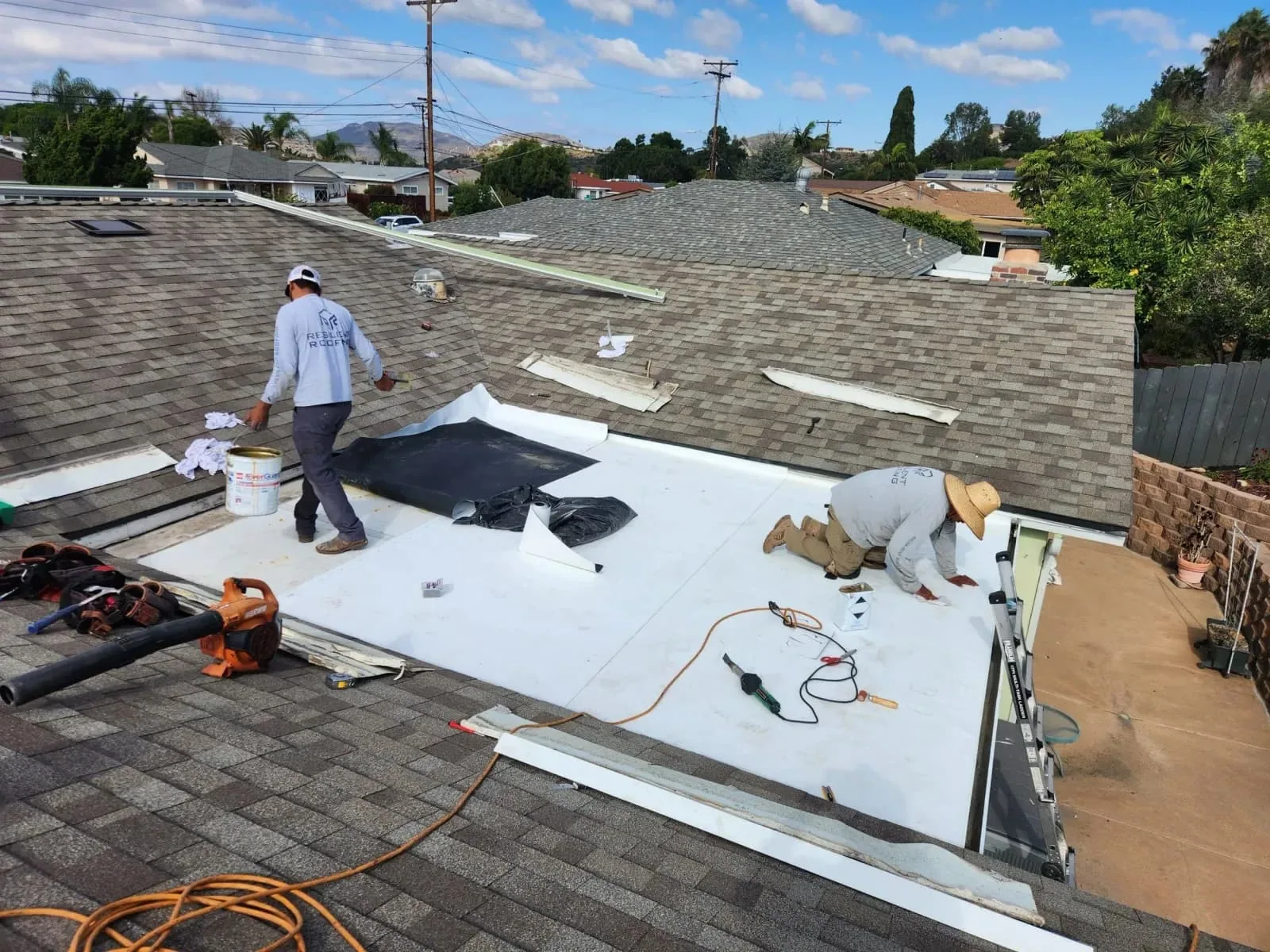
Close and context photos serve different purposes. A close view shows the termination lap, curb corner, membrane split, or drain bowl; a wider view shows where that detail sits in the roof section. We label both so a repair crew can find the location and the property team can understand the boundary. Photo records do not prove moisture below the sheet, so any test opening or reading stays separate. If an active leak is involved, we trace the interior report to the roof and document what was checked around the suspected entry. Our flashing inspection or ponding-water assessment can then focus on the connected detail. The wider view should connect a roof feature to a recognizable landmark, such as an access hatch, curb row, or parapet run. We use a repeatable photo label so the field crew and property manager refer to the same place even when the roof plan is incomplete. If a detail is hidden or unsafe to reach, the record states that instead of using an adjacent photograph as proof. This keeps observations useful for later repairs and makes the survey boundary clear to anyone reviewing the file.
What does the priority label mean?
Priority reflects active water entry, safety exposure, deterioration, and operating impact, alongside the evidence available. We explain the reason in the report: a temporary closure may be needed now, a repair can be scheduled for a suitable access window, or a condition can be monitored with a return check. A priority is not a warranty statement or a prediction that a roof will fail on a set date. Cambridge's reported increase in storm intensity and heavier precipitation makes drainage and overflow observations useful; the actual recommendation still follows the drain, membrane, and roof section we inspected.
How do you document tests and limitations?
When moisture testing is used, the report identifies the method, roof area, test points, and conditions that could affect interpretation. A test opening records the location, layers observed, insulation condition, and how the area was closed. We do not extend one reading across an untested field. If snow, equipment, access restrictions, or wet conditions prevented a check, the report says so and identifies a practical follow-up. Near Alewife, which the City identifies as an area with relatively greater flood risk, drainage and safe access can both matter during scheduling. The record separates those constraints from confirmed roof findings.
Who uses the report after the visit?
Property managers use findings to assign work, owners compare repair and capital options, and facility staff track access or equipment coordination. A capital planning review can use the documented scope assumptions, while asset tracking carries dates and completed work forward. At Cambridge Crossing, commercial, residential, retail, and dining uses share a mixed-use setting; the report identifies which building and roof section are involved so a manager can route the item to the right contact. We keep recommendations specific enough for maintenance and budgeting without turning a field observation into an engineering design. We can also distinguish a condition that needs immediate protection from one that merits a planned repair, and state which finding would change that assessment. If a reader needs to act without the inspector present, the next step should still be clear: where to go, what to check, and whether an access or test requirement remains. Those details make the report a working handoff instead of an image archive. We can group findings by roof section, mark completed items, and retain the original inspection date for any later comparison. Managers can then distinguish a new observation from a repeated item that remains under review. We include the responsible contact and the next review condition when those details are available, and list any access window needed for the follow-up.
What should be in the final file?
The final file includes the inspection date, address, known roof system, area map or plan reference, photos, findings, test methods, priorities, completed work, and open items. A repair visit can add before-and-after photos and confirm whether the documented boundary was completed. For multiple Cambridge properties, portfolio reporting keeps the same fields visible across buildings while preserving each site's own conditions. Send the property address, roof plans, system records, access contact, reported issue, and required work window. We will return a record tied to the roof section inspected.
A second reader should be able to trace each recommendation from photograph to observation to action. We label images by building and roof section, show enough nearby geometry to find the detail, and avoid using one close crop as proof of conditions beyond its frame. The report identifies whether a statement came from a visual walk, a probe, infrared screening, a test opening, or a document review. It also preserves the inspection date, weather or access limits, and areas not entered. When a recommendation depends on confirmation, that next test stays visible as an open item rather than being blended into the completed repair list.
Commercial Roofing Questions
Does a condition report certify that the entire roof is sound?
The report defines the areas and methods covered. It records what was observed and tested, along with any access or sampling limits. A visual inspection does not certify concealed deck or insulation conditions that were not opened or tested.
Can you add photos from a repair visit to the report?
Yes. We label the repair location, preparation, completed detail, and closeout condition so the record shows what changed. Any remaining item stays open with its own next step.
Will the report tell us whether to repair or replace?
It documents the condition and scope drivers needed for that decision. When repair and replacement are both plausible, we state what additional testing, quantities, or design review would make the comparison more reliable.
Can we use the report for insurance documentation?
We can document visible storm conditions, inspection methods, photos, and repair work. Coverage decisions belong to the carrier and policy; our record describes roof evidence and does not promise a claim outcome.
What records should I send before the inspection?
Send Cambridge property addresses, roof plans, membrane records, prior repairs, leak locations, access requirements, and a site contact. We will connect those materials to the correct building and confirm field observations on site.
Related Roofing Work
More Roofing Capabilities
Browse every page in Roofing Capabilities, or request a roof assessment and we will walk the roof with you.
Request a field-based roof report
Provide the Cambridge address, roof plan or system records, reported condition, access contact, and work window. We will label findings and photos by roof section and identify the next action each supports.