Multi-Site Commercial Roofing Programs in Cambridge, MA
Coordinate Cambridge commercial roof inspections, maintenance, repairs, and reporting across properties with consistent records and site-specific scopes.
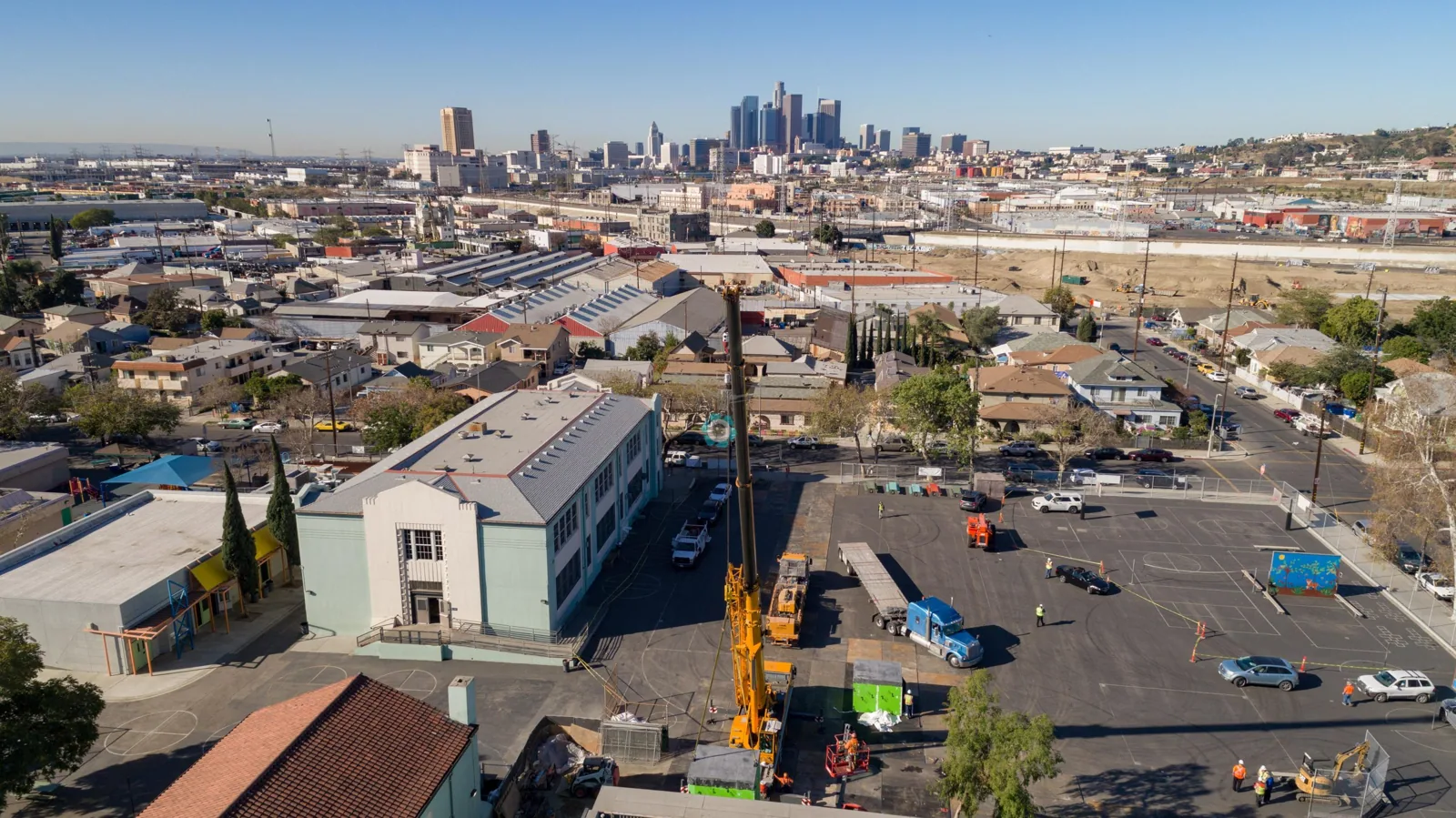
A multi-property roof program needs one way to compare open work and enough detail to keep each building's system and access requirements intact. We coordinate inspections, maintenance, repair requests, photos, and closeout records by Cambridge address and roof section. The City's commercial districts include Kendall Square, Alewife, Central Square, Harvard Square, and East Cambridge; the property mix ranges from research and institutional facilities to retail, offices, housing, and industrial uses. That breadth affects contacts, service routes, and operating windows. It does not make one roof scope fit every building. Our program keeps shared reporting fields while dispatch and field recommendations stay property-specific.
How are properties entered into the program?
We start with an address list, available roof plans, system records, leak history, warranty documents, and a site contact for access. Each property gets a roof-section index, access notes, known equipment and drainage locations, and a baseline condition report. Missing information is marked as a gap, not filled by inference. A commercial roof inspection creates the field baseline, and roof asset management carries inspection dates, repairs, and outstanding conditions into the portfolio record. A new building can be added without changing the reference names used for the rest.
How do you route repairs across several sites?
Requests are grouped by active water entry, safety concerns, operational effect, and access readiness. We record the affected building, interior report, roof section, and contact who can authorize access. A leak at a lab intake, a drain concern above retail, and an edge repair at a warehouse need different preparation even if all are marked urgent. Our emergency response runs all hours, every day, including holidays. For planned work, managers can group compatible repairs by access window or material mobilization while maintaining separate work orders and closeout photos.
What stays consistent and what stays local?
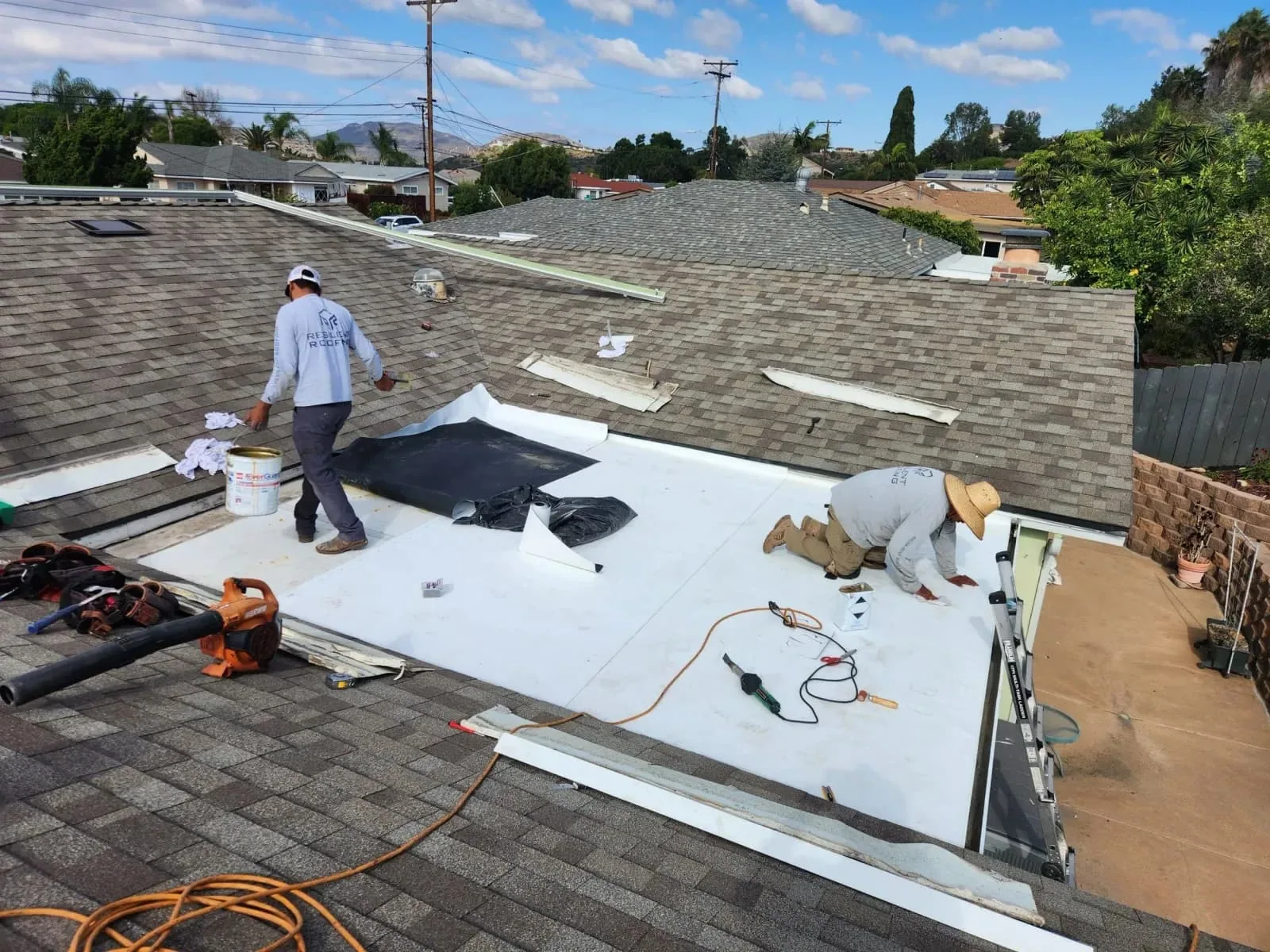
Shared program fields can track inspection date, system type, condition, priority, owner, status, and next action. Roof details remain site-specific: drain count, curb condition, membrane chemistry, warranty requirement, tenant impacts, and test limits. A report should not suggest that a problem confirmed at one address exists at another. Near Central Square, city government, transit, and commercial uses affect coordination; East Cambridge includes neighborhood retail, hotels, apartments, technology businesses, CambridgeSide, and the Museum of Science. We connect those district facts to routing and operations, while the roof record documents the actual building. A shared priority scale helps an owner see where attention is needed, but we keep evidence behind the status. One site may have a measured wet area; another may only have a ceiling report awaiting inspection. Those situations should not receive the same technical note simply because both require follow-up. We identify the basis, responsible party, and next check so a portfolio review can sort work without removing the field context needed to authorize it.
How are maintenance and capital work coordinated?
Scheduled visits can check drains, overflows, seams, penetrations, and exposed edges, then convert findings into repair tickets or budget items. City winter guidance notes heavier precipitation and more frequent alternating thaw and freeze, making drainage records useful for comparing site conditions over time. A preventive maintenance visit handles routine work; capital planning separates larger renewal from current repairs. We keep the closeout of each task with the property that received the work so a portfolio summary does not erase its completion details. For each site visit, the program can set a repeatable checklist and still allow roof-specific tasks. We can confirm that access contacts are current, note areas that could not be reached, photograph completed cleaning or repairs, and leave a dated list of remaining items. If a drain requires downstream plumbing review or a structural issue needs an engineer, we identify that handoff separately. This keeps the roofing scope clear while the manager coordinates other building trades.
How do owners see open work?
A useful review shows properties with active leak response, approved repair, scheduled maintenance, unresolved testing, and completed work. Each status links to its Diligence Notes, photo, responsible contact, and next date or condition. We can flag a missing roof plan, expiring record, or access constraint for follow-up. In Lower Cambridgeport, University Park includes office, commercial, hotel, and residential uses; managers may need distinct service contacts and daily access windows. A condition report preserves the finding, while the program dashboard can show the action without copying every technical note into a summary. We review status changes with the client contact on an agreed cadence, focusing on active leaks, upcoming access windows, and items that need a funding decision. A completed task is closed with its work date and photo record; a deferred repair keeps the reason and next review point. The shared view makes the backlog easier to sort, while the detailed report preserves what was seen at each roof. The manager can review these changes against the inspection date and planned maintenance cycle. Shared reports can include an export date and the current owner for each open item, with a path to its site record.
A multi-property program works best when a portfolio summary points back to each building's own evidence. We can use common labels for roof sections, repair status, photos, and next action, while keeping system type, access rules, test results, and scope on the individual property record. A priority score should explain its basis, such as active leakage, water entry near equipment, or a repair that depends on a shutdown. It should not make one roof's condition a proxy for another. Before a grouped work order is released, each site still needs confirmation of the correct material, authorized contact, delivery route, and work window.
What is included in a program handoff?
The handoff includes property roster, access contacts, roof-section naming, inspection schedule, work status, report links, and open decisions. We identify which properties are due for survey and which need a targeted return. A warranty record can be kept with service history, and East Cambridge or Harvard Square locations can use their property address to coordinate routing. Share Cambridge addresses, plans, system and warranty files, current leak reports, and operating constraints. We will establish the baseline and set the next visit around the buildings' real access windows. We can provide a property-by-property status and a list of records still needed to complete the baseline.
Commercial Roofing Questions
Can a multi-site program cover buildings with different roof systems?
Yes. Shared status fields make the portfolio readable, while each property retains its own system, repair method, warranty requirements, and access notes. We do not apply one building's findings to another address.
How are emergency calls handled across the portfolio?
We capture the building address, reported interior condition, access contact, and active risk, then route response to the affected roof section. After stabilization, a separate record identifies permanent repair and any follow-up testing.
Can owners schedule visits in groups?
Yes. Visits can be coordinated by district, access window, or compatible maintenance task where travel and site rules allow. Each building still receives its own inspection record and completion photos.
What if one property's roof records are incomplete?
We list missing plans, system details, warranties, or repair history as open information requests. Field observations can fill some gaps, and test openings or document confirmation may be needed for concealed assembly questions.
What does the property manager provide to start?
Send the Cambridge address roster, available roof plans, membrane and warranty records, prior work, current leaks, contacts, and access windows. We can then index properties and schedule baseline inspections in a practical order.
Related Roofing Work
More Roofing Capabilities
Browse every page in Roofing Capabilities, or request a roof assessment and we will walk the roof with you.
Coordinate the Cambridge roof portfolio
Send the property roster, roof plans, system and warranty records, current issues, access contacts, and operating windows. We will set a site-specific inspection and reporting sequence across the properties.