

Commercial Roofing in East Cambridge, Cambridge, MA

Inspect East Cambridge commercial roofs for leaks, drainage, and edge failures with access planning and photo records tied to the property address.
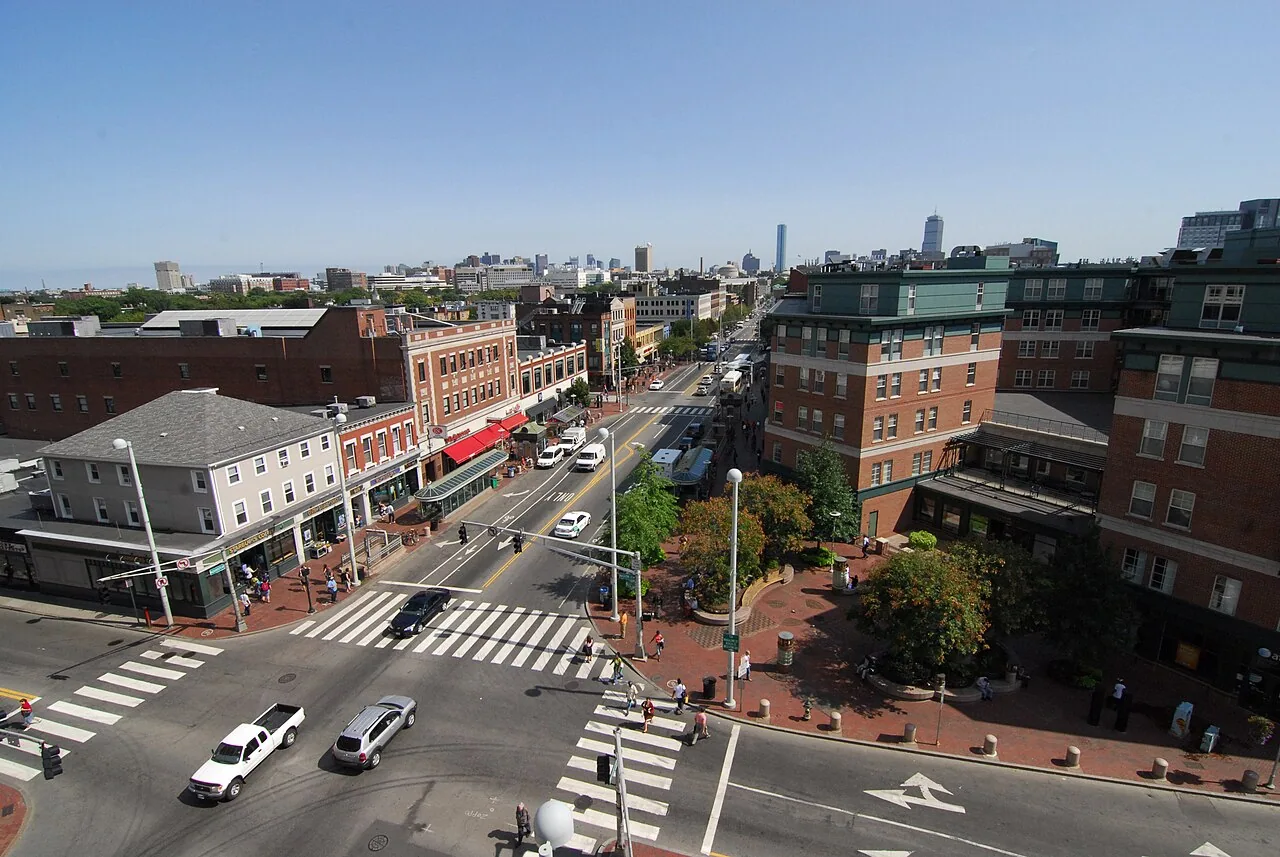
A gutter apron can hide a gap where roof membrane should turn up behind the metal edge. East Cambridge includes a riverfront mix of hotels, apartments and condominiums, high-tech businesses, and the CambridgeSide regional mall, while Cambridge Street forms a neighborhood retail corridor between Inman Square and North Point. That mix puts active entrances, deliveries, and roof access on the work-planning list. We start with the building plan and reported condition, inspect the actual edge, drains, penetrations, and membrane, and record which area is under review. More intense storms and heavier precipitation in Cambridge make overflow paths and discharge details part of the leak inspection. The property contact confirms roof access, loading, and work windows before the crew stages materials.
Which side of the edge is taking water?
A wet ceiling by an exterior wall can trace to coping, counterflashing, a gutter connection, or a membrane termination behind the edge. We inspect the metal lap, fasteners, sealant joint, and roof-side flashing before choosing a repair boundary. If water remains after rainfall, we mark its extent and check whether the downspout, scupper, or drain path is open. Cambridge Street's restaurant and specialty-shop corridor, the riverfront hotels and residences, and high-tech businesses bring different delivery and access patterns. The property contact confirms the schedule and route for the building under review. A commercial roof inspection records close details and their positions on the roof plan so the repair crew can return to the correct edge or drainage run. When the report follows a heavy rain, we also note whether the gutter or scupper is still carrying flow, whether water is held against the edge, and whether the interior mark changes after the outlet is cleared. Those observations help separate a clogged discharge path from a loose flashing connection. We do not treat a wet soffit as proof that the full perimeter needs replacement; the scope follows the metal, membrane, and substrate we can inspect. If the downspout continues below the visible roof edge, we identify where the roofing scope ends and which downstream segment needs separate review.
How do you separate a leak from a drainage issue?
Water at a parapet may be entering through a failed flashing, but ponding beside the wall can also keep pressure on an otherwise separate seam. We trace the roof slope toward the outlet, inspect the gutter or drain bowl, and check the overflow route before calling the source. If moisture may extend below the field sheet, infrared readings or a test opening can help define the affected area when conditions suit the method. We label each result by test type and do not extend one observation into an untested section. The Museum of Science shares East Cambridge's commercial riverfront with hotels, housing, technology businesses, and retail. We use that busy setting to plan safe staging, then base the repair boundary on the inspected roof.
What repair boundary does the roof support?
A split at one termination can call for a focused repair if the surrounding membrane, insulation, and substrate remain sound. Wet layers, brittle material, failed seams, or repeated openings may widen the work. We check the system, attachment evidence, roof layers, drain and overflow heights, curb clearances, and edge metal before comparing repair, recover, coating, or replacement. An added layer changes finished height, so gutters, scuppers, and perimeter transitions need review before scope is finalized. A coping and gutter repair may include the metal connection as well as the membrane termination. For a recover review, we record deck and drainage questions that must be settled before materials are selected.
How are occupied routes kept clear?
Before moving rolls or removing a drain assembly, we confirm the loading area, roof hatch, route below, and protection needed for active entrances. Retail, restaurants, hotels, apartments, and technical businesses may have different delivery or equipment limits; we ask the property contact about the specific building instead of assuming a district schedule. Debris stays out of drains, and any open seam receives a documented temporary closure before the shift ends. More thaw-freeze swings and heavier winter precipitation in Cambridge can change preparation and safe dry-in timing. An occupied-building work sequence can divide the job by roof section while documenting which areas are complete and which remain protected for a later visit.
What changes the material and schedule?
The existing membrane, moisture condition, number of layers, curb height, equipment access, and weather determine what can be prepared and closed during a work window. We identify any test opening before ordering material, because the layers below can change a patch or recover decision. A roof with a serviceable field and one failed gutter tie-in has a different sequence from a section with wet insulation and several open seams. The CambridgeSide mall and the Museum of Science are distinct riverfront destinations; each property's access point and loading arrangement still require direct confirmation. At a nearby Cambridge Crossing address or in North Point, we keep the field report attached to that exact site rather than transferring a route or finding from East Cambridge.
Which conditions belong in the service log?
Keep the system record, roof plan, repair photos, outlet locations, test results, and open access items with the property's maintenance file. We note whether water was observed at a drain, gutter, scupper, or edge, and whether that path was clear when checked. A condition report can show the same roof section before and after repair, while recurring debris or movement can be assigned a return check. East Cambridge combines commercial riverfront uses with a Cambridge Street retail corridor; we keep each maintenance record tied to the building and roof section inspected. We label each image by address and roof area, preserve areas not reached, and state what finding would change the current repair recommendation.
What information helps set the inspection?
Send the East Cambridge address, roof plan, system records if available, reported leak location, prior repairs, access contact, and work window. Include any delivery route, equipment shutdown, or entrance restriction that affects staging. We inspect the connected edge, membrane, and drainage details, then provide photographs and a repair boundary by roof section. Emergency response can be arranged at any hour, including weekends and holidays, to stabilize active entry while a permanent repair waits for suitable preparation. The closeout separates temporary protection from completed work and identifies any portion that could not be reached or tested.
Commercial Roofing Questions
Can a gutter leak appear inside near a wall?
Yes. Water may pass through a gutter connection or edge transition and travel before it reaches the interior. We inspect both the metal connection and the roof-side membrane termination, then mark the confirmed boundary.
What should be checked when water remains by a parapet?
We compare the membrane, coping, gutter or scupper, slope, and overflow route. The report distinguishes a flashing opening from ponding caused by an outlet or elevation issue.
Do riverfront buildings need a different roof system?
Riverfront exposure and nearby commercial activity help us plan access, but system selection follows the membrane and details confirmed on the building. We then evaluate its drainage and exposure before recommending work.
Can the repair stay local if only one edge is open?
A focused repair is possible when the surrounding sheet, insulation, and substrate are sound. If moisture or failed attachment extends beyond the visible opening, we map that area before expanding the scope.
What information helps arrange work near active retail or housing?
Share the property's loading route, access contact, tenant or equipment limits, reported condition, and available work window. We use those details to sequence roof entry and protect the area below.
Related Roofing Work
More Service Areas
Browse every page in Service Areas, or request a roof assessment and we will walk the roof with you.
Trace the edge and outlet together
Provide the East Cambridge address, roof plan or system records, reported condition, access contact, and work window. We will document the connected membrane and drainage details by section.