Commercial Roofing in North Point, Cambridge, MA
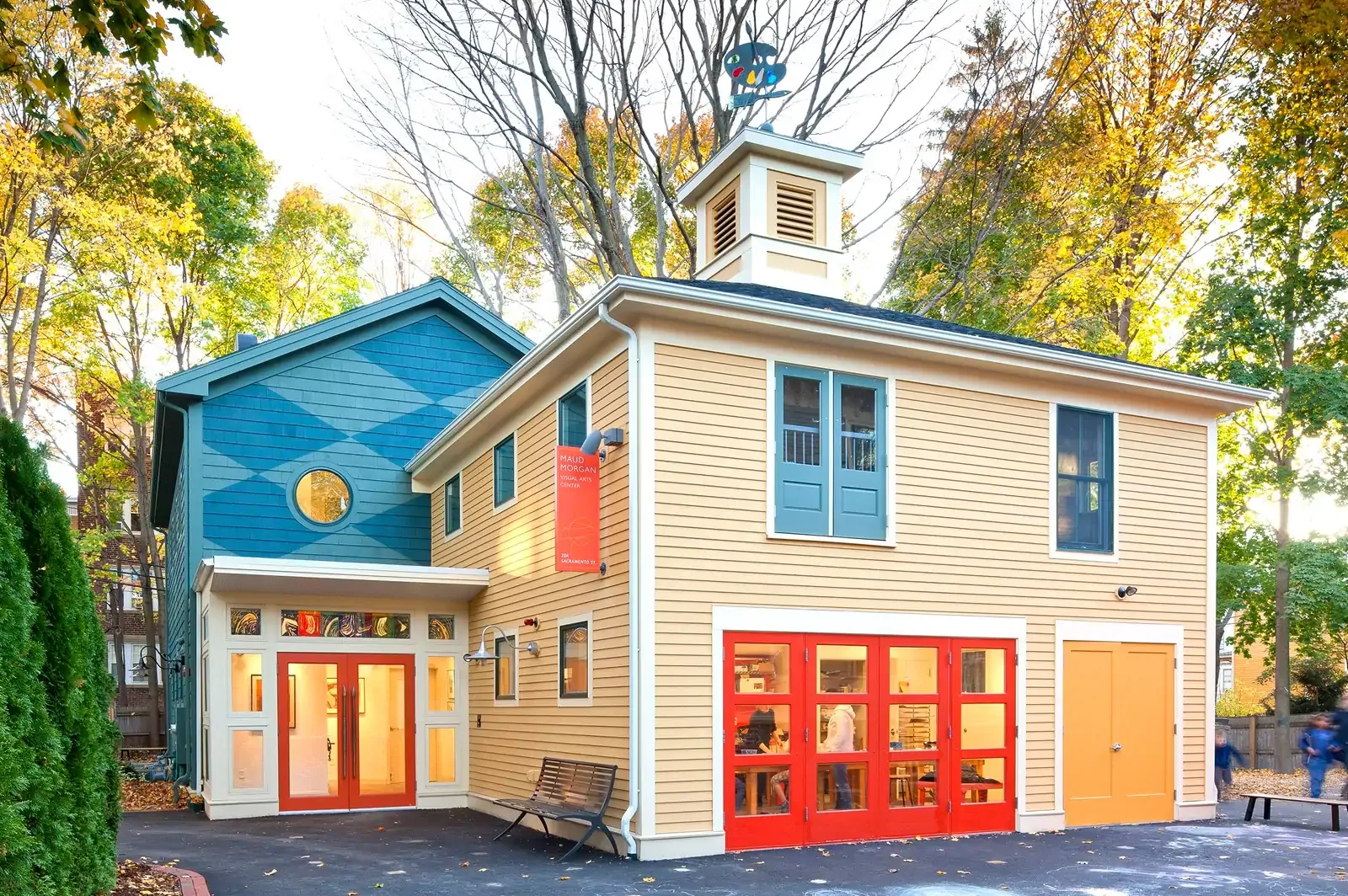
Inspect North Point commercial roofs for seam, edge, and drainage conditions with clear access planning and repair records for each building.
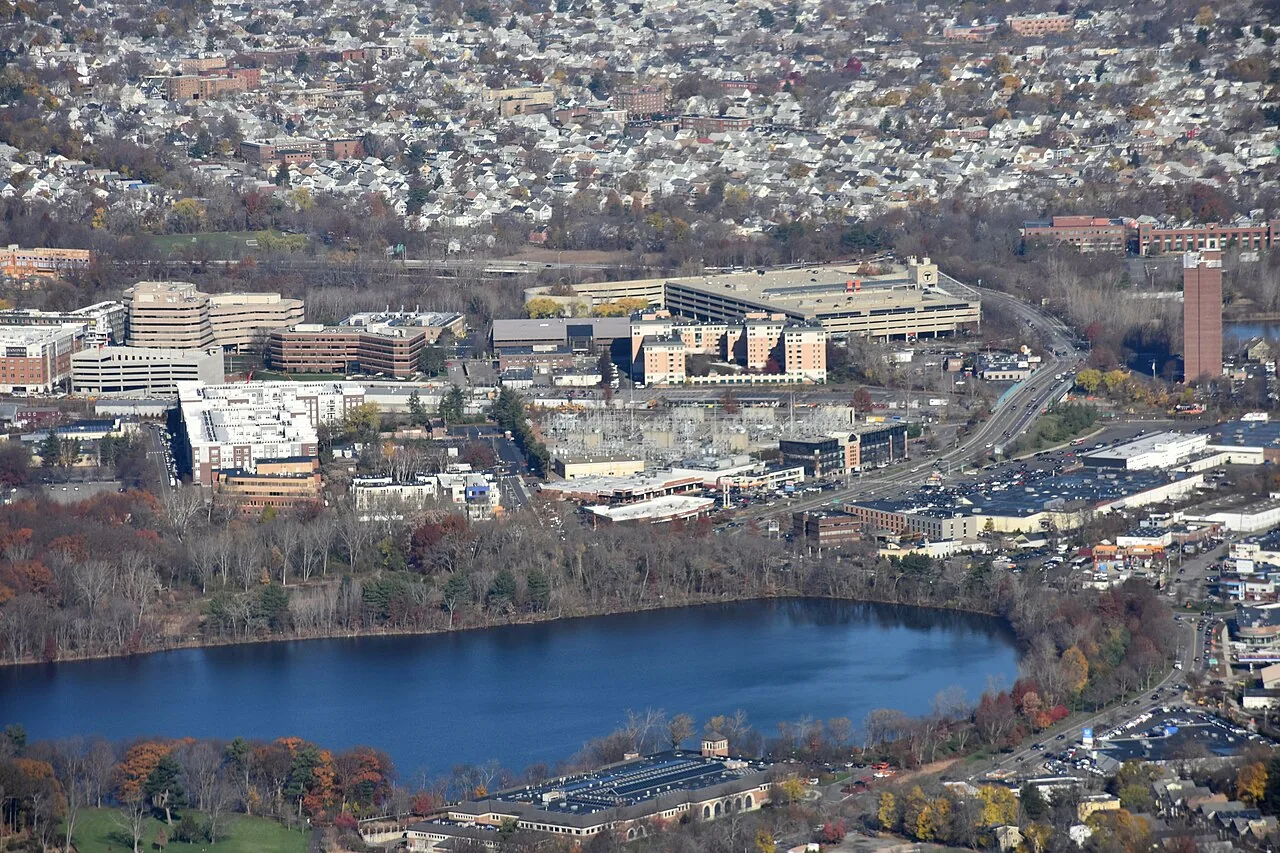
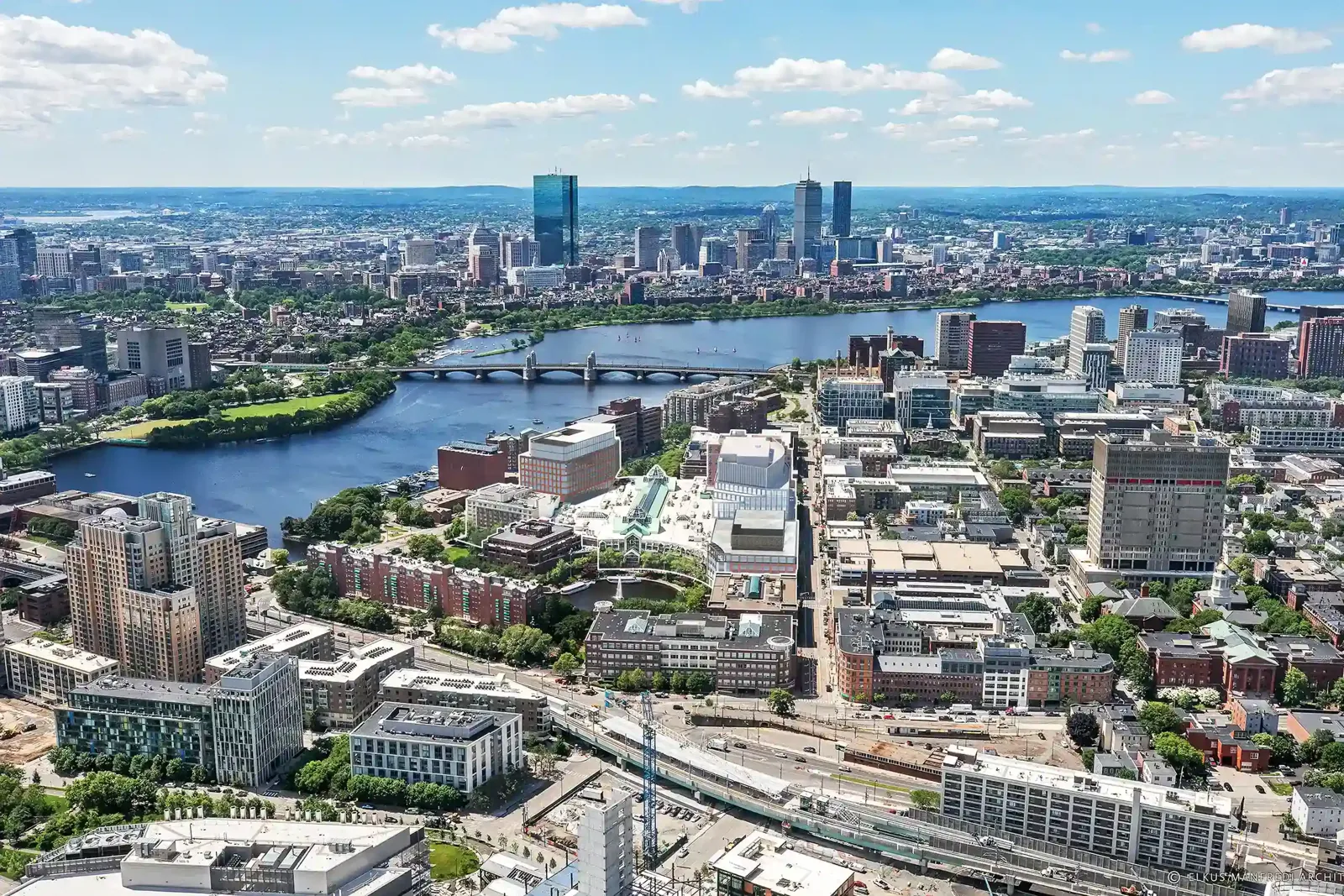
Metal edging can cover a loose membrane turn-up until water travels beneath the roof field. North Point in Cambridge, MA includes an older industrial area and rail yard north of Monsignor O'Brien Highway, alongside redevelopment with housing, hotels, and retail. Cambridge's city profile identifies Cambridge Crossing as the district's center and names EF Education, Philips North America, and Sanofi among its major tenants. Those facts describe the area's changing uses, not the roof at a particular address. We inspect the existing membrane, edge, drain route, and penetrations before drawing a repair boundary. Cambridge weather planning highlights stronger storm and precipitation pressures; we check overflow and drainage at the property while tracing the reported leak.
What does the existing roof show?
A redevelopment area can place older industrial property beside newer housing, hotel, retail, or office construction, but that mix does not identify any roof's layers. We check the building plan against the visible membrane, seams, attachment, curb heights, and edge metal. The City describes Cambridge Crossing at the center of North Point and reports a 4.4-million-square-foot mixed-use project in its 2023 profile; that is a source-vintage building-area figure, not a roof takeoff. We measure the actual section in scope and identify where plans, repairs, or access records are missing. A commercial roof inspection ties close photos to the roof map and notes what could not be reached.
Which detail connects to the interior report?
A ceiling mark under a parapet may trace to a termination lap, a drain, a nearby mechanical curb, or a seam farther up-slope. We locate the interior report, inspect the connected roof section, and follow water paths through low points and outlets. If the membrane looks intact but moisture may sit below it, infrared testing or a test opening can help define the area when conditions permit. A surface photo, scan indication, and opened layer are separate kinds of evidence; we label each separately. The railroad corridor and former industrial uses help place North Point, but we do not infer a roof type or current condition from that history. The repair follows what the field record confirms. If roof access is partial, we list what remains beyond the inspection boundary and arrange the right follow-up rather than recommending material from an unseen area.
How do redevelopment and repair scope meet?
When a property is being improved, the roof decision may involve existing leaks, new equipment, a future penetration, or an edge that must connect to later work. We identify the current membrane, substrate, layer count, drain and overflow heights, and curb clearances before comparing repair, recover, or replacement. A construction plan may show future building area or use, but that does not establish roofing quantities or a completed assembly. For a live building, we separate work needed now from a future tie-in that still requires approved details. A repair scope should record the failed area and method; a recover review must also check load, drainage, and edge transitions before the option is priced.
How do you keep staging off active routes?
Before moving material, we confirm the loading entrance, roof hatch, building contact, and public or tenant route. North Point includes housing, hotels, retail, and major business tenants, so the access window and equipment limits vary by property. We do not assume that one tenant's instructions apply across the district. A roof opening needs a protection plan for the occupied area below and a secure temporary termination if work cannot close that day. Wet weather and freeze-thaw shifts can affect preparation and adhesion; we record any pause and identify when a permanent seam can be made. An occupied-building sequence can break work into marked sections and keep each handoff clear.
What affects a return visit?
A second visit may be needed when a test opening, material confirmation, drying period, or equipment shutdown remains open. We list the item, the property contact who can release access, and the condition needed before permanent closure. Cambridge's climate planning identifies more intense storms and precipitation as local risks, which makes a documented temporary edge and drainage route useful if work is interrupted. The specific repair still follows the roof details at the address. For a nearby East Cambridge building or the Cambridge Crossing district, we create a separate work record rather than transferring North Point access assumptions. The crew returns to the labeled section and compares it with the previous closeout photograph. Where a property has changed from industrial use or is being adapted for housing, hotel, or retail occupancy, older roof records may not include later equipment curbs or penetrations. We compare the plan with the field, note each visible change, and ask for any renovation closeout that may identify the assembly. This is especially useful before pricing a recover, when a hidden layer or abandoned curb can alter both preparation and drainage. The Diligence Notes names the missing record or test rather than filling that gap with an assumption based on the district's prior land use.
Which property records stay useful?
Keep the roof plan, system submittals, prior repairs, drainage locations, photos, test points, and unresolved construction details with the building address. If an equipment replacement or tenant improvement changes a penetration, note the date and tie-in location so the next inspection can distinguish new work from earlier conditions. A roof condition report can list confirmed defects, areas not reached, and recommended follow-up. North Point's City-listed tenant names provide economic context, but none indicates that a business owns or has commissioned the particular property being inspected. We keep the service record focused on the roof and client contact, not on assumptions about the tenant or the site's future use.
What should I provide before the walk?
Send the North Point address, roof plan, known system records, reported water location, prior repair history, construction or equipment plans, access contact, and work window. Include any loading, public-entry, or shutdown limits that apply to the building. We will trace the connected membrane and drainage details, document the confirmed boundary, and identify whether a test or design decision remains. For an active leak overnight or on a holiday, our crew can secure the opening, label the temporary work, and identify the preparation needed for a lasting repair. The closeout states which roof sections were inspected and keeps temporary protection separate from completed repairs.
Commercial Roofing Questions
Does the reported mixed-use square footage show roof size?
No. The City's profile reports a building-area figure for a mixed-use project. We establish roof quantity from current drawings and field measurements for the address and sections included in scope.
Can an older industrial roof be assumed to have a certain membrane?
No. We identify the installed system from records or field details and note uncertainty where the sheet or attachment is concealed. The building's past use does not establish its present roof assembly.
What should be checked after equipment or tenant work?
We inspect new penetrations, curb flashing, seams, and drainage affected by the work. The owner should retain the project details so the roof record identifies which transitions changed and when.
Can repairs be staged while hotel or retail operations continue?
The building contact confirms access, delivery, intake, and public-route limits. We define a roof section, protect the area below, and record temporary closure if a permanent detail must wait for another work window.
How do you record an area that could not be inspected?
We name the roof section and access limit, then identify the safe follow-up needed. A nearby photo is not used to represent a detail hidden by equipment or unavailable during the visit.
Related Roofing Work
More Service Areas
Browse every page in Service Areas, or request a roof assessment and we will walk the roof with you.
Document the North Point roof boundary
Provide the property address, roof plan or system records, reported condition, access contact, and work window. We will inspect connected transitions and record any test or design step still needed.