

Modified Bitumen Roofing in Cambridge, MA
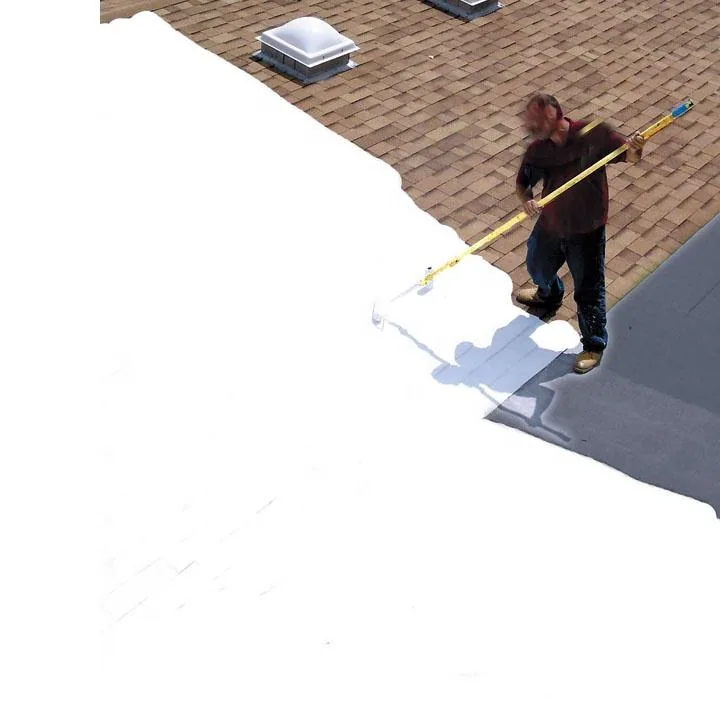
Review modified bitumen roofing in Cambridge for blistering, open laps, flashing, drainage, and repair or replacement needs by roof section.
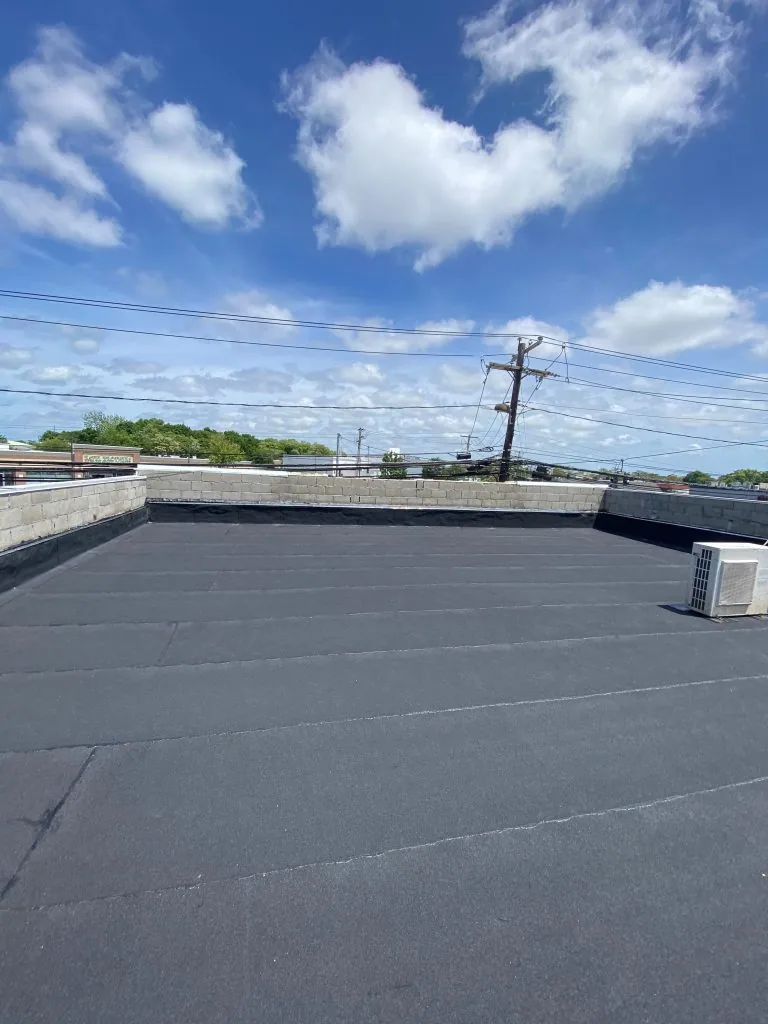
A raised blister near a lap changes where we start an inspection of modified bitumen roofing in Cambridge, MA. We trace the sheet and cap layer toward drains, walls, curbs, and perimeter metal before we set a repair boundary. The City reports heavier precipitation and more frequent winter flooding, so we record the outlet path with the membrane condition rather than treat a wet ceiling as proof of one failure point. Central Square combines city, retail, transit, and commercial activity; the actual roof assembly still comes from field evidence and building records. We identify whether the system is SBS or APP modified bitumen, check its surfacing and attachment, then explain what can be repaired and what needs a broader scope.
What does a blister reveal about the roof?
On a modified bitumen roof, a blister may involve trapped air, moisture, or a local bond issue, but its appearance alone does not tell us which condition is present. We inspect the blister edges, surrounding laps, surfacing, and any movement underfoot. A cut or test opening is considered only when the owner approves it and the location can answer a specific question about the layers. We mark the roof section, dimensions, nearby seams, and evidence of moisture on the field sheet. That record helps separate a small surfaced defect from a larger area where adhesion or substrate condition needs investigation.
Open laps, fishmouths, splits, and exposed reinforcement need their own notes. A mineral cap sheet may hide the precise edge of a separation, while granule loss can leave the underlying bitumen more exposed to weathering. We document the visible condition and note what could not be confirmed without opening the assembly. A hands-on roof inspection can establish that baseline, and a moisture survey may help select test locations when roof construction and weather allow useful readings.
How do SBS and APP affect the repair?
SBS and APP are different modifiers used in bituminous roofing sheets, and the product, surfacing, and installation method determine which repair materials are compatible. We review available submittals or roof records, inspect exposed edges and previous patches, and confirm the system before specifying a tie-in. A surface patch that does not bond to the existing cap layer can lift at its perimeter. Where torch-applied material is present, any repair method also needs to account for the building, nearby air intakes, combustibles, and the permitted hot-work procedure.
The repair scope identifies whether we are addressing a seam, flashing transition, puncture, or broader surfacing failure. At a drain, we trace the membrane into the bowl and check whether debris, compression, or a raised strainer changes water flow. Cambridge's climate assessment includes heavier precipitation and storm exposure among local concerns; it does not establish a defect at a particular property. We record the roof's actual slope and drainage evidence, then coordinate a drain and scupper review if an outlet correction belongs with the membrane repair. If several sections show related movement, a flashing repair scope may address the transitions separately.
When is a repair different from a recover?
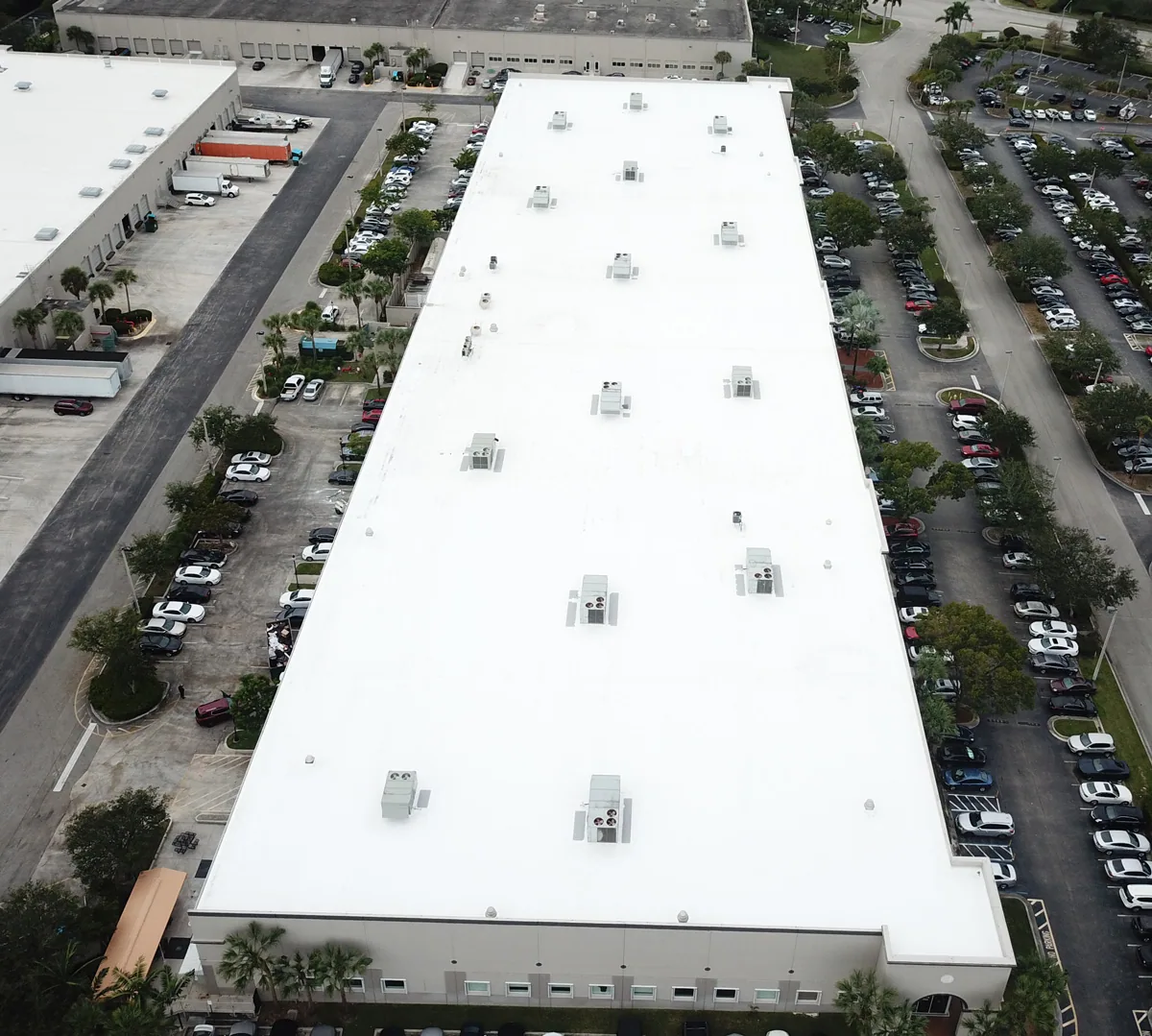
A local repair can make sense when the surrounding sheet is secure, the substrate is suitable, and the defect can be tied into sound material. Repeated open laps, widespread brittleness, wet insulation, or a deck concern can change the scope. We compare the affected area with test results and prior repair records, rather than recommending an overlay because the top surface looks tired. A recover evaluation also checks how many layers exist, how the assembly is attached, and whether added thickness leaves enough height at drains, curbs, walls, and rooftop equipment. We compare the confirmed layers with a built-up roof assembly or an EPDM system only when those options suit the documented conditions.
Harvard Square includes university, retail, arts, and entertainment uses, each with property-specific access and work timing. Those uses do not identify a roof's age or composition. A proposed recover assessment documents the existing layers and the reasons to retain or remove them. When the field evidence supports removal, a replacement scope can define tear-off limits, substrate repairs, insulation, and new membrane transitions. We list assumptions and exclusions so the owner can compare options by confirmed condition, access, and sequencing.
What changes the work sequence on a Cambridge roof?
Modified bitumen work depends on dry substrate conditions, material temperature, wind, and a daily weather-tight boundary. Before opening a section, we locate drains and temporary tie-in points, stage materials, and confirm how workers and equipment will reach the roof. The installation method may involve hot asphalt, torch application, cold adhesive, or self-adhered products, depending on the specified system. We follow the product requirements and project controls, and we do not carry an open area beyond the planned shift without an approved temporary closure.
Cambridge Crossing blends commercial, residential, dining, and retail space. A delivery route or roof access window there may need coordination with building operations, but the site contact sets the actual rules. We confirm air intakes, pedestrian protection, noise limits, and notice timing before work starts. For tenants remaining in the building, an occupied-building phase plan sets the work zone, daily close, and responsible contact. We record changes to the section boundary so the next crew and the property manager can see what was completed and what remains.
Which records help with future maintenance?
Closeout photos should show the repaired lap, surfaced field, curb or wall flashing, drain connection, and edge transition with each image tied to a roof section. The record lists material type where confirmed, repair method, test openings, substrate findings, and any area left outside the work scope. If existing records were unavailable, we note the system identification basis instead of presenting an assumption as a verified specification. The property team can then match a future inspection to the same seam and compare its condition over time.
A property near Central Square may have several distinct roof areas with separate access points. Our condition report keeps observations, images, and recommendations together for maintenance planning. Follow-up visits can check for renewed blistering, lap separation, granule loss, and drainage changes. The City identifies more frequent flooding as a winter concern, which makes a clear record of the overflow route useful; the inspection still calls for work only where the roof shows a condition that supports it.
Commercial Roofing Questions
Can a blister in modified bitumen be patched from the surface?
The surrounding bond and moisture condition decide whether a surface repair is appropriate. We inspect the blister edge and nearby laps, then use an approved test opening only when it can resolve a question about the assembly. A patch does not correct wet insulation below.
How do you tell SBS from APP modified bitumen?
We start with roof records and product markings, then compare those with exposed layers and previous repairs. Appearance alone may not be conclusive. When the system remains uncertain, we identify what testing or documentation is needed before choosing repair materials.
Can you repair a modified bitumen lap without replacing the roof?
A contained opening may be repairable when nearby material is sound and the substrate is stable. We document the seam limits and check related flashing and drainage. Repeated failures or confirmed moisture can expand the work beyond a local patch.
Does a recover need to match the existing modified bitumen?
The design must account for the existing layers, attachment, compatibility, and project requirements. We inspect and document those conditions before considering another roof layer. If the assembly is unsuitable, removal may be the better defined scope.
What information should I send before an inspection?
The Cambridge address, roof plan or system records, reported condition, access contact, and work window let us prepare the visit. Photos of the interior symptom can help locate the area, but the roof inspection establishes the repair boundary.
Related Roofing Work
More Roof Systems
Browse every page in Roof Systems, or request a roof assessment and we will walk the roof with you.
Trace the modified bitumen condition
Send the Cambridge property address, roof plan or system records, reported condition, access contact, and work window. We will inspect the modified bitumen layers and record a repair, recover, or replacement scope by roof section.