
Emergency Commercial Roof Repair in Cambridge, MA
Get around-the-clock commercial roof response in Cambridge for active leaks, storm damage, and unsafe openings, with a documented dry-in and repair plan.
Before a wet ceiling spreads to another room, the first task is to contain water and identify a safe roof route. Commercial roof emergency response in Cambridge, MA runs around the clock, including weekends and holidays. We coordinate with the building contact, protect affected interiors, and inspect the roof when access is safe. Cambridge's climate planning identifies more intense storms and heavier precipitation among local risks, so we check open seams, displaced edge details, drains, and overflow paths after severe weather. A medical building near CHA Cambridge Hospital or a mixed-use property at Cambridge Crossing may have occupied rooms and equipment below the work area. We record the immediate condition, install temporary protection where appropriate, and outline the permanent repair separately.
What happens on the first response?
We gather the building address, reported room, water timing, active hazards, roof access details, and a contact who can meet the crew. If water is entering, the property team should protect occupants and contents and avoid wet electrical equipment. From a safe access point, we inspect the reported roof section and determine whether the opening can be reached without creating another exposure. We photograph the condition and record what is visible before covering or moving material.
Temporary tarping or a dry-in can reduce active entry while the roof is wet, dark, or otherwise unsuitable for a permanent repair. The crew secures the temporary material so wind cannot turn it into another hazard, and the owner receives a note on its limits and follow-up needs. A temporary cover is not represented as a completed membrane repair. If the source remains unclear, the next step may be a leak investigation once the surface can be examined more closely.
Which roof conditions change the response?
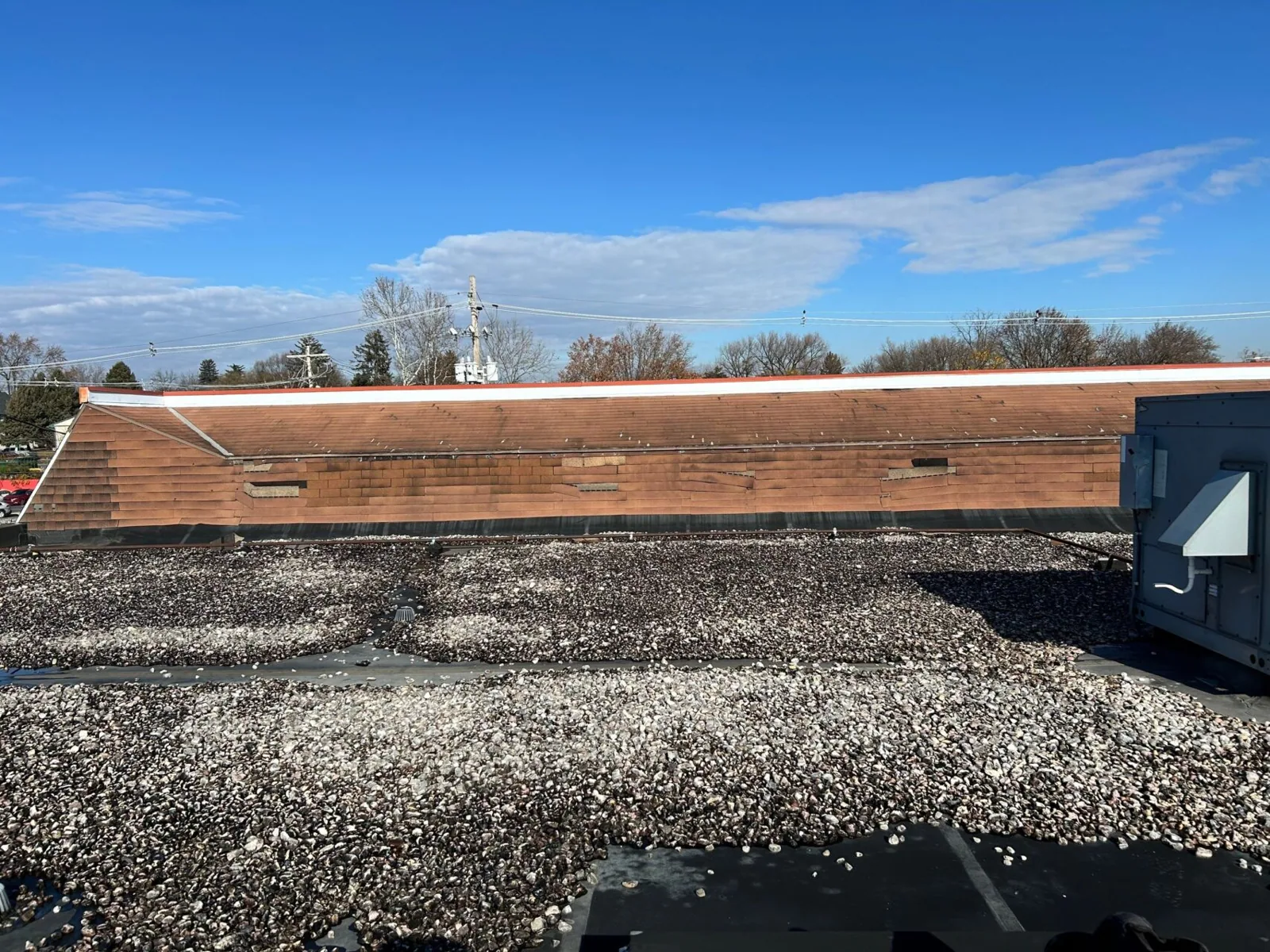
An open puncture, displaced edge metal, split seam, loose flashing, blocked drain, or impact damage each changes the immediate work boundary. We inspect nearby details for movement and trace the path water may take toward a low point or interior partition. If the roof has a steep edge, unstable surface, exposed electrical work, or active equipment, the visit may need a different access plan before repairs start. The field record distinguishes hazards that need immediate isolation from roof defects that can be addressed after conditions improve.
Cambridge reports more thaw-freeze swings, heavier precipitation, and more frequent flooding during winter. Those conditions can affect access and water control, but they do not establish that a particular roof has storm damage. At Alewife, the City's resilience planning identifies relatively higher future flood risk; there we pay attention to site access, low areas, and discharge routes after wet weather. If water is backing up at an outlet, a drain and overflow check may be part of the response along with a temporary opening cover.
How do you limit damage inside?
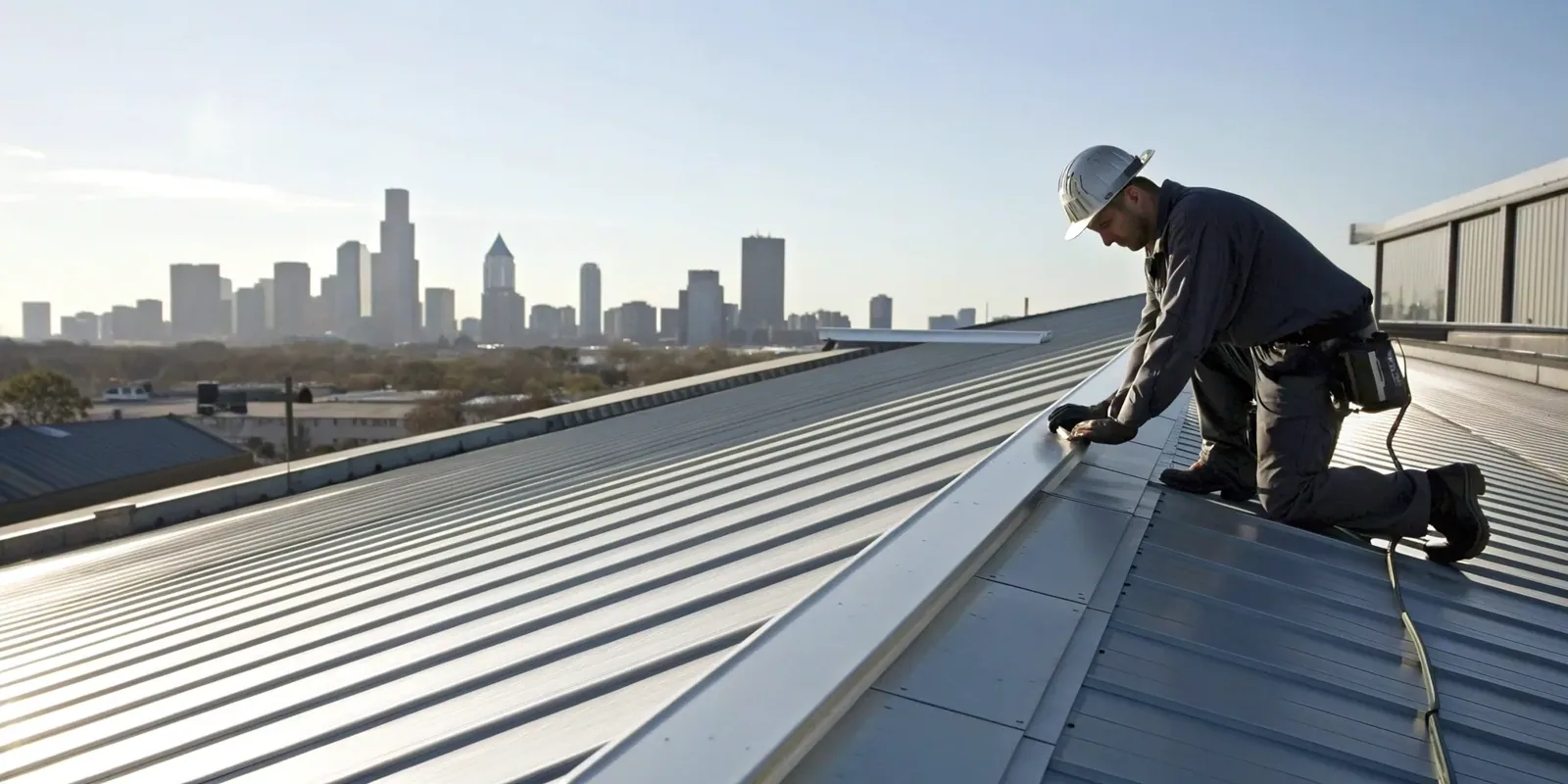
Interior protection begins with a clear location and a safe route. The property contact can isolate the affected room, move contents where possible, and place containers without blocking egress. We coordinate with building staff before entering a ceiling space or shutting down an air intake. On a research or healthcare property, exhausts, clean spaces, and clinical equipment may require the contact to identify restricted areas. The crew does not assume a room is vacant because it is near the roof access point.
The exterior plan keeps the temporary cover secure and the repair area small enough to close safely. If the membrane or insulation is wet, the permanent repair may require drying, removal, or a test opening rather than simply sealing the surface. We note any wet materials, exposed deck, and interior conditions in the response record. For a wider condition beyond the immediate opening, our commercial roof inspection can map adjacent seams, penetrations, and drainage details after the urgent area is contained.
What turns a dry-in into a permanent repair?
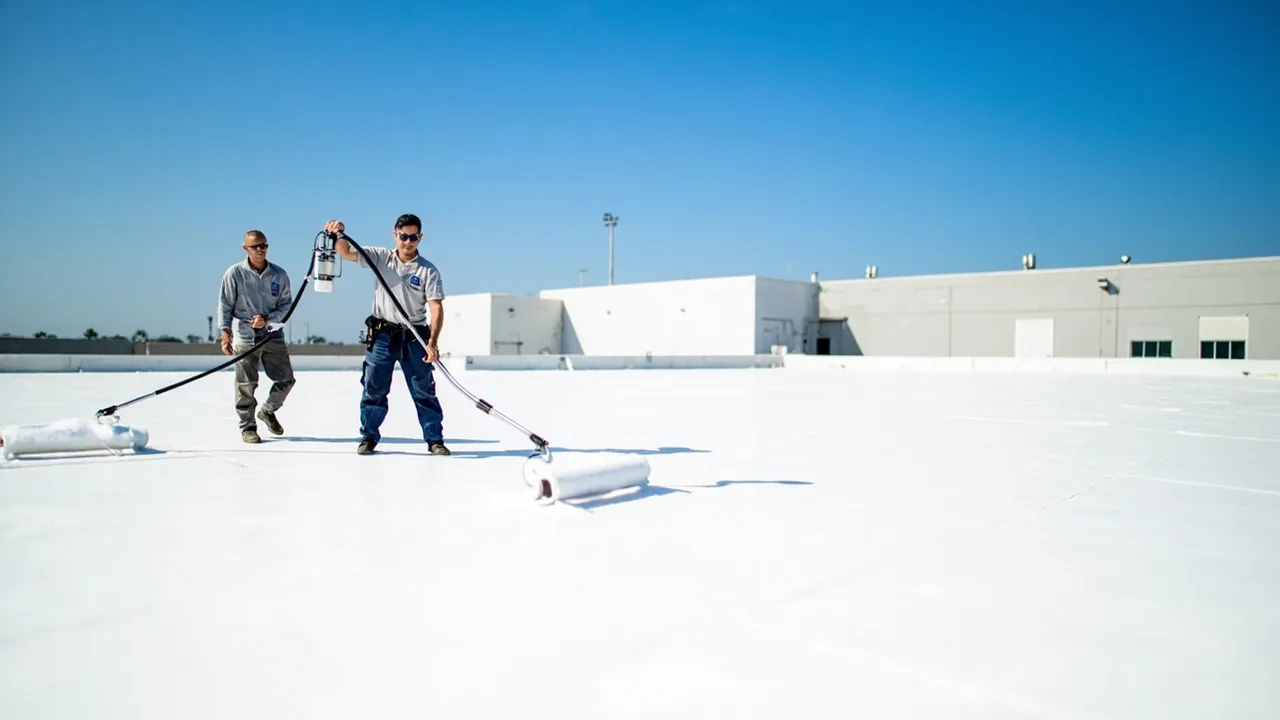
The permanent scope follows the confirmed defect and the material around it. A split in a thermoplastic seam needs different preparation than a puncture in EPDM or a failed metal transition. We remove temporary protection when the surface is ready, clean and prepare the repair area, and tie the new material into sound membrane. If insulation is saturated or the deck is damaged, that condition needs to be reviewed before the repair is closed.
At Cambridge Crossing, commercial, residential, dining, and retail uses share one mixed-use district. A property-level plan should identify who can authorize a change in scope and how access is managed around tenants and deliveries. We separate immediate containment from any larger work so the owner can review both. A permanent roof repair can then document the materials, roof section, and photographs, while a replacement review is reserved for evidence of broader failure.
What record follows the call?
The response record includes the reported location, arrival conditions, roof area inspected, temporary measures, and any restriction that prevented a full diagnosis. Photographs show the cover and surrounding details, with the repair boundary identified. If weather or access prevented a permanent fix, we state that clearly and set out the next work step. This avoids confusing emergency containment with a completed restoration.
After the permanent repair, we photograph the membrane tie-in, edge or curb detail, drain path, and any interior protection removed. The property manager keeps those images with the roof plan and maintenance history. A roof condition report can connect the emergency findings with later inspection records. A follow-up maintenance inspection can revisit the repaired section after the next significant weather period. For a portfolio property in Wellington-Harrington along Cambridge Street, the record should be tied to the actual building and access route, not a generalized facility note.
The first-response record should establish who authorized access, which interior area was protected, where the roof was entered, and what temporary measure was installed. We note conditions that limited work, such as wet surfaces, electrical hazards, wind, or a roof area that could not be reached safely. A temporary cover is not described as a permanent repair; the file names the next inspection or material work required to close the leak path. Photos show the temporary boundary and the roof section for the return visit. That lets the property contact hand off the event to daytime staff without losing track of what was stabilized and what still needs testing.
Commercial Roofing Questions
Is emergency roof response available overnight and on holidays?
Yes. Emergency response is available around the clock, every day of the week, including holidays. We gather the building access information and reported condition, then coordinate a safe visit and temporary protection as conditions allow.
Will a tarp stop every leak until permanent work begins?
A temporary cover can reduce entry through an accessible opening, but water may be entering elsewhere or traveling beneath the membrane. We document the covered area and any limits, then inspect the surrounding details before defining the permanent repair.
What should building staff do before the crew arrives?
Keep occupants away from unsafe wet areas, protect contents if it can be done safely, and record the room, time, and active water pattern. Share roof access instructions and identify electrical or equipment hazards. Do not send staff onto a wet roof.
Can the permanent repair happen during the emergency visit?
It can when the defect is clear, access is safe, and the surface is suitable for a lasting repair. Rain, standing water, wind, or concealed damage may require temporary dry-in first. We explain the condition that determines the next step.
What if the leak is still active after temporary protection?
Call the response contact and report what changed, where water appears, and whether the temporary cover moved. We reassess the area and check for a second entry point or a failed tie-in, then update the protection and repair record.
Related Roofing Work
More Commercial Roofing Services
Browse every page in Commercial Roofing Services, or request a roof assessment and we will walk the roof with you.
Contain the opening and plan the repair
Call with the Cambridge property address, affected room, active hazards, roof access contact, and any available roof plan. We will coordinate a safe response, temporary protection, and the next permanent repair step.