Commercial Roofing for Cambridge Logistics and 3PL Operators
Coordinate Cambridge logistics roof repairs around dock cycles, inventory, drainage, and facility access, with closure limits recorded by section.
A drain that backs up above a pick-and-pack area can put inventory at risk even when the nearest ceiling stain sits down the aisle. For Cambridge logistics and third-party operators, we trace the report across the roof plan, check outlets and penetrations, and coordinate access around receiving and dispatch. Alewife connects regional roadway access with the Red Line terminal and bus service. North Cambridge includes office and industrial uses near Cambridgepark Drive. Those facts can help orient scheduling, while the building contact confirms the actual loading door, roof hatch, and truck route.
How do you trace a leak above active inventory?
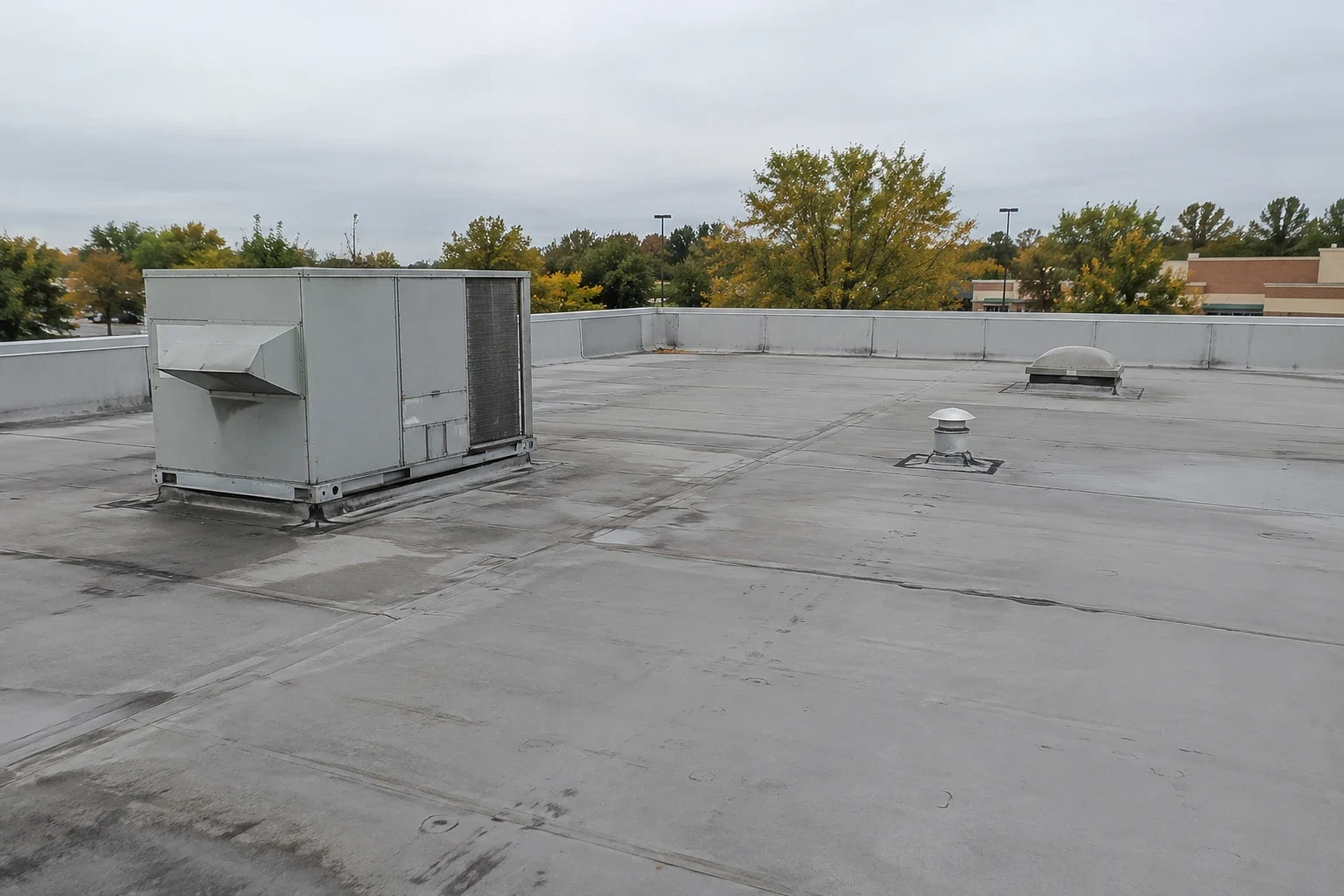
We compare the affected aisle or storage bay with roof slope, seams, curbs, vents, drains, and overflow paths. Water can move across insulation or deck before reaching the floor, so a ceiling mark is a clue rather than a repair limit. The inspection records the visible opening, any wet material found, and what remains concealed. When necessary, we identify a test location to distinguish a local seam failure from moisture spreading beyond the first visible area.
Alewife Brook Parkway and Route 2 connect the commercial district to regional roads; Cambridgepark Drive has nearby office and industrial uses. The transport network does not identify a specific loading route. A roof survey can label each inspected section. A drainage review follows the primary outlet and overflow. If the leak follows a conveyor support or mechanical curb, a curb inspection records the flashing and attachment around it.
How can work stay out of the shipping bottleneck?
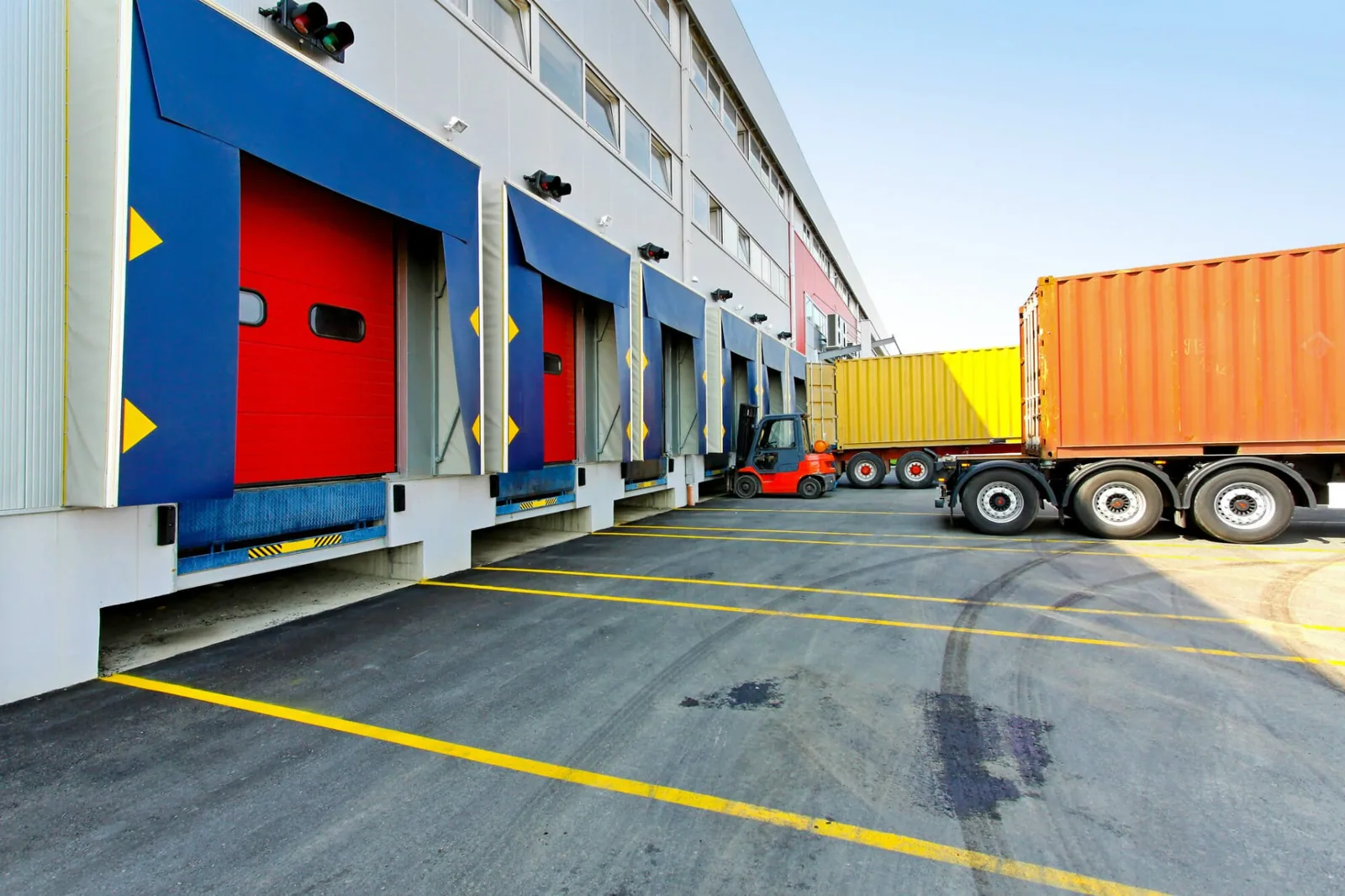
The operator identifies dock schedules, truck turn areas, lift access, inventory zones, pedestrian routes, and operating windows that must remain clear. We plan material movement and barriers against those limits, then set a daily opening boundary that can be closed before the crew leaves. The sequence also identifies where debris will travel and who can authorize a change. If roof testing reveals a broader wet area, the team documents the added section and obtains direction rather than opening across an active dock without approval.
A Cambridge facility near Alewife may use roadway and transit connections different from an East Cambridge property in Cambridge Crossing’s mixed commercial setting. We confirm the service entrance and staging area at each site. An occupied-facility schedule can phase repairs around dispatch cycles. At a North Cambridge property, the manager confirms whether material deliveries use the industrial frontage or another approved route.
We also confirm the route for a crane or material lift before the work date. A loading plan may need to account for trailer turns, scheduled carrier arrivals, and pedestrian crossings; those details come from the site manager. The roof work order then lists which dock remains available, when overhead protection is required, and how the crew will secure the area during a weather interruption.
What protects shipments during an open-roof repair?
Before removal begins, we identify the inventory directly below, cover or relocate exposed goods when directed, and establish barriers for the active zone. We keep a temporary dry-in plan ready for weather changes and check the closure before leaving each shift. If the deck or insulation is worse than the inspection suggested, the crew records the discovery and pauses at a safe boundary until the operator approves the next step. Photos and daily notes identify the opened section and any temporary protection still in place.
Cambridge reports heavier precipitation and more frequent winter flooding, with additional freeze-thaw shifts. Those conditions make outlets and temporary covers important to review, but they do not prove a roof defect. A leak reported after the dispatch shift can be routed for overnight or holiday attendance once the site approves entry. We locate the opening and protect inventory where safe, then document the permanent repair still required. The service note distinguishes temporary protection from completed permanent work.
Should the operator repair, recover, or replace?
A local seam or curb repair can work when the adjacent assembly remains dry and stable. A recover depends on existing layers, attachment, moisture, drainage, deck, and clearances. Replacement exposes concealed conditions but can require staged tear-off, debris handling, temporary closures, and inventory protection. We document the evidence behind each option and state which loading areas or shifts are included. The recommendation addresses the inspected roof sections rather than assuming the full logistics building has one condition.
A manufacturing operator may prioritize production equipment, while a property manager coordinates multiple tenants. A 3PL facility has its own dock and inventory flow. A recover assessment records tests and retained layers; a replacement scope identifies removal, substrate work, and the daily dry-in plan.
What should the operations file show?
The closeout record identifies the facility, dock or storage section, roof area, system where confirmed, repaired seam or curb, test location, and access window. It notes any inventory zone protected, any area not entered, and whether a temporary cover remains. We keep the roof photos tied to the plan so operations staff can match them to a reported aisle or dock without confusing the work with another tenant’s area.
A later inspection can compare drain bowls, seams, and edge transitions with the repair record. The Cambridge-area weather trend supports tracking drainage checks in the maintenance file, while current field evidence establishes whether follow-up is needed. An operations manager can schedule the next work window from the saved access contact and dock plan, rather than reconstructing those details after another leak call.
Where the operator uses a work-order platform, we can keep the roof-section label, date, photo reference, and next action consistent with the facility’s asset record. The handoff remains useful when a shift lead changes or another provider performs the next walk. It gives the team a traceable starting point without implying that a condition in one building applies to every site in the network.
For a distribution operation, the daily roof log should connect the active work zone with the inventory or dock area below. We confirm which bays remain open, where forklifts and trailers travel, and whether stored goods need relocation before tear-off begins. The roof plan marks the section opened that shift, the temporary dry-in, and the person who accepts the closure. If water or debris reaches a rack, the record should state the observed boundary and the protection used, not imply that adjacent inventory was affected. That level of detail helps the operator coordinate the next shift and lets the roofing team return to the right section.
Commercial Roofing Questions
Can roofing be phased around active dock operations?
The operator identifies dispatch windows, truck routes, and areas that cannot close. We plan barriers, lifts, and daily closure around those limits when weather and the roof condition allow.
How do you protect inventory below a roof opening?
We map the active section, coordinate any cover or relocation with the facility contact, and set a daily weather-tight boundary. Findings beyond that area are documented before the work expands.
Does a leak over one aisle affect the whole warehouse roof?
Not by itself. We inspect the related roof section and test where needed, then name the area supported by evidence. Other sections remain unverified until inspected.
Can emergency service be arranged outside dock hours?
We can coordinate a night, weekend, or holiday response with the site contact. The crew locates the opening, protects the active area if safe, and records permanent repair needs.
What should a 3PL provide before an inspection?
Send the Cambridge address, roof plan, leak or inventory area, dock schedule, access contact, truck and lift routes, and prior repair records. We confirm the roof details on site.
Related Roofing Work
More Industries We Serve
Browse every page in Industries We Serve, or request a roof assessment and we will walk the roof with you.
Set roof work around the dispatch schedule
Send the Cambridge address, roof plan and service records, reported aisle or dock, operating window, inventory controls, and access contact. We will document the roof section and workable sequence.