Commercial Rooftop Equipment Curbs and Supports in Cambridge, MA
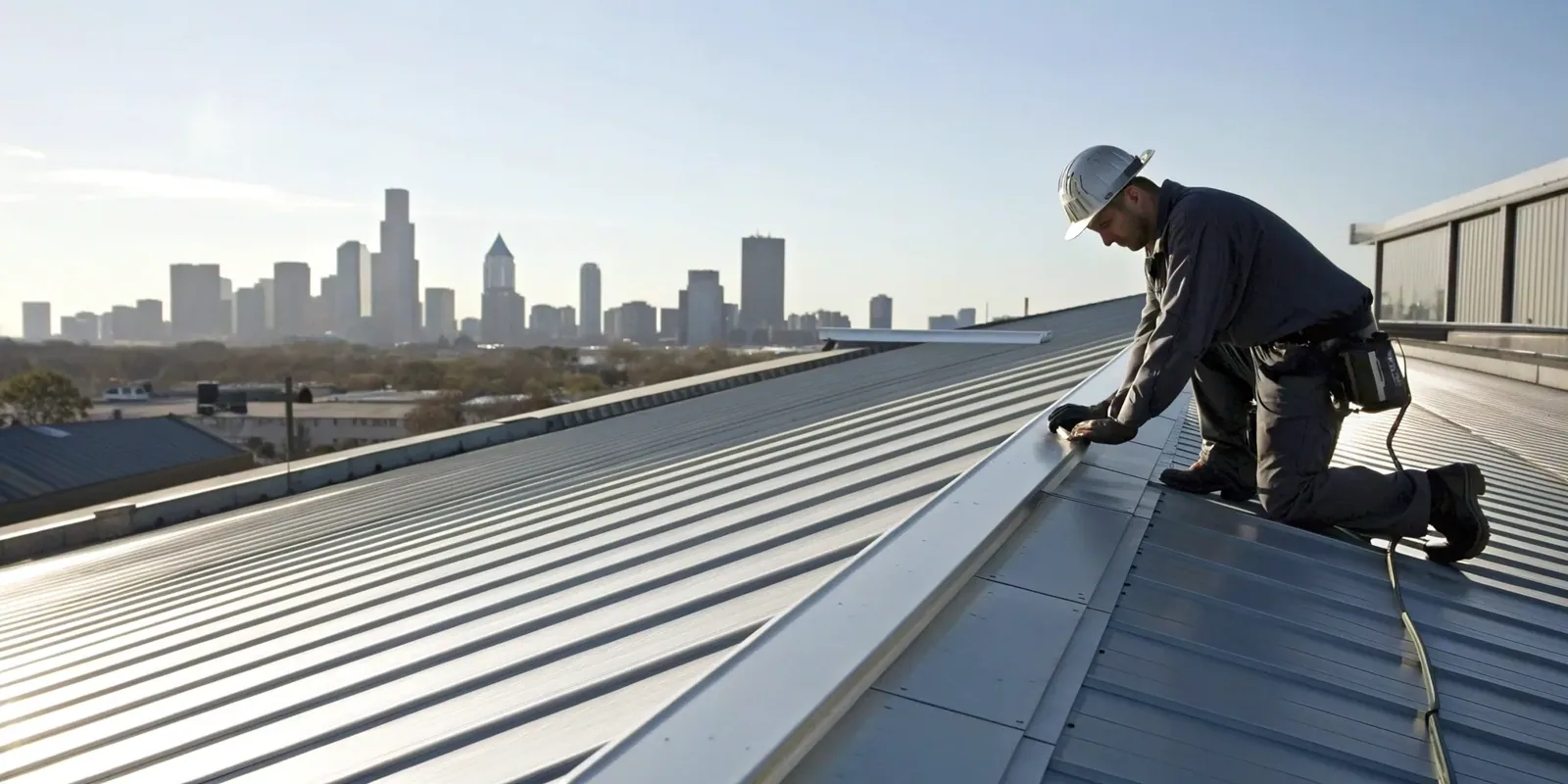
Inspect and repair rooftop equipment curbs and supports in Cambridge with review of flashing, load points, service paths, and membrane transitions.
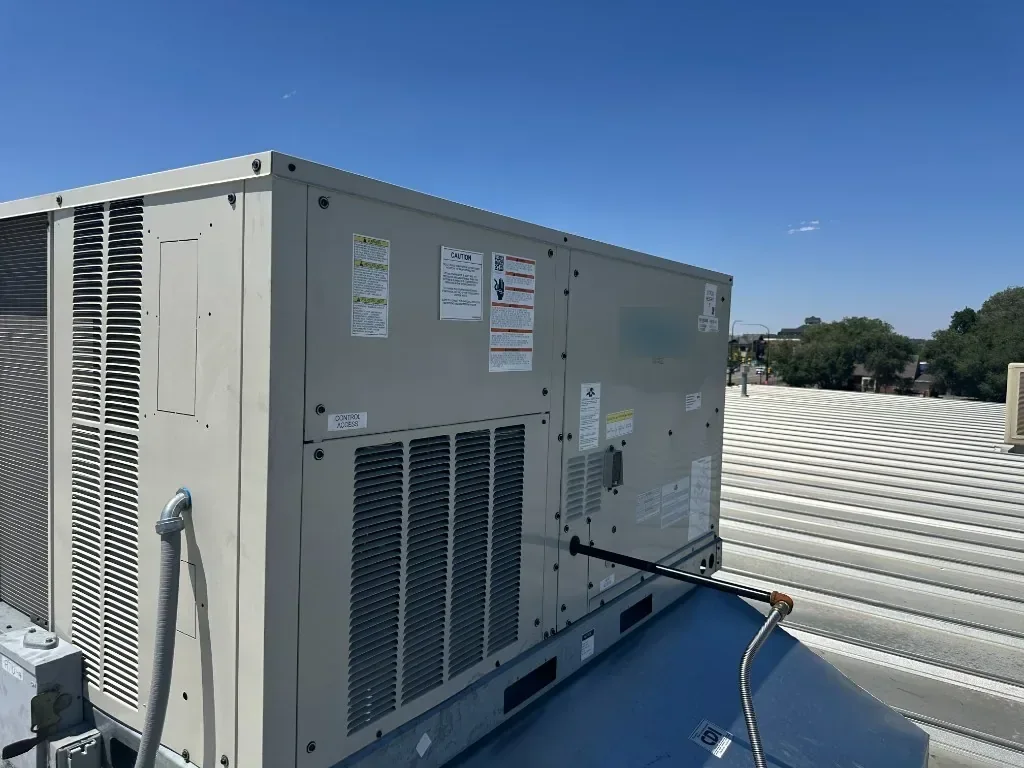
A curb corner tucked behind a condenser can hide a split at the membrane termination. We inspect commercial rooftop equipment curbs and supports in Cambridge, MA by tracing the flashing, fasteners, service path, and drainage around each unit. Kendall Square combines research and life-science facilities with housing, hotels, shops, and restaurants, so roof access can sit beside active equipment and occupied floors. The actual roof plan and equipment layout set the work boundary. We record what can be inspected from the roof, identify loose or wet details, and coordinate any equipment movement with the owner before opening a curb or support base.
Which curb details need a field check?
At each unit, we inspect the curb flashing, membrane rise, termination, counterflashing, fasteners, and corners. We check whether the metal is secure, whether sealant has separated, and whether water can collect on the uphill side. Equipment rails and pipe supports receive a separate look at their feet, attachment points, and surrounding membrane. A wet ceiling below one unit may guide the route, but we still compare it with seams and drains before assigning a source.
Service routes can abrade membrane or compress cover board where technicians repeatedly walk or set tools. We note pads, loose boards, and protection at access points, then locate any puncture or exposed fastener. Cambridge's research districts include buildings with specialized laboratory and testing activity, according to MIT's campus description. That context can make equipment coordination important, but it does not tell us the unit type or condition on an individual building. A hands-on inspection records the actual curb and nearby roof section before work is scoped.
Is water entering at the unit or traveling from elsewhere?
Water appearing below equipment may originate at a curb, pipe boot, conduit, seam, or upslope edge. We inspect each transition and follow the drainage plane rather than sealing the nearest visible joint. If the curb metal is secure but the membrane flashing has lifted, the repair boundary differs from a cracked curb or movement in the equipment support. Test openings can confirm whether insulation is wet below a suspect detail; the record identifies each sampled point.
Newer roof layers can raise the surface and reduce curb flashing height, while patch buildup may leave a step that traps water. We measure the membrane rise and note whether the termination remains visible and secure. A penetration flashing repair may address the roof connection, but structural support or HVAC adjustment may need review by the responsible trade. We identify that boundary in the scope so roofing work does not imply that equipment alignment or support capacity was evaluated.
How is equipment protected during roof work?
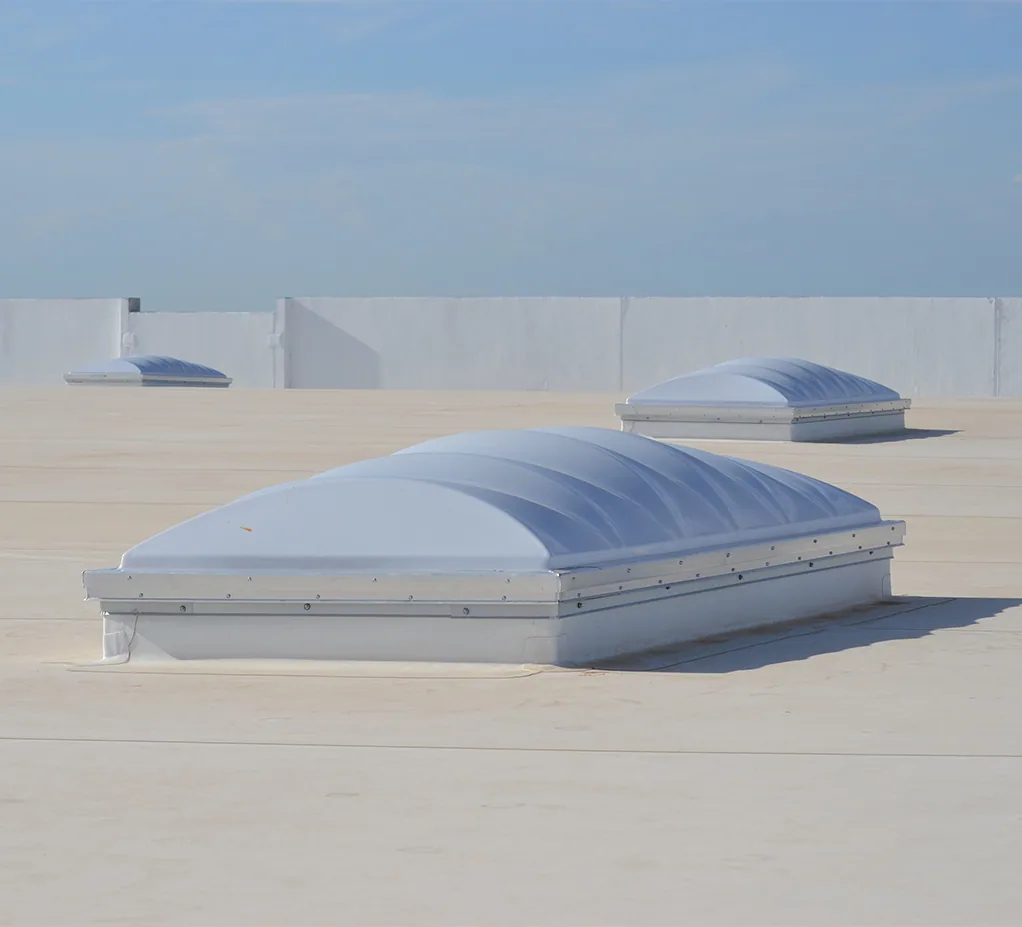
Before removing flashing or placing materials near a unit, we confirm operating restrictions, service clearances, air-intake locations, and the person who can authorize a shutdown. We do not move equipment or disconnect services without owner direction and the appropriate trade. The crew protects intakes from dust and debris, keeps the repair zone clear of service lines, and limits open roof area to a daily dry-in boundary. If weather changes, temporary protection closes the detail until permanent work can resume.
Cambridge Crossing includes commercial and residential buildings alongside dining and retail uses. That mix can affect material lifts, pedestrian routes, and the access window, while a research property may need additional coordination around exhausts or lab operations. We confirm the actual building's procedures before starting. For larger work that spans multiple units, an occupied-building sequence can coordinate access, equipment contacts, and roof-section stop points with operations.
When does the curb need rebuilding?
A localized split in the membrane flashing may be repairable when the curb is sound, tall enough, and securely attached. A low curb, deteriorated metal, repeated movement, or trapped moisture can require a larger rebuild. We compare the condition at all sides of the curb and note whether the uphill transition directs water away from the unit. If the unit itself obstructs the work, we coordinate a removal plan rather than cut around a condition that cannot be flashed correctly.
Support bases need a stable connection and protection where their legs meet the roof. We inspect for movement, corrosion, loose hardware, cracked pads, and membrane stress, then identify whether a roofer or equipment contractor should address each item. If the roof has broad moisture or attachment concerns, a moisture survey can guide test openings; a confirmed roof defect can be repaired under a scoped repair. We keep structural conclusions outside the roofing report unless they are provided by the responsible professional.
What should the equipment record include?
We label each unit or support by roof section and photograph the curb corners, flashing height, attachment points, and nearby drain path. The closeout identifies whether the repair addressed membrane, metal, support protection, or access wear and records any item left for another trade. If a test opening revealed wet insulation, we note its exact location and the owner-approved repair boundary before closing it.
A property manager can preserve those images in a roof condition report and revisit the same service route at later inspections. At a building near Kendall Square or on the MIT campus, records should name the specific address and unit location, not assume nearby roofs share the same mechanical layout. That helps distinguish a new curb leak from a previous repair or a separate drainage issue.
The equipment record should identify the unit, curb or support, flashing, fastening, and nearby drain or seam by roof section. We photograph each side of the curb and note whether panels, conduit, or piping limited access. If an equipment contractor will lift or replace the unit, the handoff states which roofing details must be inspected after reset and who is responsible for the final weather seal. A temporary cover is recorded separately from the permanent curb rebuild. This prevents a roof repair from being treated as complete while another trade still has to disturb the membrane, and it gives facilities a clear record of the interface for future service.
Commercial Roofing Questions
Can you repair flashing without disconnecting the rooftop unit?
Many curb repairs can be completed with the equipment in place when safe access and clearances allow a sound tie-in. If a unit blocks the flashing or requires service disconnection, we coordinate with the owner and equipment contractor before work proceeds.
Who decides whether a curb has enough height?
We measure the roof surface to the flashing termination and compare the condition with the proposed roof assembly and applicable system requirements. If a design or code determination is needed, we identify it for the responsible designer rather than assume a field measurement answers it.
Can technicians keep using the roof while a curb is under repair?
The work zone and service route are coordinated with the property contact. We may restrict access near an open curb or fresh flashing until the area is secure. The access plan should identify an alternate route if the equipment needs service during that window.
Does staining below an HVAC unit prove the curb is leaking?
No. Water may travel from an upslope seam, penetration, or drain before appearing inside. We inspect the curb and adjacent details, then document whether a test or additional opening is needed to confirm the path.
What if the support legs move when equipment runs?
We record visible movement and inspect the roof protection and flashing around each foot. Equipment vibration, support design, or attachment capacity may require review by the mechanical or structural professional responsible for that system.
Related Roofing Work
More Commercial Roofing Services
Browse every page in Commercial Roofing Services, or request a roof assessment and we will walk the roof with you.
Map each roof unit and support
Send the Cambridge property address, roof plan, equipment locations, reported leak or movement, access contact, and work window. We will inspect the curb and support transitions and document any coordination needed with the equipment contractor.