
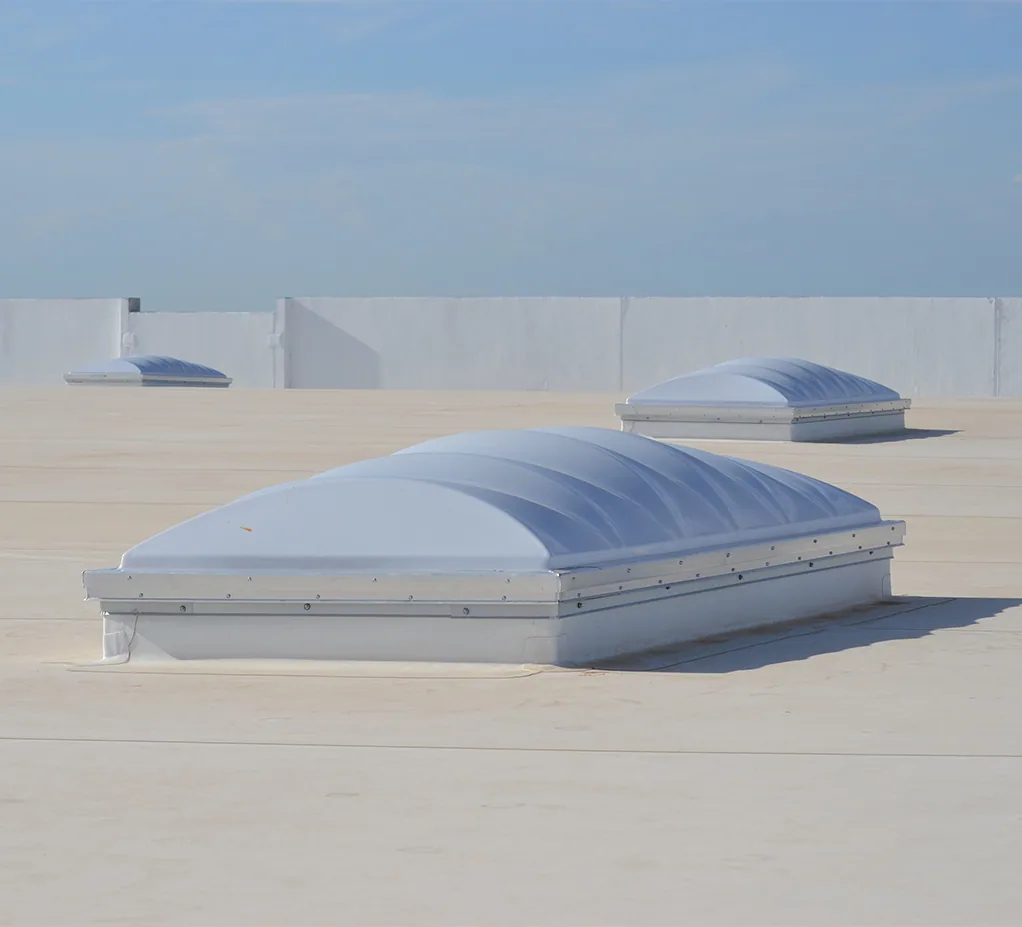
Commercial Skylight and Penetration Flashing in Cambridge, MA
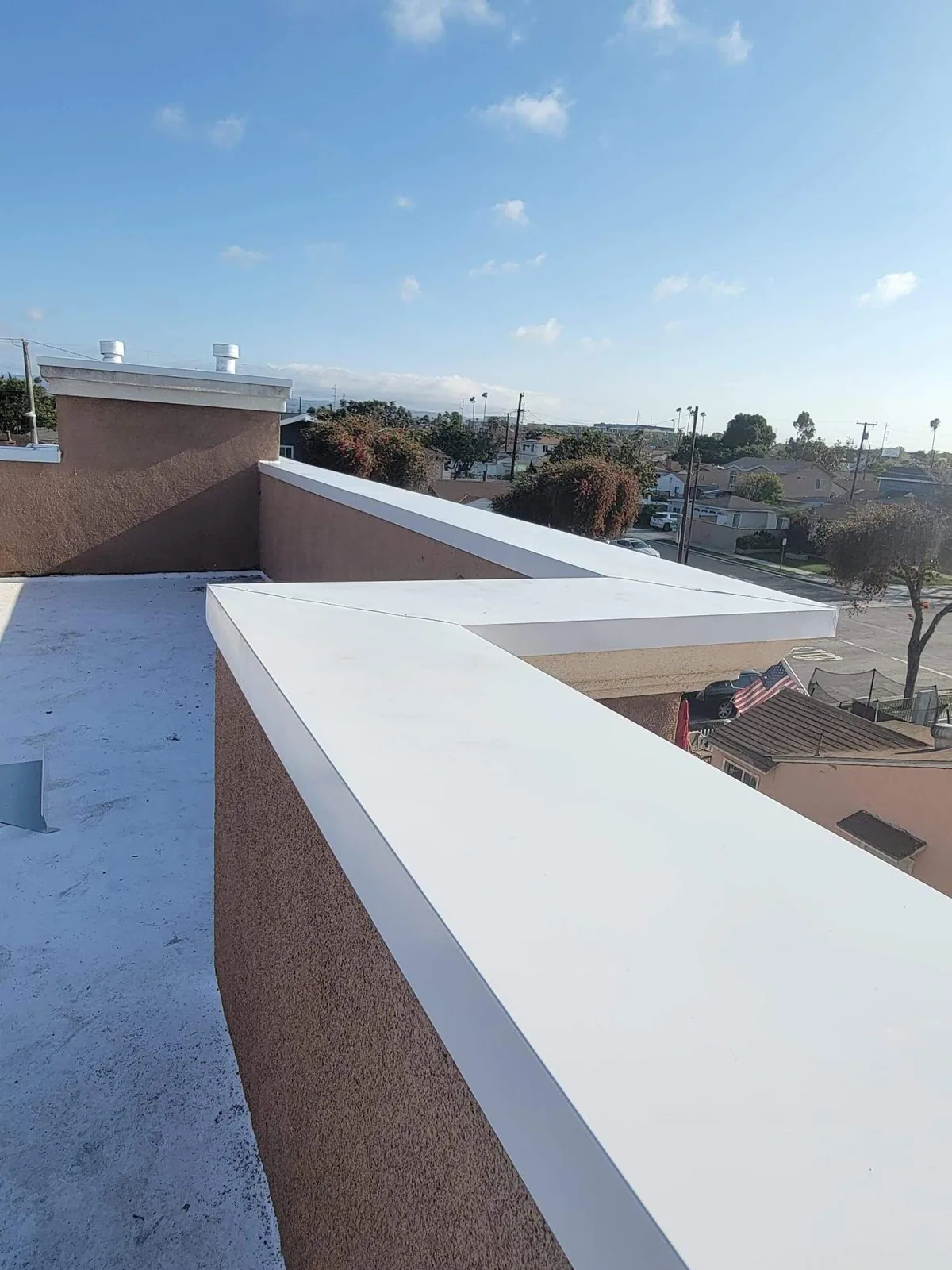
Repair commercial skylight, curb, pipe, and equipment flashing in Cambridge. We inspect the membrane transition, termination height, and interior leak path.
An upstand that disappears beneath a skylight frame leaves the flashing height and termination lap difficult to verify. We inspect commercial skylights and roof penetrations in Cambridge, MA by following the membrane up each curb, boot, and support. The repair boundary depends on the frame, curb, seal, and surrounding roof, not just the interior stain. Cambridge reports more thaw-freeze swings, heavier precipitation, and more frequent winter flooding, so we also check how water drains away from each penetration. Research and institutional buildings near MIT and Harvard Square can have dense rooftop equipment, but the actual roof determines the access route and detail. Our report records what is visible, what was opened, and which transition needs repair.
What should be checked around an opening?
At a skylight, we examine the curb height, membrane flashing, frame perimeter, fasteners, sealant, and nearby seams. We look for cracks, gaps, loose metal, blocked weeps, and signs that water is collecting at the uphill side. At pipe or conduit penetrations, we inspect the boot, clamp, seal, and membrane around the base. Equipment supports and rails can create separate movement points, so we mark them on the section map rather than grouping every roof opening into one condition.
An interior drip near a skylight does not by itself identify whether water entered at the frame, curb, or a seam uphill. We compare the report with roof slope and the nearest drain, then trace the likely path. If the assembly may contain moisture, a test opening or suitable survey can help determine how much material is affected. A focused leak investigation records that path before work begins, especially when the opening is above occupied or sensitive space.
Is the frame or the roof flashing failing?
The frame and roof membrane meet at several transitions. A cracked seal at the frame may allow water past the glazing assembly, while a split membrane flashing can admit water beneath the curb. We inspect both interfaces and note where the water route can be confirmed. If the skylight frame itself is damaged or its glazing needs service, that work may require a glazing contractor; we identify that boundary rather than treating every leak as a roofing repair.
At a curb, the flashing should rise high enough to terminate above the roof surface and connect securely to the membrane. Added roof layers, patch buildup, or a low curb can reduce that height. We note the curb dimension and whether the termination is exposed for inspection. For a membrane transition that needs rebuilding, a roof repair can include new flashing and a compatible tie-in. If multiple penetrations show repeated failure, the report can compare local repair with a broader replacement scope.
How is the opening kept weather-tight?
Work around a skylight or penetration may expose the roof as old flashing is removed. We confirm weather conditions, interior protection, access below, and the daily work limit before opening the detail. The crew prepares the surface, installs compatible flashing, and secures the upper termination, then checks the nearby seam and drainage path. If a permanent repair cannot be completed safely before weather changes, we install temporary protection and tell the property contact what remains.
Cambridge's climate planning calls out heavier precipitation and stronger storms as local risks, so the tie-in and temporary cover need a clear stop point. On a MIT-area property, the property contact can identify restricted equipment zones and access requirements; the neighborhood's research activity does not establish a roof's equipment layout. We coordinate roof access, air intakes, and work timing with the building team. For a larger project with ongoing operations, an occupied-building sequence can coordinate multiple penetrations with interior schedules.
When is a boot enough, and when is a curb rebuild needed?
A pipe boot may be replaced locally when the pipe, membrane, and surrounding roof remain sound and a compatible detail can be installed. A low or deteriorated curb may need additional framing or a rebuilt flashing transition. At a skylight, a repair to roof flashing cannot correct a failed glazing seal or cracked frame. We identify which component is within the roofing scope and whether another trade needs to review adjacent parts.
Spacing and grouping can affect the repair. Closely placed pipes, conduit racks, or equipment supports may make individual patches overlap or interfere with water flow. We inspect the field around the openings and note whether an up-slope cricket or additional drainage work is needed. In Cambridge Crossing's commercial and residential development, as in Harvard Square's university and retail district, service access should be planned for the actual building and tenant operations. If water ponds at the uphill side, a drainage correction may be needed alongside the flashing repair.
What should the penetration record show?
The work record identifies each opening, the existing flashing condition, materials removed, repair method, and finished tie-in. Photographs show the curb or boot before and after repair, plus enough adjacent membrane to locate it. We record test openings and any wet material separately. If the glazing frame or equipment support remains outside the roofing work, that limit appears in the closeout so the owner can assign the related item correctly.
For multiple buildings, labels such as roof section, curb number, and access route help crews return to the same detail. A condition report can preserve the photographs and note follow-up checks. The next maintenance visit can review boot clamps, termination laps, sealant condition, and drain paths around the repaired opening without assuming the neighboring details have the same condition.
The closeout record identifies the opening type, curb or frame, flashing material, corners, fasteners, and adjoining membrane. We note whether the glazing, frame, or roof tie-in was the component that could be confirmed as failed. If the opening sits above an occupied room, the protection below and the time the weather-tight boundary was restored belong in the work log. Photographs show both the detailed corner and a wider roof reference. If sealant remains as a temporary measure, it is labeled that way with a follow-up plan; it should not disappear into a photo caption as if it were a rebuilt flashing assembly.
Commercial Roofing Questions
Can you stop a leak by sealing around the skylight frame?
Only when the failed point is at the frame seal and the surrounding roof flashing remains sound. We inspect both interfaces before selecting the repair. A split curb flashing or an uphill seam needs a different correction than a frame perimeter issue.
Do you replace skylights as part of flashing work?
We repair roofing transitions and can identify frame or glazing conditions that need review. Replacement of the skylight itself may involve a separate scope or trade. We record the boundary so the roof tie-in and frame work are coordinated.
Why does a pipe boot fail again after sealant?
Movement, incompatible material, poor fit, or a damaged surrounding membrane can defeat a surface bead. We check the pipe, clamp, boot, and base before choosing a repair. The closeout notes what was replaced and what remains under observation.
Can new roofing make an existing curb too short?
Added membrane, insulation, or repair layers can change the finished roof height. We measure the curb and termination before recommending a recover or replacement detail. If flashing height cannot be maintained, the curb may need to be raised or rebuilt.
What if the leak appears far from the penetration?
Water can travel beneath the membrane or along the deck before reaching an interior room. We use the stain as a starting location, then inspect uphill seams, adjacent curbs, and drainage. If the route remains unclear, we identify a test point or additional survey.
Related Roofing Work
More Commercial Roofing Services
Browse every page in Commercial Roofing Services, or request a roof assessment and we will walk the roof with you.
Inspect the penetration as a complete transition
Share the Cambridge building address, room or roof location, penetration type, roof plan, and access contact. We will inspect the curb or boot, trace the water path, and document which part needs roofing repair.