
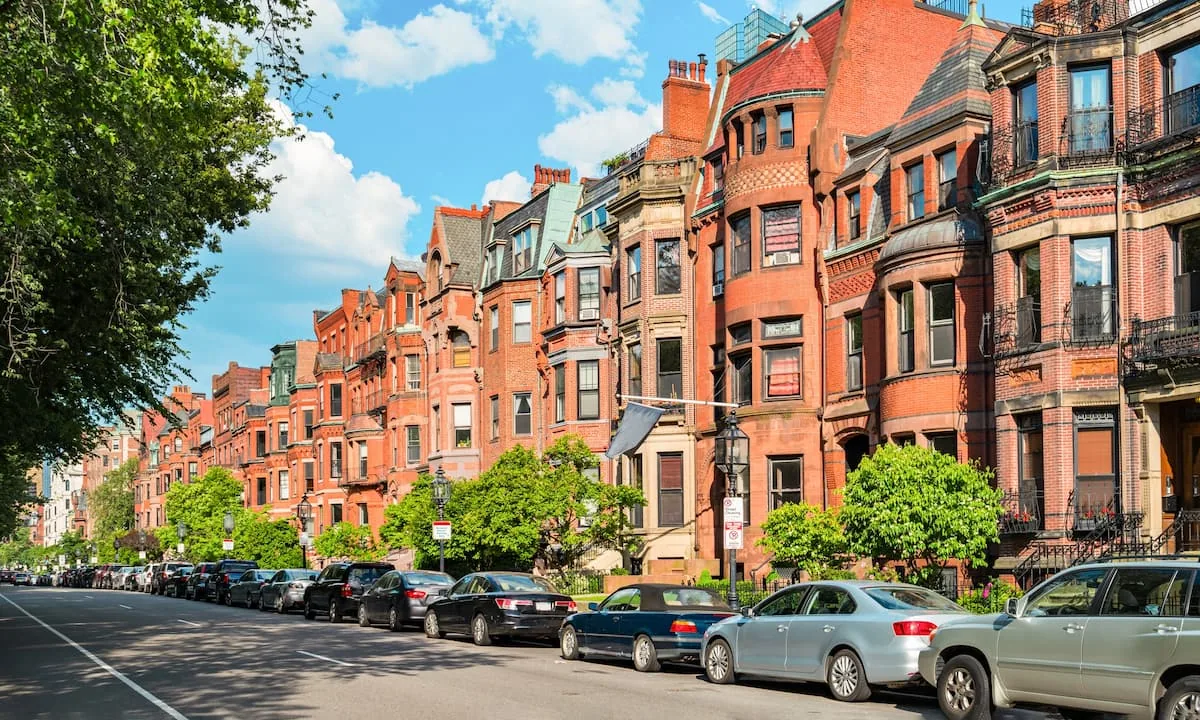
Commercial Roofing in Watertown, MA
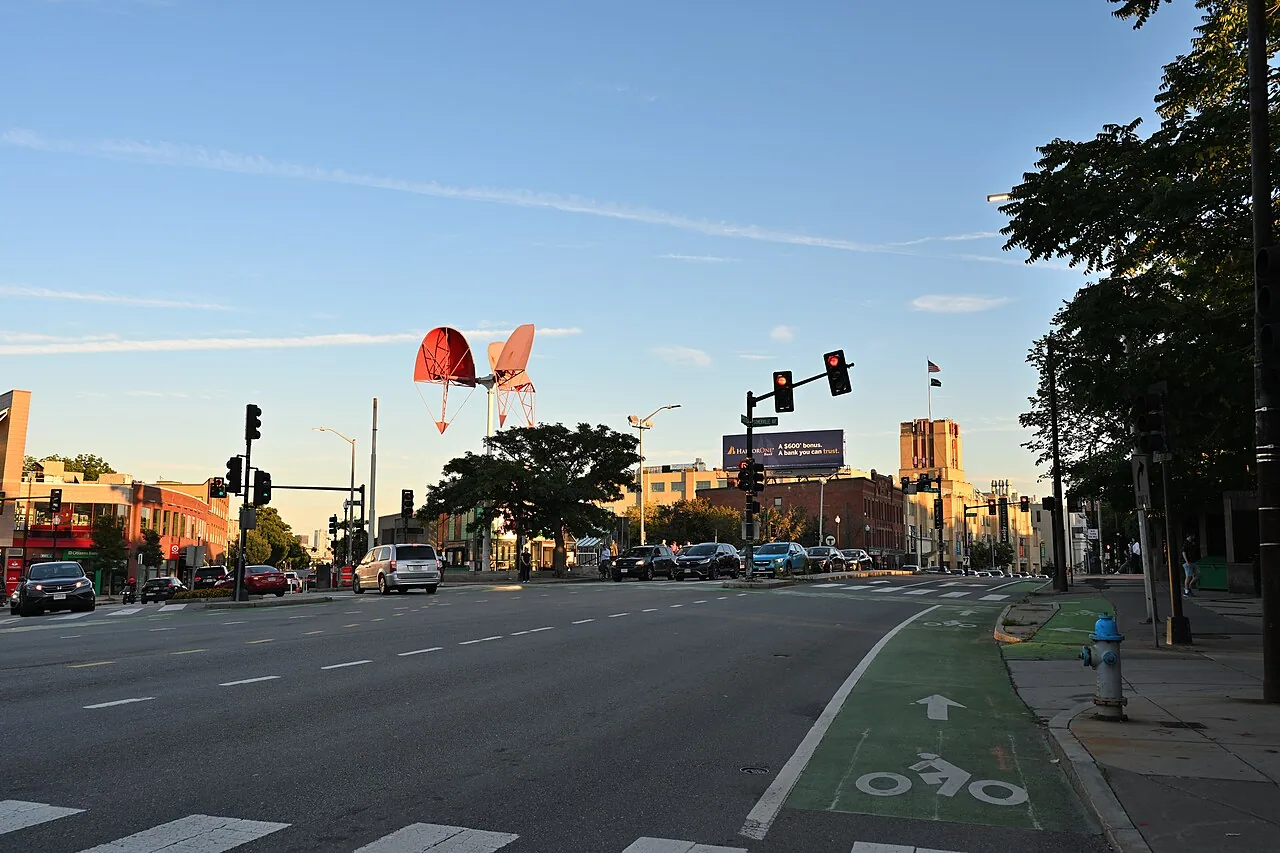
Inspect commercial and industrial roofs in Watertown, MA, with service planning for retail, auto-oriented, and mixed-use properties.
A roof drain beside a parapet can hold runoff against the membrane if the bowl, overflow, or slope no longer work together. Watertown, MA, identifies established commercial and industrial districts as opportunity areas for planning. Watertown Square includes traditional downtown shops and a library, alongside auto-oriented businesses such as tire stores, gas stations, and car dealerships. The city also cites development pressure along Arsenal Street, Watertown Square, Coolidge Square, and Pleasant Street. Those district facts set a real service area; they do not establish a roof's age, assembly, or condition. We verify the building and access contact, then inspect membrane transitions, curb flashing, drains, and the reported interior area. A plan can span Main, Galen, Arsenal, North Beacon, and Mount Auburn Streets within the 167-acre Watertown Square planning area. We use those corridor names only to orient the property file; the roof findings remain tied to its actual address.
What does the first walk need to establish?
We identify the roof section, approved access route, property contact, and space below before following a leak report. In a district with shops, a library, tire stores, gas stations, and dealerships, work hours and equipment coordination can differ by property. The contact confirms operational limits rather than relying on the land-use label. The walk records membrane type when visible, seam and patch condition, drains, overflow openings, curbs, penetrations, edge metal, and prior work. A commercial inspection creates a photo set linked to the section and names any area the crew could not reach. If a mechanical unit, sign, or vehicle canopy affects the reported detail, we mark it and identify who controls that piece of equipment. The purpose is to distinguish confirmed roof conditions from building records, tenant reports, or a visual angle that cannot verify concealed layers.
How do retail and auto roofs shed water?
The answer comes from the assembly and its outlet path, not the building's business type. We trace the roof plane to each drain bowl, scupper, overflow, and discharge connection, then inspect the membrane and flashing around those details. If a report points to a showroom, service bay, or shop interior, we compare it with the roof plan and nearby seams, curbs, and edges. Water can move laterally before it appears indoors. A ponding-water investigation maps low areas and drainage behavior; a drain review checks the bowl and overflow detail. When concealed moisture could change removal limits, an opening or appropriate survey defines the test area. We document whether water was present during the visit and whether the outlet was obstructed, because a dry inspection cannot establish performance during a storm.
What should a capital scope distinguish?
A local patch can address an isolated defect when the surrounding roof is sound and the repair reaches compatible material. Repeated openings, wet insulation, soft decking, deteriorated metal, or drainage problems may point to broader work. We verify attachment, layer count, membrane compatibility, substrate, curb heights, and outlet elevations before comparing repair, recover, coating, and replacement. A recover adds height at drains and edges. Coating requires a suitable surface and preparation. Replacement needs a removal boundary and a secure sequence across exposed sections. A recover review tests the layer and clearance limits; a flashing scope identifies the curb, wall, or edge tie-in. If renovation work is already planned along Arsenal Street or Watertown Square, we do not assume it includes the roof. The estimate keeps verified roofing quantities separate from any owner or general-contractor scope still to be confirmed. If an auto-oriented property has rooftop signs or service equipment, their supports and penetrations are inspected as individual details; the business label does not prove how they were flashed. A coating trial or test opening may be useful when surface compatibility or wet insulation remains uncertain. We state whether the repair closes water entry temporarily or resolves the confirmed defect. Each option lists protection below, staging needs, weather limits, and any equipment shutdown requested by the property. That gives the owner a practical sequence for authorizing immediate work and later capital decisions.
How does work fit around mixed-use operations?
The building contact confirms access, deliveries, customer paths, equipment restrictions, and the space below each section. A shop, library, dealership, or gas station may have separate operating needs, but we set the work plan from the property's actual rules. We agree where materials move, how a test opening is protected, and who accepts the daily closeout. The city's 167-acre Watertown Square planning area includes Main, Galen, Arsenal, North Beacon, and Mount Auburn Streets; those corridor limits do not establish access or a staging point for a specific roof. An occupied-building sequence can divide work by section and list the stop condition if weather or building operations interrupt. We keep drains open and photograph temporary closures. If another trade changes a curb, sign, or mechanical support, the field record identifies the flashing work still needed before the section returns to service.
What should an owner retain across districts?
Keep one file per property with plan revision, roof system, drain map, equipment changes, photos, test openings, repair material, and access contact. A citywide portfolio may include Watertown Square, Coolidge Square, Arsenal Street, and Pleasant Street, but a finding in one district does not transfer to another roof. A condition report can identify active repairs, deferred maintenance, and capital questions with the supporting evidence. If the owner also manages Cambridge assets around Alewife or North Cambridge, use common fields while preserving the property and market identifiers. A follow-up inspection compares the original photos, confirms any repair remained in place, and notes changed equipment or a blocked outlet. The record should label items as inspected, tested, repaired, or inaccessible rather than treating a scheduled visit as proof that every section was checked.
What should be provided before the crew arrives?
For a Watertown service call, share the street address, available roof drawings or membrane records, location of the interior report, repair history, access contact, and preferred work period. Add the operating hours and any customer, equipment, or delivery constraints the property has confirmed. For active water entry, emergency service can be dispatched at any hour, including weekends and holidays. The first response can limit exposure and document the relevant roof section. Permanent work depends on the assembly, substrate, preparation, and test results. Timing and cost also reflect staging, weather, material availability, safety controls, and coordination with other trades. The closeout describes what was done, what remains temporary, and which test or authorization is needed next. A clear record lets the manager keep roof work aligned with corridor redevelopment without assuming that a public planning effort has already specified the building's roofing scope.
Commercial Roofing Questions
Does Watertown Square's planning area define my roof scope?
No. It identifies a 167-acre planning area and its named streets. We use the specific property roof plan and field condition to define the scope.
Can a dealership or gas station stay operational during repairs?
The owner confirms vehicle routes, equipment, customer access, and work hours. We stage by roof section and keep a secure closure plan for each shift.
What if development work is planned nearby?
A city plan does not establish roofing work at a specific address. We coordinate with the property and other contractors and identify the actual roof tie-ins in the scope.
When should a low area be opened for testing?
When the result could change the repair boundary or distinguish surface ponding from concealed moisture. We document the test location and the material confirmed there.
What information helps price a recover?
Layer count, attachment, substrate, drainage elevations, overflow clearance, and edge conditions. We state what was confirmed and what still needs a test before quantities are final.
Related Roofing Work
More Service Areas
Browse every page in Service Areas, or request a roof assessment and we will walk the roof with you.
Request an address-specific roof assessment
Send the Watertown address, roof plan or system records, reported condition, access contact, and work window. We will document the assembly, drainage path, and repair boundary.