
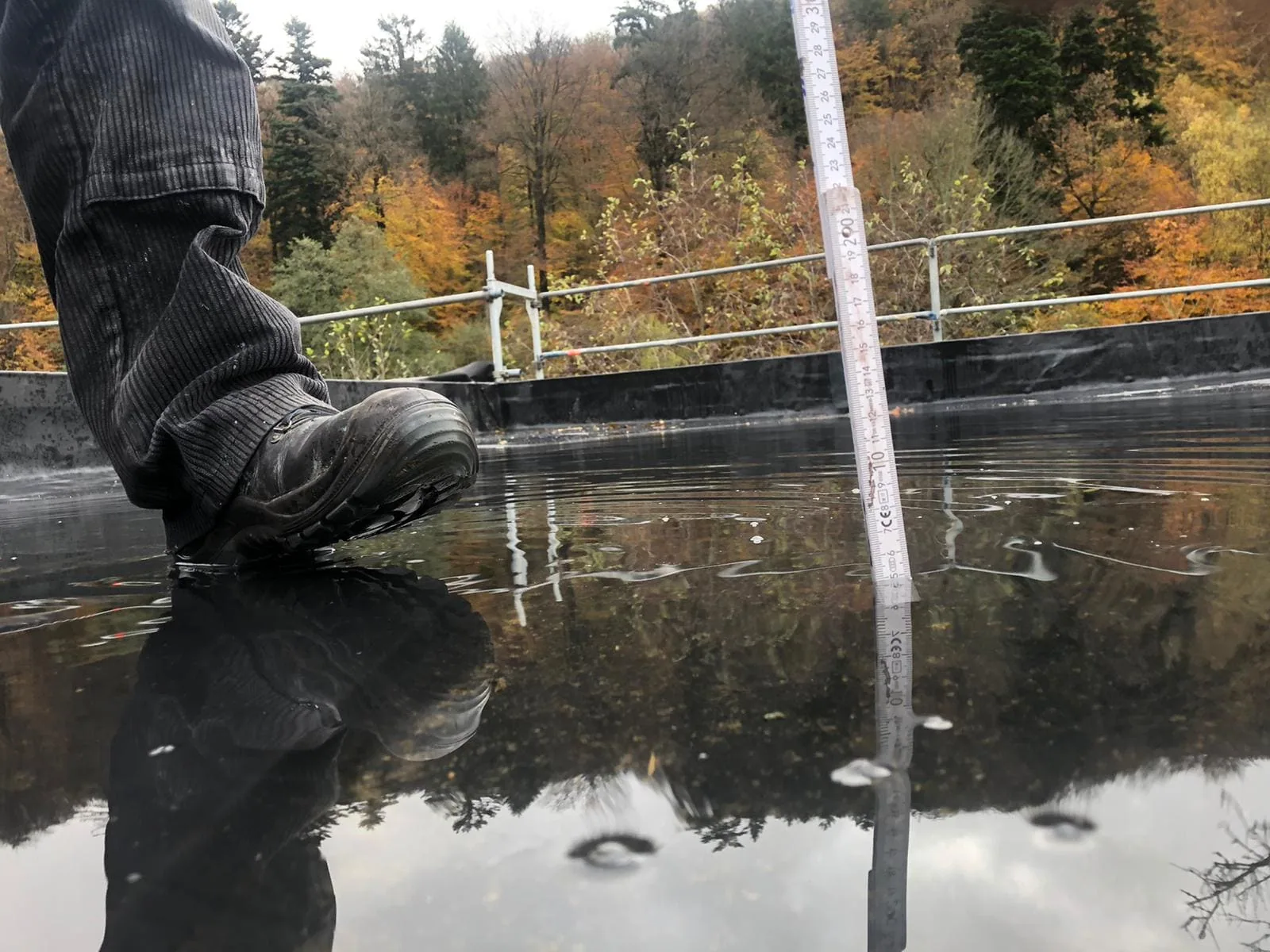
Ponding Water Roof Repair in Cambridge, MA
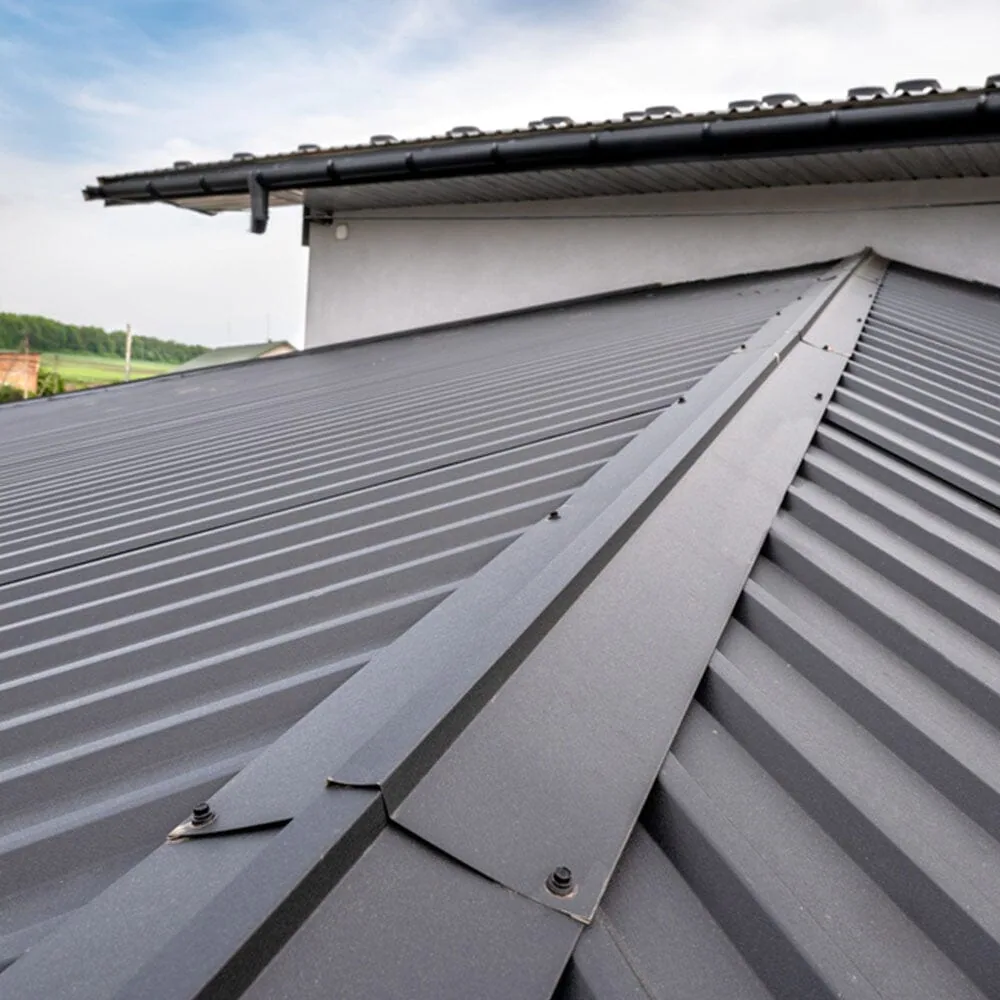
Diagnose Cambridge commercial roof ponding by checking drains, overflow paths, membrane condition, and substrate before defining repair options.
A shallow pool left beside a clogged drain bowl can point to debris, a settled area, or both. In Cambridge, we trace the low point to the outlet, overflow, and surrounding roof plane before recommending a repair. The City reports heavier precipitation and more frequent winter flooding, and its planning identifies Alewife as an area with relatively greater future flood risk. Those are local weather and planning facts, not evidence that a particular roof has ponding. The field walk measures the water path and records the surface, drainage, and substrate conditions that support the next step.
The inspection notes whether the water boundary was measured while wet or after the roof had time to drain. That timing helps distinguish an active obstruction from a surface depression that persists after rainfall. The report records the conditions and method used for any follow-up measurement.
What should be checked before blaming the membrane?
We inspect the drain bowl, strainer, leader connection where accessible, overflow, slope, membrane seams, and nearby curbs. A blocked outlet can hold water even when the roof plane drains correctly; a depressed area can remain after the bowl is clear. We photograph water lines and note how long after rainfall the roof was inspected. If the substrate may be wet, moisture testing can help distinguish retained surface water from moisture inside the assembly.
The City groups offices, auto-related businesses, light manufacturing, retail, and apartments within the Alewife Commercial District. Cambridge Crossing also combines commercial and residential space with dining and retail. The roof at a property in either area still needs an individual survey. A drain and overflow inspection maps the primary and secondary paths. A roof condition survey documents the membrane and low points. If the issue continues at a seam, a seam review checks the connection around the ponding area.
How do you tell a blocked drain from a roof depression?
We first clear and inspect the outlet when that work is within the approved scope, then observe where water remains. A depression may reflect deck deflection, insulation settlement, tapered insulation layout, or a change in the roof plane. Those possibilities require field confirmation and sometimes design review. We do not prescribe added roof slope without checking structural loading and drainage design. The report identifies measurements, tests, and any question that belongs with an engineer.
Cambridge winter guidance describes more thaw-freeze variation and heavier precipitation. A standing pool can increase the time water contacts seams and flashing, but the weather trend does not prove the cause. We compare the drain location with the roof plan and note whether an overflow is present, blocked, or not accessible. If ponding corresponds with a soft area, we can identify a test opening to assess insulation and deck condition before discussing replacement or recover.
We also note the weather and time between rainfall and the site visit. A roof inspected during active precipitation may show flow that cannot be observed after the surface dries. A return check can verify whether the low area retains water after the drain is clear. That observation is recorded with the inspection conditions so later comparisons use the same basis.
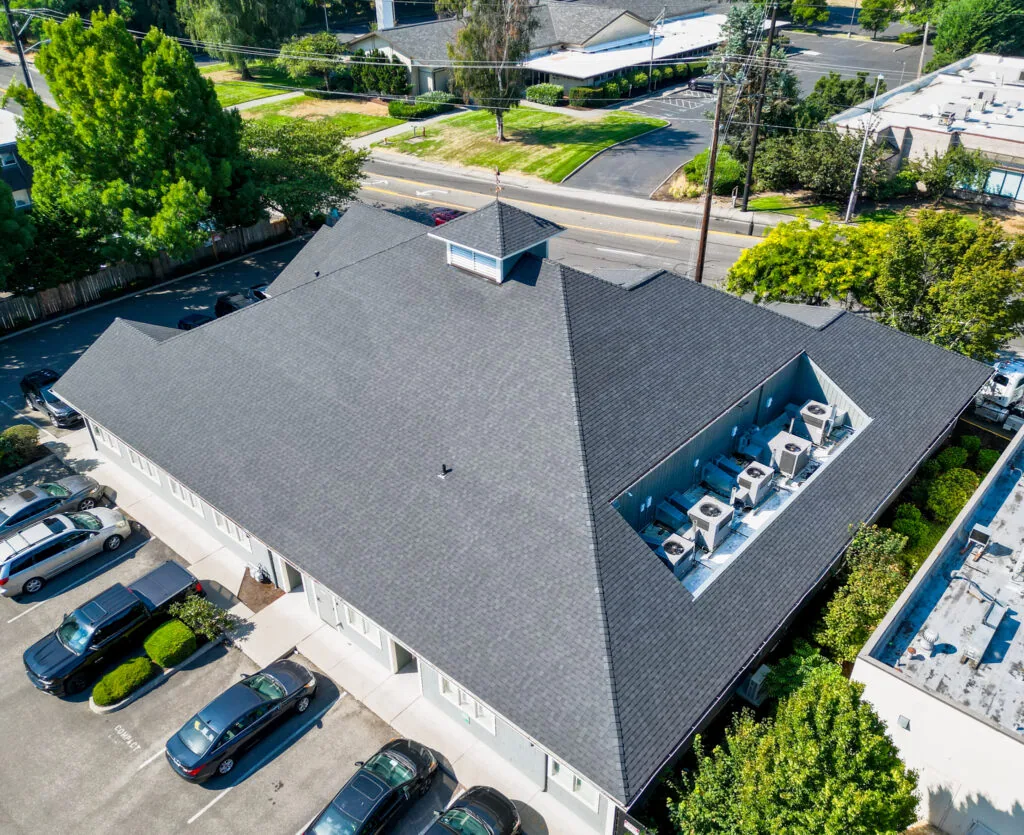
What can be done before a permanent drainage correction?
If active water is entering the building, our emergency response can be coordinated at any hour, including holidays, subject to site access. We locate the opening, protect the interior where safe, and record any temporary measure. A temporary patch around a drain does not correct a blocked leader or settled substrate. The service note states whether the roof was left temporarily closed and which drainage or structural questions remain for follow-up.
Before opening a ponded area, we identify equipment, interior uses, roof access, and material staging. A phased occupied-building plan can set the daily closure point. At a property in Alewife, the manager confirms the service entrance and any flood-related access restrictions. Cambridge’s reported weather patterns make a dry-in plan important during work, but each property’s actual drainage controls the repair.
When does ponding call for repair, recover, or replacement?
Cleaning a blocked bowl may resolve the immediate condition when surrounding material is intact. A repair can address an open seam or flashing defect if the substrate remains sound. Recover suitability depends on moisture, attachment, layer count, drain height, and structural capacity. Replacement may be appropriate when widespread wet insulation, damaged deck, or repeated failures are confirmed. We state which measurements and tests support each option and avoid treating a single standing-water observation as a complete roof diagnosis.
A wind-damage inspection may also consider how displaced edge material affects drainage, while a warehouse roof has its own operating and access constraints. The building type does not decide the ponding cause. A recover evaluation can check existing layers and heights. A replacement scope identifies drain adjustments, substrate work, and temporary protection separately.
What should the drainage repair record show?
The record identifies the roof section, drain and overflow locations, observed water depth or boundary when measurable, debris, test points, and repairs. Photos should show the bowl, adjacent membrane, and roof plane from a known reference. We note which outlet was cleared and whether the downstream leader was checked. Any structural question, inaccessible pipe, or untested wet area stays visible for follow-up rather than being marked resolved.
Later maintenance can compare the same outlet and low point with the survey. Cambridge’s winter precipitation trend supports keeping a drain inspection on the property calendar, while a new visit confirms whether water still remains. A condition report can track inspection dates, cleaning, repairs, and test results so a repeated ponding report can be evaluated against prior evidence.
Where a drain connects to concealed piping, the roofer can document the visible bowl and leader entry while flagging downstream flow for the appropriate building trade. The distinction matters when water stays after the roof outlet is cleared. We keep roof membrane findings separate from inaccessible plumbing and recommend the next inspection needed to close that question.
A drainage record should describe where water collects and how it leaves the roof, not just note that ponding was present. We mark the low point, measure or map the direction of fall where practical, inspect the drain bowl and overflow elevation, and record debris or restrictions found during the walk. A brief observation after rain can show surface behavior, while a dry visit cannot establish how long water stood. If corrective slope, a new outlet, or plumbing work is considered, that design boundary is listed separately from membrane repair. Photos from the same position make later comparisons more useful, especially after a drain correction or resurfacing changes the roof elevation.
Commercial Roofing Questions
How long can water remain before it needs a repair?
The inspection records the area and drainage path, then checks whether the bowl, overflow, or roof plane is responsible. Duration alone does not identify the cause or the required scope.
Can you solve ponding by adding more drains?
Drainage changes depend on roof design, structure, outlets, and overflow. We document field conditions and identify when a design professional needs to review changes to slope or drainage capacity.
What does a soft spot near standing water mean?
It may indicate wet insulation or another substrate condition, but it needs testing. We mark the location and explain whether a moisture survey or test opening can confirm the layers.
Can you respond when ponding is causing an active leak?
We can coordinate urgent service at any hour, including holidays, after access is approved. The visit locates the opening and records any temporary protection and permanent follow-up.
What should a manager provide before a drainage inspection?
Send the roof plan, reported low point, drain and overflow records, leak history, access contact, and any prior cleaning notes. The field walk checks the actual flow path.
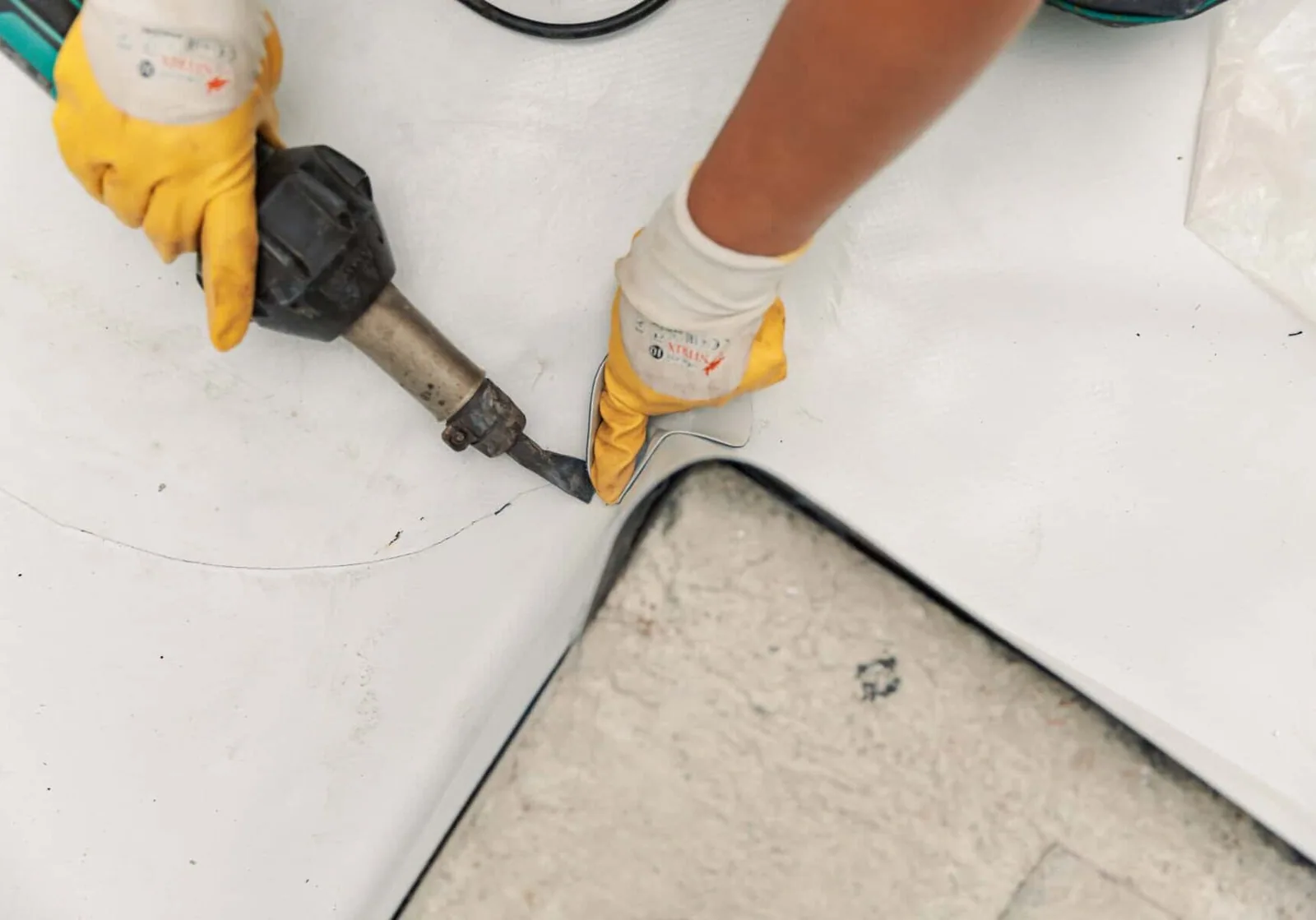
Related Roofing Work
More Roof Damage Repair
Browse every page in Roof Damage Repair, or request a roof assessment and we will walk the roof with you.
Trace Cambridge roof water to its outlet
Send the property address, roof plan, reported low point, drain and overflow records, leak history, and access contact. We will inspect the roof and document drainage repair options.