
Wind Damage Roof Repair in Cambridge, MA
Inspect Cambridge commercial roofs after high winds for displaced edge metal, lifted membrane, open seams, and repairs mapped to verified damage.
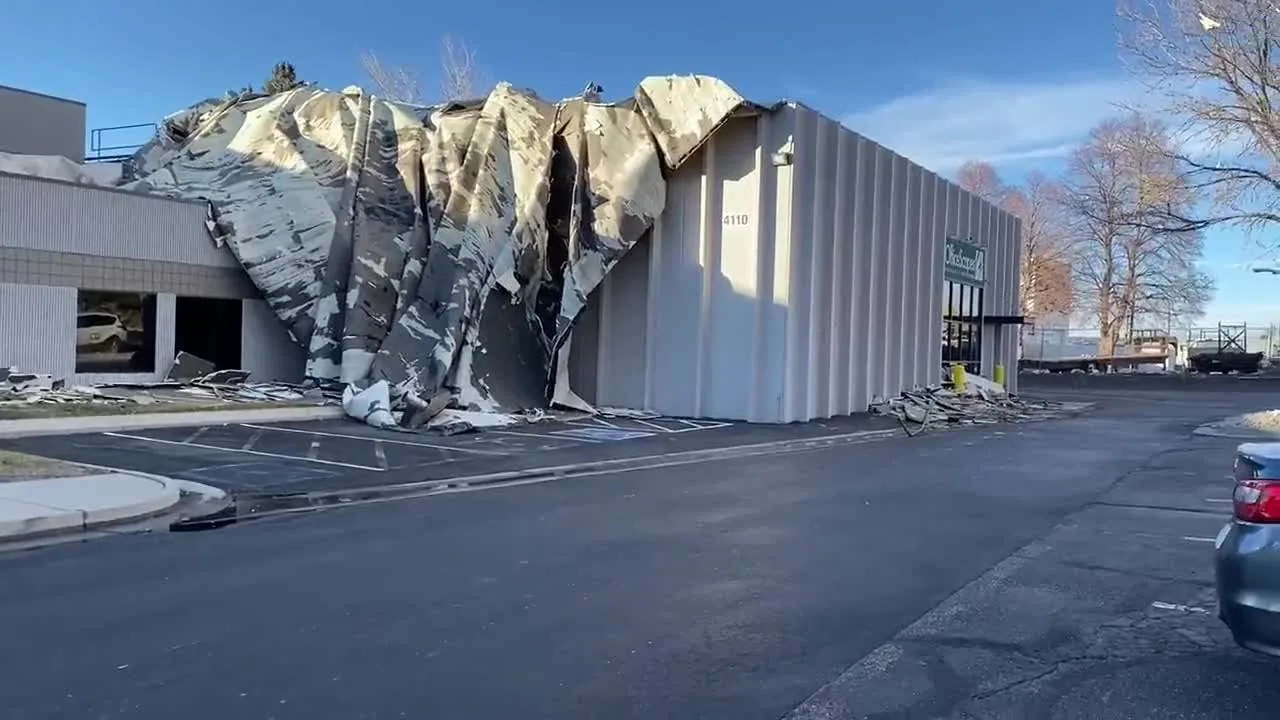
A coping cap turned out of line can open a path for wind-driven rain along a parapet. After a high-wind report in Cambridge, we check the edge transition, nearby membrane, fasteners, and drain route before drawing a repair boundary. The City’s climate assessment identifies more intense storms and precipitation among local physical risks. Kendall Square’s mix of research, offices, housing, hotels, and shops and Cambridge Crossing’s dense mixed-use setting make building access and operation part of response planning. Those facts do not prove a particular roof took damage; field evidence sets the scope.
What should be checked after the wind passes?
We inspect parapets, coping joints, edge metal, membrane seams, rooftop curbs, and any temporary cover that may have moved. A torn surface, lifted flashing, or displaced fastener gets a plan reference and close photo. We also check whether water entered below the visible edge and whether insulation or deck needs testing. Interior reports help us choose a section, but a ceiling mark alone does not locate the roof opening.
Cambridge has commercial districts along Alewife, Central Square, East Cambridge, Harvard Square, and Kendall Square. A property’s location can inform service access, while its roof and maintenance history establish what happened. A post-storm roof survey documents the observed assembly. A coping and edge inspection records the perimeter transition. If the damage reaches a seam or curb, a flashing review can separate that detail from the adjoining field.
We check whether a lifted edge continues under the coping or terminates at a fastener line. A close photograph of the return, lap, and adjacent field helps show how far the material moved. If a corner is loose but the sheet remains attached nearby, the scope can stay localized. If the attachment pattern or substrate has changed, we identify that additional question for testing before specifying new materials.
How do you separate wind damage from older wear?
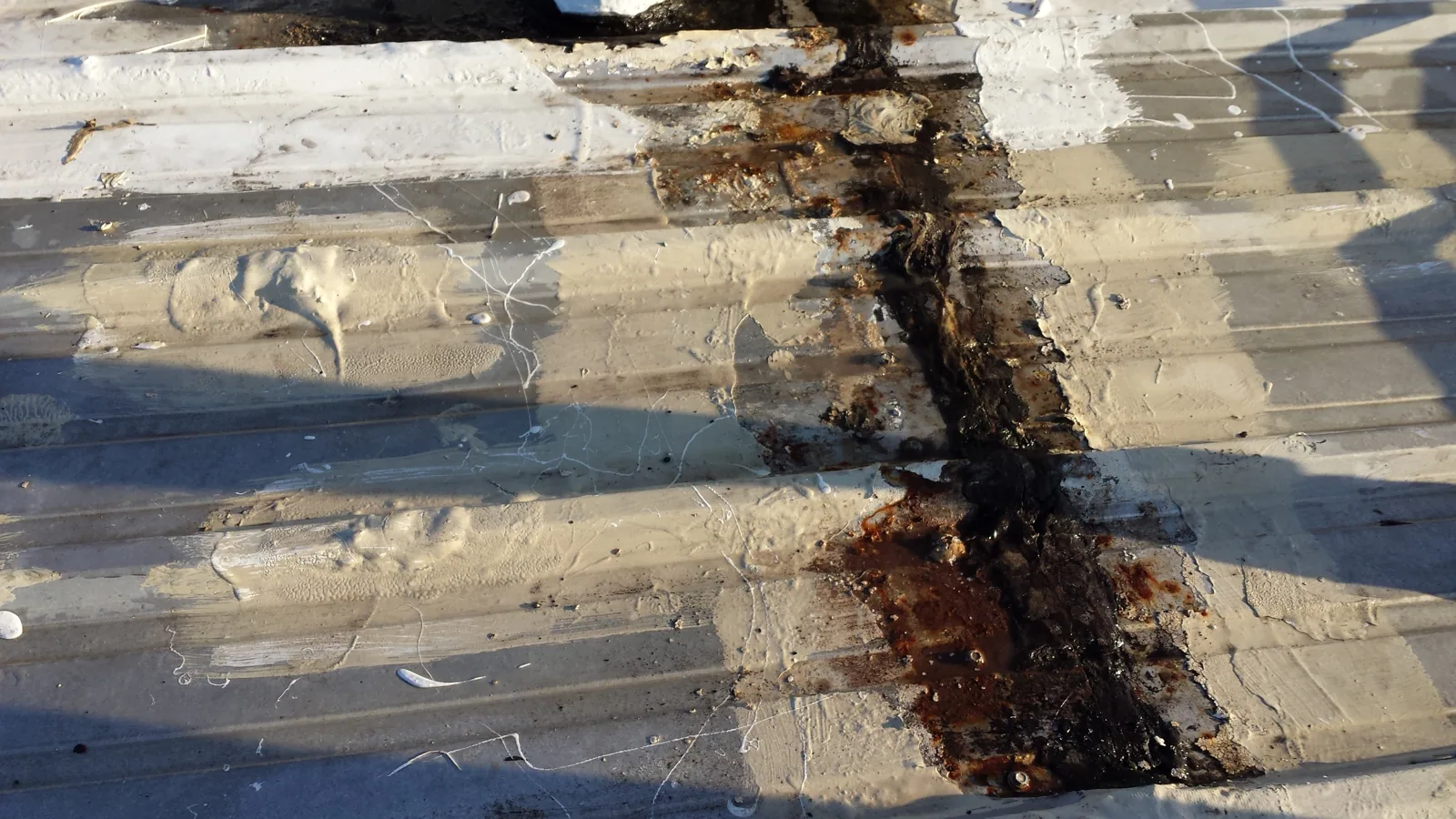
We compare the reported event, available pre-event photos, repair history, and the condition of the material around the affected point. A fresh tear or shifted metal can be visible; aged sealant, earlier patches, or widespread surface wear may predate the event. We document each condition and avoid extending a storm-related scope to an area without a clear finding. If concealed wet insulation is possible, a moisture survey or test opening can help establish the extent.
Cambridge’s resilience planning identifies Alewife as an area with greater future flood risk under sea-level-rise and coastal-surge scenarios. That planning context does not say a specific site flooded or sustained wind damage. For the property under review, we trace water paths and record whether the drain or overflow contributed to the observed condition. The report distinguishes direct observations, test results, and unresolved cause questions.
What happens when the roof is open to weather?
If water is entering the building, our emergency crew can coordinate an after-hours response, including holidays, once site access is approved. We locate the opening and protect the area when conditions permit. The first visit records temporary stabilization separately from permanent repair, especially if wind or rain prevents a full installation. The work log names the roof section, material used, and follow-up inspection needed before temporary protection is removed.
Before repair begins, we check nearby air intakes, occupied spaces, equipment, public routes, and roof access. Cambridge Crossing includes commercial, residential, retail, and dining uses, so a property manager may need a building-specific notice and staging plan. An occupied-building repair sequence can identify barriers and daily dry-in points. At a Cambridge Crossing property, the site contact still sets the lift route and approved work area.
Can wind damage be repaired without replacing the roof?
A localized repair may be appropriate when displaced metal or a tear is limited and surrounding attachment remains sound. A recover or replacement requires broader review of moisture, layer count, substrate, drainage, and curb heights. Replacement exposes concealed conditions but adds removal, debris movement, and a larger dry-in sequence. We document the damaged area and any adjacent section that was not included, so the scope does not turn a single event report into a building-wide conclusion.
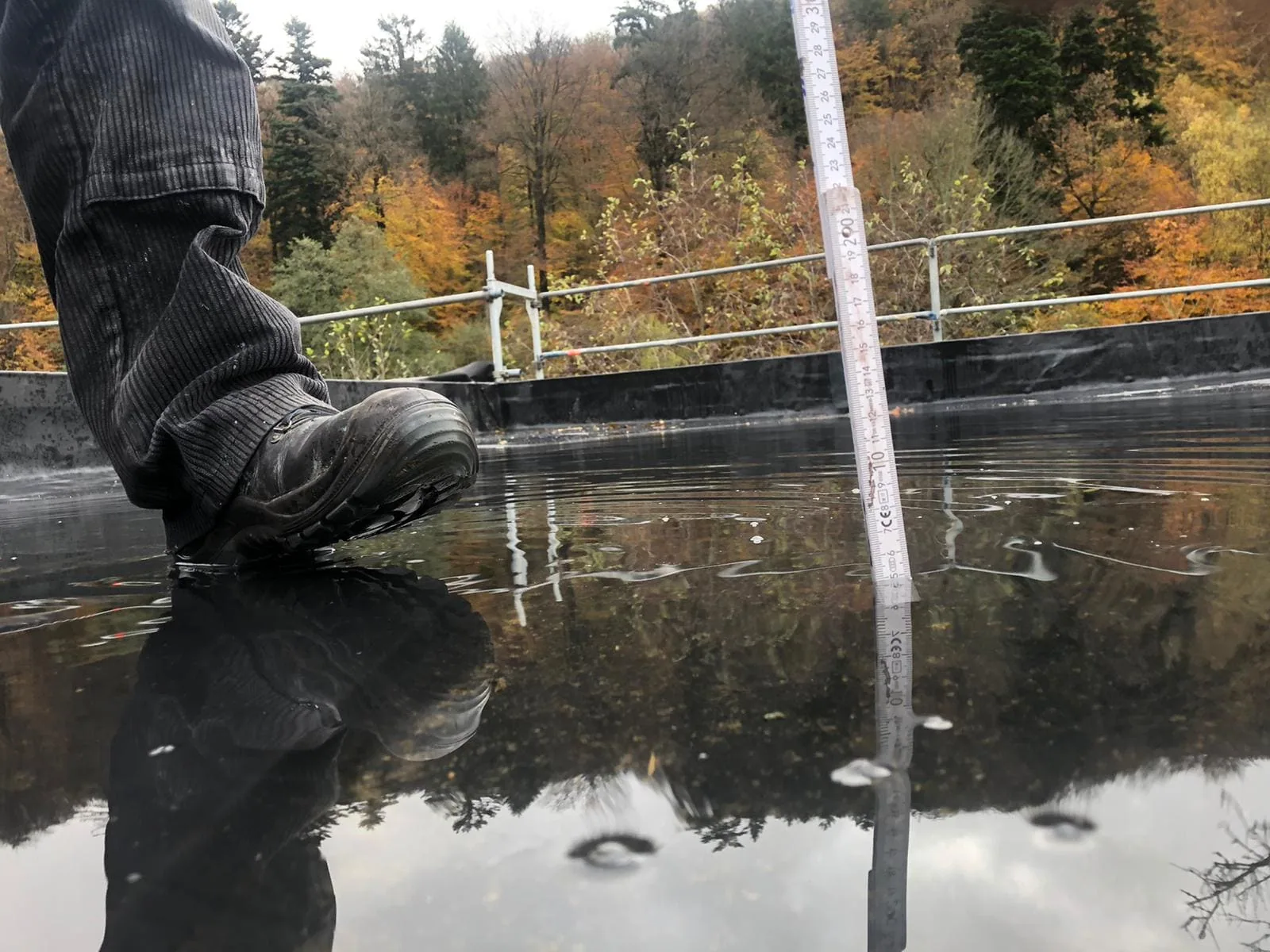
A ponding-water assessment may be needed if wind-driven rain collected at a low point, and a recover evaluation can compare retained layers with removal. Neither option is selected from the storm report alone. We identify the installed system and test results before recommending permanent work. The owner can then compare repair and capital choices with a clear record of the evidence.
What should the storm repair file show?
The file identifies the property, roof section, date, observed wind-related condition, photos, test results, temporary work, and permanent repair. We note whether a section could not be inspected and list any remaining closure. If the scope includes new coping, flashing, or membrane, those details appear alongside the area repaired. A reviewer can see which findings were confirmed and which remain open.
Cambridge’s storm and precipitation risks make the repair record useful for later maintenance, but a new inspection establishes current roof condition. The next walk can compare edge metal, seams, and drain paths with the post-event photos. A roof condition report can preserve the observations and follow-up for facilities staff beyond the immediate repair visit.
For a multi-tenant building, the repair record can also identify the suite or common area below the roof section without including tenant-sensitive information. The manager can match that reference with any interior protection or cleaning record. If rain continues before permanent work, a follow-up check confirms whether the temporary closure remains secure and whether moisture testing should be added.
If an adjuster or owner representative attends the return visit, we can walk the marked roof section and identify repaired, open, and untested details against the same photo references. The record should reflect what is visible on that date, not assume conditions have stayed unchanged since the first call.
Wind inspection should follow the load path from the exposed edge into the roof field. We check perimeter metal, fastener lines, membrane corners, seams, and equipment supports for displacement or new movement. A loose panel may have an older attachment problem, so we compare current evidence with prior photos and note whether the edge was already open. If temporary cover is installed, the record shows how it is secured, which area it protects, and when permanent work can be assessed. A separate structural review may be needed if the deck or supporting framing moved. The final scope should identify the damaged components and leave unrelated sections outside the repair boundary unless inspection shows a connection.
Commercial Roofing Questions
What should the building contact report after strong winds?
Share the address, time of the event, interior symptoms, visible roof changes, and access contact. Photos from the ground can help locate the inspection area, while the roof walk confirms damage.
Does loose coping prove the wind caused the condition?
It is evidence to inspect, not a cause conclusion by itself. We compare the detail with available history, surrounding materials, and the reported event before defining the scope.
Can you inspect before rain reaches the building?
We can coordinate urgent service when access and weather permit. The crew locates the opening and applies temporary protection if safe, then records permanent repair needs.
Will one damaged edge require a complete replacement?
Not automatically. We inspect the adjacent attachment, membrane, substrate, and moisture conditions, then identify whether a localized repair or broader work is supported.
What documents help with a wind damage review?
Provide the roof plan, prior repair records, reported event date, available pre-event photos, access rules, and any temporary work notes. The inspection documents current roof conditions.
Related Roofing Work
More Roof Damage Repair
Browse every page in Roof Damage Repair, or request a roof assessment and we will walk the roof with you.
Document Cambridge wind-related roof damage
Send the property address, roof plan and repair history, reported event date, photos, access contact, and temporary work notes. We will inspect the roof and define repair limits by section.