
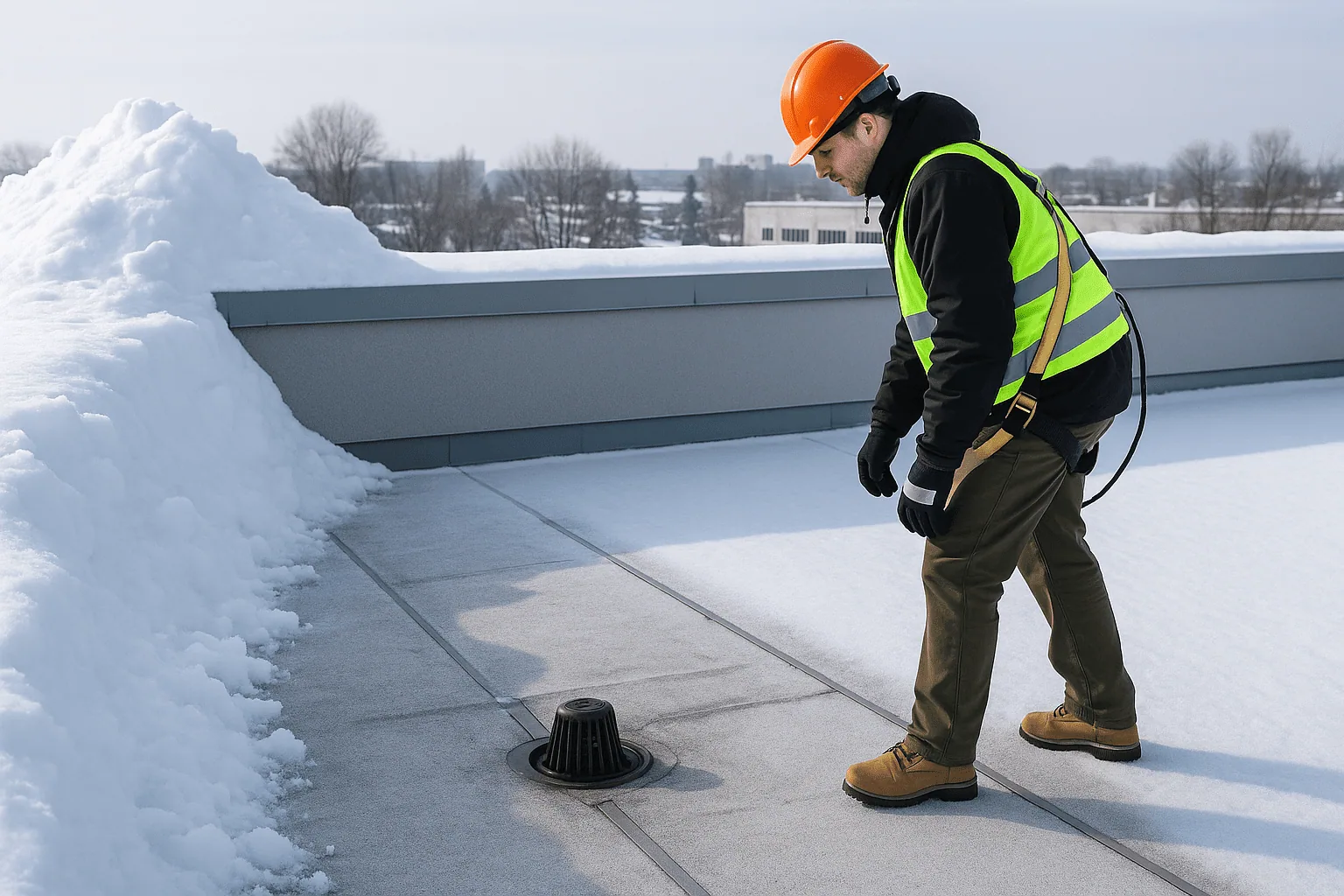
Commercial Roof Inspection in Cambridge, MA
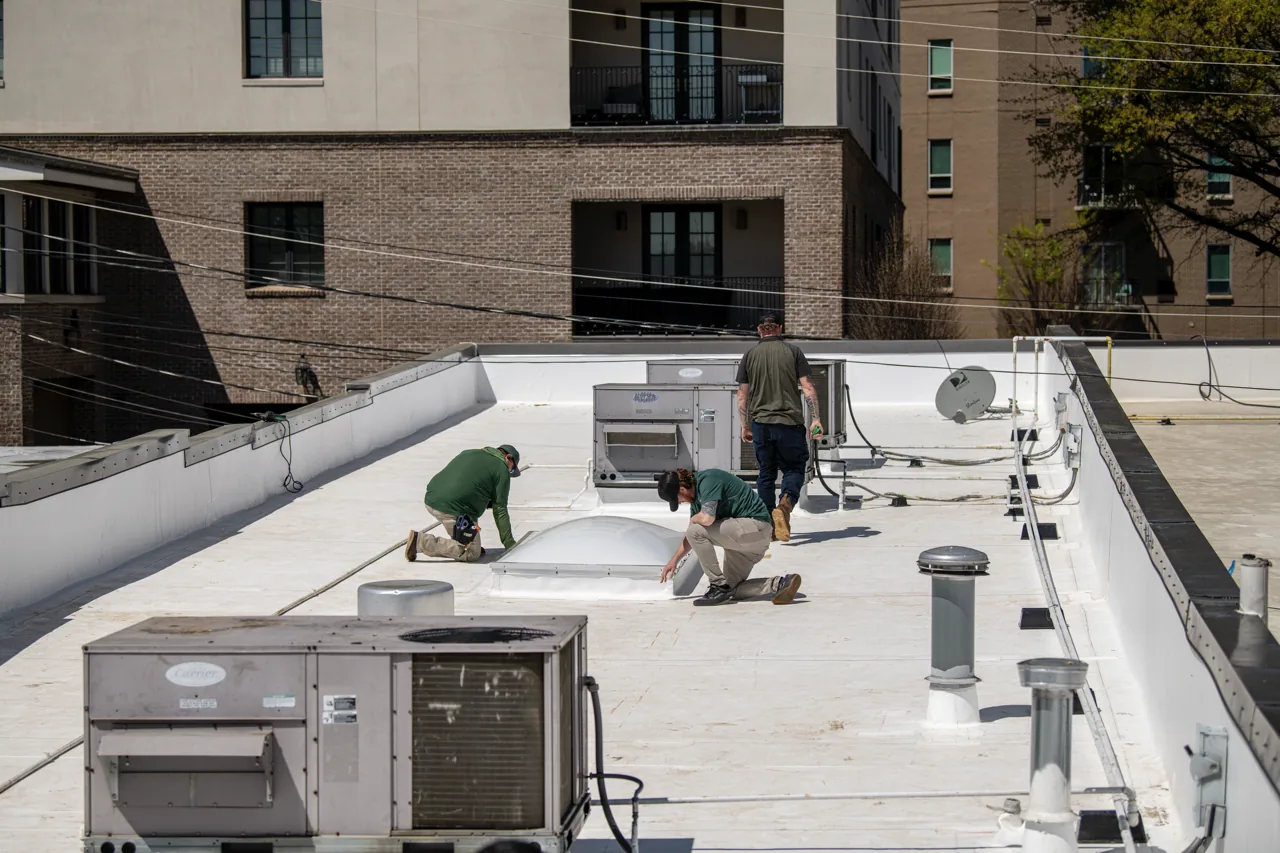
Get a hands-on commercial roof inspection in Cambridge with section-level findings, photographs, drainage review, and repair priorities for the property record.
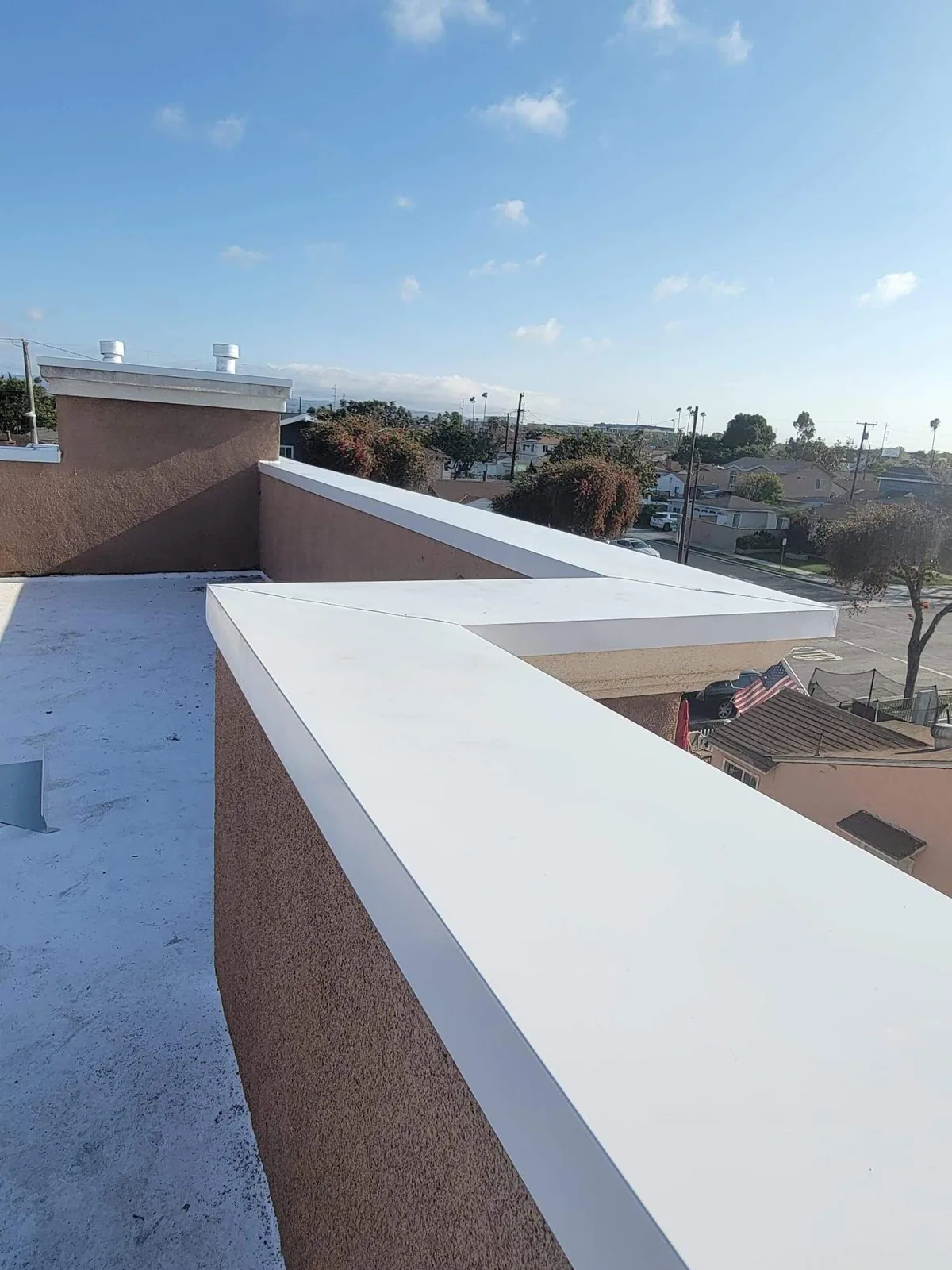
A seam that looks closed from the hatch can separate at a curb where the membrane turns upward. Our commercial roof inspection in Cambridge, MA follows those transitions before we describe the roof's condition. We record the membrane, terminations, drains, penetrations, edge metal, and visible movement by section, then separate observed defects from conditions that need a test opening. Cambridge's climate plans call out heavier precipitation, more intense storms, and freeze-thaw changes, so drainage and overflow paths deserve a clear place in the report. A research building near Cambridge Crossing or an institutional property near Harvard Square may have different access and operating requirements. The inspection follows the actual roof plan, condition, and access window.
Which details belong in the walk?
We begin with a roof map or create working section labels where the property record is incomplete. On each section, we review membrane seams, patches, penetrations, rooftop equipment curbs, perimeter transitions, expansion joints, and drains. At a termination, we check the lap, fasteners, flashing height, and metal. At a drain, we note debris, bowl condition, slope, and the relationship between the primary outlet and overflow. Photographs include enough surrounding detail to make the location recognizable later.
Inside reports and previous service notes can help focus the route, but the inspection records what is visible on the roof. We do not label a membrane wet based on a ceiling stain or treat a past repair as a current defect without checking it. If an area is soft, blistered, or otherwise suspicious, we mark it and recommend a suitable test. A moisture survey or core cut may help answer whether insulation is affected, subject to the assembly and conditions for testing.
How do findings become repair priorities?
A useful inspection links each condition to a decision. We classify active openings, deteriorated details, drainage concerns, and maintenance items separately, then note the consequence of leaving each one unresolved. An open seam at a drain may need prompt correction because water can enter at the transition. A scuffed surface with secure seams may be monitored at the next visit. The report should say what was observed, where it was found, and whether the recommendation is repair, testing, maintenance, or design review.
For a property manager, the distinction matters when scheduling work across multiple sections or buildings. Cambridge's planning identifies Alewife as an area with relatively higher flood risk under future scenarios, and its winter guidance describes more frequent flooding and heavier precipitation. At an Alewife roof, we still base the recommendation on measured drain paths, curbs, edges, and membrane condition. We can connect urgent items with commercial repair and preserve the remaining observations in a photo condition report.
What can an inspection confirm?
A visual walk confirms surface and detail conditions that can be reached safely. It does not expose every layer below the membrane or verify an undocumented assembly. Where the roof plan, product records, or repair history are missing, we note that gap and describe what would confirm the construction. Test openings provide a direct sample at the selected point; moisture imaging can help map patterns for follow-up. The location, limits, and results belong in the report so later readers do not treat a sample as proof about every roof section.
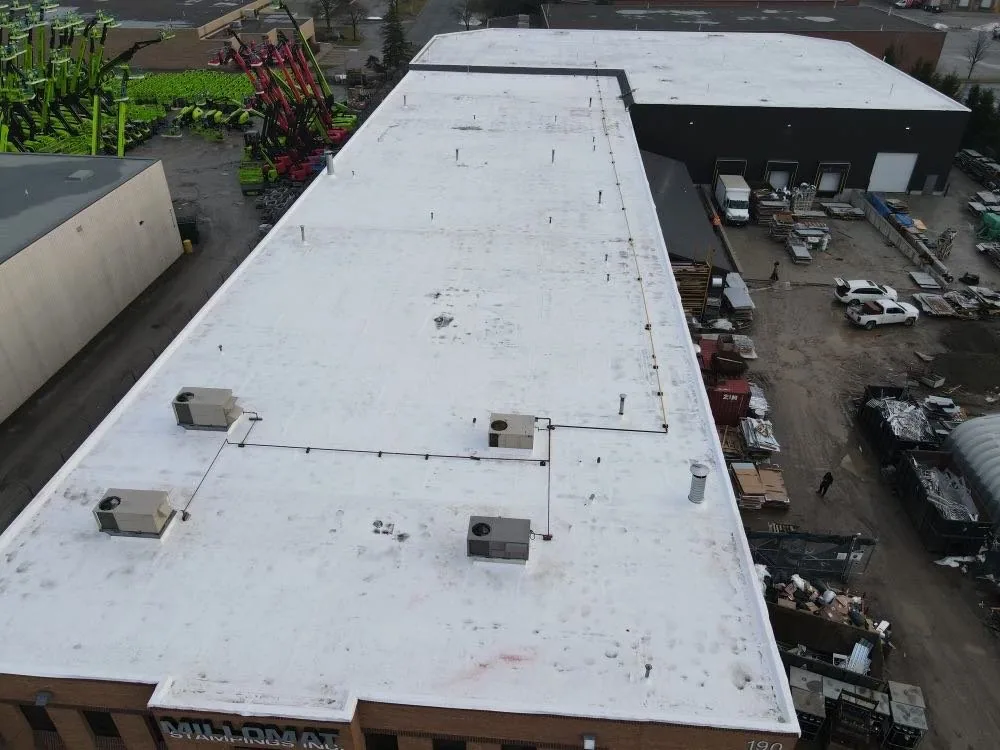
The owner may need different inspection depths for routine maintenance, a leak, or a capital decision. A focused visit can review the reported area, while a broader survey maps every accessible section and ranks issues. A due-diligence survey may add records review, test cuts, and repair cost planning. For a large property, a drone roof inspection can document areas that are difficult to access, but it does not replace hands-on review of a seam or curb that needs direct testing. We define the requested inspection level before starting.
How is access coordinated?
Before the visit, we confirm the roof hatch, ladder, escort, safety rules, active equipment, and contact who can approve access to restricted areas. We ask for the roof plan, reported leaks, prior repair notes, and any timing limits. If the building has labs, medical rooms, or sensitive intake locations, the property contact can identify no-entry zones or periods when equipment cannot be interrupted. That information keeps the walk focused and reduces unplanned movement through occupied space.
Harvard Square contains university, retail, arts, and entertainment activity, while Cambridge Crossing combines commercial, residential, dining, and retail uses. Those district facts do not tell us the condition of a roof, but they make access coordination specific to each property important. We identify material routes, roof access points, and the sections that can be reached during the visit. The written findings can distinguish checked areas from locked or unsafe sections. A maintenance program can use that baseline to return to the same mapped locations.
What stays in the property file?
The completed inspection record includes roof section labels, dated photographs, material observations, drain and overflow notes, and ranked action items. We note limitations such as snow cover, standing water, unsafe access, or areas that were not opened. If additional testing is recommended, we state its purpose and the point it should sample. The owner can then compare each proposed action with the evidence rather than a general condition grade.
For a Cambridge portfolio, consistent section names help building staff compare reports without assuming different roofs share the same assembly. We can tie inspection photos to a roof asset record and identify work that belongs in a capital plan. At a property in Cambridge Crossing, the file should name the specific address and roof area, even when several buildings sit within the mixed-use district. The next visit can then check the same drains, edges, and test locations for movement.
The inspection file should make its limits as visible as its findings. We note which roof sections were walked, what remained behind snow, equipment, locked hatches, or unsafe edges, and whether readings came from visual review, probing, imaging, or an opening. A photo is labeled with the section and enough surrounding detail to find it again. If a repair priority depends on confirmation, that test remains an open item rather than a presumed defect. The manager can use the file to assign maintenance and plan a return visit, while the next inspector can tell which conditions changed and which areas were never reached.
Commercial Roofing Questions
Does a roof inspection include moisture testing?
A standard hands-on walk records visible conditions. Infrared imaging or core cuts are additional tests selected for the roof assembly and the question to resolve. We identify the proposed test locations and explain what each result can and cannot establish.
Can the report rank repairs by urgency?
Yes. We separate active openings, deteriorated details, drainage concerns, and maintenance items, then describe which conditions need prompt attention and which can be monitored. Each priority ties to a photographed roof section and a practical next step.
What if the roof plan does not match the building?
We note the mismatch and label accessible roof areas during the walk. The property contact can confirm building names, access points, and prior work. The updated field map becomes a working reference for repair scopes and later inspections.
Will you inspect areas covered by snow or standing water?
We document any area that cannot be examined safely or directly. Snow, water, and other obstructions can hide seams and penetrations, so we do not treat an obscured section as inspected. A return visit can complete those observations after conditions change.
How does an inspection help with capital planning?
A section-level record lets the owner compare repairs, testing, and replacement candidates by condition and timing. We identify the evidence behind each recommendation so the budget discussion can distinguish immediate leak control from longer-term work.
Related Roofing Work
More Commercial Roofing Services
Browse every page in Commercial Roofing Services, or request a roof assessment and we will walk the roof with you.
Put the roof on a clear field record
Send the Cambridge property address, roof plans or system records, reported conditions, access contact, and preferred inspection window. We will map the accessible sections and return photographs, findings, and prioritized next steps.