Commercial Roofing in Central Square, Cambridge, MA
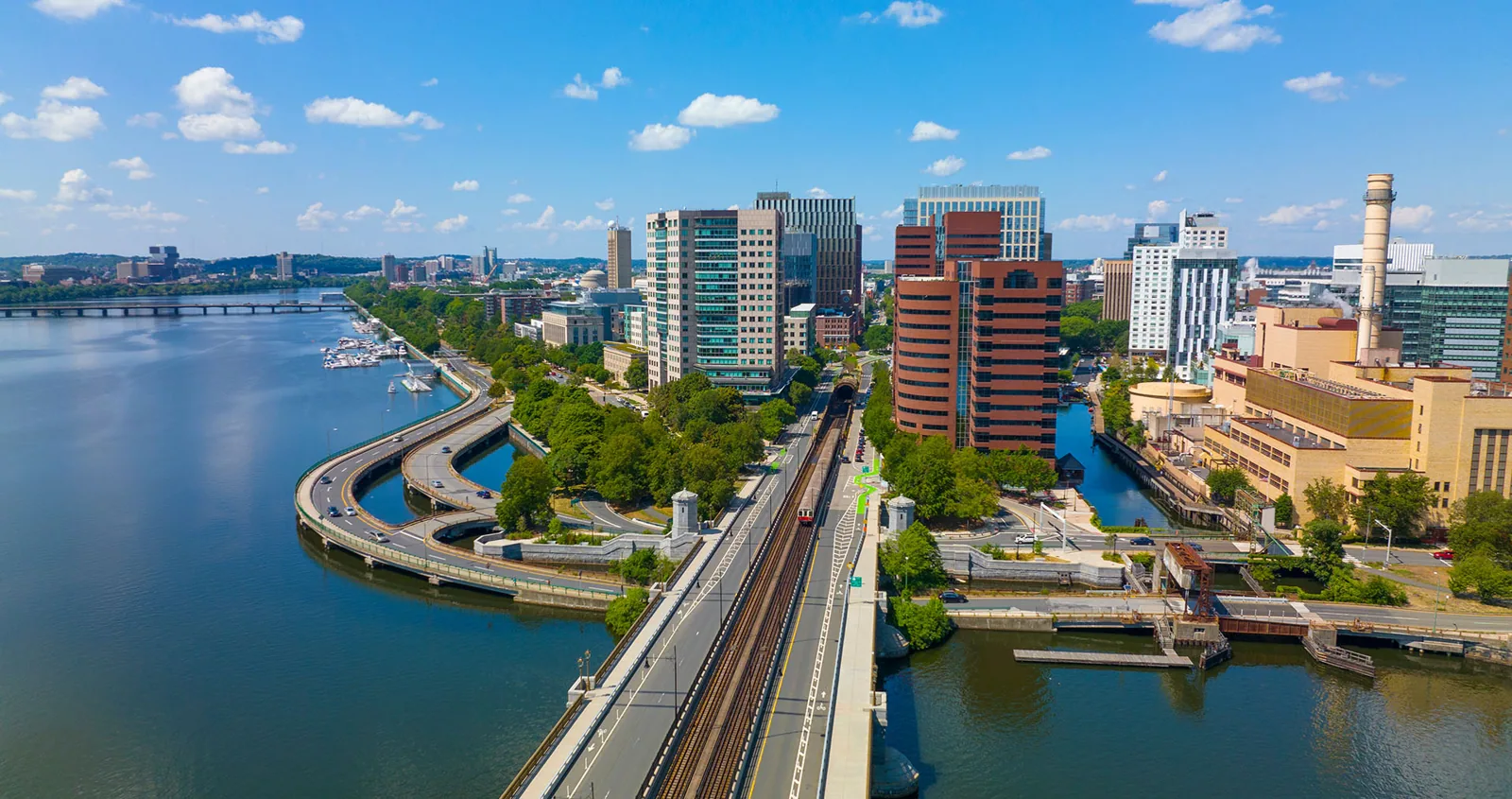
Get Central Square commercial roof inspections, repairs, and drainage reviews with documented findings for each building, access point, and roof section.
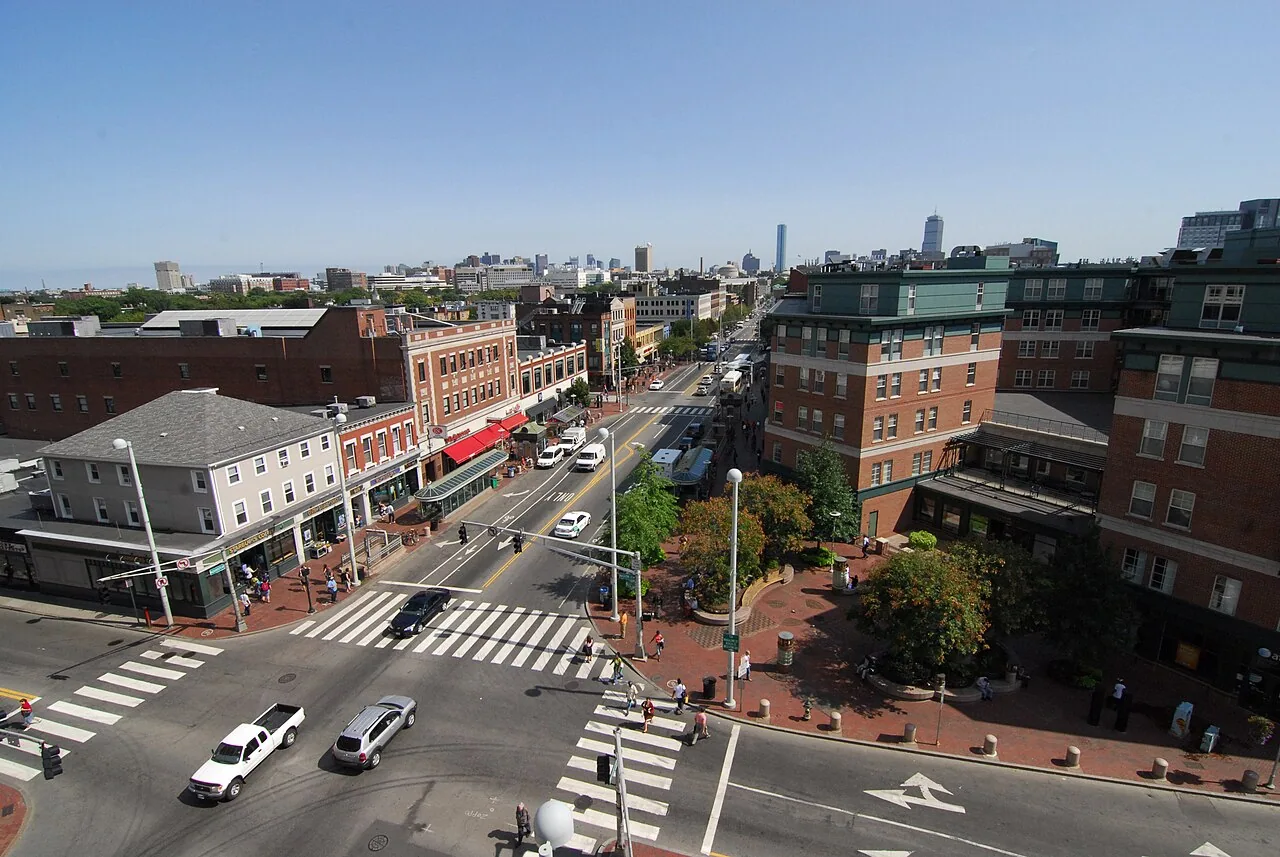
An open coping joint can send water behind a parapet before it appears inside an office or public room. In Central Square, Cambridge, MA, we inspect the roof detail and the building's operating constraints together. The district is Cambridge's traditional downtown and city-government seat between Harvard and MIT; its institutions include City Hall, the Lombardi Building, the Senior Center, YMCA, YWCA, and Cambridge Housing Authority offices. Those uses do not tell us what membrane is installed or whether a roof is failing. We identify the address, roof section, access contact, and reported condition, then trace the connected edge, penetration, and drainage details. Cambridge's climate planning identifies heavier storms and more precipitation, so we check overflow paths alongside the visible leak area.
Where can water travel from the reported room?
A ceiling mark below an office can line up with a roof drain, but the water may have entered farther up-slope or at a wall transition. We map the interior location against the roof plan, then inspect seams, pipe penetrations, curbs, parapets, and nearby low points. A membrane split can be visible while the extent of wet insulation remains concealed. We record what the visual walk confirms and identify whether infrared readings or a test opening would help define the boundary. Central Square Station is a busy Red Line stop with regional bus service; transit activity is useful local context, but it does not determine a building's roof access. We confirm that route directly with the property contact before staging tools or materials.
Which details belong on the first walk?
We start with drain bowls, scuppers, overflow outlets, and membrane terminations, then check the nearby curb and edge transitions that can feed the same leak. A blocked primary drain and a closed overflow are separate findings, even if they contribute to one ponded area. We note equipment supports, sealant joints, patches, and changes in roof height that may redirect water. Public and professional-service buildings can have different access windows and interior coordination needs, so we record what the contact confirms rather than assuming all downtown properties operate alike. A roof inspection creates labeled photographs and an action list; a drainage review can isolate a recurring low point from a simple debris obstruction.
Which repair scope matches the evidence?
A local flashing failure may be repairable while the surrounding membrane remains sound. Repeated seam openings, wet insulation, soft substrate, or multiple incompatible layers can move the decision toward broader work. We document membrane type when confirmed, layer count, attachment clues, drain height, edge metal, and the conditions that remain hidden. If the field evidence supports a recover, the added height and weight still need evaluation against drains, curbs, and perimeter details. A commercial roof repair should state its limits, material, and closeout test; a larger replacement scope should show the areas and quantities it addresses. This lets an owner compare work based on the same building record instead of treating a symptom as the whole roof condition. If coating is considered, we first identify the existing membrane and any prior coating, then inspect for trapped moisture, movement, and details a new surface layer would cover. A coating cannot reset roof slope or correct a failed drain connection. We document adhesion testing and prerequisite repairs before discussing a restoration option, then compare its serviceable area with the known failures. Where the field evidence is incomplete, we list the test needed before selecting a system. This keeps restoration planning separate from a localized repair that addresses only the active opening. We also note how the proposed work changes curb height, edge metal, and overflow clearance so the next layer does not create a new transition problem.
How is work coordinated with downtown use?
Roof entry, public doors, deliveries, exhaust intakes, and equipment schedules all affect the service route. Central Square's station and regional bus connections shape how people reach the district, but we do not assume they provide a staging or loading route for the building. The property contact confirms where a crew may enter, which areas need protection, and whether a shutdown or escort is required. Before opening a membrane, we identify the space below, secure temporary protection, and establish how the detail will be closed at day's end. Cambridge reports more thaw-freeze swings and heavier precipitation in winter; weather timing belongs in the work plan, while the field condition controls the repair method.
What should a downtown roof file preserve?
A field record should identify the building, roof section, system when confirmed, drain and overflow locations, repair boundary, photographs, and any test result. We list unresolved access or design questions separately from observed defects. For an owner coordinating properties near Harvard Square and Kendall Square, each file still needs its own address and photographs; a finding at one district does not transfer to another building. A roof condition report preserves the observations for capital review, and a maintenance visit can recheck drains, seams, and exposed transitions after repairs. The closeout notes what was completed and what requires another test or access window.
Central Square combines city-government and institutional uses with Red Line and regional bus service. A roof plan should identify the building and section being serviced, while the work plan confirms the actual entrance, lift location, and pedestrian controls with site management. Nearby offices, civic facilities, and transit stops describe the district, not the access rules at a particular property. We keep service photos tied to the address and record any work window that affected public entrances or deliveries. When a portfolio includes other Cambridge districts, the same section labels can support comparison, but each roof file retains its own drains, tests, and repair boundary.
What should I send before scheduling?
Provide the Central Square property address, roof plan, available system records, interior leak location, prior repair history, and the contact who can arrange roof access. Include public-space, office, or institutional operating limits that could affect a work window. We trace the reported area, identify the connected roof section, and return a written record with photographs and an actionable repair boundary. For an active breach after hours, emergency crews can stabilize entry on weekends and holidays while the permanent detail waits for suitable preparation conditions. The final file distinguishes temporary protection from completed roofing work and identifies any area not inspected.
Commercial Roofing Questions
Can one interior leak point to a different roof section?
Yes. Water can move along the deck or beneath the membrane before reaching an interior finish. We map the room location to the roof and inspect connected seams, curbs, edges, and drainage before setting a repair boundary.
What do you check if a downtown drain keeps backing up?
We look at the bowl, strainer, membrane termination, overflow, and roof elevations leading to the outlet. Clearing debris may resolve an obstruction, while a persistent low area can require slope or drain-detail review.
Do public-facing buildings need a different repair sequence?
The roof assembly still controls the repair, while door access, public routes, equipment, and operating hours affect staging. We confirm those constraints with the property's contact and document any protected area.
Can you tell whether a recover is suitable from photographs?
Photographs can show visible details, but the deck, insulation, layer count, attachment, and drainage often need field review. We list what is confirmed and what must be tested before treating a recover as a viable scope.
How quickly can you respond to active water entry?
We can dispatch outside the standard workday, including on weekends and holidays. The first visit focuses on limiting active entry, identifying the roof detail, and recording what permanent repair still requires.
Related Roofing Work
More Service Areas
Browse every page in Service Areas, or request a roof assessment and we will walk the roof with you.
Trace the leak to its roof section
Send the Central Square address, roof plan or system records, reported condition, access contact, and work window. We will inspect the related transitions and document the repair decision.