PVC Roofing in Cambridge, MA
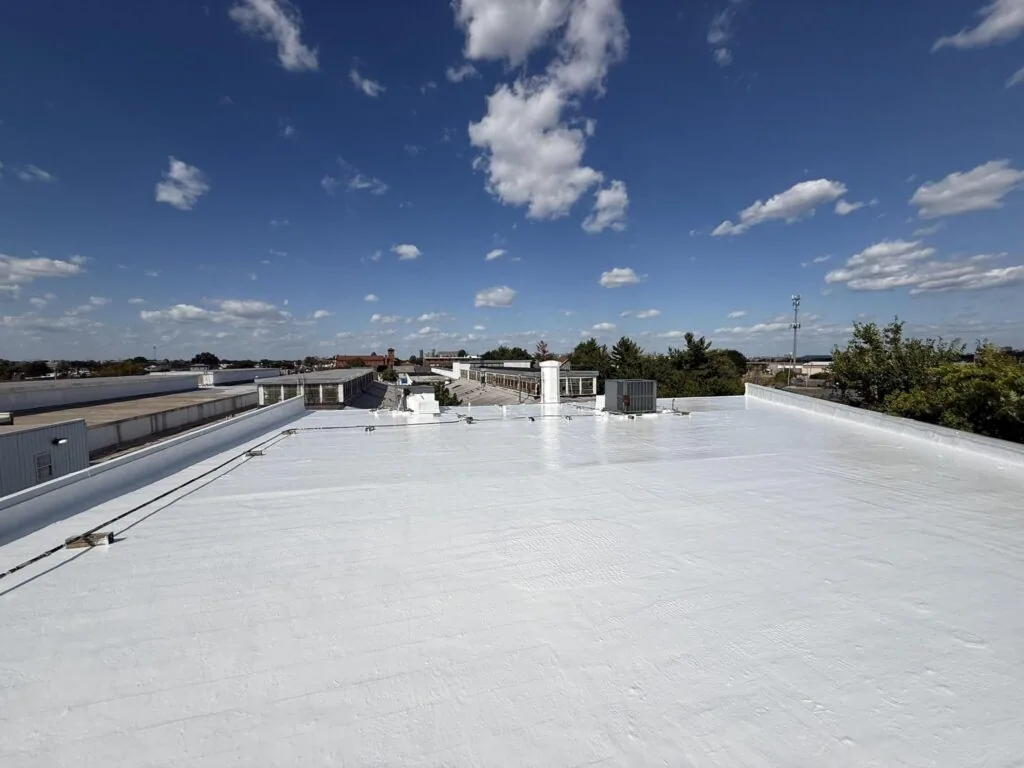
Install or repair commercial PVC roofing in Cambridge with attention to heat-welded seams, chemical exposure, penetrations, drainage, and field testing.
A weld bead that thins near a curb changes the repair limit even when the adjacent sheet is intact. We install, inspect, and repair commercial PVC roofing in Cambridge, MA by checking seams, flashing, and how the membrane meets equipment and drains. Cambridge's life-science and research economy includes laboratories and technical workplaces, especially around Kendall Square. The district's use does not establish chemical exposure on a particular roof, so we ask what rooftop exhausts or process equipment are present and inspect the actual membrane. Our field record separates surface wear from a failed weld, then ties each recommendation to a roof section and the work needed at its transitions.
What does a PVC weld tell you?
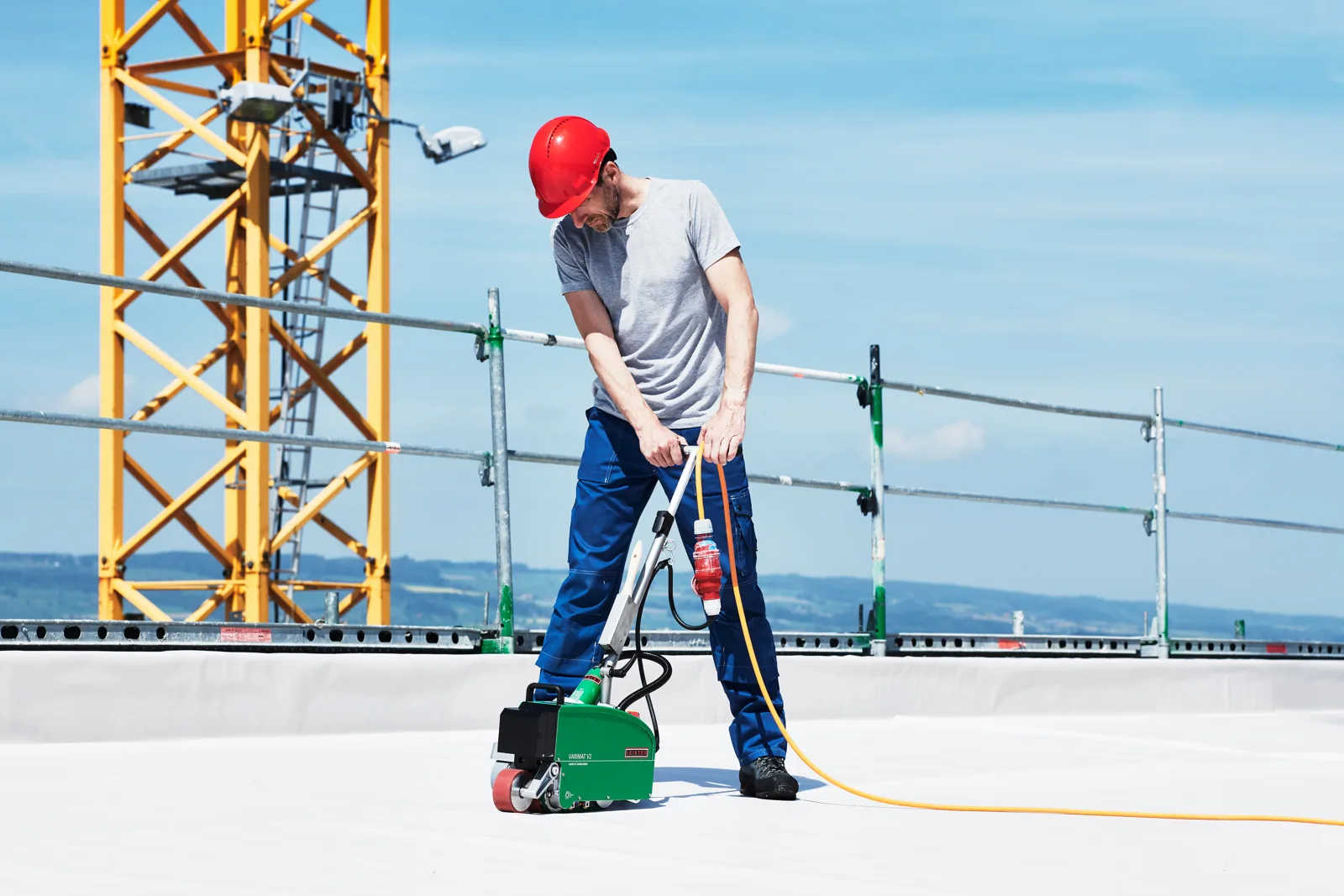
PVC sheets are joined with hot-air welds, and the seam must be clean and properly prepared. We inspect for voids, separation, fishmouths, burn marks, wrinkles, and inconsistent weld width. At corners, curbs, and T-joints, a small gap can allow water beneath the field sheet. We probe seams where appropriate and record the location and extent before patching. Dirt or surface discoloration alone is not proof of a weld failure.
Repair preparation depends on the membrane's condition and any chemical or surface contamination. If an exhaust or process use may have exposed the roof to oils or other substances, the property contact should identify the source and affected area. We then compare the material requirements and inspect before selecting a repair. A hands-on roof inspection can map those conditions; a repair scope identifies the weld, flashing, or membrane area to be restored.
How does PVC differ from other single-ply roofs?
PVC and TPO both use heat-welded seams, but the sheet formulations and performance requirements differ. PVC is commonly selected where resistance to certain chemicals is important, yet suitability depends on the actual exposure and product documentation. EPDM uses different seam materials and repair details. We identify the existing membrane before recommending a patch or replacement and do not rely on color to identify the system.
A property manager can compare a proposed TPO roof, KEE membrane, and EPDM assembly by looking at chemical exposure, attachment, seam method, flashing, and maintenance needs. The design must also account for deck, insulation, edge conditions, and wind requirements. We document what the current roof shows and identify when the design team needs to confirm the product choice.
Which transitions deserve a separate look?
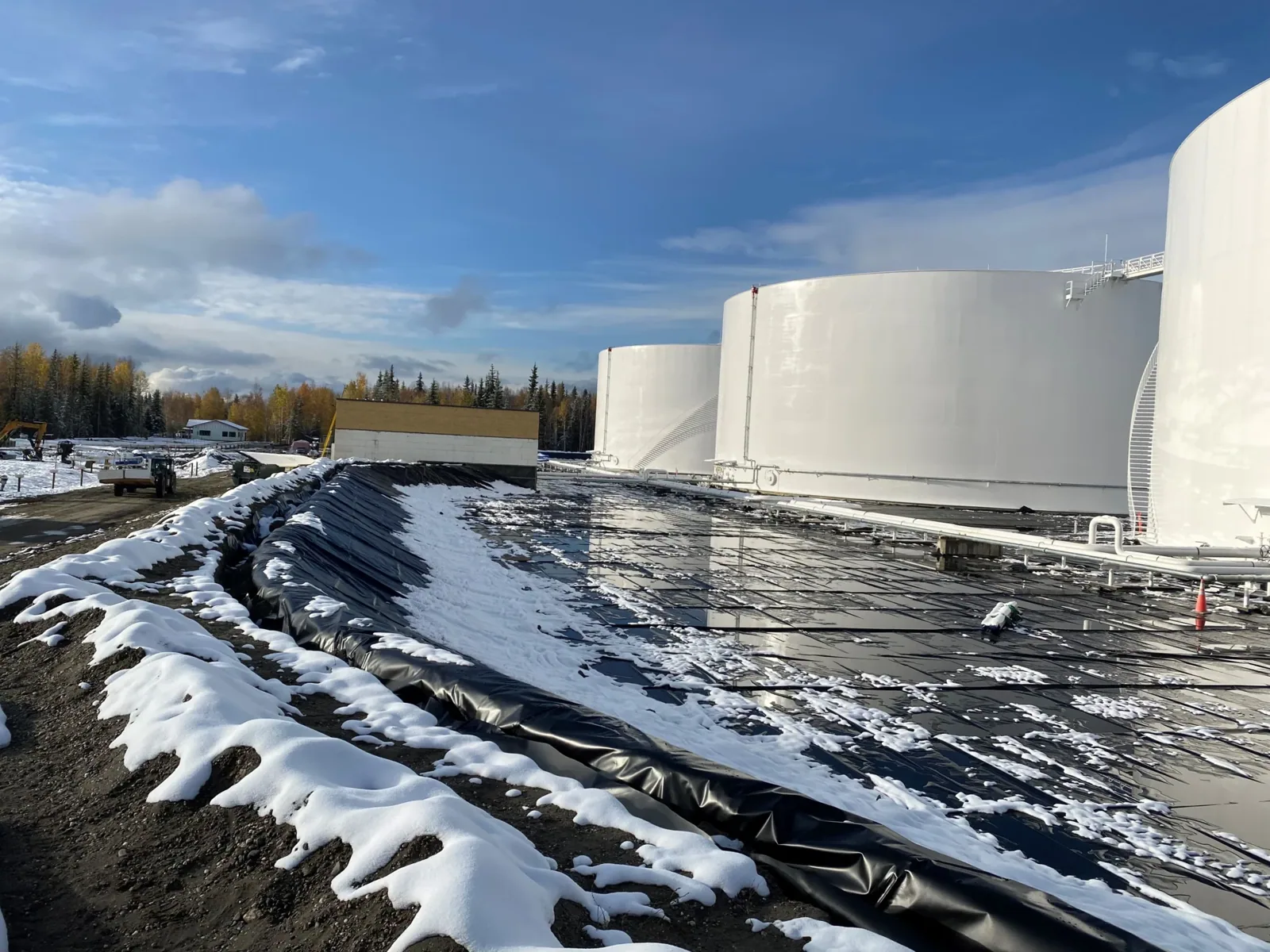
At a drain, we inspect the PVC membrane's connection to the bowl, the clamping detail where present, and the surrounding surface for wrinkles or trapped water. At curbs and penetrations, we check flashing height, corners, collars, and the weld at each change in plane. At parapets, we follow the membrane to the termination and examine coping or counterflashing above it. The report identifies whether each transition is sound, damaged, or inaccessible.
Cambridge winter guidance reports heavier precipitation and increasing freeze-thaw cycling, so outlet paths and raised details are useful inspection points. At a Kendall Square building, we record the actual curb and drain locations rather than infer membrane conditions from the area's research activity. A drainage review can be coordinated with seam or flashing work where water flow is part of the condition. If moisture is suspected beneath the sheet, an infrared survey may help identify test locations when the roof and weather allow meaningful readings.
What controls PVC installation quality?
The substrate needs to be accepted, dry, and ready for the specified assembly. We confirm insulation, cover board, attachment, sheet layout, perimeter details, and the daily dry-in boundary before work begins. The crew welds seams under conditions suited to the material and checks representative welds as installation proceeds. If the roof surface is contaminated or weather changes, preparation or welding may need to pause until the surface can support a proper tie-in.
Cambridge Crossing combines life-science, commercial, residential, dining, and retail uses. A project there may need a specific lift route and access window, just as a research property near MIT may require coordination around equipment and air intakes. We confirm the building's rules with the property contact rather than assume a district-wide schedule. For occupied work, a phased roofing sequence can set daily exposure limits and describe who receives notice when the crew closes a section.
What should a PVC roof record preserve?
Closeout photographs show representative field welds, T-joints, curb corners, penetrations, drains, and perimeter terminations. The file records membrane and insulation layers, attachment, repair locations, and any test results. If a project includes chemical exposure information supplied by the owner, the record identifies the area and product requirements considered. Areas not inspected or tested remain identified as such.
For a property in Cambridge Crossing, section labels should identify the specific building and access point. We can store the photographs in a condition report and compare them with future service visits. Later inspection can revisit seam integrity, drainage, and any area exposed to rooftop service work without assuming the membrane has remained unchanged. We also note whether the documented weld checks covered the full repair perimeter or only representative seams, and retain any owner-provided exposure information with the product record. This gives a later maintenance crew a clear boundary for follow-up without converting an isolated test into a statement about every field seam. If the roof was patched before the current inspection, the report identifies those locations so the next visit can distinguish old repair material from new work. When a suspected exposure has not been confirmed, we label it as owner-reported and keep the observation separate from the conclusion about membrane compatibility. Product selection follows the documented exposure and installation requirements.
A useful PVC record identifies the field sheet, welded seams, flashing accessories, repairs, and any transition to another membrane or coating. We document probe checks and any test weld performed, including the section and seam length involved. If surface contamination, age, or prior sealant affects preparation, the scope states how that material is removed before a compatible patch is installed. Curbs and drains are photographed at the point where the membrane turns or clamps into the detail. This makes the record useful when an owner later compares a service invoice with the material actually found on the roof, especially where additions have left more than one assembly in place.
Commercial Roofing Questions
Does PVC resist every chemical?
No. Compatibility depends on the product formulation and the specific chemical, concentration, exposure time, and temperature. We ask for the exposure information and review the product documentation before recommending PVC for that condition.
Can a PVC seam be welded again?
A repair can often be heat-welded when the existing sheet is clean, compatible, and not too deteriorated to accept the tie-in. We inspect the area, prepare it, and check the finished weld before closing the repair record.
How do you identify an existing PVC membrane?
We review roof records and visible material, then inspect seams and details. If the system remains uncertain, a test opening or additional material review may be needed before choosing a repair product.
Does chemical resistance remove the need for maintenance?
No. Drains, seams, curbs, penetrations, and edges still need inspection. We document any known exposure and revisit those roof sections during maintenance so changes can be compared with the original condition.
Can PVC be installed over a different membrane?
The existing roof has to be evaluated for moisture, attachment, compatibility, and project requirements. Some systems may support a recover after preparation; others need removal. We inspect before recommending an overlay and document the assembly layers.
Related Roofing Work
More Roof Systems
Browse every page in Roof Systems, or request a roof assessment and we will walk the roof with you.
Check the membrane before specifying PVC
Send the Cambridge property address, known roof system, exposure concerns, roof plan, access contact, and work window. We will inspect seams and transitions and document repair or PVC replacement considerations.