
Commercial Roofing near MIT in Cambridge, MA
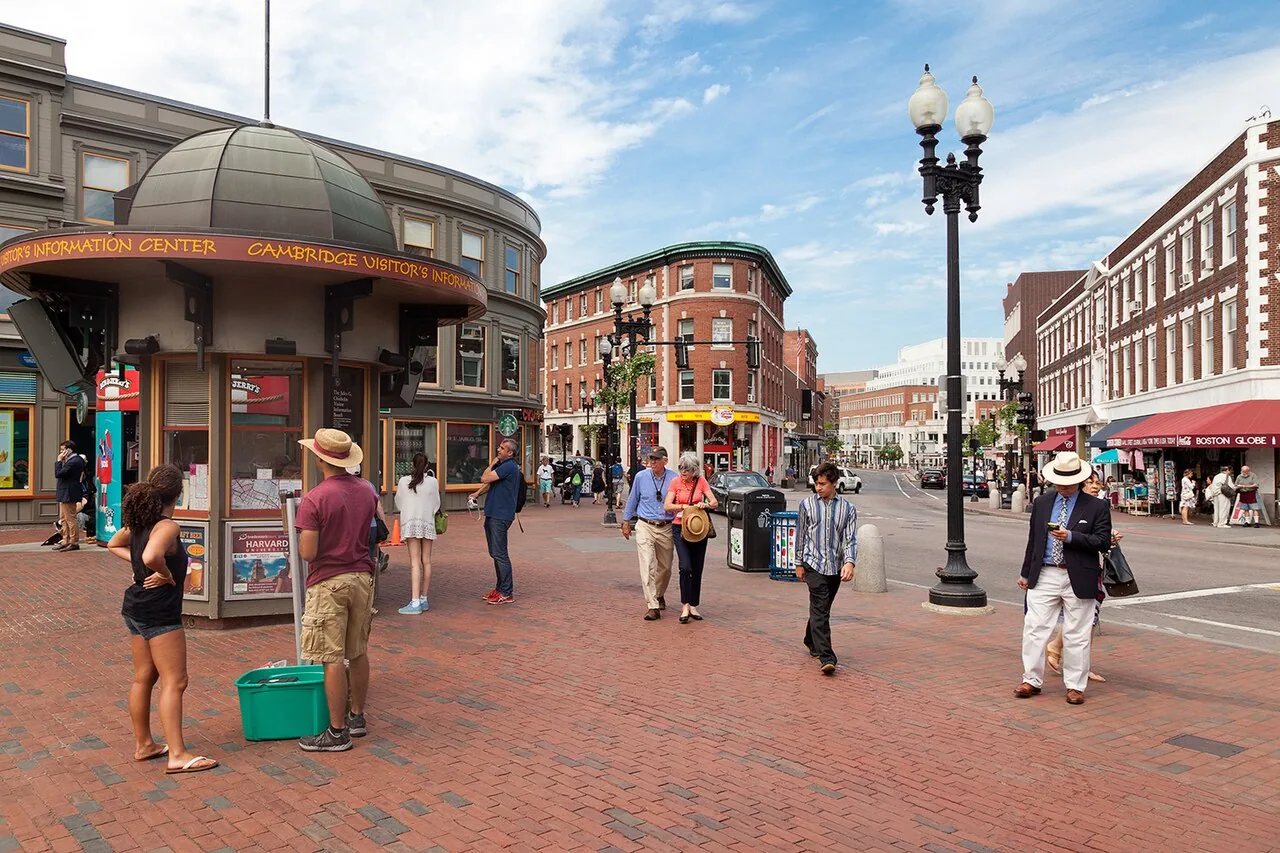
Inspect Cambridge commercial roofs near MIT with careful review of penetrations, drainage, access planning, and repair records tied to each roof section.
A conduit support beside a roof curb can leave two different paths for water, one at the flashing and another beneath the membrane. For commercial roofing near MIT in Cambridge, MA, we start with the actual building and its operating needs, not an assumption about what a university roof contains. MIT's Cambridge campus extends more than a mile along the Charles River and includes research spaces such as wet labs, clean rooms, makerspaces, and testing facilities. Those facts describe campus uses, not every roof or work restriction; the property contact identifies the building, access route, and equipment limits. We trace the reported condition across connected transitions, check the drain and overflow route, and record where observation ends and testing begins.
Which roof area can the work affect?
A roof plan helps us locate the reported leak, but field labels and building names still need to match. We compare the plan with parapets, access hatches, curbs, drain bowls, and visible membrane transitions, then mark the exact section under review. In a research or teaching environment, a rooftop exhaust or intake may serve equipment with operational limits, so we confirm shutdown and access requirements before opening a detail. MIT reports a broad mix of wet labs, clean rooms, makerspaces, wind tunnels, robotics and drone testing, and imaging facilities on its campus; none of that tells us the assembly or condition at an individual roof. A commercial inspection records the actual system evidence and any area that could not be reached.
What does the interior report connect to?
A stain near an air intake can be supplied by water that entered at a remote seam, curb, or edge. We follow the reported location outward, checking the closest penetrations and then the drainage direction, up-slope joints, and terminations. An open seam may be visible, while moisture below the sheet may require a suitable scan or test opening to define. We photograph both the close detail and its position in the roof section, and state whether the finding is visual, instrument-based, or confirmed by an opening. Cambridge reports heavier precipitation and more thaw-freeze swings in winter. We include those market conditions in drainage and transition planning, while the leak diagnosis follows evidence on the specific roof.
How do you keep a repair area secure?
Before a membrane is cut, we confirm what lies below, where water can move, and how the opening will be protected if the shift ends before permanent work is complete. A patch needs compatible material, sound substrate, and a detail that closes the water path; surface sealant alone may leave a failed seam or wet insulation untouched. We document the preparation, material, weld or adhesive method, and final closeout photo by roof section. If an urgent leak is active, our response is available around the clock, including weekends and holidays. Temporary protection can limit entry while the permanent repair waits for safe conditions and the required equipment window. A flashing repair can include curb or penetration transitions when those details are part of the confirmed failure.
Which records support a capital decision?
Layer count, deck condition, attachment, moisture, drainage elevations, and edge details affect whether a repair, recover, or replacement scope is workable. We note each confirmed condition and separate it from items that require a test opening or design review. MIT reports 20 campus residence halls and more than 40 gardens and green spaces; those campus facts do not establish roofing needs at another nearby property, but they underscore why building use and access need to be confirmed address by address. A TPO assembly or other system is evaluated against the installed detail, not a product label in isolation. When repair and capital work are both under consideration, a condition report can preserve photographs, test points, scope limits, and open questions for the owner.
What changes the access window?
Occupied spaces, service routes, rooftop equipment, deliveries, air intakes, and weather determine how a crew can move through a job. We coordinate the roof-entry point and any building escort with the property contact, then stage materials away from drains and public paths. The next step may be a small repair, a moisture test, or a larger scope review; each needs a clear start and stop point on the field sheet. Central Square and Kendall Square are nearby commercial districts with different institutions and access patterns, so work at a Cambridge address follows its own roof plan and operating contact. We document any interruption, temporary termination, and end-of-shift protection before leaving the roof. If a repair crosses a service route or affects an intake, we mark the work boundary and confirm how the area will be returned to operation. A drain or overflow test also needs a safe discharge path and a contact who can observe the interior below. Those steps keep a focused roofing task from becoming an unplanned interruption to adjacent building systems, and they give the next shift a clear point to resume.
What should the property file retain?
The closeout should identify the address, roof section, confirmed system, work performed, photographs, test results, and decisions still needed. If a laboratory exhaust, residence hall schedule, or service route affects access, record that constraint with the building rather than treating it as a roof defect. Send the roof plan, prior repair notes, reported leak location, access contact, and available system documents before the visit. We return a field record that separates observation from test findings and gives the owner a usable repair boundary. For a nearby Central Square building or a property in Kendall Square, the same documentation discipline keeps its own conditions attached to its own address.
MIT's Cambridge campus covers 168 acres and stretches more than a mile along the Charles River, with research facilities that include wet labs, clean rooms, testing spaces, and imaging facilities. Those campus facts signal that access and room protection can require building-level coordination; they do not tell us the roof type or rules for a particular structure. The service file identifies the specific building, roof section, approved route, and contact who released the work area. We record which laboratory, residence, or support zone the property team asked us to protect, without inferring its roof assembly. This keeps inspection evidence useful across a large campus while leaving each recommendation tied to its actual roof.
Commercial Roofing Questions
Can roof work proceed near active research equipment?
We confirm the specific roof access, equipment limits, air intakes, and work window with the property contact. The sequence follows the building's operating requirements and the repair detail that needs attention.
Does MIT's list of campus research facilities describe a nearby roof?
No. It describes campus activities, not the assembly at an individual address. We identify the roof from field details and records, then note any equipment restriction the property team provides.
What if a leak appears away from the damaged seam?
Water can travel beneath a membrane or along a deck before it reaches the interior. We trace connected details and use testing when needed to distinguish the visible report from the confirmed entry area.
Can an inspection include an infrared survey?
Infrared readings can help locate temperature patterns consistent with moisture when weather, roof construction, and surface conditions make the method suitable. We identify any area that needs confirmation rather than treating a scan alone as an opened finding.
What should we provide to plan a roof visit?
Send the Cambridge address, roof plan, system records, leak location, access contact, and work window. Note any exhaust, intake, or equipment limits so we can sequence the field review with the right building contact.
Related Roofing Work
More Service Areas
Browse every page in Service Areas, or request a roof assessment and we will walk the roof with you.
Identify the Cambridge roof and access window
Send the property address, roof plan or system records, reported condition, access contact, and work window. We will trace the affected details and label findings by roof section.