Roofing Capabilities
in Cambridge, MA
One photograph cannot carry a roof decision unless it is tied to a building, section, and observed detail. Our asset work turns field findings into records a property manager can use for maintenance, repair, and capital planning. Cambridge includes research, institutional, office, retail, housing, and industrial properties; Kendall Square and Cambridge Crossing are examples of mixed-use districts where access and equipment coordination vary by building. We verify each roof, keep tested areas distinct from untested ones, and identify what information could change the recommendation.
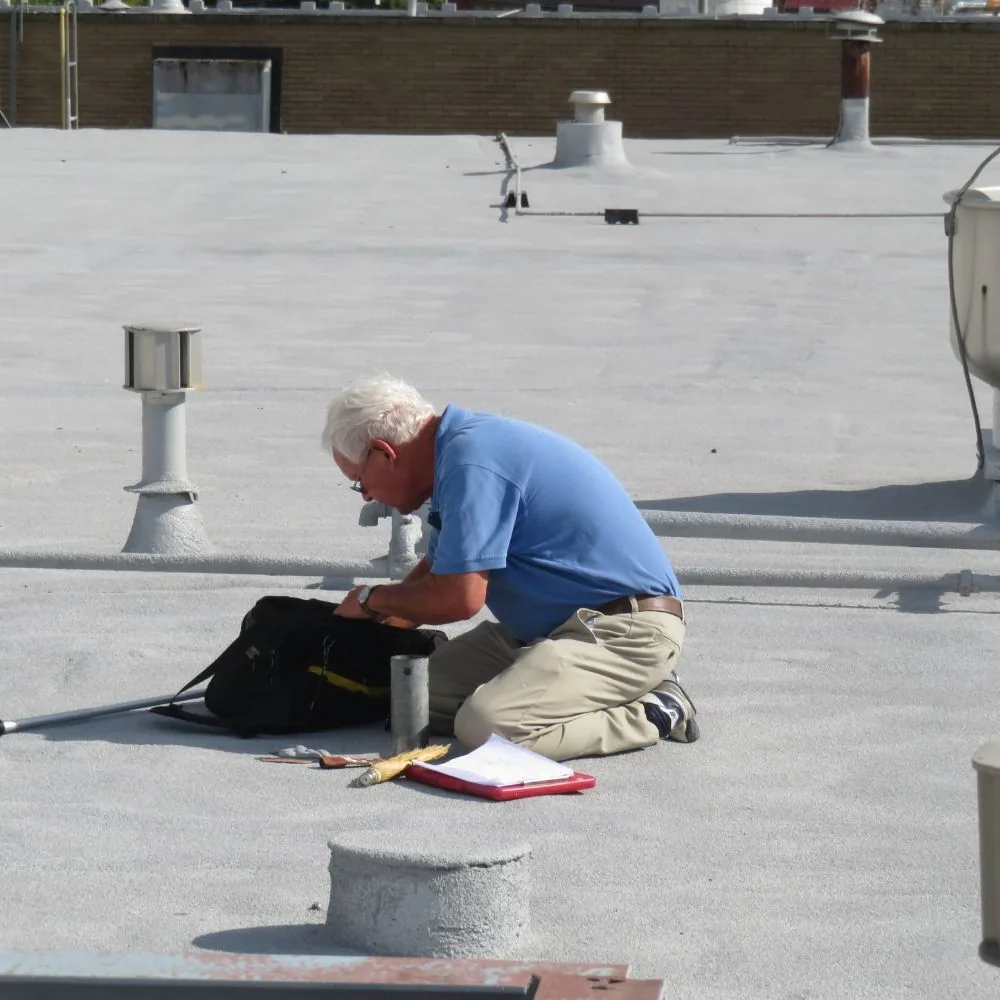
Commercial Roof Asset Management
Manage Cambridge commercial roofs with condition records, repair priorities, drainage notes, and clear next steps for each property and roof section.
LEARN MORE
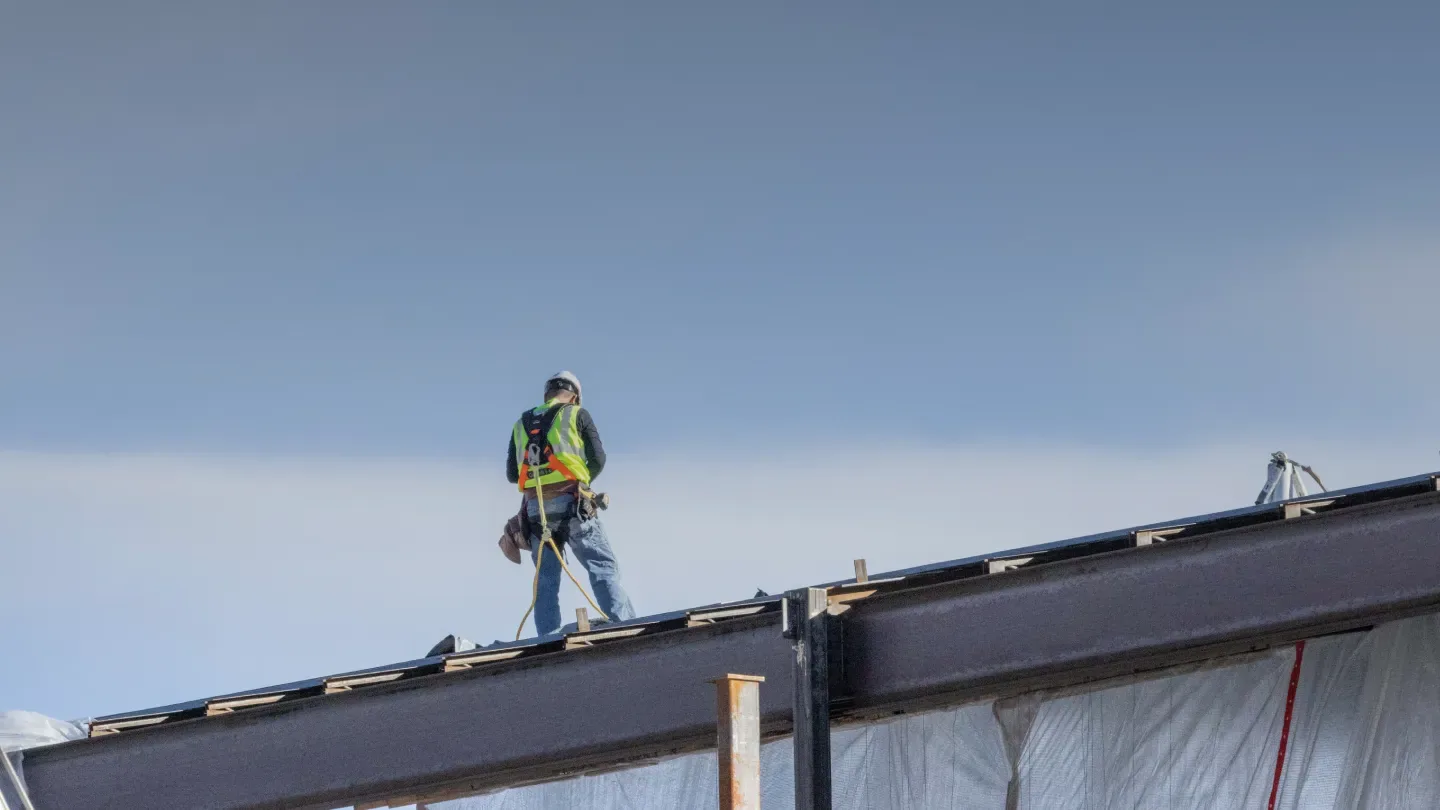
Commercial Roof Capital Planning
Plan Cambridge roof repairs and replacements with documented condition, scope drivers, timing risks, and clear budget-year priorities.
LEARN MORE
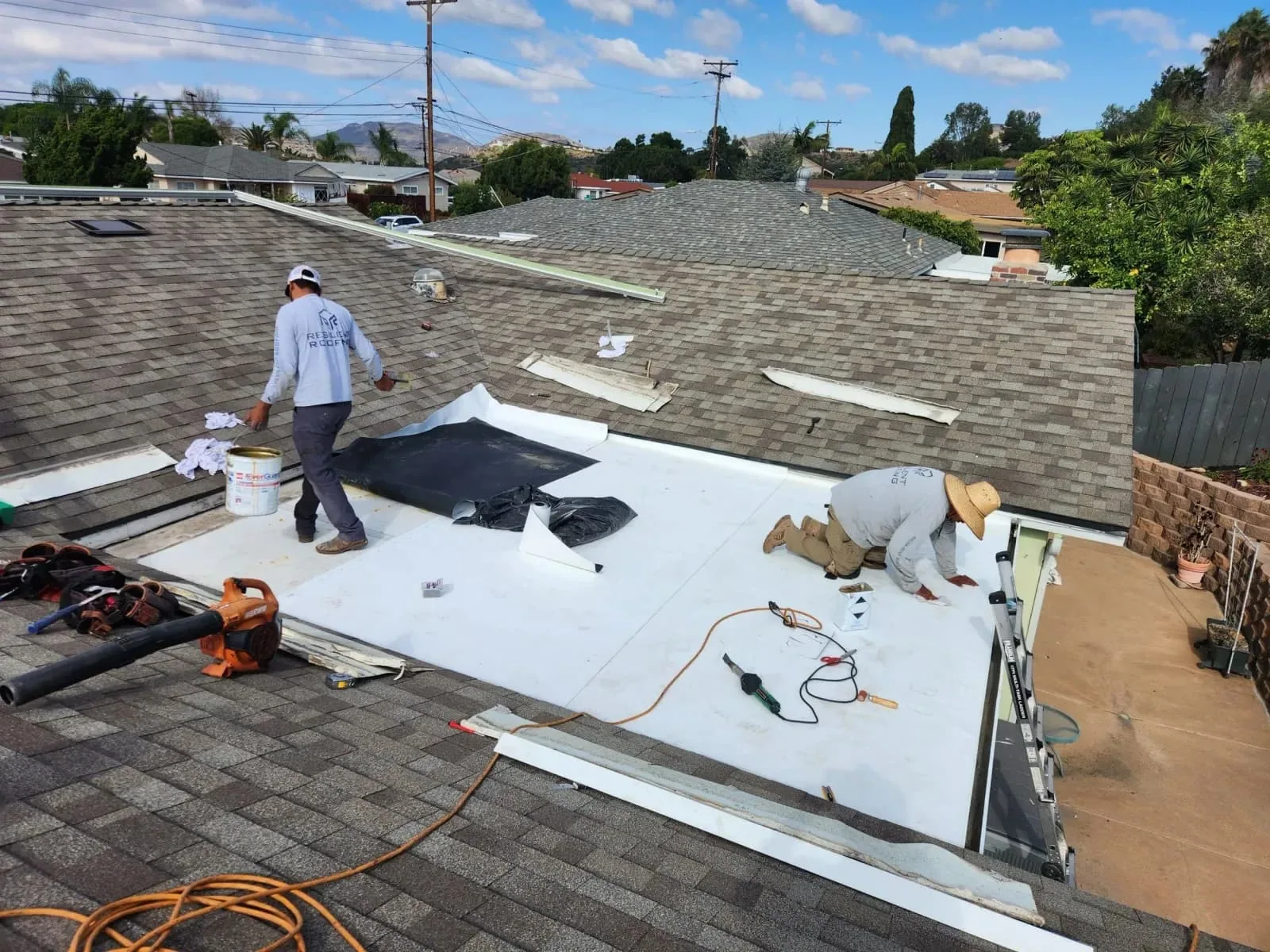
Commercial Roof Condition Reports
Get Cambridge roof condition reports with labeled photos, test results, repair limits, and practical next steps tied to each roof section.
LEARN MORE
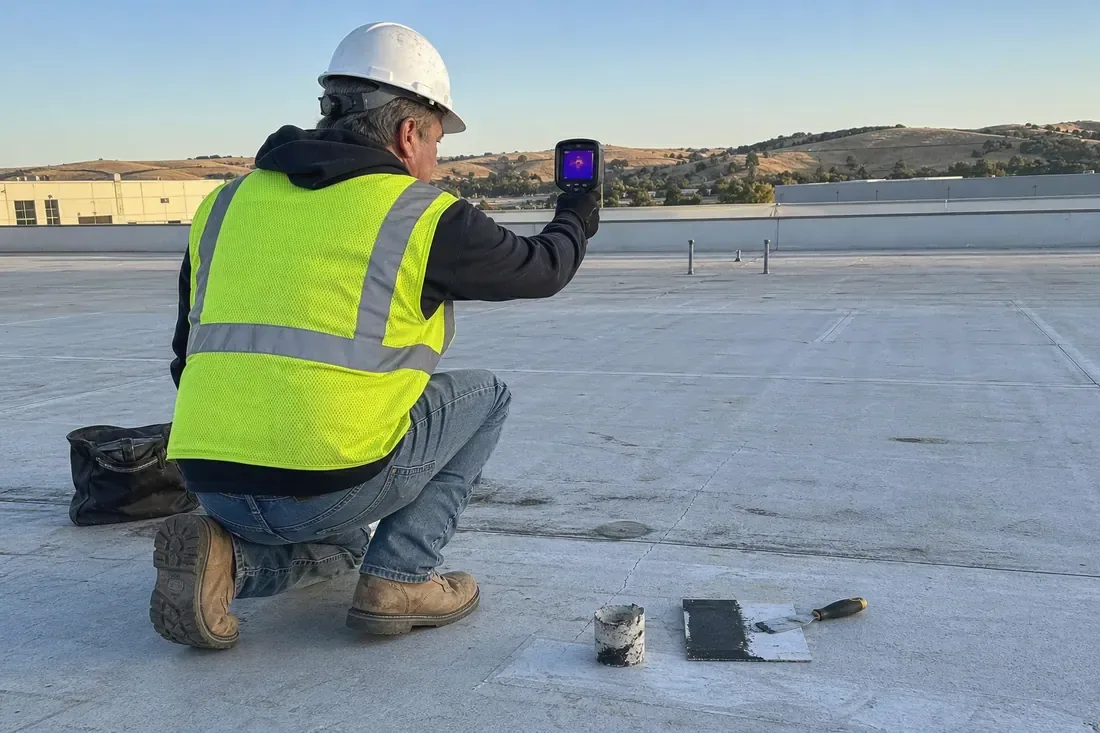
Commercial Roof Warranty Management
Track Cambridge roof warranty documents, required maintenance, repair records, and service notices with findings tied to each roof section.
LEARN MORE
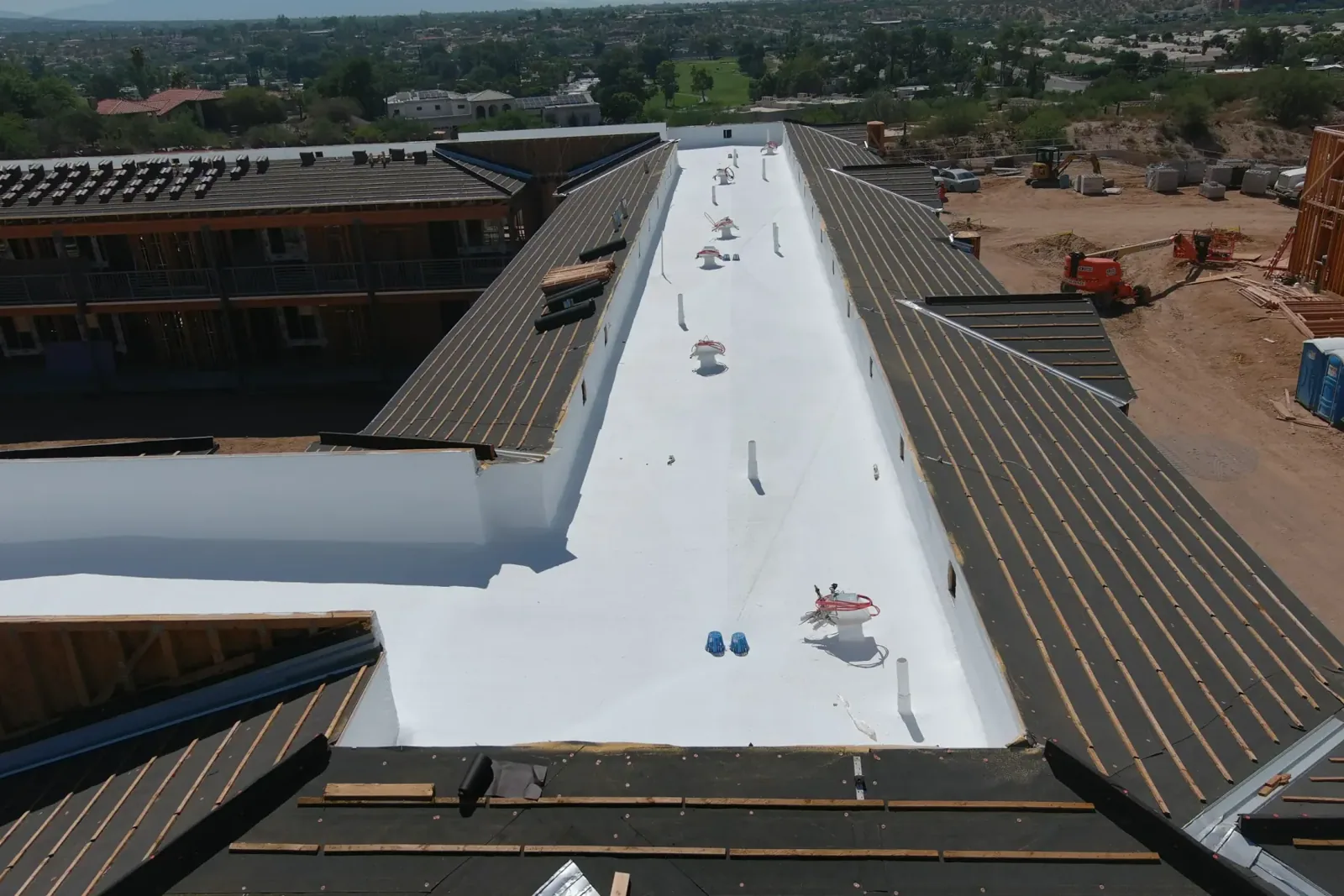
Commercial Roof Due Diligence Surveys
Review Cambridge commercial roof condition before acquisition or refinancing with field photos, system notes, test limits, and scope drivers.
LEARN MORE
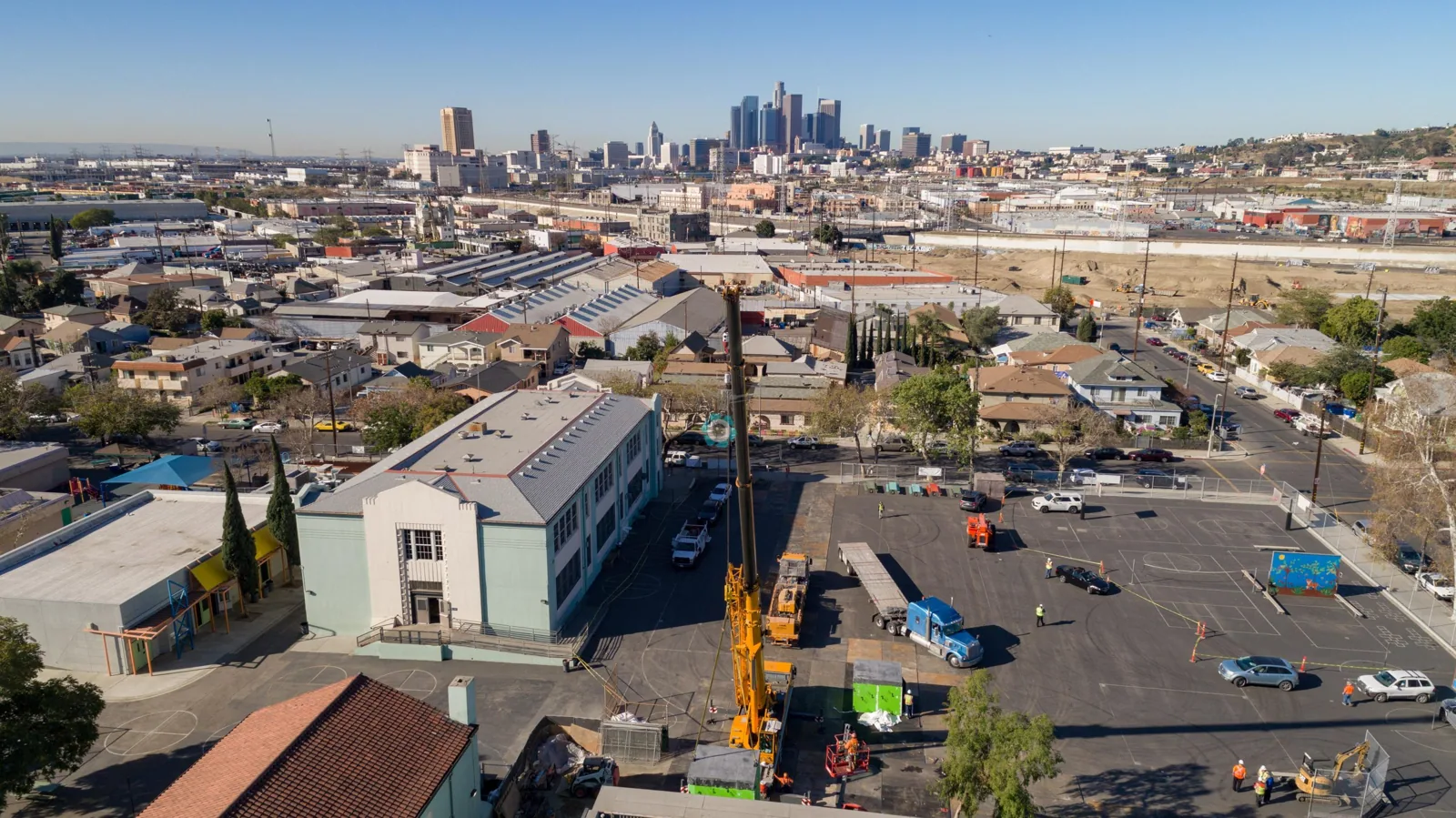
Multi-Site Commercial Roofing Programs
Coordinate Cambridge commercial roof inspections, maintenance, repairs, and reporting across properties with consistent records and site-specific scopes.
LEARN MORE
What Owners Should Know
What does the record need to identify?
A roof condition report records system when known, roof section, drains, seams, penetrations, photographs, tests, and open access questions. Asset management keeps that inventory connected to ownership and maintenance records. Each finding states whether it is visual, scanned, opened, or repaired so a later reviewer can follow the evidence.
How do findings become capital choices?
Capital planning groups confirmed repair, deferred work, and replacement questions by building without treating similar roofs as identical. For a purchase or refinance, due diligence surveys identify visible condition and testing limits. A warranty file review preserves documents and obligations supplied by the owner; it does not assume a warranty will cover an unverified condition.
What changes across a multi-site program?
A multi-site program can coordinate site access, dates, and closeout format. Cambridge's climate planning reports more thaw-freeze changes and heavier precipitation, which can inform maintenance questions; the property inspection and current conditions determine each site's priority. A maintenance visit can revisit drains and transitions, while a roof inspection can establish a baseline for a building without a current field record.
How should a manager use the next report?
Keep the plan revision, roof system record, access contact, prior repair photos, and unresolved test items with the building file. If one roof is at Kendall Square and another at Cambridge Crossing, portfolio reporting can compare the decision status, not transfer findings. The next review should state what changed, what remains open, and who owns the next action. Keep the estimate and closeout together so the capital file can show what was authorized, completed, and deferred. Include dates and photos to support the next review for each property.
Commercial Roofing Questions
Can a condition report certify a roof?
It documents the area and method inspected, observed conditions, and limitations. It does not extend a finding to sections that were inaccessible or untested.
How do you set a capital priority?
We separate active leaks, confirmed deterioration, maintenance, and unresolved testing. The recommendation is tied to the evidence and the owner's timing needs.
What is useful before a property transaction?
Roof plans, maintenance history, repairs, equipment changes, and access to the roof and interior. We list any verification that remains incomplete.
Can several properties use one inspection schedule?
Yes. Dates and reporting format can be coordinated, while each building keeps its own roof evidence, findings, and repair boundary.
Put field findings into the property file
Share roof plans, system records, access contacts, and open repair questions. We will document each section and the evidence that supports its next action.