
Commercial Roof Due Diligence Surveys in Cambridge, MA
Review Cambridge commercial roof condition before acquisition or refinancing with field photos, system notes, test limits, and scope drivers.
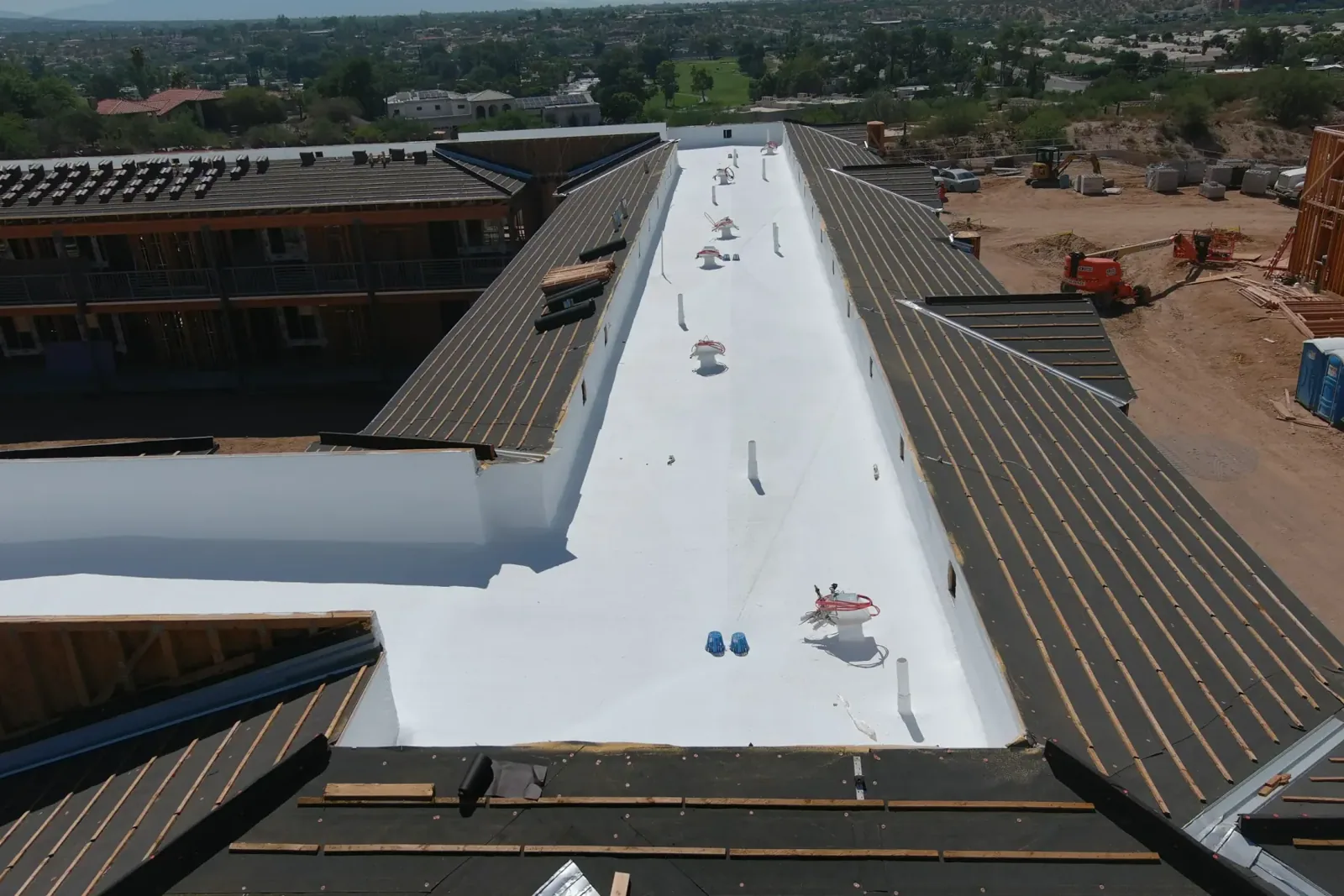
A roof review for a transaction starts with the documents and the access window, then checks whether the field conditions match the record. We inspect the visible assembly, drainage, penetrations, edges, prior repairs, and any reported leak areas, then identify what testing could not establish. Cambridge has office, research, institutional, retail, housing, and industrial properties, from Kendall Square's life-science activity to the mixed commercial and residential uses at University Park in Lower Cambridgeport. Those uses affect equipment, access, and tenant coordination. They do not establish roof area, age, or condition. Our survey ties observations and budget considerations to the actual roof sections inspected.
What can a transaction survey establish?
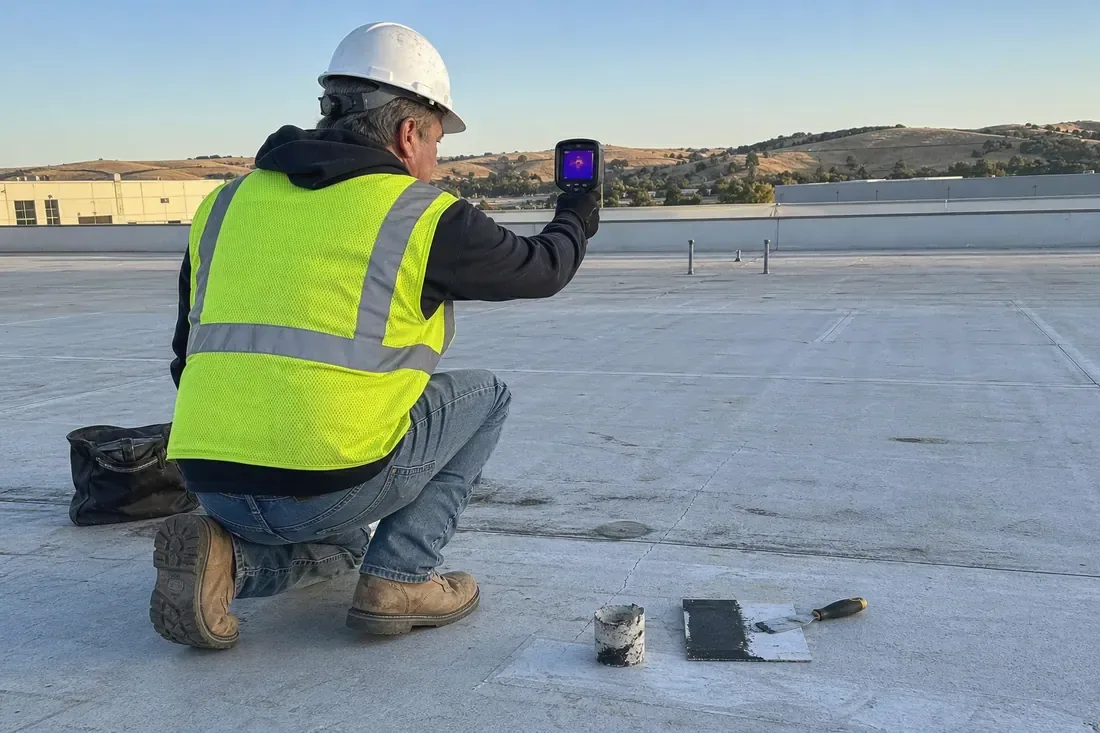
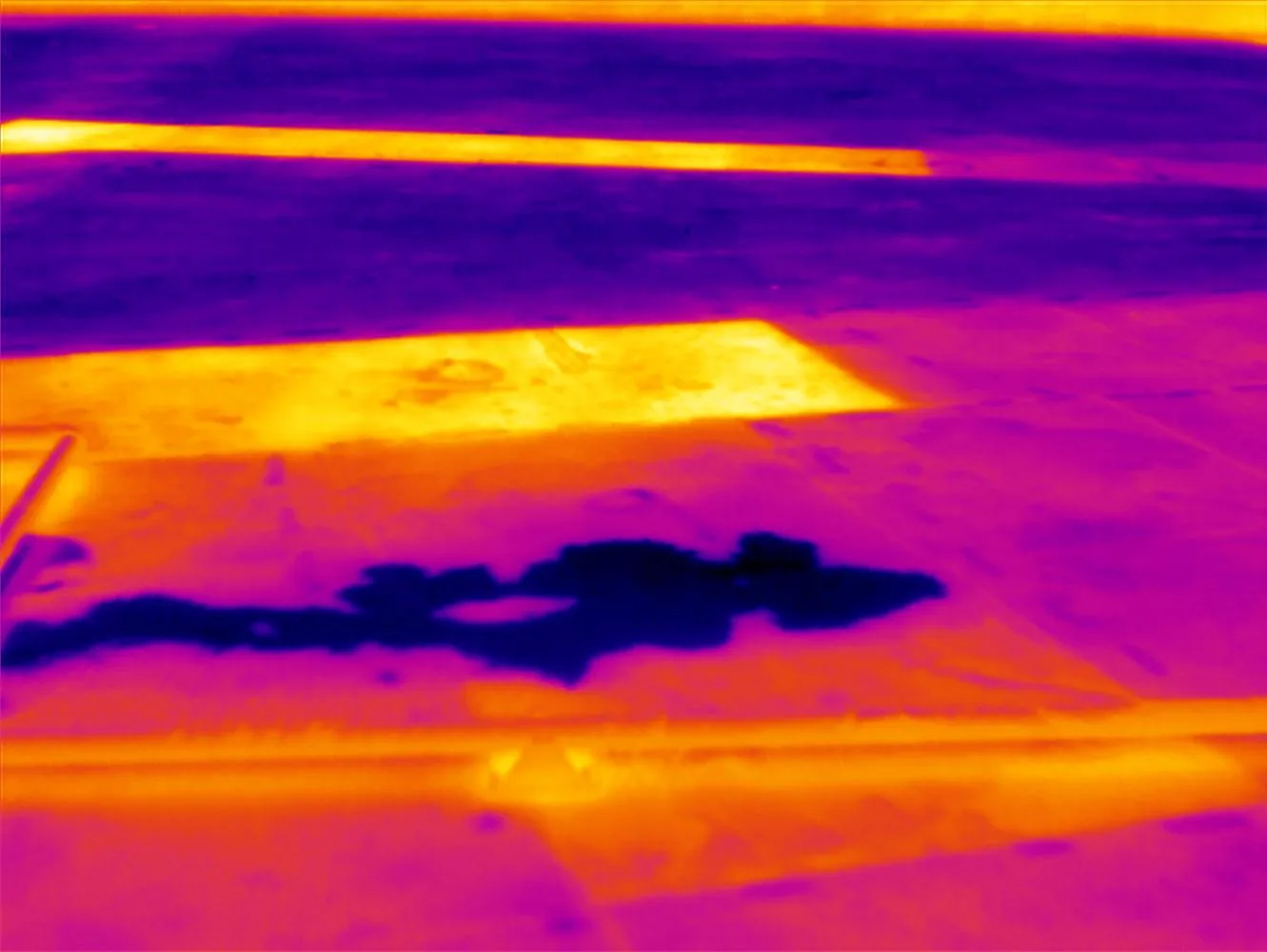
A visual survey can document accessible roof surfaces and details, identify apparent system types, record visible deterioration, and map known drainage and penetrations. Roof plans, warranties, maintenance history, and prior repair invoices help us compare field observations with available records. We note sections not visited, obstructed details, and assumptions. Concealed deck condition, insulation moisture, structural capacity, and code compliance require the appropriate testing or professional review. A commercial roof inspection can establish the visible baseline; an infrared moisture survey may add useful information when the assembly and conditions are suitable. We note the weather and roof-surface conditions at the time of scanning and map the observed pattern for follow-up. Infrared results guide further inspection; they do not independently prove a leak or establish the condition of every concealed layer. We include the test date, roof area, and limits in the report for transaction review and later comparison.
How do you interpret leak and repair history?
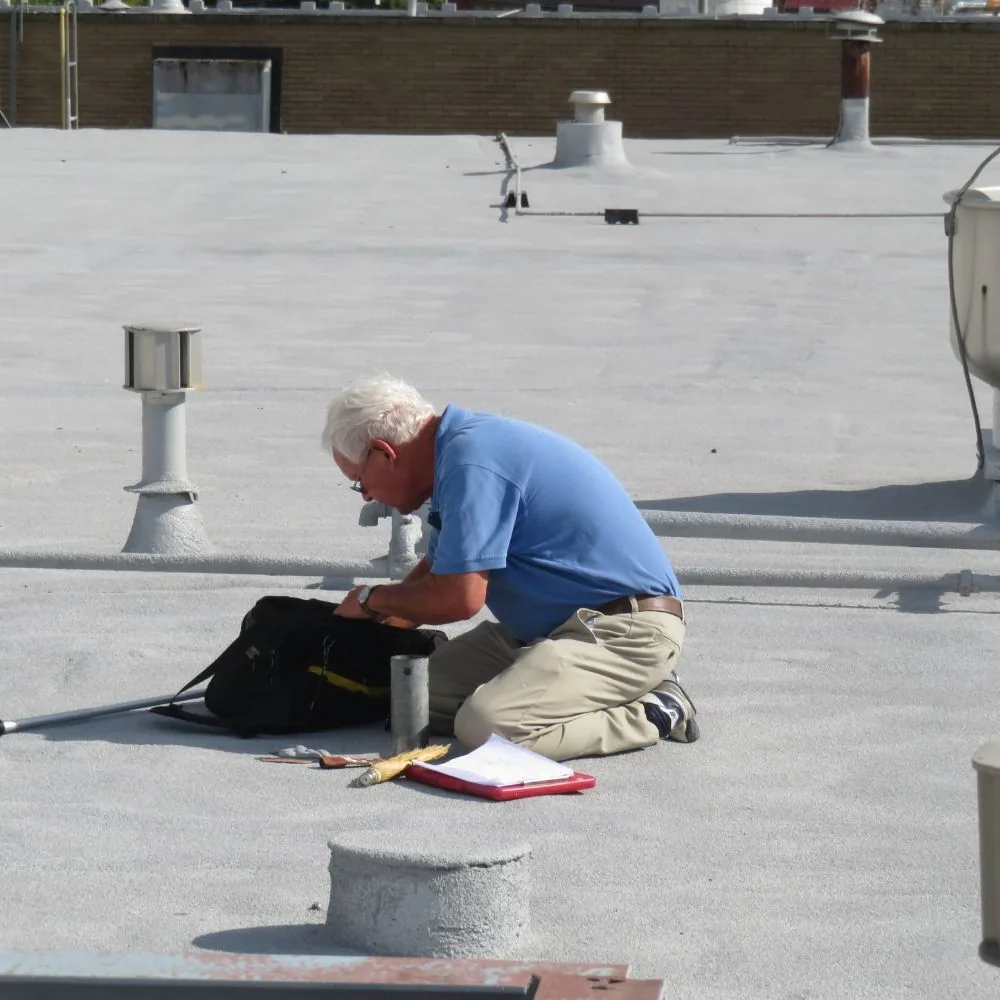
Repeated service calls at one curb, drain, or perimeter may point to an unresolved detail, but invoices alone do not show what caused the water entry. We compare the reported locations with field conditions and dated repair photos. A test opening can confirm layers or insulation condition at a specific point; it does not represent an entire roof section unless a broader sampling plan supports that conclusion. We keep the buyer's reported concern, observed condition, and tested result in separate notes. A roof condition report provides the photo and location references that make those distinctions reviewable after the site visit.
Which roof costs should be carried forward?
We identify near-term repairs, drainage corrections, maintenance items, and larger replacement scenarios as separate scope categories. Cost drivers may include wet insulation, deck condition, number of existing layers, curb heights, perimeter metal, rooftop equipment, access, and tenant phasing. An allowance can reflect those unknowns, but we label the basis and the field check that would narrow it. We do not convert a visible stain into a roof replacement quantity. The capital plan can carry the repair and replacement alternatives into budget years, while a replacement scope should define assembly and tear-off assumptions. Transaction teams may need to distinguish current expenditures from exposure that remains contingent on testing. We report immediate water-entry items separately from deferred maintenance and replacement scenarios. If an allowance assumes a dry deck or a certain number of layers, that assumption appears beside the related scope rather than inside an undifferentiated total. The property team can then decide whether the remaining uncertainty warrants additional access before closing, a reserve in the transaction model, or a follow-up after transfer.
A transaction survey can separate observed work from allowances that still depend on access or testing. We identify the roof sections walked, note where a test opening was made, and leave concealed areas marked as unverified. If one section has wet insulation, the report does not extend that finding to another wing without evidence. We also list the records reviewed, including plans, repair invoices, warranty documents, and prior photographs, so the buyer can see where a conclusion came from. The estimate should distinguish emergency stabilization, a defined repair, and a larger replacement scenario. Those are separate decisions with different assumptions, material quantities, and schedule effects.
What property conditions affect the survey?
Roof hatch access, escort needs, alarms, tenant schedules, air intakes, and equipment shutdown rules can determine which areas are accessible during the visit. We confirm these items before mobilizing and state any section we could not inspect. At Cambridge Crossing, commercial, residential, dining, and retail uses share a large mixed-use development; in Central Square, transit, city government, and commercial activity influence site logistics. The transaction schedule may be compressed, but the survey still records its inspection boundary. If time permits, we can define a second visit or targeted test for an inaccessible or unresolved condition.
How should climate and drainage be considered?
Cambridge planning identifies increasing temperatures, heavier precipitation, more intense storms, and coastal flood exposure among local physical risks. For a roof review, those facts point us to drain bowls, overflow paths, perimeter transitions, and documented water entry, not to a prediction of property-specific damage. Cambridge resilience maps place Alewife among districts with increased exposure in future coastal-surge scenarios. Where a property lies in that district, access planning and ground-level operations may deserve attention alongside the roof inspection. Our drainage review documents accessible roof outlets and overflows; it does not assess downstream piping unless that work is in scope. A clear boundary is especially important when an inspection must fit a short transaction window. We list roof areas visited, visual methods used, test locations, conditions at the time, and items that were blocked by snow, equipment, or access rules. If the buyer needs a narrower answer, a second scope can target those items rather than repeating the entire survey. The report keeps roof observations distinct from code, structural, environmental, and legal questions that require separate professionals. We identify the party responsible for each follow-up.
What should the buyer receive?
The deliverable lists inspected sections, observed systems, photos, known repairs, test methods, limitations, and recommended next actions. We separate urgent work from near-term maintenance and longer capital concerns. For portfolio transactions, roof asset tracking can organize findings by property, while condition reporting preserves the field-level record. A survey near Kendall Square starts with the address, plan, access contact, and transaction deadline. Send available roof plans, warranty files, leak reports, maintenance invoices, and proposed inspection window; we will state what the visit could and could not verify. We can also identify the records or access needed to close any material gap in the review.
Commercial Roofing Questions
Can a roof survey provide a fixed remaining-life date?
No single visual visit can set a reliable remaining-life figure. We describe observed condition, known history, test results, and uncertainty, then identify whether more sampling or design review is needed.
Can you estimate costs before opening the roof?
We can identify planning allowances and scope drivers from available records and visible conditions. We label the assumptions and show what a test opening, quantity survey, or access review could confirm.
Will a due-diligence survey cover hidden moisture?
Only testing can assess concealed conditions, and each method has limits. We can recommend a moisture survey or test opening where the assembly and decision justify it, then document exactly which areas were tested.
What should the seller or property manager prepare?
Provide roof plans, system and warranty documents, maintenance and repair records, leak reports, access rules, and the roof contact. We will confirm the inspection areas and any tenant coordination before the visit.
Can you inspect every section during one transaction visit?
That depends on access, roof configuration, weather, and the agreed scope. We list sections inspected and any area excluded, then recommend a targeted return if an unresolved item could change the transaction assessment.
Related Roofing Work
More Roofing Capabilities
Browse every page in Roofing Capabilities, or request a roof assessment and we will walk the roof with you.
Schedule a Cambridge roof due diligence review
Share the property address, available roof plans and records, access conditions, reported issues, and transaction deadline. We will define the inspection boundary and return findings tied to each roof section.