
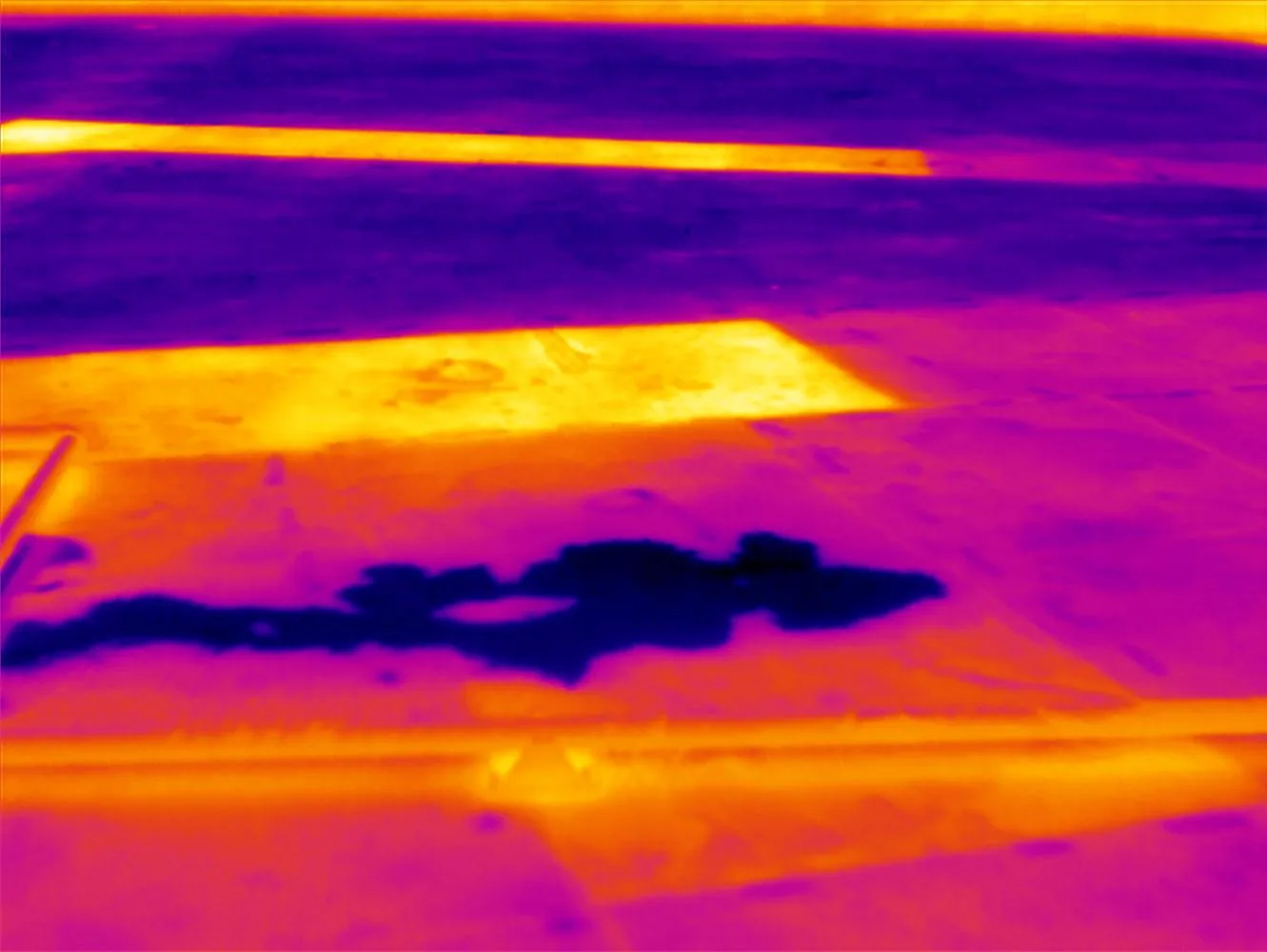
Infrared Roof Moisture Survey in Cambridge, MA
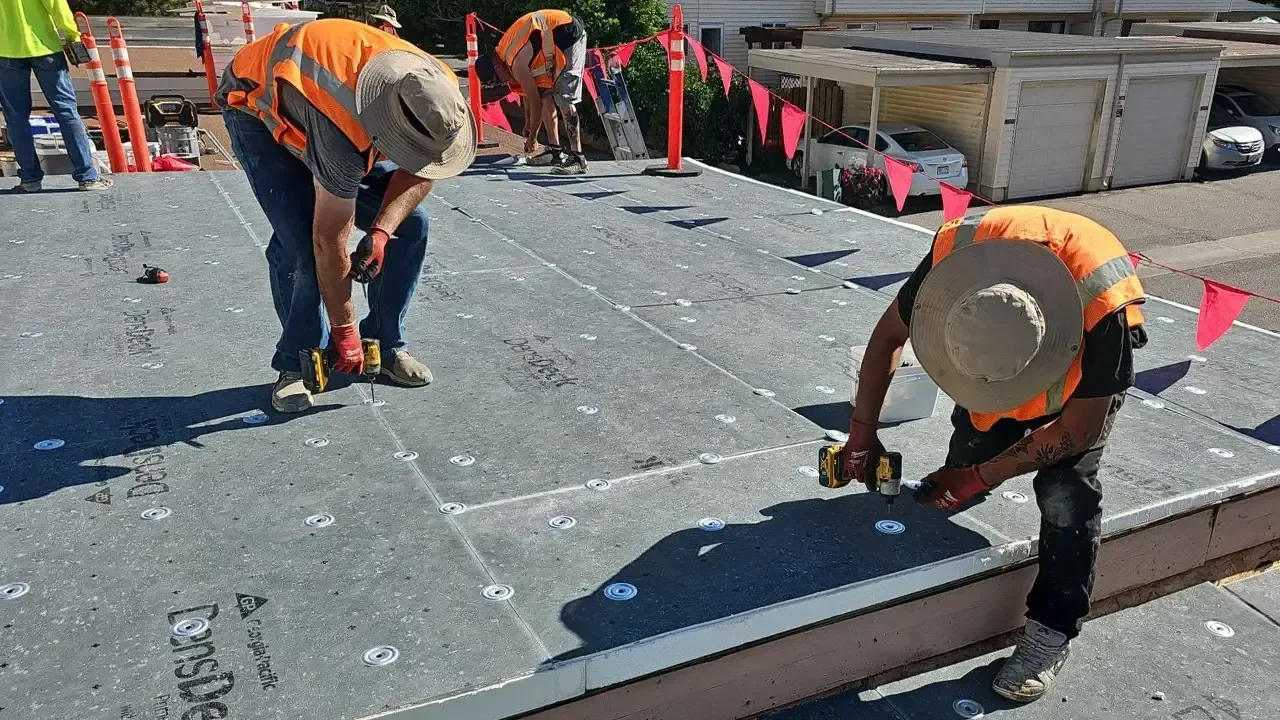
Map suspected roof moisture in Cambridge with infrared screening and targeted confirmation. We document test conditions, readings, and affected roof sections.
Warm and cool patterns on a roof image are clues to check, not a direct reading of water inside the assembly. Our infrared roof moisture survey in Cambridge, MA screens selected sections for temperature differences that may warrant confirmation. We consider the roof construction, recent weather, surface conditions, and time of capture before interpreting a pattern. Cambridge's climate planning identifies heavier precipitation and more frequent flooding as local concerns, while Alewife has comparatively greater flood risk in future scenarios. Neither fact confirms moisture in an individual building. We mark the screened areas, identify suitable test openings, and separate infrared observations from confirmed material conditions so the owner can choose a repair or replacement scope on evidence.
What does infrared measure?
An infrared camera records surface temperature differences. Under suitable conditions, roof areas with different thermal behavior may indicate where concealed moisture or a change in assembly deserves investigation. The camera does not see through the membrane, identify the material layer, or prove that water is present. Sun, shade, wind, recent rain, rooftop equipment, and different construction can all affect the image. We review those conditions before drawing a boundary around a suspected area.
Survey timing and roof preparation matter. We confirm the roof type, drainage, weather history, obstructions, and access plan before capture. Where a thermal pattern is consistent and accessible, a test opening can confirm the insulation and deck at selected points. We note the opening location, layer condition, and limits of the sample. A drone image set may add roof-section context, but it answers a different question from infrared screening and does not replace a core cut.
How is the survey laid out?
We divide the roof into sections and plan a route that covers the areas requested without mixing readings from different assemblies. Before capture, we note recent weather, surface conditions, equipment shadows, ponding, and any active repair. During the survey, we collect comparison images and mark temperature patterns that merit follow-up. The record identifies where coverage was blocked or conditions made a reading unreliable. If the roof has multiple systems or additions, we keep those areas separate in the map.
Harvard Square includes university facilities alongside retail, arts, and entertainment properties. That district mix makes roof-by-roof identification important: one image boundary cannot be carried to another building simply because it is nearby. We confirm the address and roof plan with the property contact, then label each section and test point. If the record is incomplete, working labels are confirmed before the survey closes. A hands-on roof inspection can review visible details at the same time, including curbs, drain bowls, and termination laps.
Which patterns need confirmation?
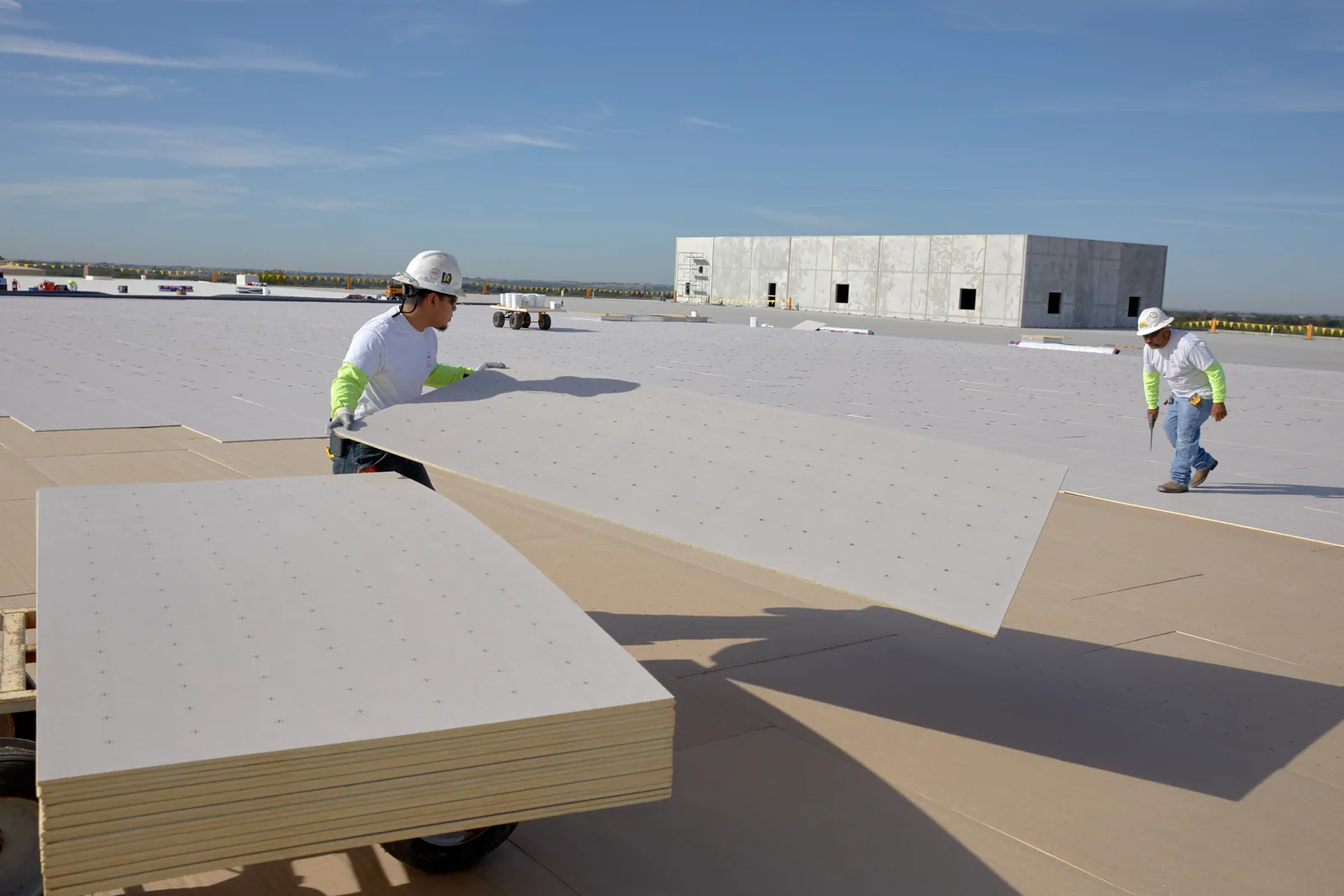
A suspected wet area should be checked with a method that matches the roof assembly and the question. A core cut shows the layers at one point and can confirm moisture there, but it does not prove conditions throughout the surrounding section. We select test locations that represent the pattern and its boundary, then document what the sample contains. If the result differs from the image, we revise the map rather than forcing the test to match the scan.
Drain bowls, roof edges, curbs, and penetrations can produce thermal contrasts for reasons unrelated to wet insulation. We compare those features with roof construction and direct observations. Cambridge's climate vulnerability assessment identifies more intense storms and coastal storm-surge flooding as city risks; those conditions make drainage and water entry worth tracking, but the survey conclusion comes from actual readings and confirmation. Where surface evidence shows a defect, a leak investigation can trace the path separately from the moisture survey.
What can the owner decide from the map?
Once test results are added, the owner can compare selective removal, localized repair, recover, and full replacement by affected section. We mark confirmed moisture separately from areas only flagged by thermal contrast. That distinction can prevent a repair from being sized to an untested image or a replacement from being planned on an unconfirmed boundary. The report also notes access limits and any construction differences that change how the pattern should be read.
At Alewife, the district contains offices, light manufacturing, retail, apartments, hotels, and auto-related businesses. A survey on any one property still needs to identify the building, roof construction, and operating contact rather than infer the condition from neighborhood use. If confirmed wet areas extend across several sections, a recover evaluation should consider the moisture findings and existing attachment before an additional layer is proposed. Where the assembly needs full access for deck review, a replacement scope can include removal and documented testing.
What belongs in the survey report?
The report includes section maps, infrared images, capture conditions, suspected boundaries, test-opening locations, and the results of any confirmation. It identifies areas not scanned or not suitable for interpretation and states whether each marked condition is suspected or confirmed. Photographs show the repaired test opening and any material removed. This record lets the property team review the evidence behind each recommendation and compare it with prior observations.
For a Cambridge property, the findings can be filed with roof plans, service records, and a condition report. An owner planning work across more than one building can use the same labels in a capital plan, while keeping each roof's test results separate. A follow-up maintenance visit can recheck drains, terminations, and repaired openings after the next seasonal weather cycle. Our closeout does not turn thermal contrast into a moisture claim unless the test supports it.
The report maps the surveyed roof area, capture conditions, temperature patterns, and points selected for confirmation. We identify whether readings were taken after the roof had suitable solar loading and state where wind, shade, equipment, or recent rain could affect interpretation. A thermal contrast is not a direct measurement of water content, so the result is reported as an area to investigate, not a confirmed leak. Test openings or another accepted method establish the construction at selected locations. Each result stays paired with the roof section and sample point. This prevents a colored image from becoming an assumed moisture quantity across areas that were not opened or otherwise verified.
Commercial Roofing Questions
Does an infrared survey prove that insulation is wet?
No. It identifies surface temperature patterns that may warrant further investigation. A suitable test opening or another appropriate confirmation method is needed to establish what is inside the assembly at the sampled point.
What weather conditions affect the scan?
Recent rain, sun exposure, shade, wind, and surface temperature can affect the contrast that the camera records. We document the capture conditions and do not interpret areas where the conditions make the pattern unreliable.
How many core cuts are needed?
The number and placement depend on the roof layout, the suspected pattern, and how much confirmation the decision requires. Each opening samples one point. We identify test locations and explain what the results can establish before the owner authorizes them.
Can the survey be performed on every roof type?
Infrared screening is useful only when the construction and conditions can produce interpretable patterns. Multiple systems, reflective surfaces, obstructions, and recent weather may limit results. We review those factors before confirming the survey approach.
Can a moisture map determine whether to repair or replace?
The map and test results help define affected sections, but the decision also considers attachment, deck condition, drainage, system compatibility, and the owner's operating needs. We separate confirmed wet material from untested areas before comparing repair, recover, and replacement.
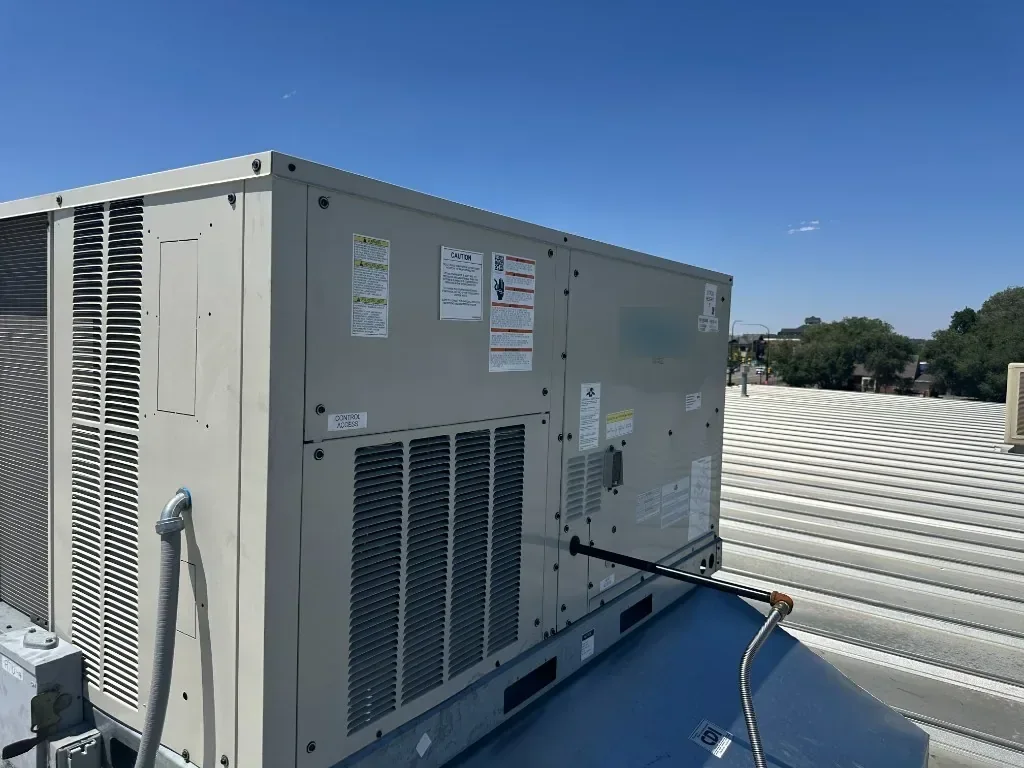
Related Roofing Work
More Commercial Roofing Services
Browse every page in Commercial Roofing Services, or request a roof assessment and we will walk the roof with you.
Confirm what the thermal pattern shows
Send the Cambridge address, roof assembly records, suspected areas, recent leak history, access contact, and preferred survey window. We will review whether conditions support infrared screening and identify where confirmation is needed.