

Commercial Roof Capital Planning in Cambridge, MA
Plan Cambridge roof repairs and replacements with documented condition, scope drivers, timing risks, and clear budget-year priorities.
A replacement date on a budget sheet needs a field condition behind it. We build Cambridge roof capital plans from inspection findings, system identification, moisture checks, repair history, and the access conditions that control how work can be staged. Kendall Square's research and life-science activity, Central Square's commercial and civic uses, and Cambridge Crossing's mixed-use development bring different tenant, equipment, and service windows. Those uses affect construction sequence, not membrane life by themselves. We separate urgent water-entry work from planned renewal, record what is known about each roof section, and show where testing or design review could change the project scope.
What evidence supports a replacement year?
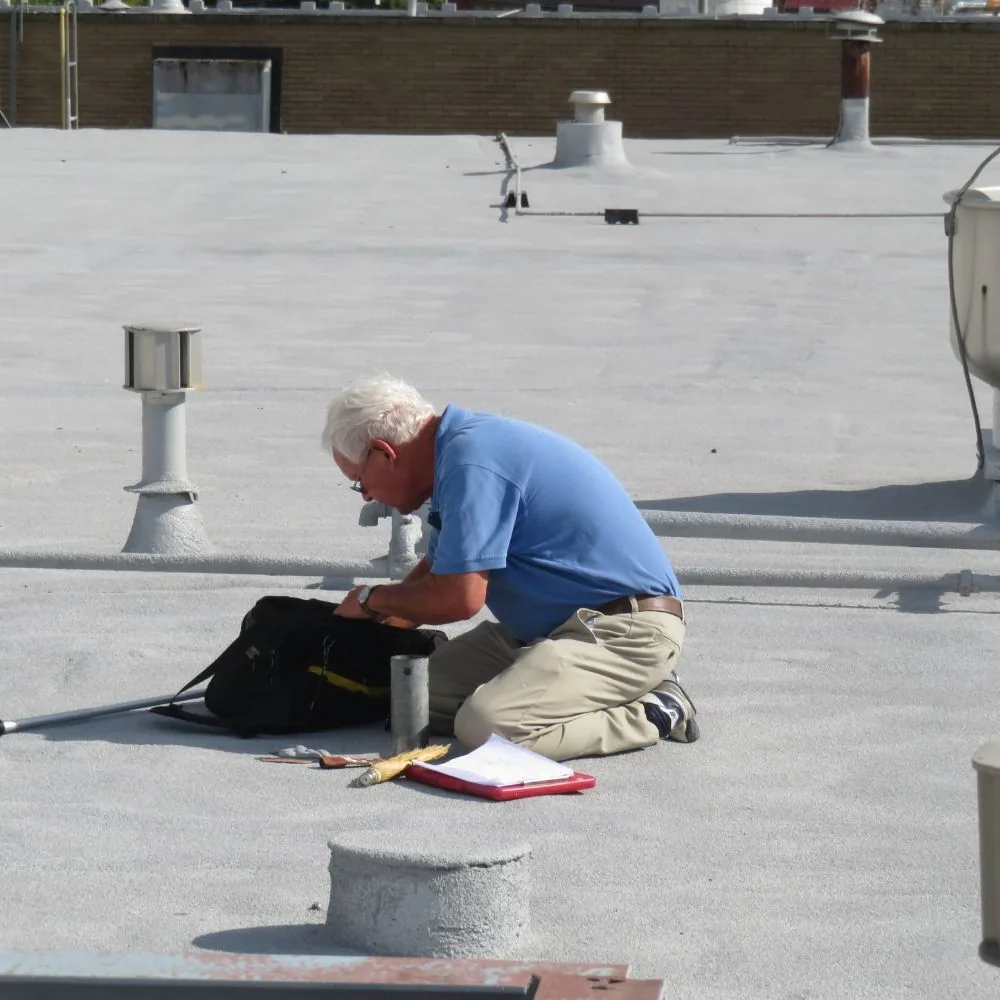
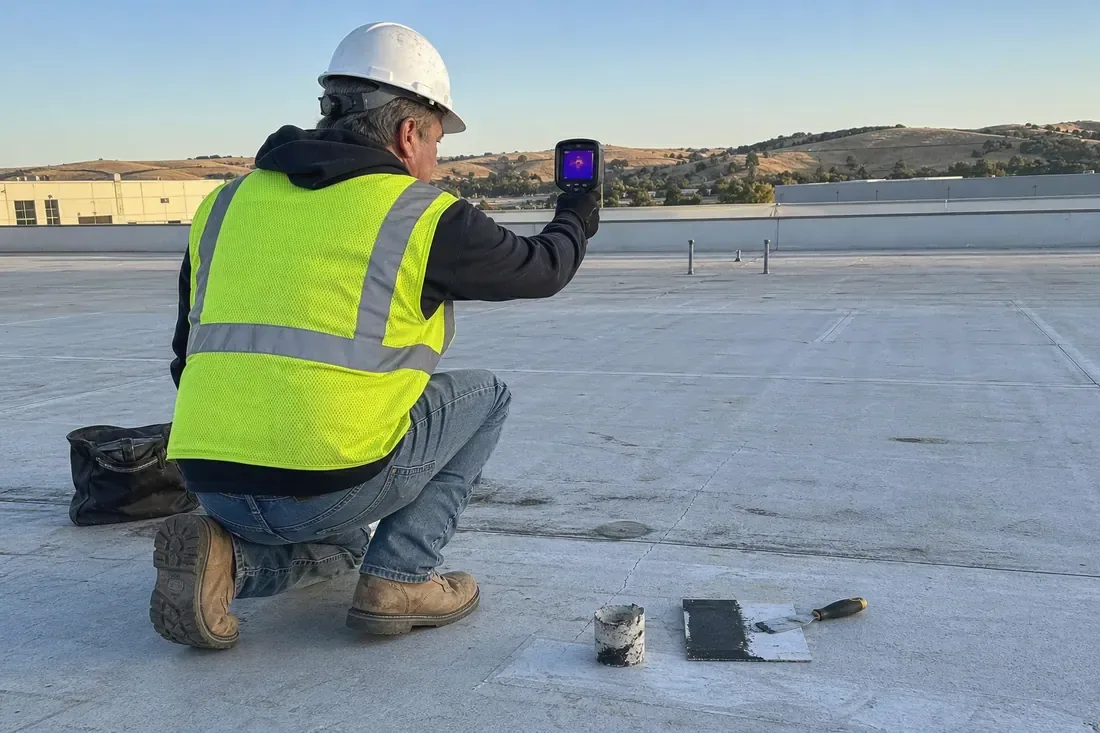
We document seams, flashings, drains, perimeter metal, surface condition, moisture results, and any visible deck concerns. A widespread pattern of wet insulation or repeated failures can support a larger capital scope; isolated wear with sound surrounding material may support repair and monitoring. We identify the survey limits and avoid estimating remaining service life from age alone. When records are incomplete, a test opening or moisture survey can answer specific questions before a budget is set. A commercial roof inspection establishes the field condition, while infrared survey work is selected only when assembly and weather conditions make the readings meaningful.
Which work belongs in the current budget?
Separate line items make it easier to compare a repair, drain correction, coating restoration, recover, or full replacement. Each option has different preparation, disposal, insulation, edge, and tie-in needs. We state which assumptions affect price and schedule, including access, roof height, tenant phasing, system compatibility, and material availability. A patch that stops one opening does not settle a capital decision for other sections. The condition report retains evidence for each item, and replacement planning can define the assembly, tear-off limits, insulation, and temporary dry-in sequence separately. Budget comparisons are useful only when exclusions are visible. We identify whether a scope includes wet insulation removal, deck repair allowance, new edge metal, drain modifications, equipment curbs, and interior protection. Where a condition has not been opened or measured, we label it as an assumption and show what field confirmation would change the scope. This gives the owner a practical path from survey to bid documents: resolve critical unknowns, mark limits on the roof plan, then request pricing against a defined assembly and work sequence.
How should risk affect timing?
Cambridge planning identifies increasing temperatures, heavier precipitation, more intense storms, and flood exposure as local physical risks. Those conditions make clear drainage, sound edge transitions, and reliable overflow routes worth tracking in a capital plan. They do not determine that a particular roof will fail in a specific season. We prioritize observed openings and moisture evidence, then note where weather exposure could change the consequence of waiting. For capital work near Alewife, Cambridge resilience planning points to future coastal-surge exposure as a site coordination factor. The roof assessment remains based on the inspected assembly.
Can replacement be phased by roof section?
Phasing can keep unaffected areas in service while crews complete a defined section, provided tie-ins, drainage, and temporary terminations are planned. We map the sequence to access routes, rooftop equipment, air intakes, and the building's operating calendar. Near University Park in Lower Cambridgeport, office, commercial, hotel, and residential uses share a mixed-use development, so deliveries and tenant communication can affect staging. A phased reroof plan identifies the work limits for each shift and the condition at handoff. If a transition is left exposed overnight, we include the dry-in and weather response in the scope. The work plan also states how much of the roof remains in service while each phase proceeds. Before a crew moves, we inspect the day-end termination, confirm the overflow route, protect penetrations, and photograph the closed section. The next phase starts from that documented condition rather than assuming the previous tie-in is sound. For properties with multiple tenants or sensitive equipment, we can coordinate a notice and access window before each section begins. Those operational steps do not replace the technical tie-in detail; both belong in the project plan.
What changes the project allowance?
Deck condition, wet insulation, additional membrane layers, drain elevations, edge metal, penetrations, disposal, and access can all move the final scope. We distinguish verified quantities from planning allowances and list what field opening or design check would resolve uncertainty. A roof asset record can carry those assumptions forward across inspections, and maintenance visits can keep drains and details in service while a project is scheduled. The budget should name its basis and date so a later bid can be compared with the same roof section and scope.
What should the capital handoff include?
We provide marked roof areas, condition photos, tested locations, recommended scope, phasing constraints, and open questions. The owner can compare a near-term repair with a replacement package without treating the alternatives as equivalent. A portfolio roof program can track Cambridge properties by budget year, while a visit near Central Square or Cambridge Crossing uses the property address and access contact for coordination. Share plans, leak history, system records, and the planning horizon. We will tie the recommendation to the roof section and identify which evidence would change it.
Closeout should preserve the reason a project was selected and the work it includes. We can retain prior photos, test results, alternates, and final approved limits so a future inspection can compare the completed system with its baseline. If funding is delayed, interim maintenance items remain visible and can be assigned a visit date. That record keeps the roof operational while the owner determines when larger work fits the property plan.
A useful capital handoff gives the owner a scope that can be checked against the field record. We state the roof area included, the layers assumed, the details to be removed or retained, and any allowance for concealed deck or insulation conditions. Drain changes, curb extensions, edge metal, temporary protection, and equipment coordination should appear as distinct items when they affect cost or sequencing. If a test result could move the boundary, the plan names that decision before bids are compared. The owner can then compare a repair package with recover and tear-off options without treating the lowest initial number as the same scope.
Commercial Roofing Questions
Can you assign a reliable replacement year from roof age?
Age is one record point, not a condition assessment. We inspect the assembly, review repairs and moisture evidence, and identify what testing remains before recommending a timing range or budget year.
How do you compare repair and replacement budgets?
We define the repair boundary and replacement assembly separately, then state assumptions for access, wet insulation, drains, edge metal, and phasing. The owner can compare like scopes and see what field condition could change the allowance.
Can a capital plan include temporary repairs?
Yes. We list the stabilization work needed to protect the building, its duration or return trigger, and the longer project decision it does not settle. That keeps urgent water control visible alongside planned renewal.
What Cambridge records are useful before planning?
Send roof plans, membrane and warranty records, prior surveys, leak reports, tenant or equipment constraints, and the budget horizon. We use them to locate roof sections and verify details in the field, not as a substitute for inspection.
Does climate planning determine which roof gets replaced first?
No single climate fact assigns a project. Cambridge's storm and flood planning helps frame drainage and exposure questions; observed condition, consequence, access, and available evidence set each property's priority.
Related Roofing Work
More Roofing Capabilities
Browse every page in Roofing Capabilities, or request a roof assessment and we will walk the roof with you.
Set a roof budget from field evidence
Share Cambridge property addresses, plans, system records, repair history, access conditions, and the budget horizon. We will identify the inspected roof sections, scope assumptions, and unresolved questions.