Commercial Roofing in Somerville, MA

Commercial roof repair, inspections, and replacement in Somerville, MA. We document each roof section, access limit, and repair decision.
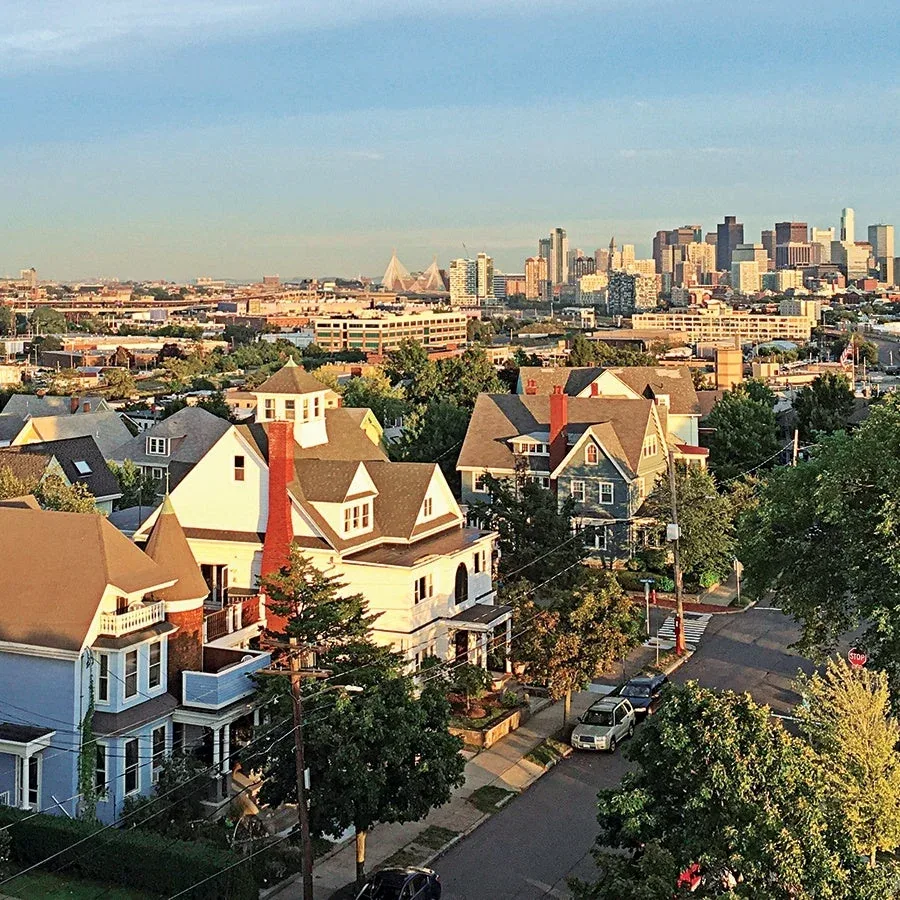
A membrane seam at a rooftop mechanical curb can look closed while water slips below the flashing at one corner. In Somerville, MA, Assembly Square combines offices, shopping, housing, and longer-standing retail and light-industrial activity. The area is also a growing life-sciences and advanced-manufacturing cluster, while Union Square and Winter Hill have active redevelopment plans. We inspect the actual building rather than infer a roof system from the district's development history. The first record identifies the address, plan, access contact, equipment, drains, seams, and transition details before the repair limit is set. Somerville's I-93 and I-95 access and transit connections are city-identified business location factors, not a staging permit; the property contact confirms the crew route and delivery window. The scope separates roof evidence from tenant and project coordination.
What changed after an industrial property was redeveloped?
Redevelopment can alter occupants, mechanical equipment, access controls, or roof traffic, but it does not prove when a roof was installed or what condition remains beneath the membrane. Assembly Square now includes Assembly Row offices, shopping, and housing alongside longer-standing retail and light-industrial spaces. We treat that mix as a coordination prompt, then confirm each building's system record and current use with the property contact. On the walk, we map the roof section, identify membrane and attachment where visible, check penetrations, curbs, seams, edge metal, drains, and overflows, and photograph any changed equipment support. A commercial inspection records the observations and any area hidden by equipment or without safe access. A tenant's fit-out or rooftop installation may leave a new flashing responsibility; the closeout identifies who must complete or inspect that tie-in. Before authorizing a patch, we record whether the affected sheet is single-ply, built-up, metal, or another assembly that can be identified from the field. We note attachment at accessible edges and whether old repairs conceal the original termination. Around equipment, curb height, pitch pockets, walk pads, and service access are checked as separate conditions. A report that lists these details gives the owner a basis for comparing later bids without assuming that two buildings in Assembly Square share the same roof. If a record is missing, a marked test or manufacturer label may help identify the system before materials are ordered.
How does water cross a large roof section?
A leak can begin at a seam, curb, pipe boot, parapet, or drain and appear inside at another point. We compare the reported room with drawings, slope, equipment, and water paths before selecting a test. A visible split is not the same finding as moisture below the membrane; one may be observed while the other needs an instrument or opening. We mark the area and method so a scan result is not stretched across an untested section. In a lab or advanced-manufacturing space, the contact confirms system restrictions and interior protection before a test opening. A moisture survey may help focus that test under suitable conditions. If a roof is affected by a specific storm or construction activity, we document the current evidence and do not infer cause from a city project schedule or property use.
Which repair scope matches the evidence?
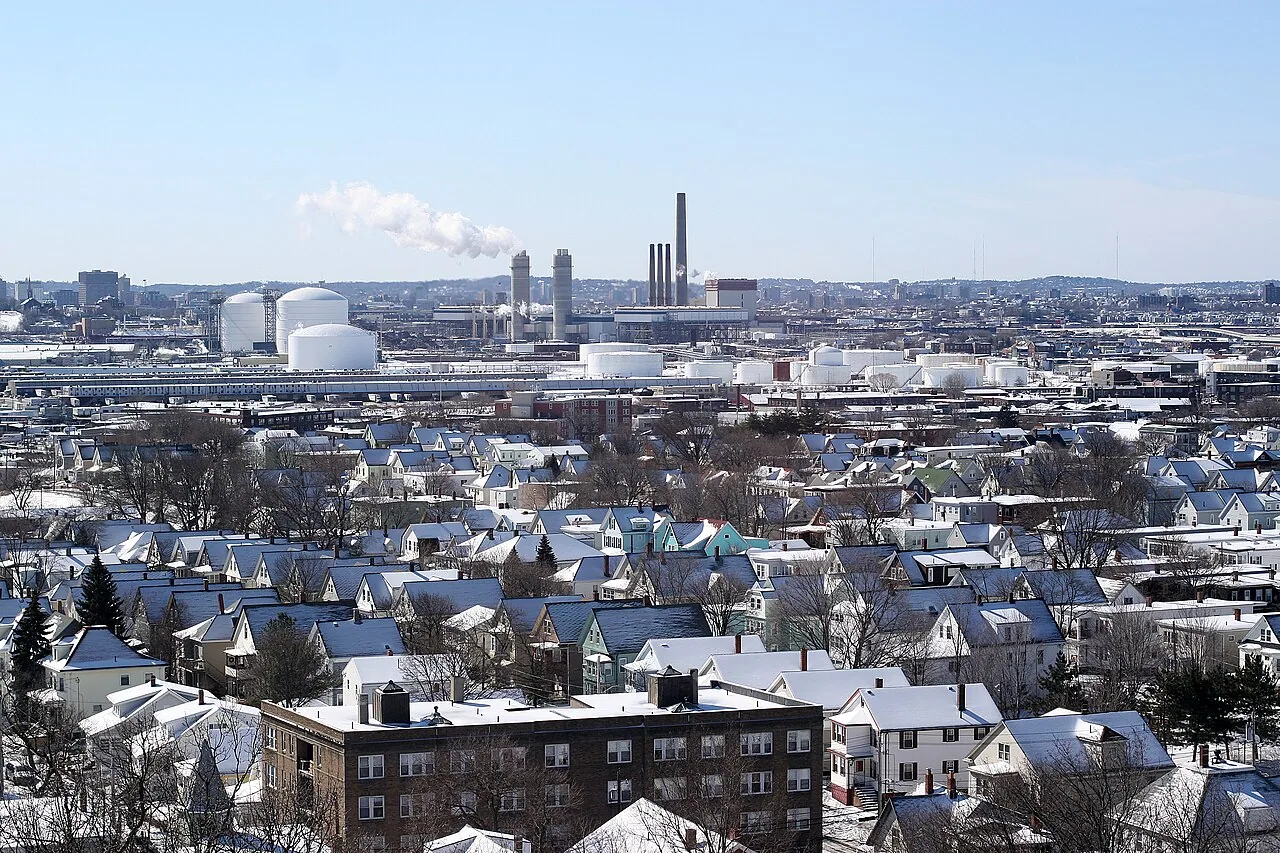
A local patch is appropriate when the defect is bounded and surrounding material can support a compatible tie-in. Repeated seam failure, wet insulation, damaged deck, or drainage defects may require broader testing. We confirm attachment, layer count, substrate, curb height, membrane type, and outlet elevations before comparing repair, recover, coating, or replacement. A recover adds height and needs clearance at drains and edge terminations. Coating requires a suitable, dry, prepared surface. Replacement needs removal limits, weather protection by section, material movement, and interior coordination. A seam repair assessment identifies the opening and adjacent sheet condition; a recover evaluation verifies whether the assembly and drainage support overlay. For an owner with several industrial or commercial assets, each property's scope stays tied to its own survey.
How does access change between lab and retail uses?
The property contact sets the access window, roof entry, material route, work zone, and room-protection plan. Assembly-area life-sciences and advanced-manufacturing growth can mean additional equipment and operating constraints at a facility, but we confirm those conditions at the address. Somerville reports that TransMedics plans operations from 2028 in a nearly 500,000-square-foot lab building at Assembly Innovation Park; the planned occupancy is not a statement about current roof condition or roof area. For existing work, we identify who can approve a test opening and which system cannot be interrupted. A phased work sequence can establish daily stop points and a restart check. We secure the membrane if weather interrupts, preserve access to drains, and photograph any temporary closure. Delivery and staging must follow the building's rules, not a general assumption based on transit or highway access.
What should a portfolio file keep distinct?
A multi-property manager can share a calendar and inspection format while keeping each building's system, plan, drain map, equipment changes, repairs, and photos separate. A property near Union Square is not interchangeable with one at Assembly Square or Winter Hill. The local planning authority names all three areas in active redevelopment work, but that does not establish a construction schedule or roof project for any specific address. A condition report can assign each roof a current status and list the evidence behind a capital recommendation. If the owner also coordinates Cambridge properties such as North Cambridge or Cambridge Crossing, use the same portfolio fields but do not blend location facts. Follow-up notes should identify what changed, what was repaired, and what still needs access or testing.
What should I send before a dispatch?
Provide the Somerville address, roof plan or membrane records, interior report, previous repair notes, access contact, and work window. Identify whether the building supports retail, housing, laboratory, office, or light-industrial operations only as confirmed by the property; the roof itself still needs inspection. A live leak can be dispatched after hours, on a weekend, or during a holiday. We first identify the active roof path and the temporary step that will protect the interior. Permanent repairs depend on the installed assembly, substrate, preparation conditions, and access. Estimate timing and cost also reflect staging, materials, testing, other trades, and operational restrictions. The closeout names completed work, temporary protection, and any untested section. It identifies the next contact and scheduled follow-up. If the issue began during redevelopment or after equipment work, include those records so the inspection can distinguish a new penetration from an older roof detail without assuming cause.
Commercial Roofing Questions
Does redevelopment tell me when a roof was installed?
No. A district’s redevelopment history does not establish the age, assembly, or condition of a particular roof. We check the property records and field details, then identify any test needed to confirm concealed layers or moisture.
Can you inspect an occupied lab or retail building?
Yes. The building contact sets the access window, interior protection, equipment restrictions, and staging route. We record the area opened and close it against weather at the agreed stop point.
How do you locate a leak that appears far from the roof opening?
We map the interior report against the roof plan, slope, seams, curbs, walls, and drains. A scan or test opening can help confirm a suspected path when the roof assembly and conditions allow it. The report distinguishes visible evidence from confirmed moisture.
What determines whether a repair or replacement is appropriate?
The decision follows the membrane, attachment, substrate, drainage, edge details, and the extent of any wet material. A defined seam or curb failure may support a local repair; broader deterioration or wet insulation can require additional testing or replacement planning.
What should I provide before a roof visit?
Send the property address, roof plan or system records, reported room, prior repairs, access contact, equipment limits, and work window. The field inspection confirms the assembly and identifies what remains untested.
Related Roofing Work
More Service Areas
Browse every page in Service Areas, or request a roof assessment and we will walk the roof with you.
Schedule a Somerville roof inspection
Send the property address, reported condition, roof plan or system records, access contact, and a suitable work window. We will identify the right roof section to inspect and return a written record of the findings.