
Commercial Roof Maintenance in Cambridge, MA
Schedule commercial roof maintenance in Cambridge with mapped findings, drain and flashing checks, seasonal priorities, and repairs tied to each roof section.
A drain bowl holding leaves can back water toward a seam that looked sound on the last visit. Our commercial roof maintenance program in Cambridge, MA tracks those connected conditions by roof section, then records what should be cleared, repaired, tested, or watched. Cambridge is seeing more winter flooding as precipitation and thaw-freeze swings increase. Those changes make drain bowls, overflow paths, edge transitions, and access timing useful items on a seasonal field sheet. A property near Alewife or an office at Kendall Square still needs its own assembly and drainage review. We work from the actual roof plan and recent service record, then leave a closeout photo and next-action list the building manager can use.
What belongs on each visit?
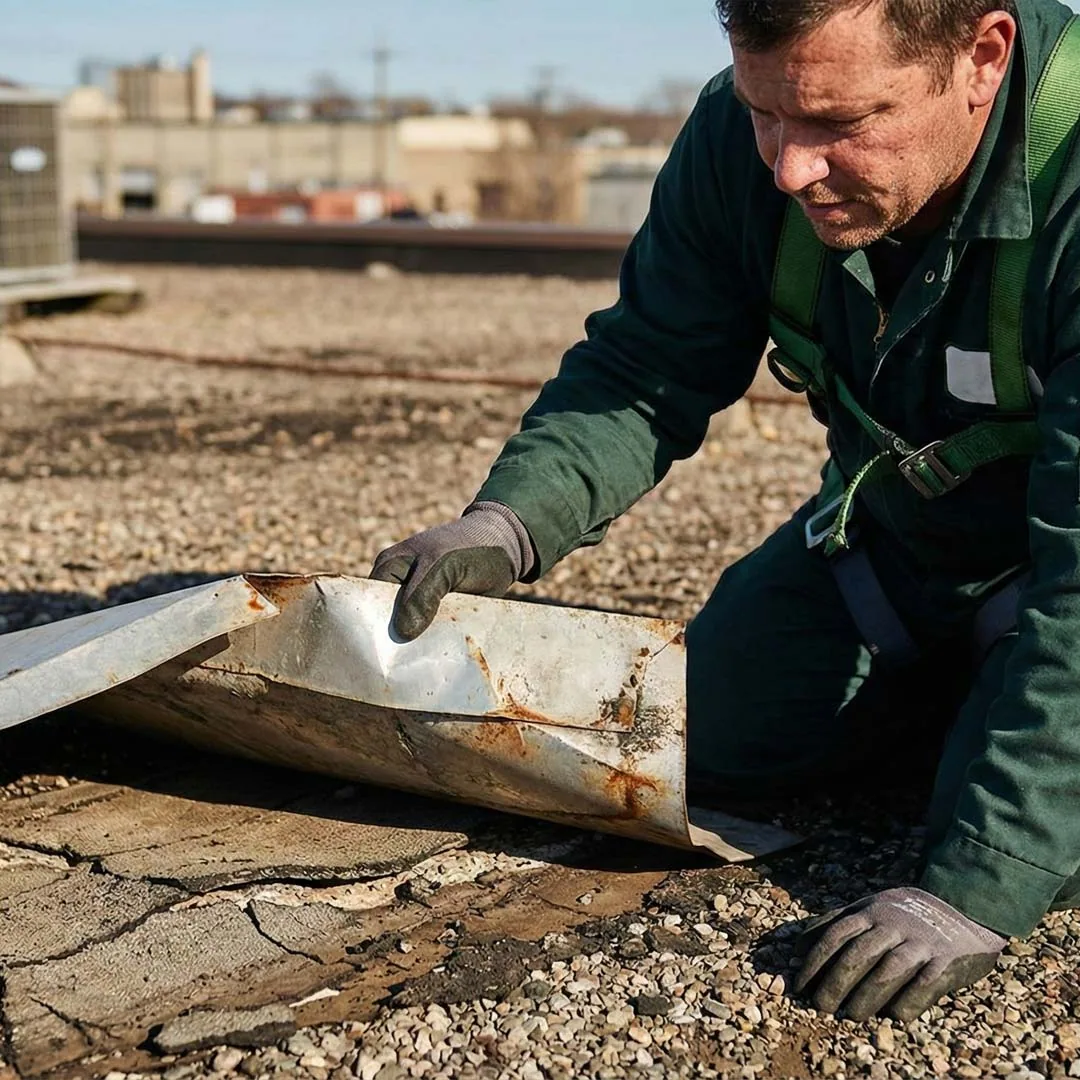
A maintenance walk checks the membrane, seams, patches, penetrations, rooftop equipment supports, parapets, coping, drains, and scuppers. We remove loose debris when it is within scope, note areas where water remains after ordinary drainage time, and inspect the transition around each outlet. At a curb, we record flashing height and the condition of the termination. At an edge, we look for loose metal, open joints, and movement where the roof meets the wall. Each observation is located by roof section rather than captured as a general building note.
Stronger storms and heavier precipitation in Cambridge make pre- and post-season visits useful. We compare current photographs with prior findings, then flag new splits, disturbed patches, open sealant, or a changed drain path. A hands-on roof inspection can broaden the review when a new concern falls outside routine maintenance. We compare current photos with the previous visit and flag new splits, disturbed patches, open sealant, or a changed drain path. A hands-on roof inspection can broaden the review if the manager needs a baseline or if a new concern falls outside routine maintenance.
Which conditions should move up the list?
An open seam, loose termination, damaged penetration flashing, or drain that cannot carry water deserves a closer look than surface debris alone. We classify each item by what is visible and what remains unconfirmed. A soft area may justify a test opening; a recurring interior leak may need a separate water-path investigation. We do not treat a routine visit as permission to cover a defect without identifying its material and repair boundary. The record states who should authorize additional testing or work.
Alewife faces comparatively higher future coastal-surge exposure in Cambridge resilience planning. We keep its drainage and discharge routes accessible, then record whether each outlet was clear during the visit. In other districts, roof access, equipment density, and tenant hours may drive the maintenance sequence. We mark which drains and overflows were checked and whether any route was obstructed. If the site has a recurring outlet issue, a drain and scupper repair can address the bowl, connection, or overflow detail rather than leave the same item on each seasonal list.
How can visits fit property operations?
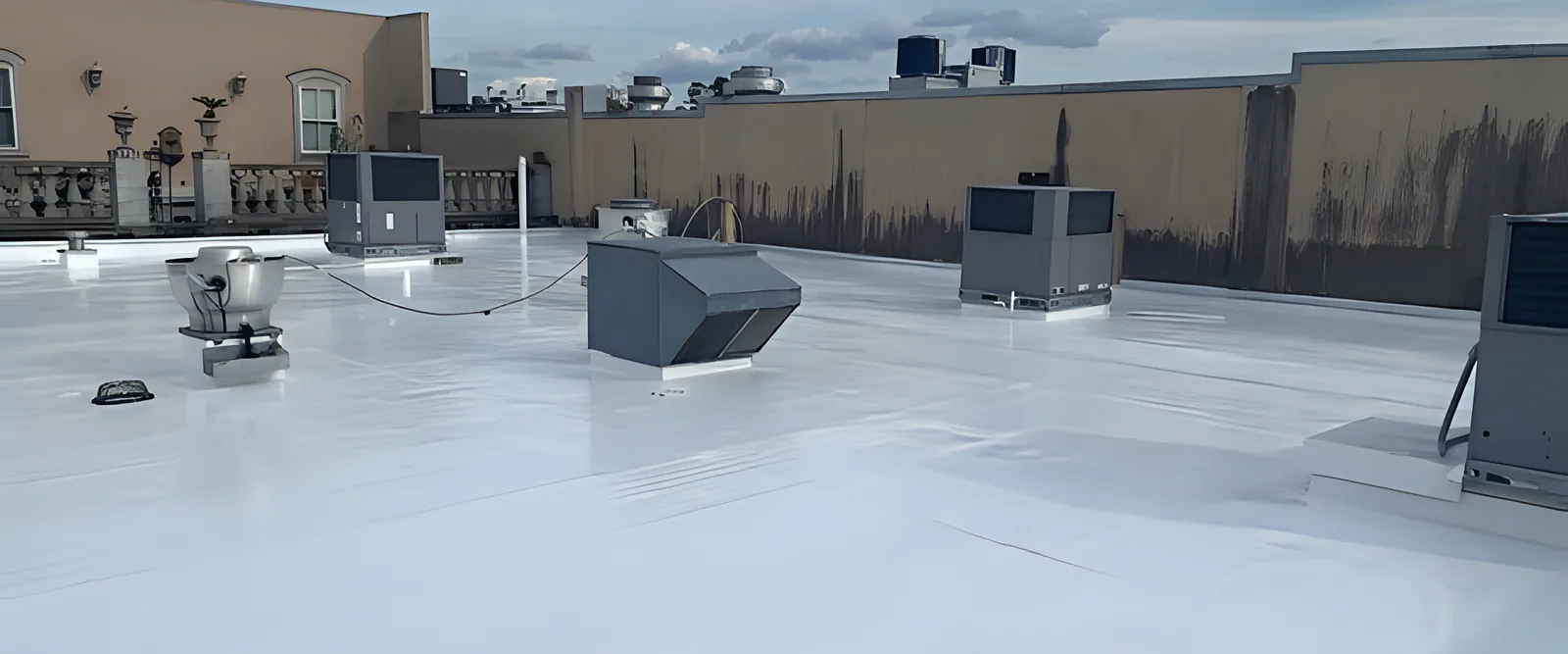
Before the crew arrives, we confirm the access contact, roof hatch, escorts, active equipment, and work window. A laboratory, hospital, retail property, or mixed-use building may have air intakes, quiet periods, or tenant access routes that affect where materials can be staged. We identify those restrictions with the building team and separate routine walking from work that could require equipment shutdown or hot work. If weather makes the surface unsafe, the visit moves rather than forcing a compromised inspection.
Kendall Square combines research and life-science businesses with housing, hotels, restaurants, and shops. Cambridge Crossing has commercial and residential space alongside dining and retail. Those mixed uses make a confirmed route and contact list useful, but each property's roof and tenant plan remain specific. We group observations so staff can schedule a repair without bringing the crew back to rediscover the location. A work plan for occupied buildings can support larger maintenance repairs that need lifts, temporary protection, or coordination with interior operations.
What can recurring notes reveal?
Repeat observations show whether a detail is stable, moving, or failing again after repair. We compare the same seam, curb, and drain photographs across visits and note if water remains at the same low point. The pattern may support a targeted repair, further moisture testing, or a larger drainage review. A record of “checked” is less useful than a dated location, condition, photograph, and next step. When a recommendation depends on testing, we mark the proposed test point instead of calling the area dry or wet from appearance alone.
Buildings in the Central Square and Harvard Square corridors include institutional and commercial uses alongside transit and retail activity. A maintenance record that names the specific building and roof section lets a property team coordinate access without assuming two nearby buildings share details. We can preserve findings in a roof condition report, then connect recurring items to a roof asset record for planning across the property.
What stays after the maintenance visit?
The closeout includes dated photographs, inspected sections, debris or drainage observations, repairs completed, and items that need follow-up. We note areas that were inaccessible or obscured and identify whether a condition is confirmed or only suspected. If the visit turns up a roof opening, the report states how it was protected and what permanent work remains. The building manager can route a recommendation to the right person without reconstructing the roof walk from memory.
At a property in the Alewife district, seasonal checks keep drains and overflows visible before wet weather. The work recommendation follows the inspected building and roof section. We can also group maintenance work by urgency and access window so the owner can coordinate roof visits with tenant schedules. A repair scope can address confirmed defects, and later maintenance can revisit the same coordinates with comparable photographs.
The maintenance record should separate completed housekeeping from repair work that needs approval. We list drains and overflows checked, debris removed, seams or flashings observed, test areas, and any section that could not be reached. Each follow-up item has a roof reference and a reason for its priority, such as an open termination or a drain condition that remains uncertain. If no active leak was present, the report says what was visible during that visit rather than promising future performance. The owner can use the next inspection to compare the same detail and see whether its condition changed after cleaning, a repair, or another season.
Commercial Roofing Questions
What does a maintenance visit include?
We inspect seams, penetrations, curbs, edges, drains, and visible patches by roof section. The record includes photographs, drainage observations, completed work, and any follow-up test or repair recommendation. The scope can be adjusted to include debris removal or specific equipment areas.
How often should a Cambridge roof be maintained?
The roof system, tree debris, equipment activity, drainage, prior repairs, and owner schedule set a useful interval. We can recommend a seasonal cadence after reviewing the assembly and service history, then revise it if the condition or site use changes.
Does maintenance include repairs?
The work order defines what can be corrected during the visit. Routine clearing or a small authorized repair may fit the scheduled scope, while concealed moisture, failed attachment, or a larger flashing repair needs a separate estimate and approval.
Can you compare this visit with last year's findings?
Yes. We use consistent roof-section labels and dated photographs to show whether a seam, drain, or curb has changed. If earlier records are incomplete, we create a working map and confirm the labels with the property contact.
What happens if a visit finds a possible leak source?
We document the suspected detail and distinguish it from a confirmed opening. If needed, we recommend a focused leak investigation or test opening, then identify any immediate protection and the person who can authorize the next step.
Related Roofing Work
More Commercial Roofing Services
Browse every page in Commercial Roofing Services, or request a roof assessment and we will walk the roof with you.
Set up a roof-section maintenance record
Send the Cambridge property address, roof plan or system records, recent leak or repair notes, access contact, and preferred work window. We will map the visit to the right sections and return photographs with prioritized next steps.