Commercial Roof Asset Management in Cambridge, MA
Manage Cambridge commercial roofs with condition records, repair priorities, drainage notes, and clear next steps for each property and roof section.
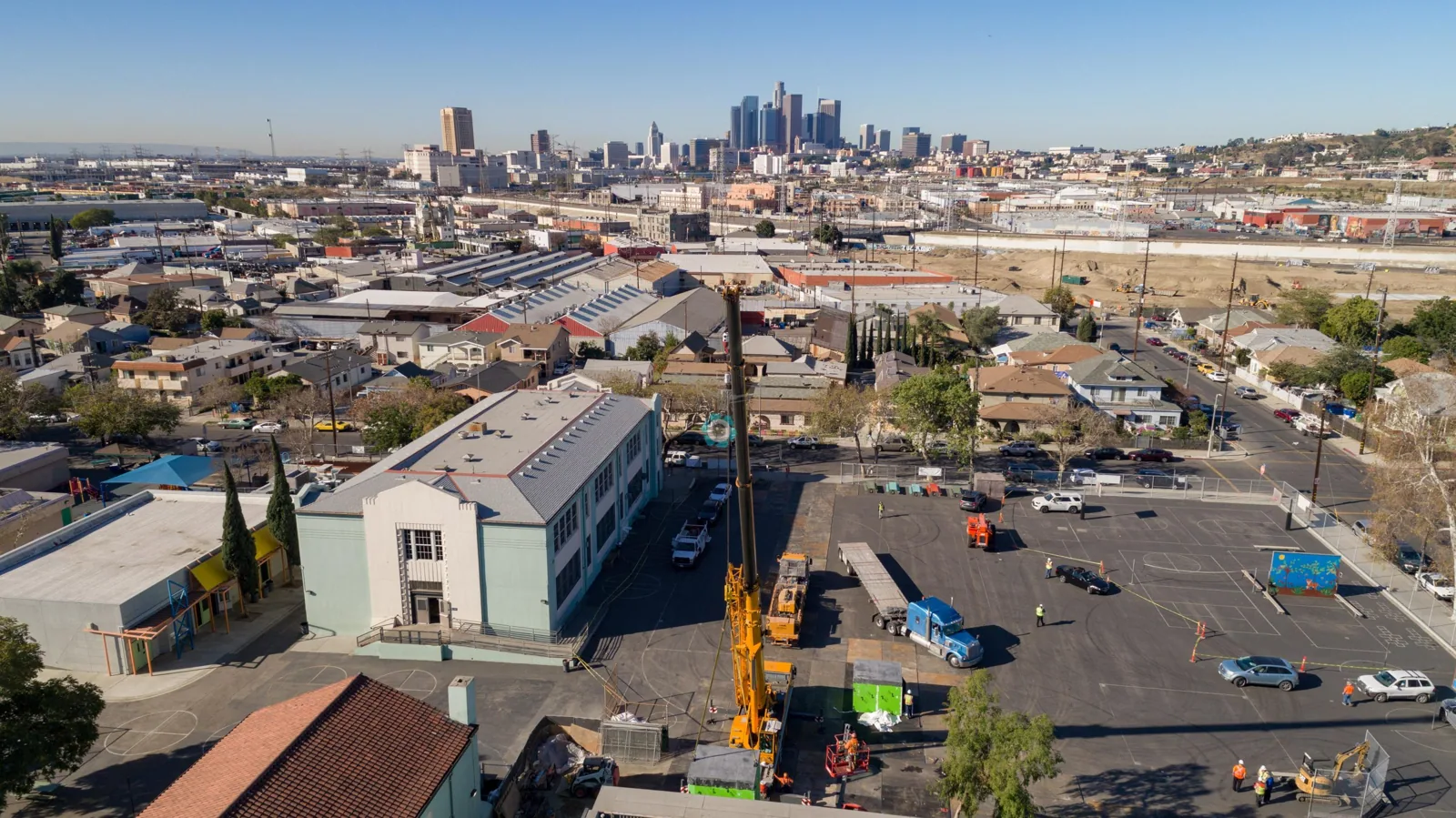
A red status cell can show an open repair, but the roof record needs to say which section, transition, and test result support it. We build roof asset records from field inspections, photos, system identification, moisture findings, and completed work. Cambridge's commercial stock spans research and life-science facilities in Kendall Square, mixed-use development at Cambridge Crossing, and office, hotel, commercial, and residential space in Lower Cambridgeport. Those different operations affect access and scheduling; they do not tell us what assembly sits above a particular tenant. Our record starts with the property address and roof plan, then connects each finding to the actual field sheet and the decision it informs.
What belongs in a roof asset record?
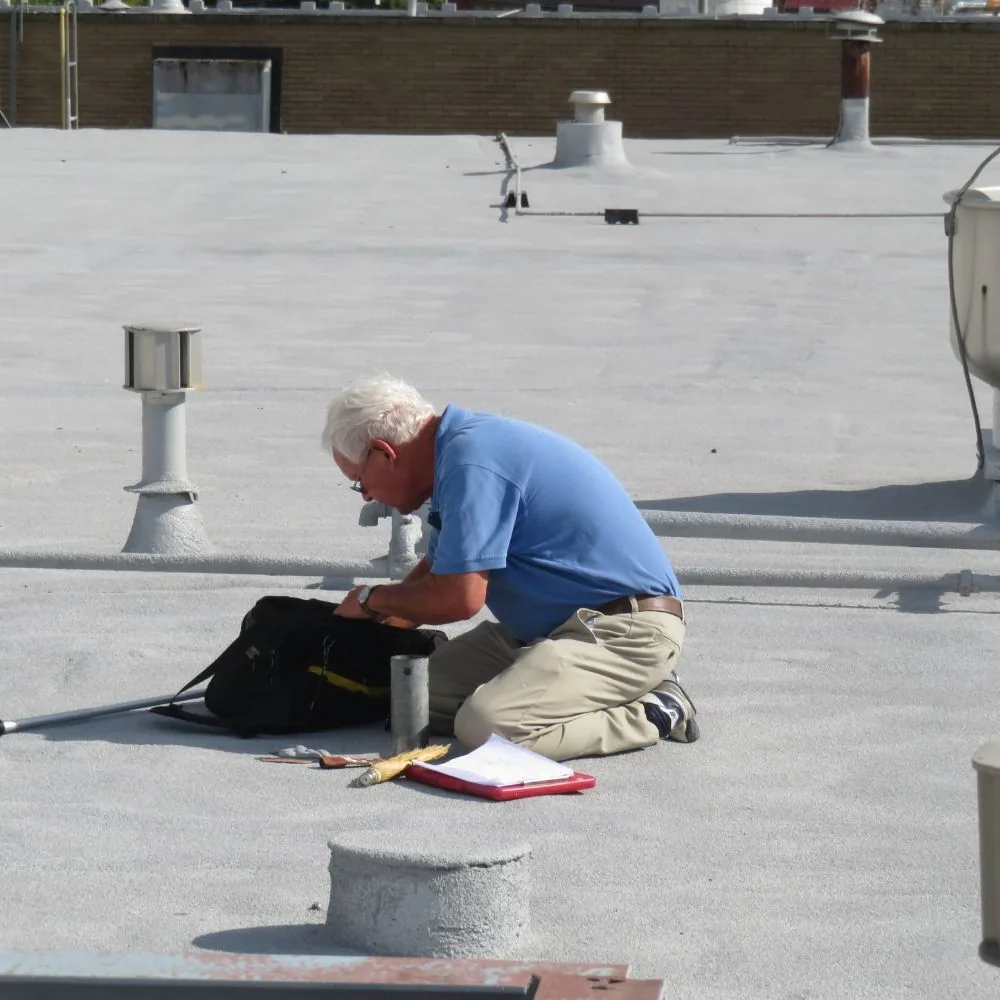
We identify roof sections, approximate boundaries from available plans, membrane or metal system, drainage points, penetrations, edges, access locations, and known repair history. Where records are missing, we mark what was observed and what remains unconfirmed. Photos receive section and detail references so a manager can find the drain bowl or termination lap again without searching a folder of unlabeled images. The record can also note tenant-sensitive areas, equipment routes, and access windows. It does not turn a visual survey into a structural assessment; it shows the inspection scope and any test opening or follow-up that would answer an unresolved question.
How do you compare buildings with different systems?
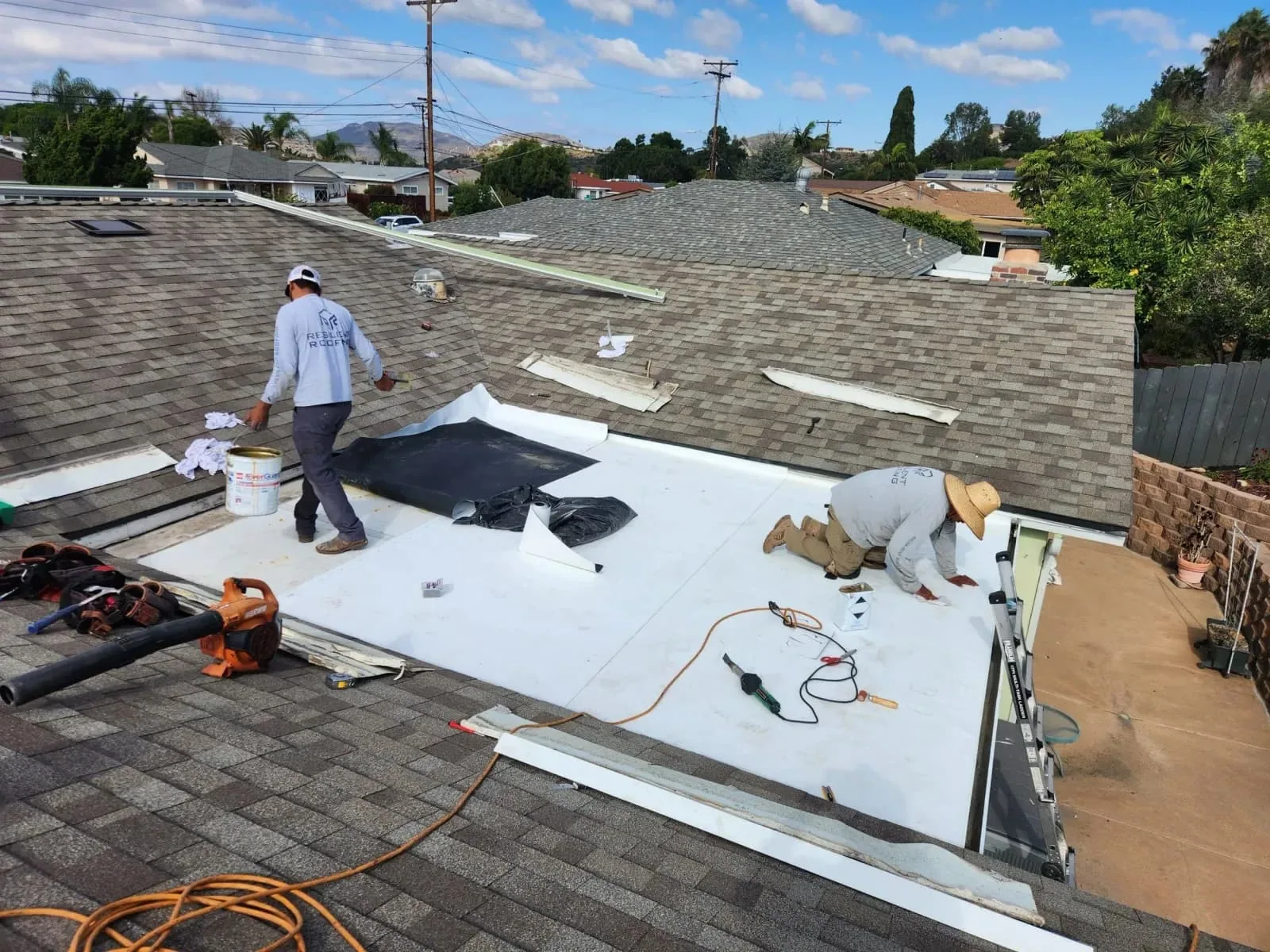
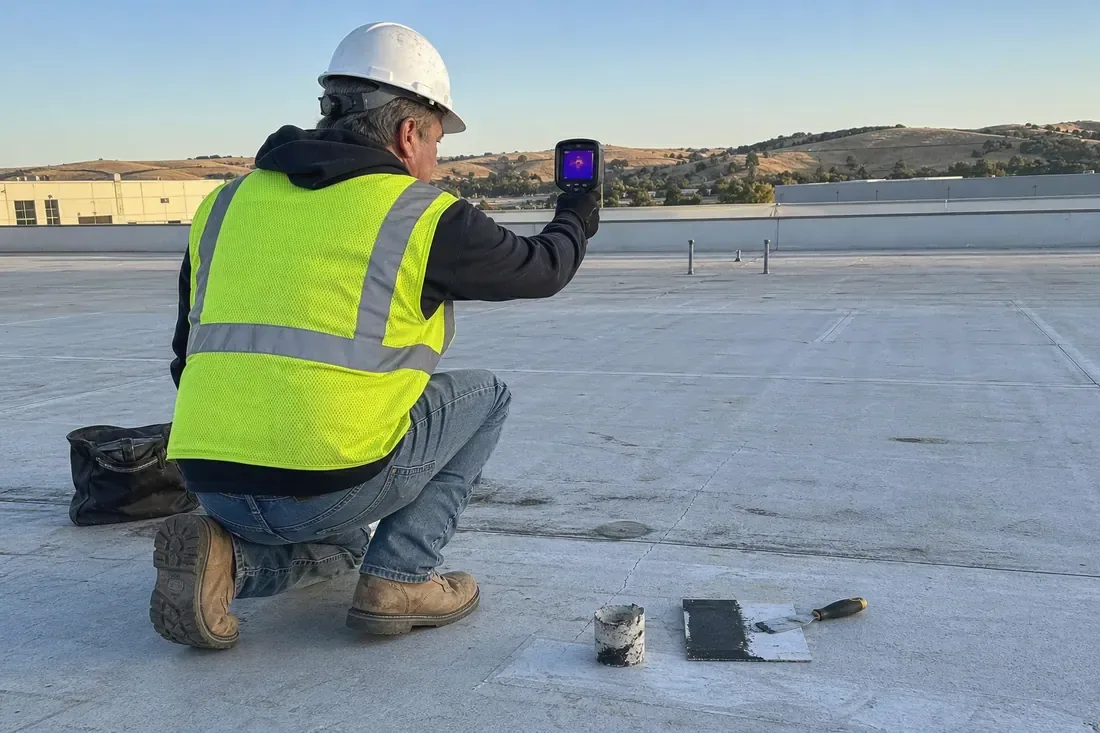
A TPO roof and an EPDM roof do not use the same repair method, while a metal assembly has its own seam and fastener details. We keep the condition category consistent across properties but preserve the system-specific observation. A seam separation, wet insulation reading, blocked outlet, and loose edge metal become separate items with their own evidence and next action. This lets a manager compare urgency without flattening the construction details. A commercial roof inspection can establish the initial record, and a moisture survey can add mapped readings when the assembly and conditions support that method.
Which repair should move first?
Priority follows water entry, safety exposure, deterioration, and operational impact, not simply the order in which a building was inspected. An open flashing transition above occupied space may need immediate stabilization; a surface wear item without an active path can be monitored or scheduled with other work. We record the reason, evidence, temporary protection, and next decision so the manager can see why one task moves ahead of another. For properties near Central Square, where city government, transit, retail, and commercial activity share a district, a crew access window can influence sequencing. The roof finding remains distinct from that scheduling constraint.
We also preserve the basis for priority as the roof changes. A follow-up photo at the same drain or termination can show whether a condition moved, stayed stable, or responded to completed work. If the record relies on a moisture reading, we identify the tested area and method rather than assigning a portfolio-wide label from one point. The manager can then compare current evidence with the previous visit and decide whether to repair, inspect further, or monitor. This prevents a broad summary from hiding a small active opening or overstating an untested surface mark.
How does the record support capital planning?
Asset management connects repairs and recurring maintenance to the longer replacement decision. We track repair boundaries, repeat locations, wet areas, drain adjustments, and unresolved system questions across inspection dates. A roof capital plan can then separate immediate work from budget-year projects, while preventive maintenance keeps routine cleaning and inspection visible. Cambridge's climate planning identifies more intense storms, increasing temperatures, and flood exposure as physical risks. We use those conditions to focus checks on drainage and vulnerable transitions, not to predict a failure at a particular property.
What changes across multiple properties?
For a portfolio, the same naming convention, photo fields, and status definitions make records easier to review. We can separate owner-level summaries from roof-section details, preserve property access instructions, and track whether a recommendation is open, scheduled, complete, or awaiting more information. At Alewife, a property mix that includes offices, light manufacturing, apartments, retail, and auto-related businesses can bring different operating contacts and service routes. Our multi-site roof program keeps those details attached to the building rather than buried in a general note. Each property still receives its own inspection findings and work record.
What does a useful handoff look like?
A useful handoff includes a current roof plan where available, labeled photos, observed conditions, test results, work completed, and open questions. We distinguish a temporary closure from a permanent repair and identify the date or condition that should trigger a follow-up. A manager can link the record to roof condition reports, warranty documents, and Kendall Square property information without confusing location context with roof evidence. Send the Cambridge addresses, plans or system records, known access limits, and reported issues. We will assign each visit to the right roof section and return a record the team can maintain.
Before the handoff, we check that each recommendation has an owner-facing action, a field reference, and a status that matches the work actually completed. If access or weather prevented a test, that limitation stays attached to the item. Open questions can be routed to the building engineer, design professional, or owner without changing the roofer's observation. A durable record remains useful because it shows where the evidence came from, what changed since the last visit, and which next step is still outstanding.
When a record moves to another facility manager, the next person should be able to find the same roof section without relying on the original inspector's memory. We keep a north reference or plan marker with the photograph, use consistent names for drains and equipment curbs, and distinguish installed work from recommendations. A note such as 'monitor' needs a trigger: a date for the next walk, a condition to watch, or a test that remains open. If a membrane is unidentified, the file should say so and retain the evidence needed to confirm it. That makes future repair selection more reliable than a product name copied from an old invoice.
Commercial Roofing Questions
Can you build a roof record if the original plans are missing?
Yes. We document visible section boundaries, system clues, drains, penetrations, and access points, then label any unknowns. A test opening or additional document review can resolve assembly questions that a visual survey cannot answer.
How are roof repair priorities set across a portfolio?
We rank each item by active water entry, safety, deterioration, and building operations, with the supporting photo or test result beside it. A priority explains the next action and timing basis; it does not erase system differences between properties.
Can the same report cover roofs with different membranes?
Each roof keeps its own system identification and repair method. The portfolio can use common status fields to compare open work while the underlying notes preserve whether a condition involves TPO, EPDM, metal, or another assembly.
What should I send before an asset review?
Send the Cambridge property list, available roof plans, prior surveys and repairs, warranty records, current leak reports, access contacts, and any required work windows. We will note which source applies to which building and confirm field conditions separately.
How often should the asset record be updated?
Update it after an inspection, repair, maintenance visit, roof alteration, or leak report. The next visit can compare the same roof section and detail to prior photos, while the property team retains changes to contacts and access procedures. The change log should identify the date, source, and person responsible for each update.
Related Roofing Work
More Roofing Capabilities
Browse every page in Roofing Capabilities, or request a roof assessment and we will walk the roof with you.
Bring the roof records into one view
Share the Cambridge property addresses, plans or system records, reported issues, access contacts, and work windows. We will connect each field finding to its roof section and the next decision.