
Commercial Roof Flashing Failure Repair in Cambridge, MA
Trace Cambridge roof leaks at curbs, parapets, walls, and equipment with flashing inspections and repair scopes tied to the observed transition.
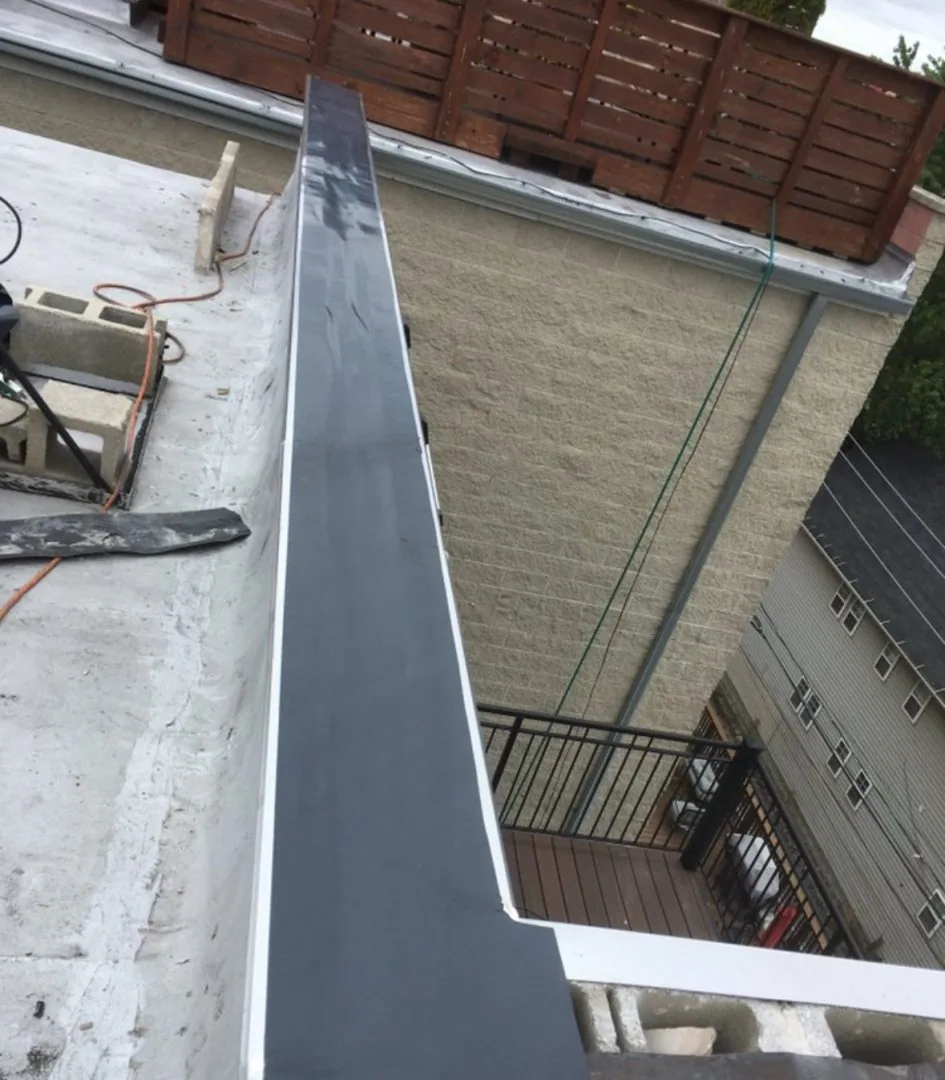
A termination bar lifting from a parapet can let rain travel behind the membrane even while the roof field looks intact. For Cambridge commercial buildings, we follow that transition, inspect the adjacent seam and coping, and locate the interior report before setting a repair limit. City guidance describes heavier precipitation and more frequent winter flooding, with additional freeze-thaw changes. That context puts wall and curb flashings on the inspection list, but the roof walk shows whether a specific joint has opened.
Which flashing transitions should be checked first?
We inspect membrane upturns at parapets, equipment curbs, pipe penetrations, skylights, roof hatches, and wall intersections. The field sheet notes flashing height, termination, sealant condition, fasteners, and the materials that meet at the joint. A leak may travel along a wall or deck, so the point where water appears indoors may not sit below the failed detail. We mark the suspected entry and note whether moisture testing or a selected opening is needed.
CambridgeSide sits in East Cambridge, where retail, dining, and other commercial uses share a busy property setting. Kendall Square combines research and life-science buildings with housing, hotels, shops, and restaurants. At either type of property, the contact confirms roof access and equipment layout. A penetration flashing inspection can record the curb or opening. A coping and edge review checks the perimeter. If the adjacent membrane seam is open, a seam repair assessment identifies whether the failure continues into the field.
How do you locate water behind a wall or curb?
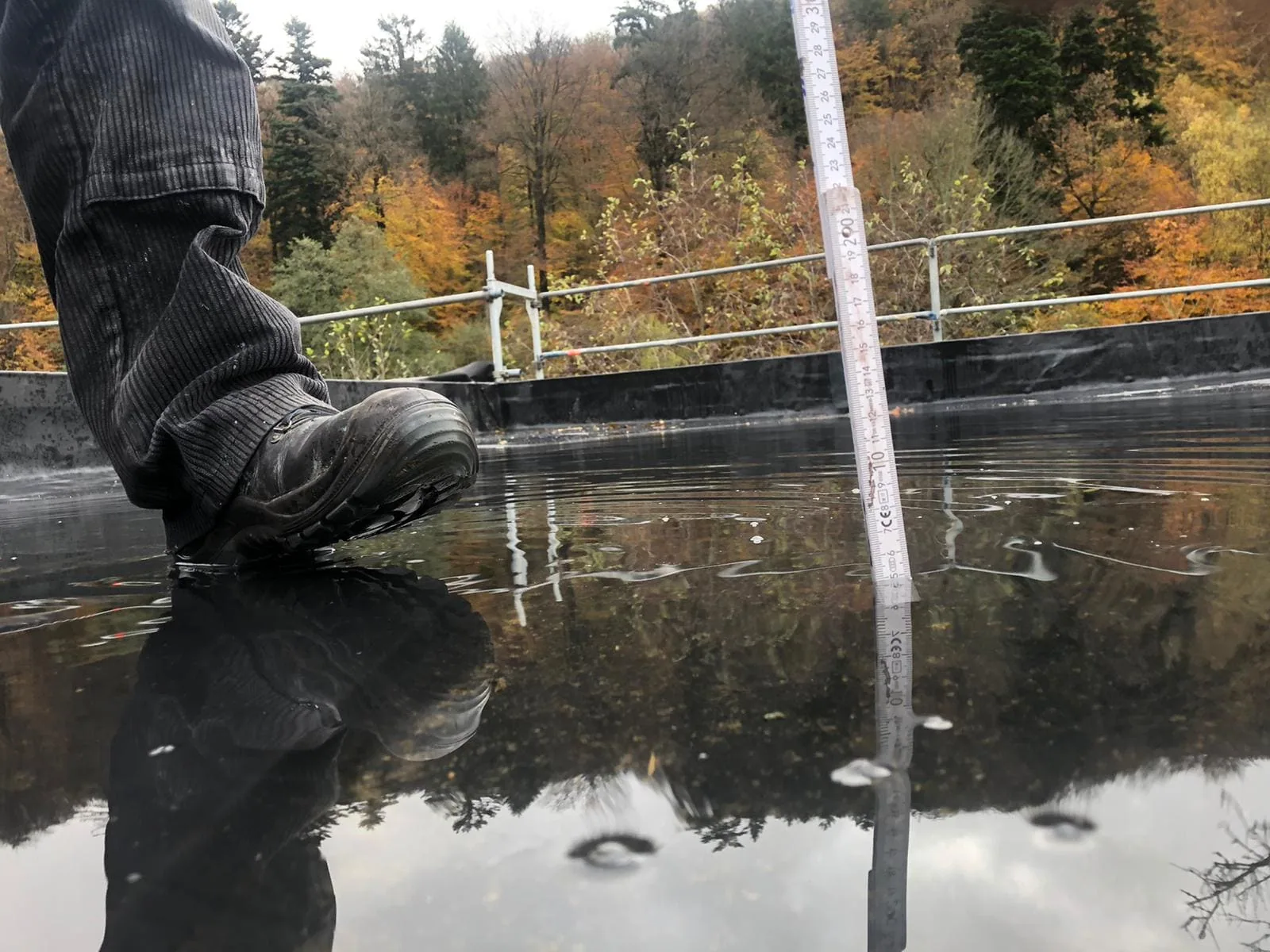
We compare the leak report with roof slope, wall transitions, curbs, and drainage above. Water can pass behind flashing and move before showing inside, so we inspect connected details rather than patch the visible stain. If the membrane or insulation may be wet, a moisture survey can identify areas for further testing. A test opening helps confirm the layers and substrate at one location; its result should not be extended to another section without inspection.
Cambridge reports more freeze-thaw swings and heavier winter precipitation. Repeated movement and water exposure make it useful to document the termination and adjoining materials, but weather does not prove what caused a given failure. We note the condition of metal, membrane, and sealant separately. A repair plan describes how the new flashing will connect to sound materials and whether the wall or curb needs preparation before work.
At a wall, we inspect how the membrane turns up, where the termination stops, and whether counterflashing protects the upper edge. At a curb, we check the vertical face, corners, top edge, and attachment to the unit base. A defect can be limited to one corner or continue along an entire side. We record those limits before removing material so the repair addresses the failed connection without disturbing sound flashing elsewhere.
What does a durable flashing repair address?
We remove or secure failed material as the approved detail requires, prepare the substrate, and install a compatible transition that ties into the existing roof system. The scope identifies the repair length, curb or wall, terminations, and nearby seam. If metal coping is loose or a parapet cap has separated, that detail may need its own repair. We document any deck or wall condition outside the roofing scope so another trade can review it.
At a East Cambridge property, the manager confirms access and tenant controls before material arrives. An occupied-building sequence can protect the area below and identify a daily closure point. If a leak is active after hours, our emergency crew can coordinate response at any time, including holidays, subject to site approval. Temporary sealing is noted separately from the permanent flashing repair.
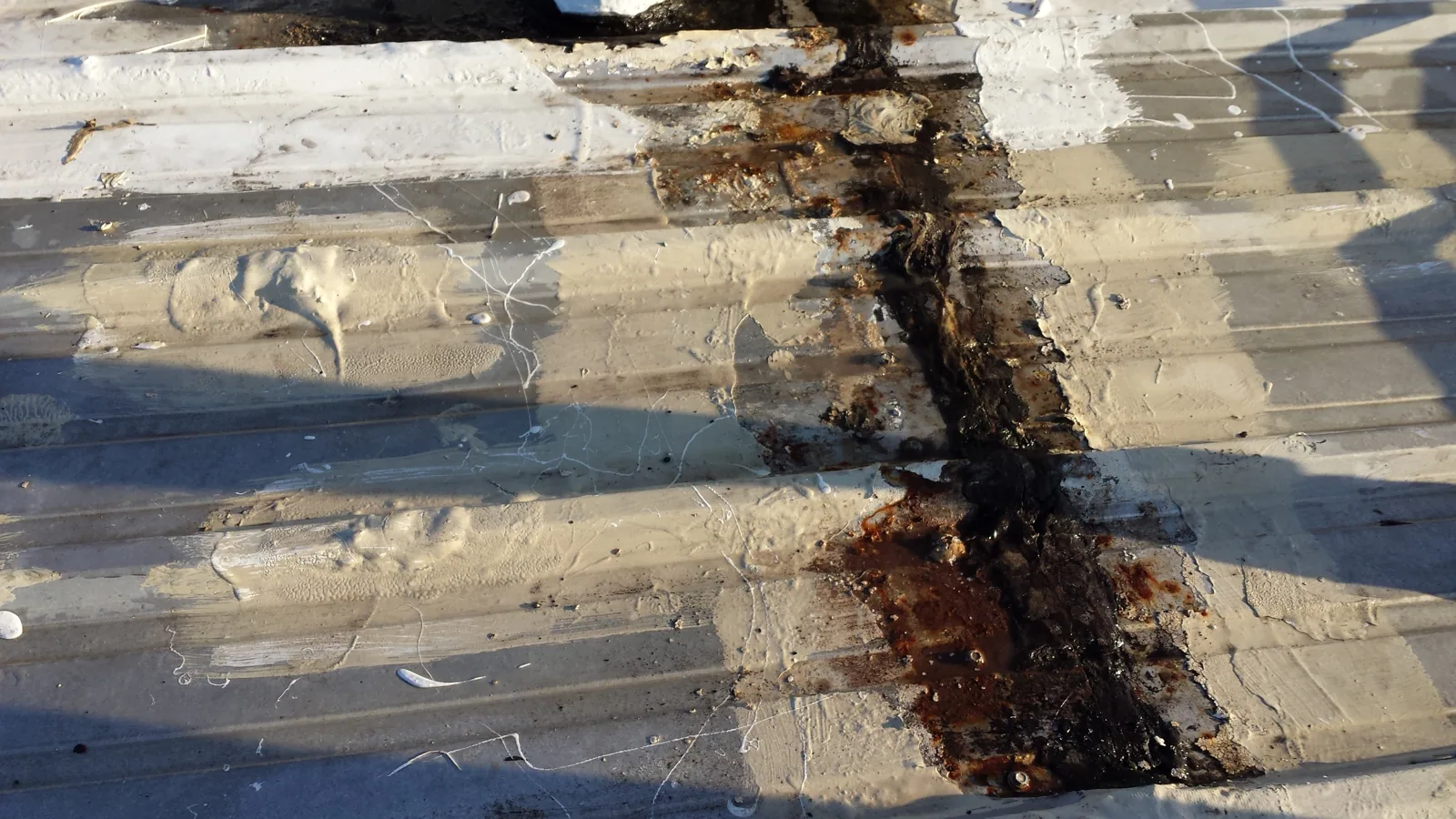
Preparation matters at the transition. The crew removes loose material, dries or prepares the surface as the system requires, and ties the new flashing into compatible existing membrane. We confirm the detail can be closed against weather before opening the full repair area. Photos of the substrate before it is covered help document what was repaired, while the finished image shows the lap and termination that protect the joint.
Does a failed flashing mean the roof needs replacement?
An isolated curb or parapet detail may be repairable when surrounding membrane and substrate remain sound. If several transitions have failed or moisture extends under the field, we inspect further before considering recover or replacement. Those options depend on layer count, attachment, wet insulation, drainage, and curb heights. The report names what was inspected and any area left unknown, allowing an owner to compare focused repair with broader work on evidence.
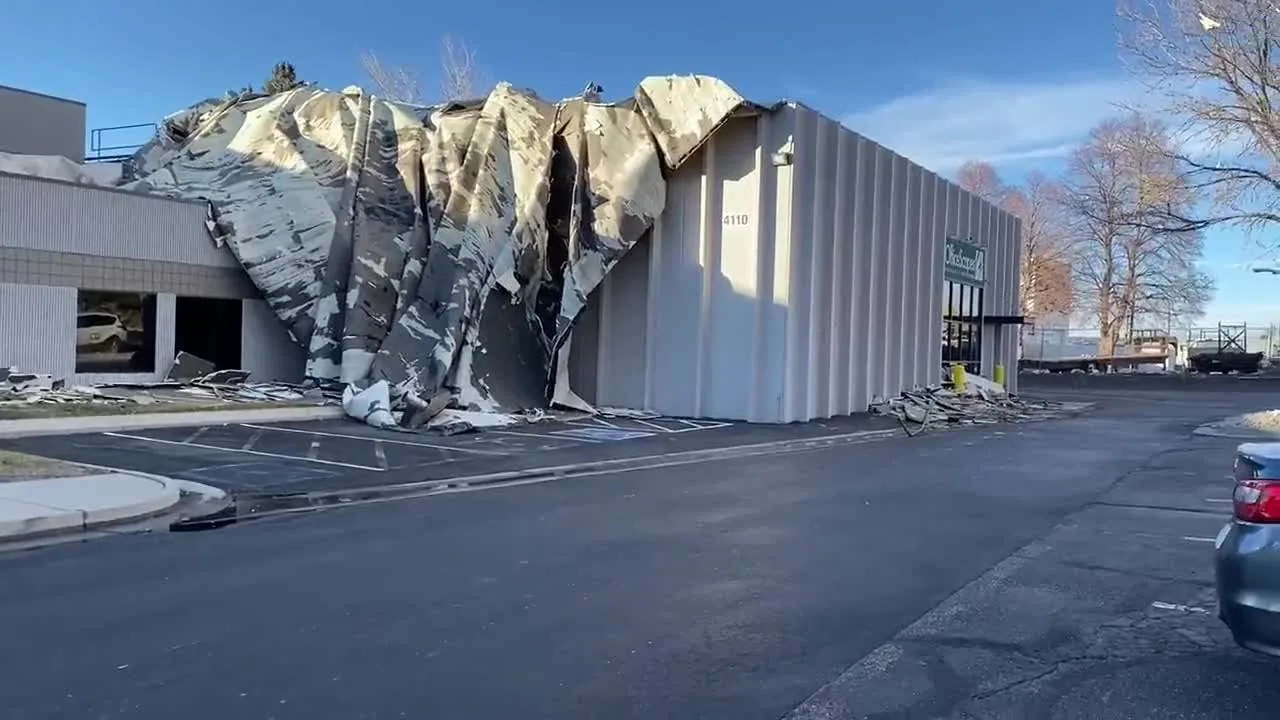
A wind-damage review can document displaced coping or metal, while a replacement scope addresses new transitions if tear-off is selected. A recover assessment checks existing layers and moisture. The building’s use or neighborhood does not make that choice; the assembly and test results do.
What should the flashing repair record include?
The closeout identifies the roof section, transition repaired, materials used, photos before and after, test location, and access limits. We note whether the wall or curb condition needs another trade’s review. If the repair was temporary, that status and follow-up remain explicit. The photos should show the full transition and enough roof field to locate the detail on the plan.
A later inspection can compare the same termination, coping joint, and nearby seam with the repair record. Cambridge’s winter precipitation and freeze-thaw trends support tracking those details during maintenance, but a new walk confirms current condition. A condition report can retain the images and service history for facilities staff.
If the flashing sits behind siding, masonry, or a separate coping assembly, the roof report identifies which element was accessible and which requires envelope or sheet-metal coordination. We do not call a concealed wall condition repaired unless the work included it. That distinction lets the owner route follow-up to the correct trade and preserves the roofing closeout for the transition actually completed.
Before closing a wall or curb detail, we check the transition above and below the visible opening. Water can enter at a counterflashing end, track behind a termination, or move through an adjacent corner before reaching the interior. The repair note identifies the existing metal, membrane, fastener line, sealant condition, and the surfaces exposed during preparation. If the wall substrate is not accessible, we state that limit instead of treating an exterior bead as proof of a complete repair. Photographs should show the lower termination and the return at each end. A follow-up walk after precipitation can confirm whether the repaired path stayed dry, but it does not replace a detail inspection.
Commercial Roofing Questions
Can flashing leak even when the roof membrane looks sound?
Yes. Water can enter at a wall, curb, or penetration while nearby field membrane remains intact. We inspect the connected transition and verify the repair limit in the field.
Do you replace all flashing during a roof repair?
The scope follows the observed condition and system detail. We identify which transition is repaired and note any adjacent metal or wall condition that remains outside the work.
How do you check a leak around an equipment curb?
We inspect curb height, flashing termination, attachment, nearby membrane, and drainage. Testing may be needed if water has moved into concealed insulation or deck.
Can the building stay occupied during flashing work?
The manager identifies access, noise, and protection requirements. We plan barriers and daily dry-in around those controls when weather and the repair detail allow.
What records help before a flashing inspection?
Provide roof plans, equipment layout, leak location, prior repair photos, system records, and access contact. Those details help locate the transition and plan the roof walk.
Related Roofing Work
More Roof Damage Repair
Browse every page in Roof Damage Repair, or request a roof assessment and we will walk the roof with you.
Trace the leak to the flashing transition
Send the Cambridge address, roof plan, reported interior area, equipment or wall detail, repair history, and access contact. We will inspect the transition and document the supported repair scope.