
Commercial Roof Edge Metal, Coping, and Gutters in Cambridge, MA
Repair commercial roof coping, edge metal, gutters, and downspouts in Cambridge with a review of cleats, laps, membrane terminations, and drainage paths.
Water staining below a gutter can begin at a loose joint above the membrane line. We inspect commercial roof edge metal, coping, gutters, and downspouts in Cambridge, MA as connected details, then mark where the roof surface meets the wall and where runoff leaves the building. The City reports heavier precipitation and more thaw-freeze swings in Cambridge winters, making open joints and blocked discharge paths useful to record. East Cambridge has hotels, apartments, high-tech businesses, and the CambridgeSide retail area; the actual roof detail still determines the repair. We photograph cleats, seams, fasteners, termination laps, and outlet connections so the owner can distinguish a metal repair from membrane or drainage work.
What is moving at the roof edge?
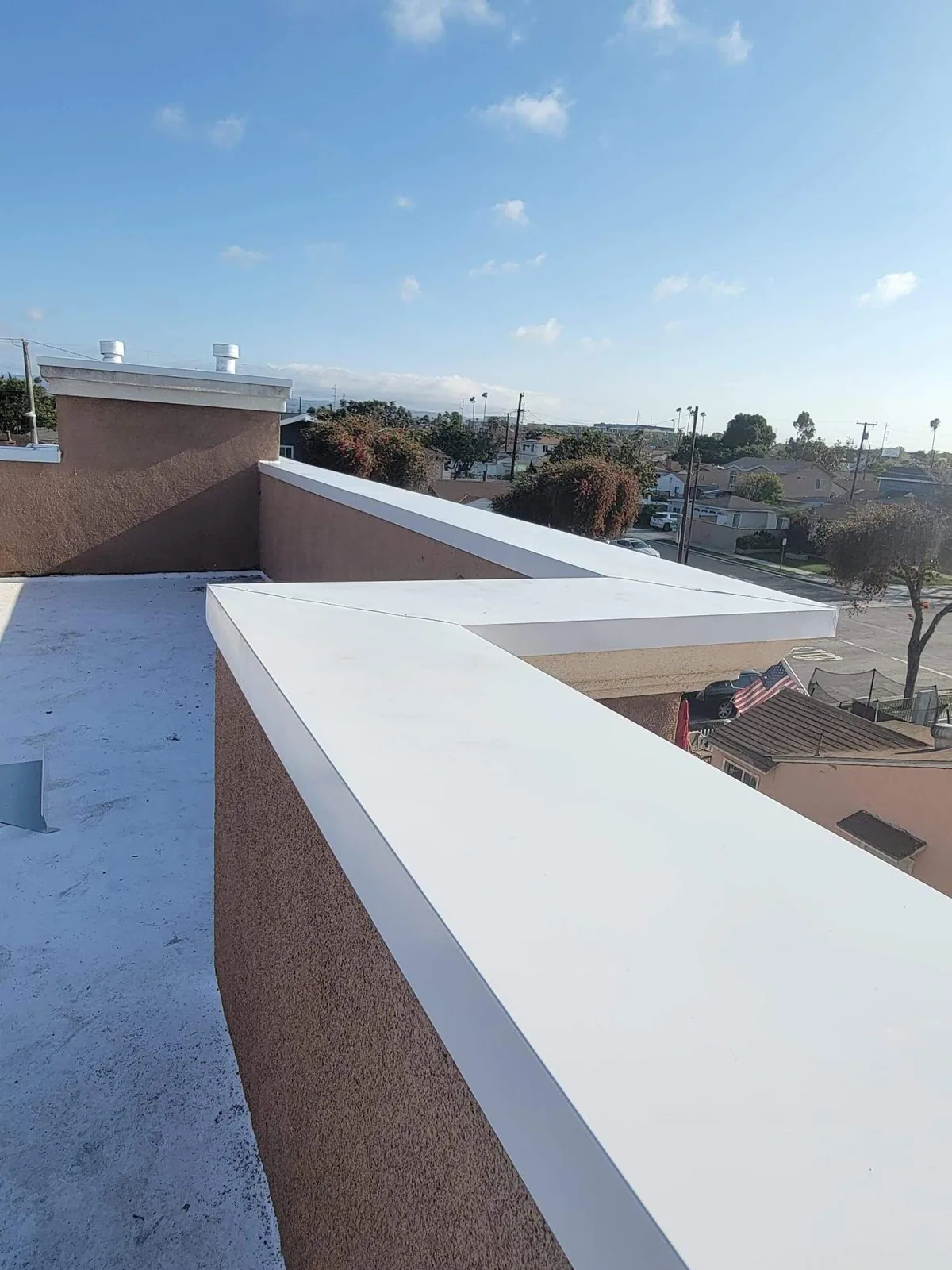
At a parapet, we check coping joints, cleats, end dams, fasteners, sealant, and the transition to the membrane flashing. Loose coping can lift or shift, while an open joint can let water reach the wall or the roof assembly. We note the metal profile, movement, corrosion, and condition of the termination below it. If the membrane is secure but the coping has separated, the scope can focus on resetting or replacing the metal detail. If both layers have failed, the repair must address the complete transition.
At a gutter, we inspect hangers, seams, slope, outlet, and connection to the downspout. A sagging section or debris-filled outlet can overflow against the fascia or wall. We trace the visible discharge route and identify whether the problem is at the roof edge or farther down the drainage system. Cambridge Street is a neighborhood retail corridor through East Cambridge, and the City describes riverfront hotels, apartments, high-tech businesses, and CambridgeSide nearby. Building use helps plan access, but does not establish what metal is on a specific roof. A hands-on inspection can document the edge with adjacent membrane and wall details.
Where does runoff leave the building?
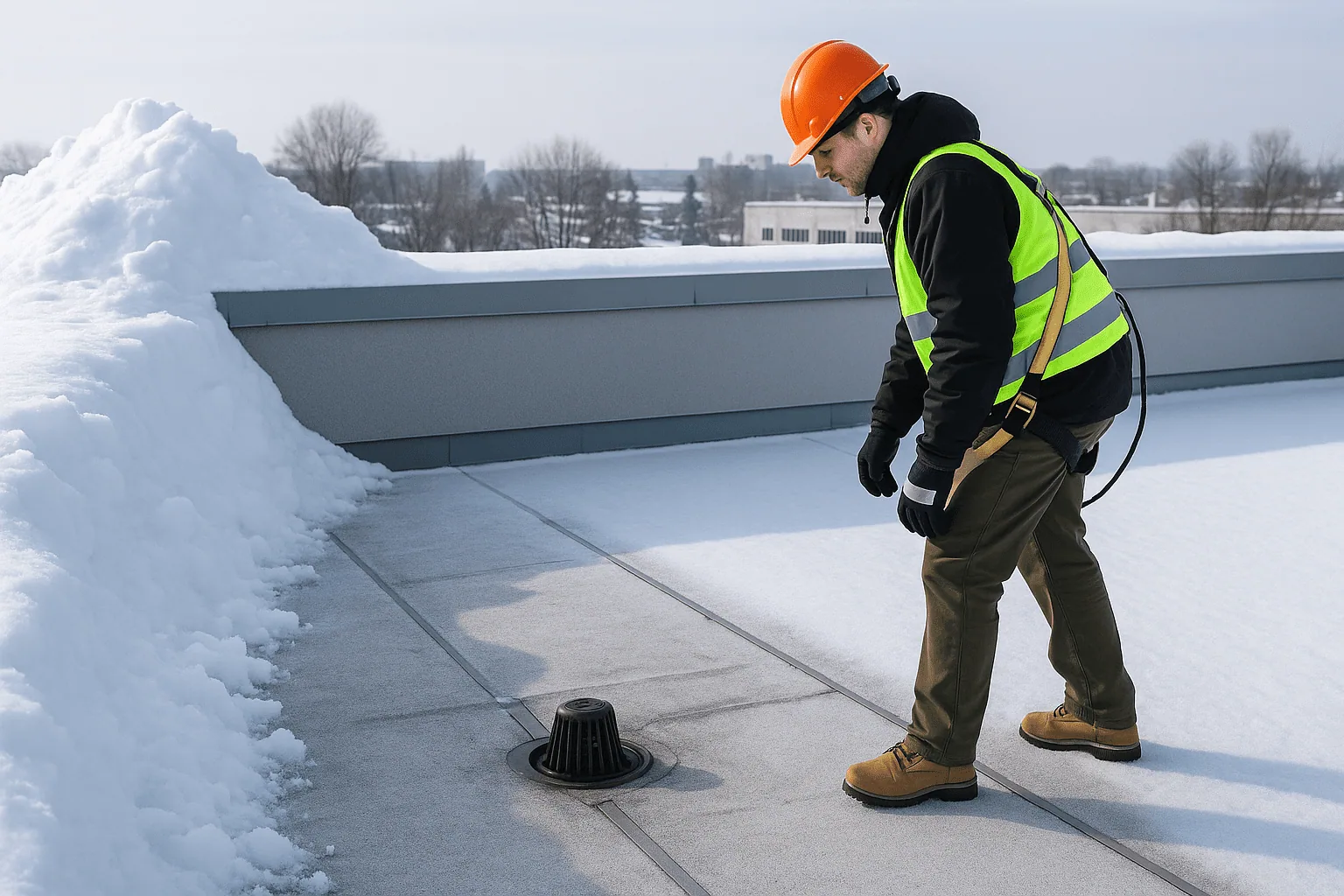
We follow water from the roof surface to the gutter, scupper, downspout, or ground-level outlet visible from the site. A blocked or undersized outlet can cause overflow even when the gutter seam is sound. A downspout disconnected below the roof edge can move water against a wall or walkway. We document the point where the route stops being observable so the roofing proposal does not imply that buried piping or a municipal connection has been inspected.
Cambridge's winter guidance points to more frequent flooding and heavier precipitation. The citywide condition makes clear discharge worth checking during service, but the particular property's slope, outlet, and downstream route determine the work. At Alewife, planning identifies higher relative future flood risk; we record the roof and site drainage findings without treating that context as proof of a gutter defect. Where the outlet connects to a roof drain or scupper, we can include drainage corrections with the coping and metal scope.
Can the metal be repaired or should it be replaced?
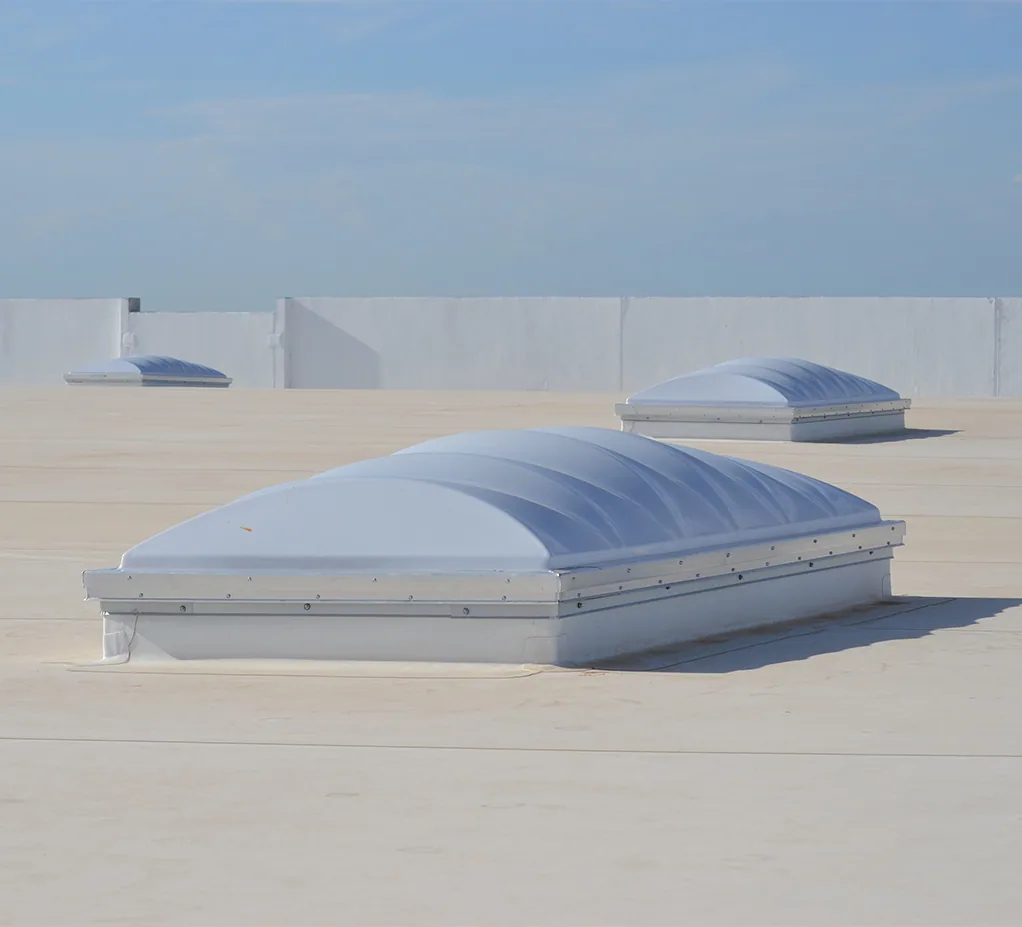
A localized open lap or loose fastener may be repairable if the surrounding metal and attachment remain sound. Corrosion, repeated movement, failed cleats, or a profile that cannot hold a secure tie-in may require replacement of a longer section. We inspect the joint spacing, metal gauge where identifiable, edge support, and membrane termination before defining the repair length. The proposal identifies which pieces will be reset, sealed, or replaced and how the wall flashing ties back into the roof.
Gutters may need clearing, re-hanging, seam repair, or replacement depending on slope and condition. Downspouts need secure connections and a clear discharge route. If the roof perimeter is also failing, membrane repair should be coordinated with the metal detail so a new patch does not end at loose coping. A standing-seam metal roof has panel and edge conditions distinct from a low-slope membrane parapet, so we identify the system before selecting materials.
How is edge work coordinated?
We confirm ladder or roof-hatch access, sidewalk or loading access, and whether lifts or barricades are needed below the work area. The crew removes or resets metal in controlled lengths, protects open membrane transitions, and maintains temporary drainage where gutters are interrupted. If replacement metal is fabricated, dimensions and profile need to match the building conditions and tie-in requirements. We coordinate debris handling so metal cuttings do not enter roof drains or downspouts.
Cambridge Crossing includes commercial and residential space with dining and retail, while Central Square is a busy transit and commercial center. These settings can affect lift locations, sidewalk staging, and access windows. We confirm the property route and any tenant notices with the building contact instead of assuming a standard setup. If work changes the outlet or roof elevation, we check the relation between coping, overflow, and membrane termination before closing the detail. A scheduled maintenance visit can later confirm whether the repaired metal remains secure.
What should the metal repair record include?
We photograph the edge before work, the cleats or attachment exposed during repair, the new laps and fasteners, and the finished membrane transition. The closeout identifies the length or locations repaired, the gutter and downspout sections addressed, and any drainage route not included. If concealed wood, deck, or wall conditions are found, we record them and obtain direction before expanding the work.
For a property in East Cambridge, the record should identify the building and edge location rather than rely on the district name alone. A condition report can preserve the photos with the next drain or roof inspection. If the coping or gutter repair does not resolve an active leak, we track the water path separately and inspect the adjoining roof section rather than adding sealant at the nearest visible joint.
The closeout should identify the edge run, metal profile, cleat or fastening condition, splice, corner, and membrane termination included in the work. We record whether runoff reaches a gutter, scupper, or another discharge point and note any obstruction found during the walk. A new metal section must connect to the roof assembly at its lower edge and return at corners without leaving an open path behind the fascia. Photos from both the roof side and the exterior can show how that transition was completed. If wood nailer or substrate condition was concealed, the record marks the limit and any test needed before a later replacement.
Commercial Roofing Questions
Can you replace coping without replacing the roof membrane?
A coping-only scope may work when the membrane flashing and termination remain sound and the new metal can tie into them securely. We inspect both parts before defining the boundary. If the flashing is loose or wet material is confirmed, the scope needs to address those conditions too.
Why does water spill over the gutter?
Debris, inadequate slope, a blocked outlet, or a downstream restriction can slow discharge. We inspect the gutter and visible downspout route, then note any portion that requires another trade or additional access to verify.
Can sealant close an open coping joint?
Sealant is not a substitute for secure cleats, suitable joint movement, and a sound underlying transition. We check why the joint opened and whether the metal can be reset or needs replacement before selecting a repair detail.
Do downspouts need to be included with roof-edge work?
The scope should identify the outlet and visible discharge route. A sound gutter can still overflow if the downspout connection is blocked or disconnected. We document what is accessible and identify any buried or off-property route that was not inspected.
What if the edge leak continues after metal repair?
We compare the closeout photos with the new water report and inspect the membrane termination, wall flashing, and nearby roof section. Water may enter at another transition, so the follow-up records the path instead of extending sealant without a finding.
Related Roofing Work
More Commercial Roofing Services
Browse every page in Commercial Roofing Services, or request a roof assessment and we will walk the roof with you.
Trace the roof edge to its outlet
Send the Cambridge property address, edge or gutter location, roof plan, reported water path, and access contact. We will inspect the coping, metal, membrane tie-in, and visible discharge route before writing a repair scope.