Standing Seam Metal Roofing in Cambridge, MA
Inspect standing seam metal roofing in Cambridge for clip movement, panel seams, fasteners, flashing, drainage, and repair needs by roof section.
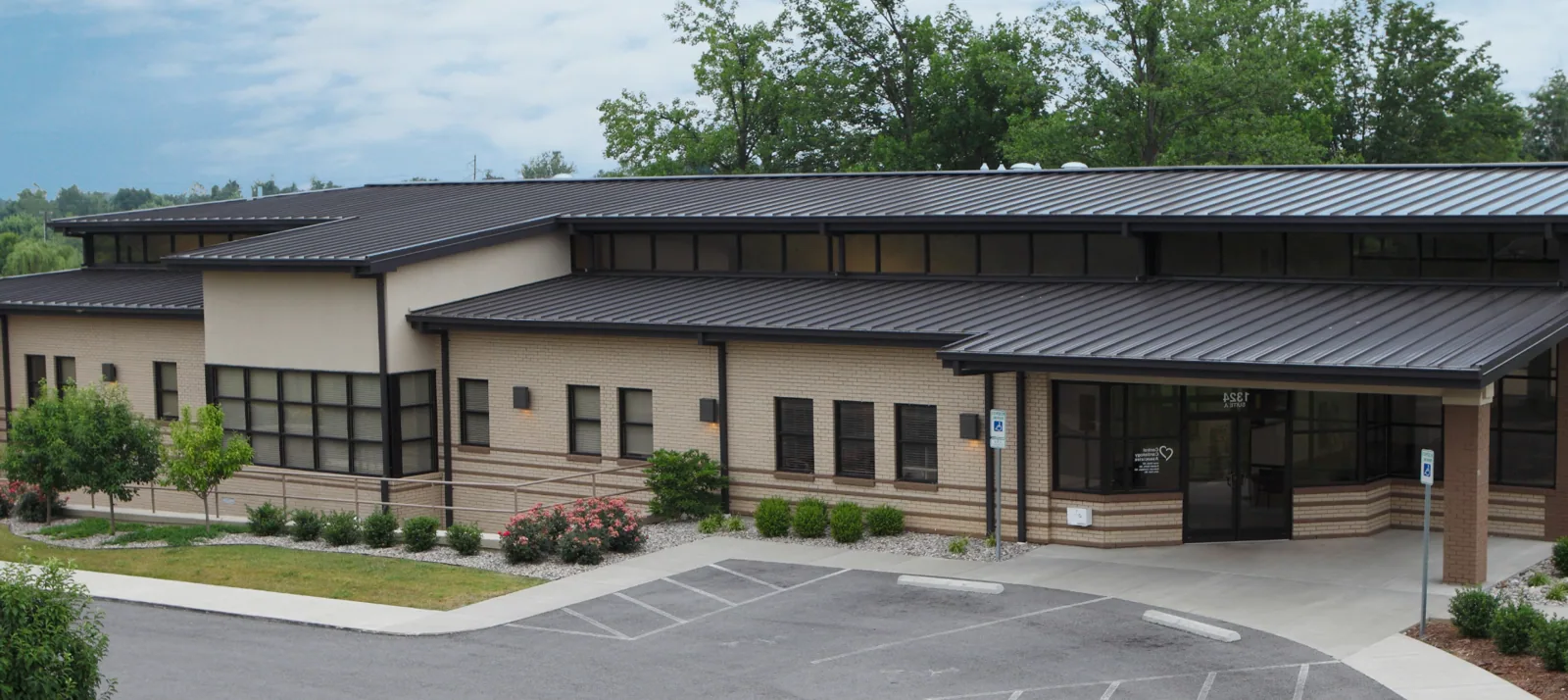
A panel seam that stops short of a curb changes the inspection route across a standing seam metal roof in Cambridge, MA. We follow the panel ribs, clips, flashing, and eave to see where movement or water can enter. Cambridge's winter guidance notes heavier precipitation and more freeze-thaw swings, so we record snow-retention details and drainage paths where present. Kendall Square combines research, commercial, housing, and hospitality uses; those uses affect access coordination, not the roof type. We confirm the panel system and substrate from records and field observations, then document whether the concern is a loose detail, a coating issue, or a broader assembly condition.
What should a panel seam inspection cover?
Standing seam panels connect through raised seams, concealed clips, and perimeter details that allow the roof to move with temperature changes. We inspect the seam engagement, panel alignment, clip-related movement where accessible, and evidence of uplift or water entry. A distorted rib may come from impact, installation, or movement in the supporting assembly; its appearance does not establish the cause. Our field sheet identifies the panel run, transition, and adjacent attachments so the owner can see what was observed and where a closer review is needed.
At a ridge, valley, eave, wall, or curb, metal must transition without leaving an open water path. We check closures, sealant, flashing laps, and how panels meet dissimilar materials. Cambridge guidance describes more frequent winter flooding and heavier precipitation, which makes gutters, downspouts, and discharge routes part of the inspection. A commercial roof inspection can record the full panel-to-flashing route. If a visible opening appears at a transition, a flashing repair review can define that detail separately from the panel field.
Can a loose fastener explain the leak?
Many standing seam systems conceal their primary clips, so a visible screw may belong to trim or a repair rather than the original attachment. We identify which component is moving before tightening or replacing anything. A new fastener placed through a panel can create another penetration and may restrict movement if it is used as a substitute for the designed clip. We inspect the panel end, seam, underlayment, and adjacent flashing, then note whether access to concealed attachment requires a controlled opening or manufacturer detail.
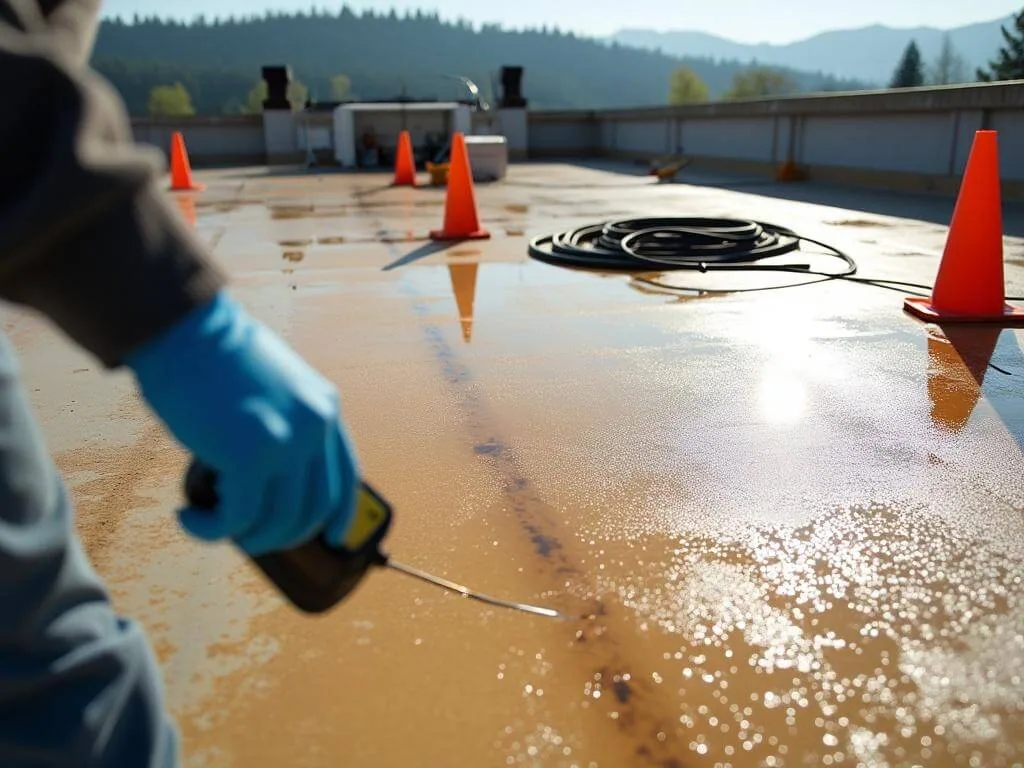
Water may travel along a panel rib or beneath a transition before it reaches an interior finish. We compare the reported leak location with roof geometry and inspect nearby penetrations, valleys, and wall intersections. An interior leak investigation can be paired with roof-side observations; the location of a ceiling mark alone does not set the repair boundary. The MIT Cambridge campus extends more than a mile along the Charles River, so we confirm the exact building and service route before planning a roof walk.
When does a metal roof need restoration?
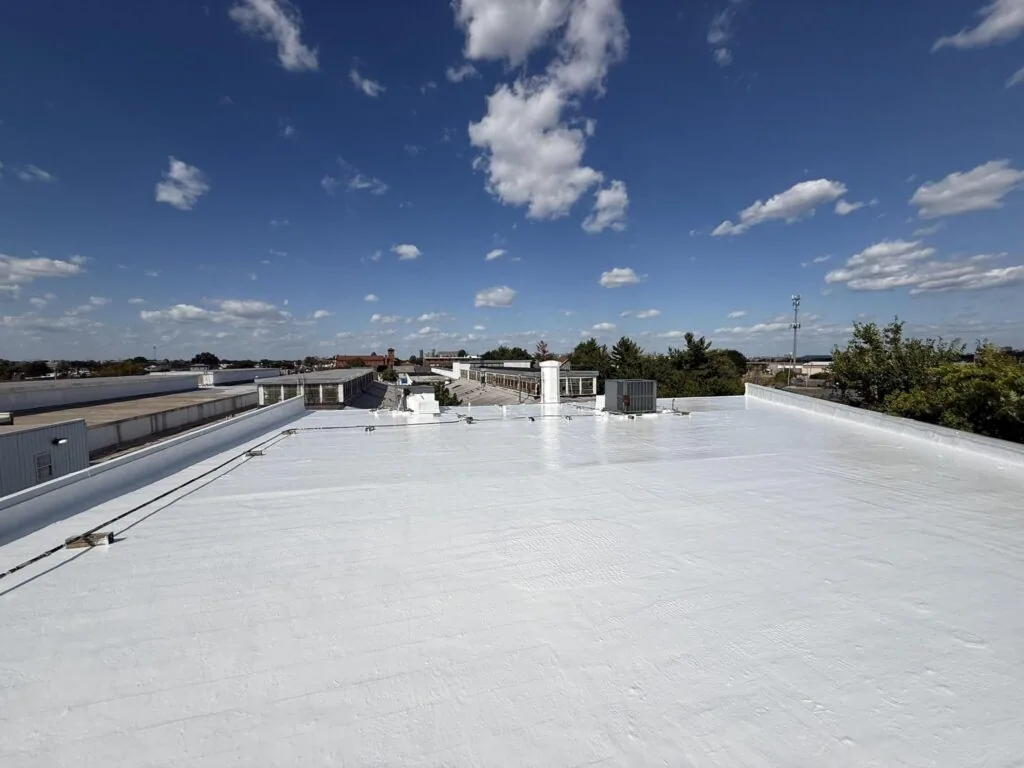
Paint chalking, fading, isolated corrosion, and leaking seams are different findings. We check coating adhesion, exposed metal, panel thickness where appropriate, fastener condition, and water entry before considering restoration. A coating cannot repair a failed clip, open seam, or deteriorated substrate by itself. If metal loss affects the panel or attachment, replacement of a detail or section may be required. We record test areas and compatibility requirements before including a coating in the scope.
For an exposed-fastener assembly, a metal roof retrofit evaluation follows a different attachment and seam checklist than standing seam work. Where the panel remains suitable, a specified silicone coating may be considered after preparation and adhesion checks. A coating restoration scope identifies cleaning, corrosion treatment, reinforcement, and detail work rather than promising to correct every leak. We compare options against panel condition and project requirements.
What affects replacement timing and access?
Panel removal and installation require coordinated staging, edge protection, and a plan for exposed areas. We confirm substrate condition, underlayment, clip type, panel lengths, ridge and eave details, and any snow-retention components in the approved design. Deliveries need a clear route and a safe location for long panels. Wind and precipitation can change when panels can be handled or when a roof area can be closed, so the daily work boundary is confirmed before the crew opens the assembly.
Cambridge Crossing includes commercial, residential, dining, and retail properties. At a mixed-use site, a lift path or truck reservation may affect the day's panel sequence, but the property contact confirms the rules for that address. We coordinate air intakes, pedestrian protection, noise, and access windows with building operations. A phased reroof plan defines which elevation or roof section is active and how the crew leaves it weather-tight. The scope tracks metal trim and drainage connections along with each panel area.
What should the metal roof file preserve?
Closeout records show panel type and profile where confirmed, underlayment, attachment details, seam and flashing repairs, and any coating work. Photos should include the field, ridge, eave, penetrations, and repaired transitions with the panel run identified. We list areas that were inaccessible and tests that were not completed. If records do not identify the original panel manufacturer or clip arrangement, we state what was visually confirmed and what remains unknown. This lets future maintenance distinguish a repaired seam from an unreviewed panel run.
For a Cambridge Crossing property, a building label and roof-area plan keep closeout images tied to the correct facility. A condition report can retain those observations for the next inspection. Cambridge's documented shift toward more intense storms informs the checklist for perimeter metal and drainage, while future work remains based on the panels and connections actually observed.
The file should identify panel type, seam direction, clip or fastener observations, penetrations, ridge and eave transitions, and any repair made to the coating or metal surface. We note whether the leak path involved a seam, fastener, flashing, or condensation concern and what evidence supported that conclusion. If a panel was lifted for inspection, the report shows how it was reset and which underlayment or substrate was visible. Dated photographs let maintenance staff compare movement or corrosion over time. They also help distinguish a newly repaired joint from a similar panel nearby that was not included in the work order.
Commercial Roofing Questions
Can you stop a standing seam leak by adding screws?
We first identify whether the visible screw is part of the original design, trim, or an earlier repair. New penetrations can create another leak path or limit panel movement. The inspection traces the opening to the panel seam, flashing, or attachment detail that needs correction.
Do standing seam panels need room to move?
Panel length, clip type, and system design control movement at the seams and ends. We inspect those connections before fastening a loose area. A repair detail must preserve the intended movement instead of pinning the panel in place.
Can a coating fix corrosion on a metal roof?
Coating is considered only after checking metal loss, adhesion, seams, and attachment. Surface preparation and reinforcement may be part of the work, but a coating does not rebuild a failed panel or clip. We document the areas that need sheet-metal repair first.
How do you inspect concealed clips?
We review panel movement and accessible terminations, then compare them with drawings or installation records. If the evidence points to a concealed attachment issue, a selected opening may be needed. The report marks what was inspected and what remains covered.
What can delay a standing seam replacement?
Long-panel delivery, lift access, wind, precipitation, concealed deck conditions, and building access windows can change the sequence. We confirm staging and daily weather-tight limits before opening a section and report changes to the property contact.
Related Roofing Work
More Roof Systems
Browse every page in Roof Systems, or request a roof assessment and we will walk the roof with you.
Review the panel and seam details
Send the Cambridge property address, panel or roof records, reported condition, access contact, and work window. We will inspect the standing seams, transitions, drainage, and attachments by roof section.