
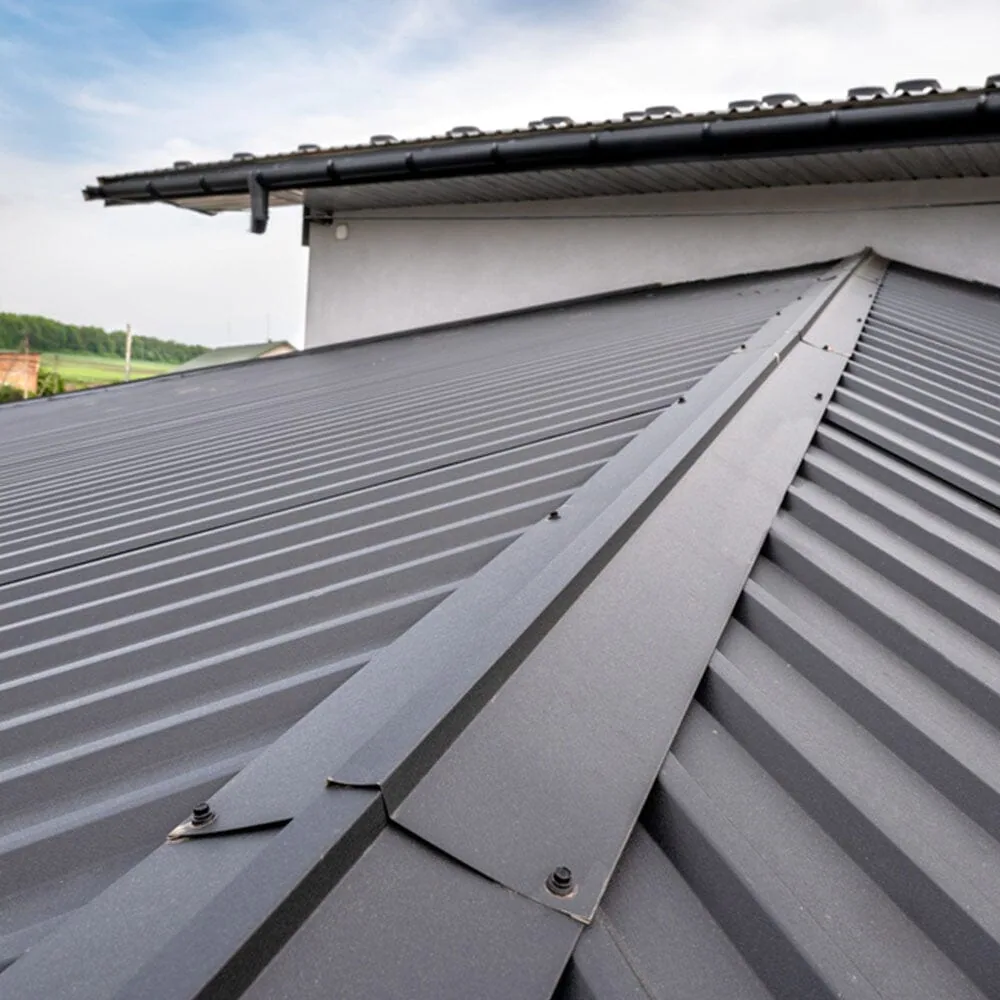
Commercial Roof Seam Failure Repair in Cambridge, MA
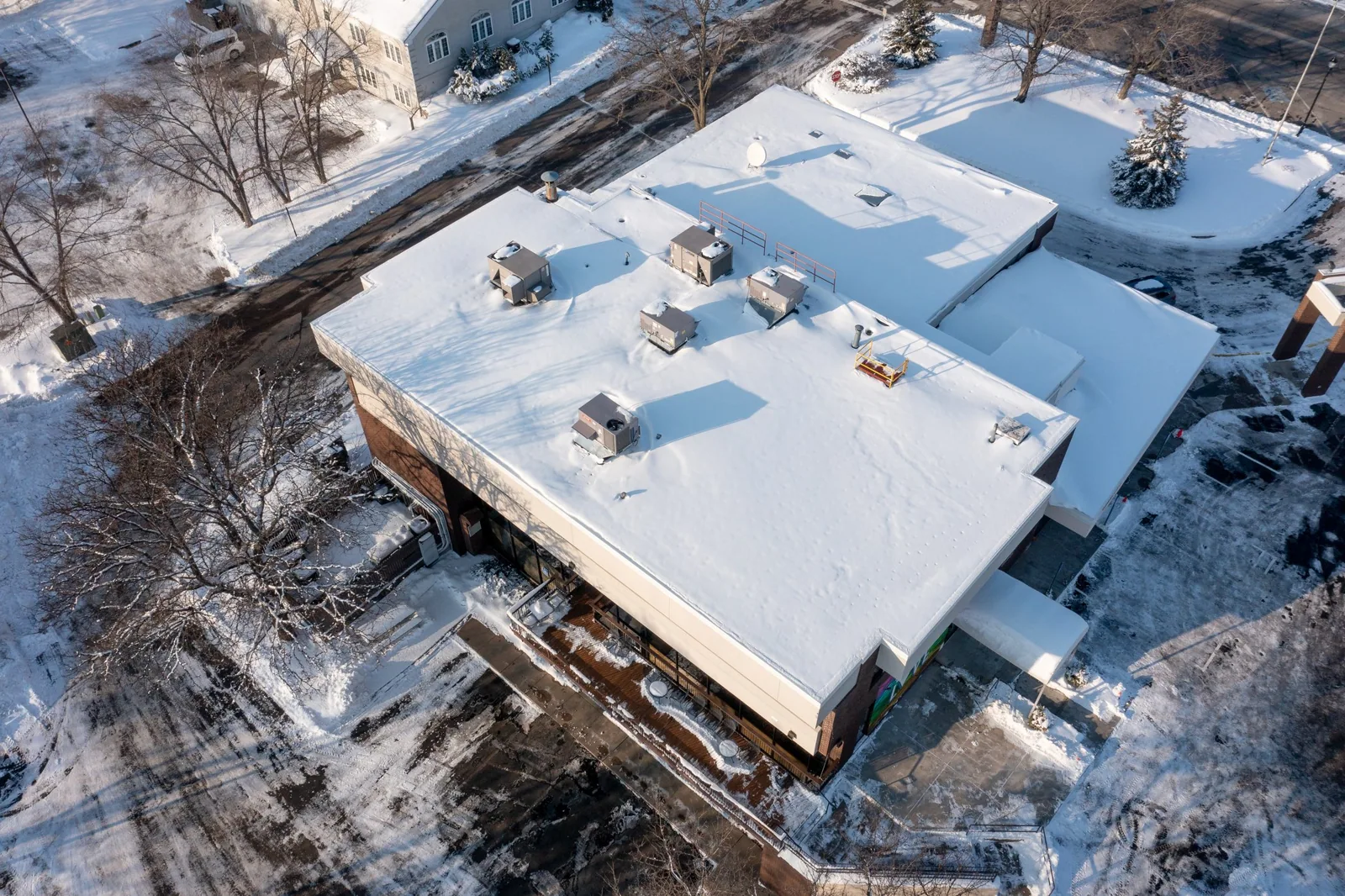
Inspect Cambridge commercial roof seams for open laps, failed welds, adhesive separation, and repairs that match the existing membrane system.
A seam that opens beside a drain can admit water even when the membrane sheet still looks flat. In Cambridge, we inspect the lap, adjoining field, and water path before selecting a repair detail. The City reports more winter freeze-thaw swings, heavier precipitation, and more frequent flooding. Those conditions make seam and outlet inspection useful, but the event history and roof itself determine whether a joint has failed. We document the membrane type, seam condition, and repair limit by section.
What does a failed seam look like in the field?
We check for an open lap, split, fishmouth, weak weld, adhesive release, contamination, or movement where the membrane meets a curb or wall. The correct check depends on the system, so we identify whether the roof is thermoplastic, EPDM, modified bitumen, or another assembly before testing. A seam opening may be local or part of a wider attachment concern. We photograph the joint and nearby surface, then record whether moisture testing is needed beneath it.
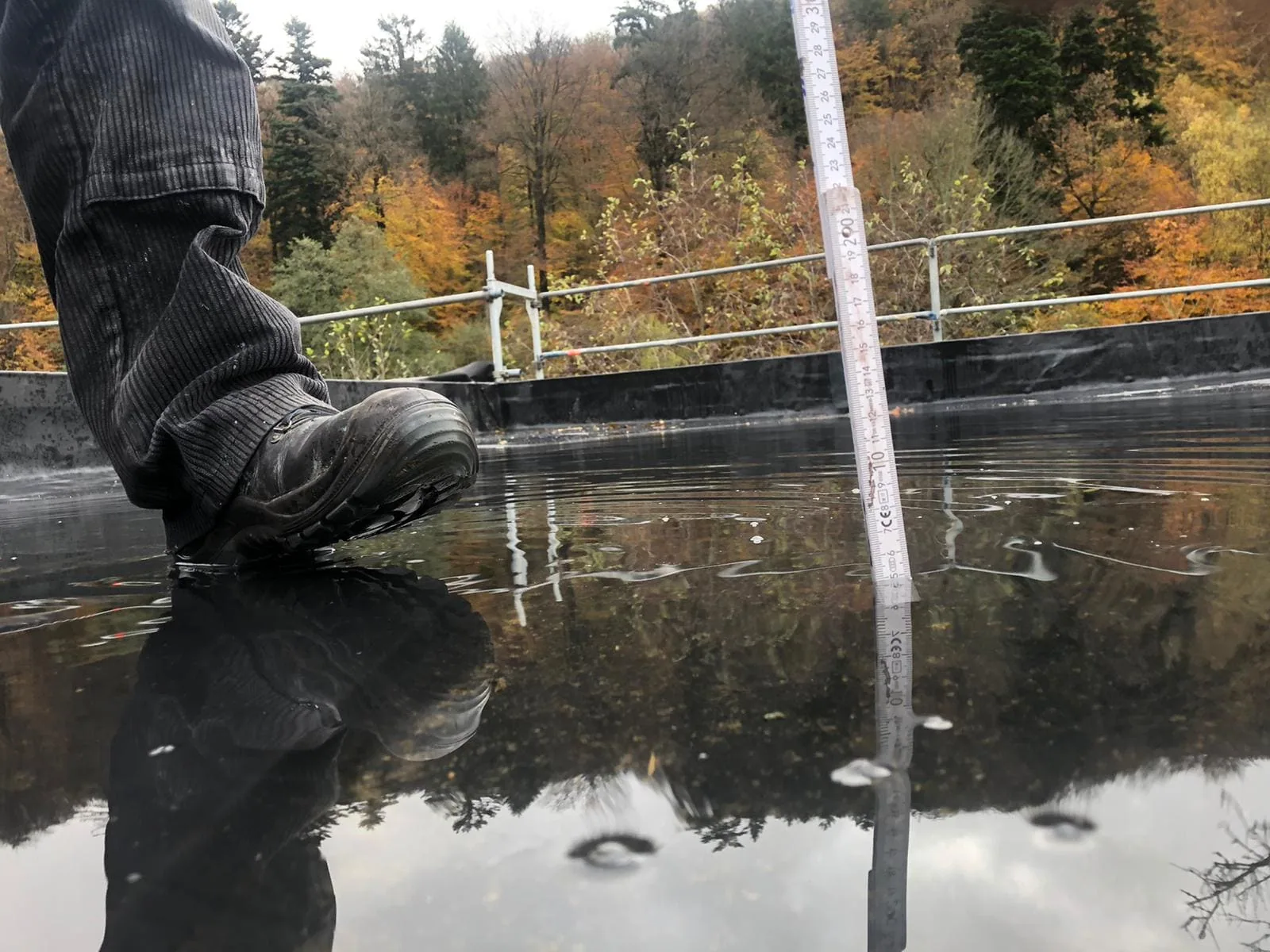
Cambridge’s commercial districts include Central Square, Kendall Square, Alewife, and East Cambridge, with varied office, research, retail, and residential uses. Those surroundings affect access but not the seam method. A roof survey documents the installed system. If water is standing at the lap, a ponding-water review checks the outlet and surface. A cover-board assessment can help identify what lies below the membrane where tests confirm the construction.
We use a probe and visual check appropriate to the installed membrane to find a loose edge or channel in the lap. Surface dirt, moisture, and previous repair materials can change whether a patch will bond. The Diligence Notes identify what was cleaned or removed and where the replacement material overlaps sound membrane. That record helps distinguish a repaired seam from a nearby joint that only looks similar.
How do you locate moisture under an open lap?
We trace the reported interior area to the roof section, inspect the seam and adjacent penetrations, and note slope toward nearby drains. Water may travel laterally under membrane or insulation before it appears indoors. A moisture survey can help map the area; a test opening can confirm the layers at a specific location. The report identifies the test method and result, and does not assume that one seam finding applies across the roof.
Cambridge’s winter weather guidance cites heavier precipitation and more frequent flooding. That is local context for the inspection, not proof that rainfall caused a seam split. We compare the condition with prior repairs, adjacent seams, and available installation records. If a temporary repair was installed earlier, we identify its material and edge so a permanent repair can bond to sound, compatible surfaces.
What determines the seam repair detail?
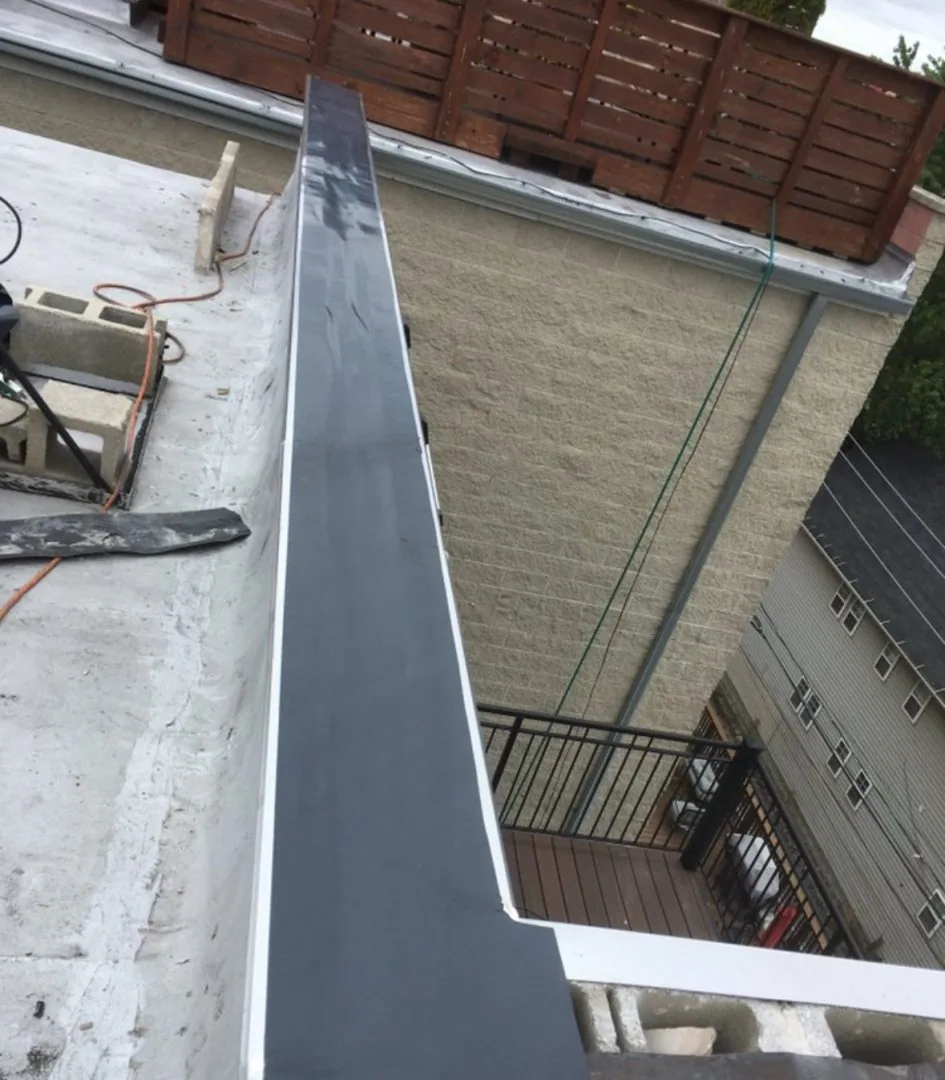
The repair method must match the membrane type, surface condition, and failure location. A thermoplastic lap may need cleaning and a compatible heat-welded patch; an EPDM seam uses a different preparation and seam material. Modified bitumen has its own lap and patch detail. We inspect the system first and do not apply a generic sealant over an incompatible surface. The scope states the patch dimensions, lap direction, edge preparation, and any substrate work needed.
A coating assessment does not replace a failed seam repair, and coating suitability must be checked separately. At a Central Square property, we coordinate the work window and access with the building contact. If the seam failure is active, our emergency crew can arrange after-hours attendance, including holidays, when site access is approved. Temporary stabilization remains separate from the permanent detail.
After the repair, we inspect the finished lap for continuity and verify that its edges lie flat against the prepared surface. The crew checks the nearby drain and curb because water can reach a seam from an adjoining detail. If the defect runs beneath rooftop equipment or an inaccessible termination, we mark the limit and identify the additional access or coordination needed before calling the work complete.
Is seam failure a localized defect or a system issue?
One open lap with sound neighboring seams may support a localized patch. Repeated splits, widespread poor adhesion, wet insulation, or movement at multiple transitions call for broader inspection. A recover or replacement decision depends on moisture, attachment, layer count, deck, drainage, and compatible new system details. We document the sample locations and any areas not tested so the owner can see how far the conclusion extends.
A flashing inspection can determine whether a seam joins a curb or wall transition, while a wind damage survey can record a displaced edge that pulled on the field. A recover evaluation compares existing layers and test results. A replacement scope identifies the sections where removal is supported.
What should the seam repair log retain?
The log names roof section, membrane type, seam location, repair material, surface preparation, patch dimensions, and photos. It records the test or moisture result and any nearby area that was not inspected. If the repair remains temporary, that is stated plainly with a follow-up date. This lets the next maintenance visit distinguish a repaired lap from a neighboring seam that has not been checked.
A later inspection can compare the same seam and adjacent field with the closeout images. Cambridge’s rain and freeze-thaw patterns make dated drainage and seam notes useful in maintenance records. A roof condition record can preserve those observations by section and show whether the joint has changed.
For roofs with several membrane types or additions, a simple roof plan showing each assembly can prevent the wrong patch material from being brought to the next visit. We record the system in the service log where confirmed and note any area that still needs identification. That information is useful when maintenance staff or a different roofer returns after a later leak report.
Maintenance photos should show the seam direction, nearest roof marker, and adjoining drain or curb. That context lets staff check the same connection during a later service visit and see whether water movement or a new opening changed the repair boundary.
After a lap is repaired, the next review should check its full length and the joints where it meets a curb, wall, or prior patch. A spot repair can look sound while movement continues just past its edge. We note whether the seam was heat-welded, taped, adhered, or formed with another compatible method, and preserve the probe result where testing was used. If the surrounding sheet is brittle, contaminated, or loose, that condition changes the repair boundary. The owner should receive a marked roof plan or section reference, not only a close-up image, so the repair can be found without guessing which similar seam was treated.
Commercial Roofing Questions
Can every open roof seam be sealed with the same material?
No. The patch method depends on membrane type, surface condition, and the joint detail. We identify the system and prepare the repair to match compatible materials.
How do you check whether water reached the insulation?
We review the area with moisture testing and use a selected opening when needed to confirm layers. The report identifies the method and where the result applies.
Will one split seam require a full reroof?
Not on its own. We inspect nearby seams, membrane attachment, moisture, and substrate before deciding whether the repair can remain local or needs broader evaluation.
Can seam repairs be done during operating hours?
The property contact sets access and noise limits. We plan the roof opening and daily closure around those restrictions when the system and weather allow.
What should we provide before a seam inspection?
Send the roof plan, membrane records, reported leak area, prior repairs, access contact, and any known test results. Field inspection confirms the seam and repair boundary.
Related Roofing Work
More Roof Damage Repair
Browse every page in Roof Damage Repair, or request a roof assessment and we will walk the roof with you.
Identify the membrane before repairing a seam
Send the Cambridge address, roof plan and system records, reported leak area, prior patch details, test results, and access contact. We will inspect the seam and document a compatible repair scope.