
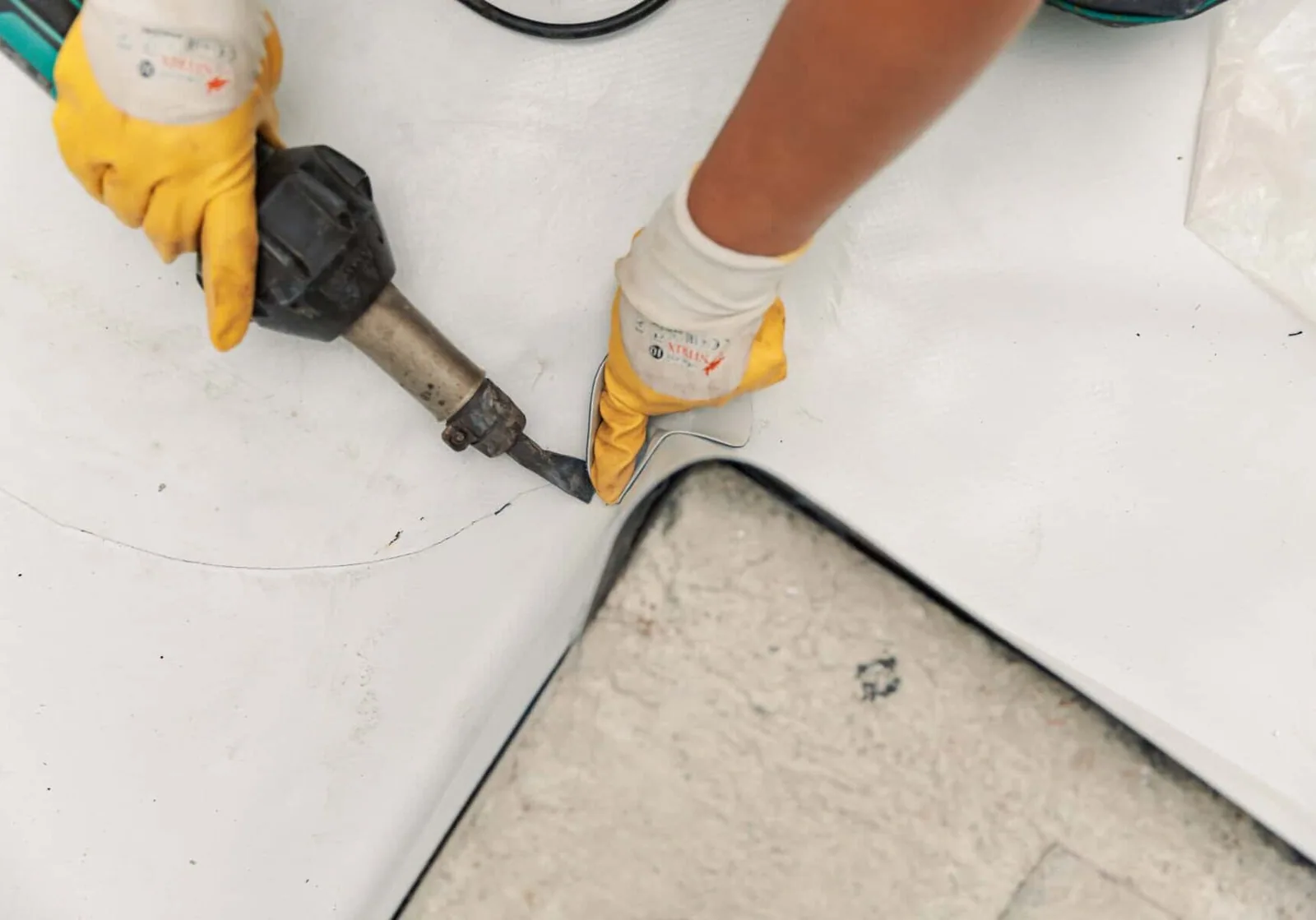
Commercial Roof Membrane Puncture Repair in Cambridge, MA
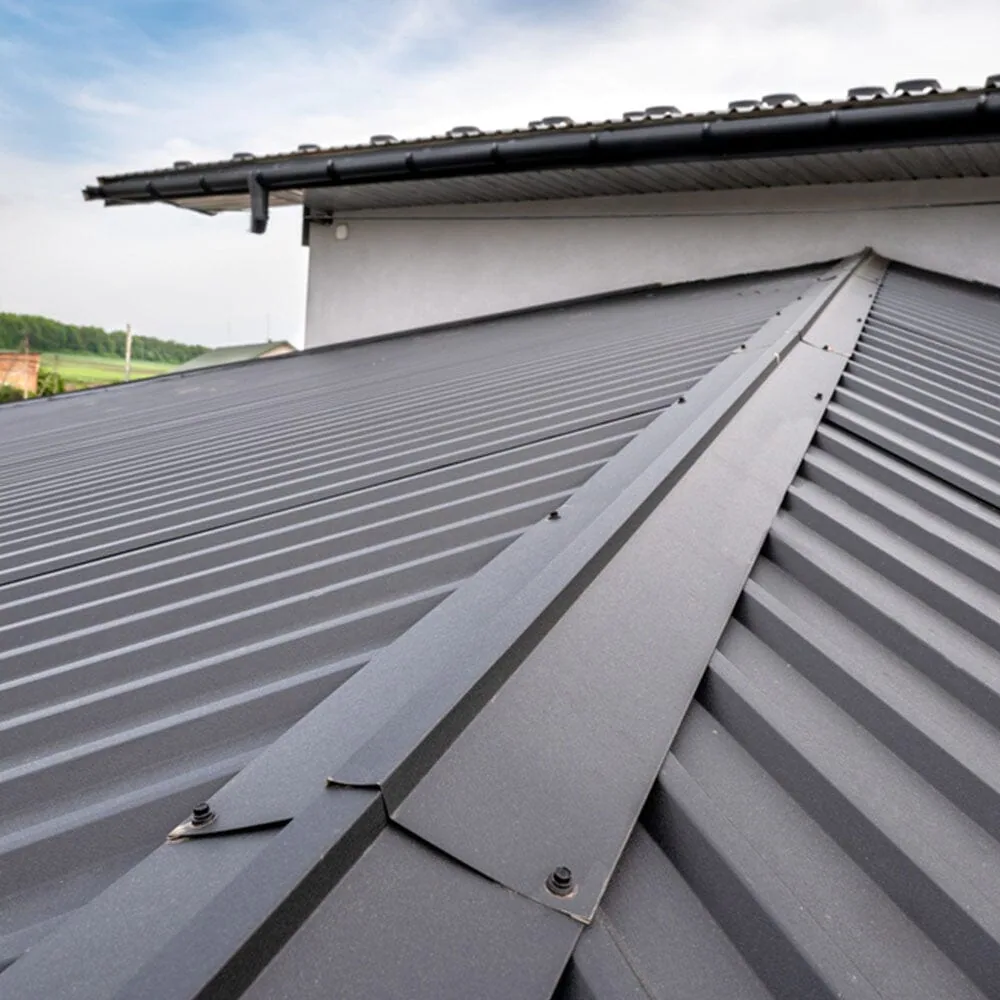
Locate and repair Cambridge commercial roof punctures, inspect nearby seams and insulation, and document the affected section and access route.
A puncture beside a rooftop service path can admit water even when the membrane around it looks intact. In Cambridge, we locate the opening, inspect the traffic route and nearby seams, then check whether moisture reached the insulation or deck. Central Square combines civic offices, businesses, and transit, while Cambridge Crossing includes commercial and residential uses alongside retail and dining. Building activity makes roof access coordination important, but it does not reveal how a puncture happened. We document the surface condition and repair only the area supported by inspection.
What should be checked around a membrane puncture?
We inspect the hole or cut, surrounding membrane, nearest seam, curbs, walkway pads, and drainage path. A small opening can allow water under the sheet and spread beyond the visible mark, so we note any soft insulation or moisture indication. Photos include a scale or fixed roof reference. If a tool, debris, or service activity is suspected, the report records the supplied information without assigning a cause that the surface does not establish.
Cambridge Crossing has office, residential, dining, and retail uses, and Kendall Square mixes research facilities with hotels, housing, and shops. These properties can have multiple maintenance routes and equipment areas. A roof condition survey maps the puncture and adjacent section. A cover-board review can identify substrate layers where testing confirms them. If water follows the nearest lap, a seam assessment checks whether the defect continues beyond the puncture.
Where technicians cross the roof to service equipment, we inspect whether an existing walkway pad ends before the equipment or leaves a membrane area exposed. A damaged pad can conceal a cut until it is lifted, so the record notes what was visible and what was checked underneath. If a new path is needed, the owner can review placement and material with the roofing contractor before routine access resumes.
How do you find water beneath an intact-looking surface?
We compare the interior report with the puncture location, roof slope, and seams that can carry water away from the opening. A moisture survey may map wet areas, while a selected test cut can confirm the membrane, insulation, and deck at one location. The report names the method, location, and result. If the test does not reach another roof section, we do not extend its finding beyond the area measured.
Cambridge winter guidance notes more frequent flooding and heavier precipitation with changing freeze-thaw periods. That context can affect how long water remains at a small opening, but it does not identify the puncture’s source. We review maintenance records and available photos with the property contact. If equipment service or construction took place nearby, that timing can help select the inspection route while leaving cause determination tied to physical evidence.

What does a puncture patch need to restore?
The crew cleans and prepares the membrane as required by the system, then installs a compatible patch with an adequate bond or weld to sound material. The patch perimeter should be free of loose edges and channels. If insulation is wet or the deck is damaged, a surface patch alone may not resolve the condition; the scope identifies any removal and replacement needed. We also check walkway protection so routine access does not immediately cross the repaired area.
For occupied property, the manager confirms roof hatch, service route, equipment schedule, and areas below the repair. An occupied-building work sequence can set the access window and daily closure. At a Cambridge Crossing property, the building contact coordinates staging with current site rules. A warranty record review can identify system documents supplied by the owner, while the repair recommendation remains based on field conditions.
Patch size depends on the damage and the membrane system, not just the visible puncture diameter. The crew checks for stretched material, contamination, nearby seam edges, and any embedded debris before cutting a repair. If the surface has been patched before, we remove incompatible material only as the approved repair method requires and record the layers uncovered. That prevents a new patch from bonding to an unstable edge.
When does a puncture point to a larger roof problem?
An isolated hole with dry, stable material around it may allow a local patch. Multiple punctures, widespread foot-traffic damage, soft insulation, or repeated openings call for a broader walk and testing. Recover or replacement depends on the existing layers, attachment, moisture, drainage, and condition of the deck. We document which areas were inspected and whether a walkway or equipment route needs redesign to protect the membrane.
A wind-damage review may address displaced materials, while data-center facilities can have specific equipment-access controls. Neither use determines the repair. A recover evaluation checks moisture and retained layers, and a replacement scope identifies any necessary deck or walkway work separately from the puncture repair.
What should be recorded after the patch?
The repair log identifies the building, roof section, membrane type where confirmed, puncture dimensions, patch material, surface preparation, and photos. We record any moisture test or substrate replacement, along with the walking route and protection installed. If a second opening or another trade is needed, the file lists the follow-up and leaves it distinct from the completed patch.
Cambridge’s storm and winter conditions make the roof map useful in later service planning, but the new inspection establishes current condition. Maintenance can compare the patch, seam, and walkway with dated images. A roof condition report can preserve the findings so another technician can identify the repaired detail before walking the same route.
For a property with several rooftop contractors, the manager can keep a log of access dates and work areas alongside the repair photos. The log can help select the route for a future inspection without assigning responsibility from timing alone. We document the observed puncture, surrounding conditions, and any test result in the report.
Store test photographs with a location note and date. The next inspector can return to the same point and distinguish a new opening from the patch recorded during the earlier visit.
A completed puncture repair needs a perimeter that bonds to prepared, compatible membrane. We remove loose debris, dry the work area, confirm the sheet is not tented or cut beyond the visible point, and extend the patch far enough to tie into sound material under the system's repair method. If equipment traffic created the puncture, we note the route and discuss protection such as a walkway pad where the roof assembly permits it. Water beneath the sheet can widen the scope, so any moisture check or test opening belongs in the record. The closeout photograph shows the patch edge, surrounding field, and nearby curb or drain, giving the next inspector a clear reference.
Commercial Roofing Questions
Can a small puncture wet insulation beyond the visible hole?
It can. We inspect the surrounding membrane and use testing where needed to determine whether moisture extends below the surface.
Can you tell who caused a puncture from the roof surface?
The inspection documents the opening and nearby conditions. Cause is recorded only when the available physical evidence supports it.
Should walkway pads be replaced after a puncture repair?
We inspect the route and note whether pads are missing, displaced, or allowing traffic over the membrane. The property contact confirms how that route is used before protection is selected.
Can the building remain open during a patch?
The manager identifies access restrictions and areas below the repair. We plan barriers and a daily closure point around those controls when conditions allow.
What should be ready before a puncture inspection?
Provide the roof plan, reported leak area, recent service or construction activity, membrane records, and access contact. The walk confirms the puncture and repair boundary.
Related Roofing Work
More Roof Damage Repair
Browse every page in Roof Damage Repair, or request a roof assessment and we will walk the roof with you.
Map the puncture and nearby service route
Send the Cambridge address, roof plan, reported opening, access or construction history, system records, and site contact. We will inspect the membrane and document a compatible repair.