
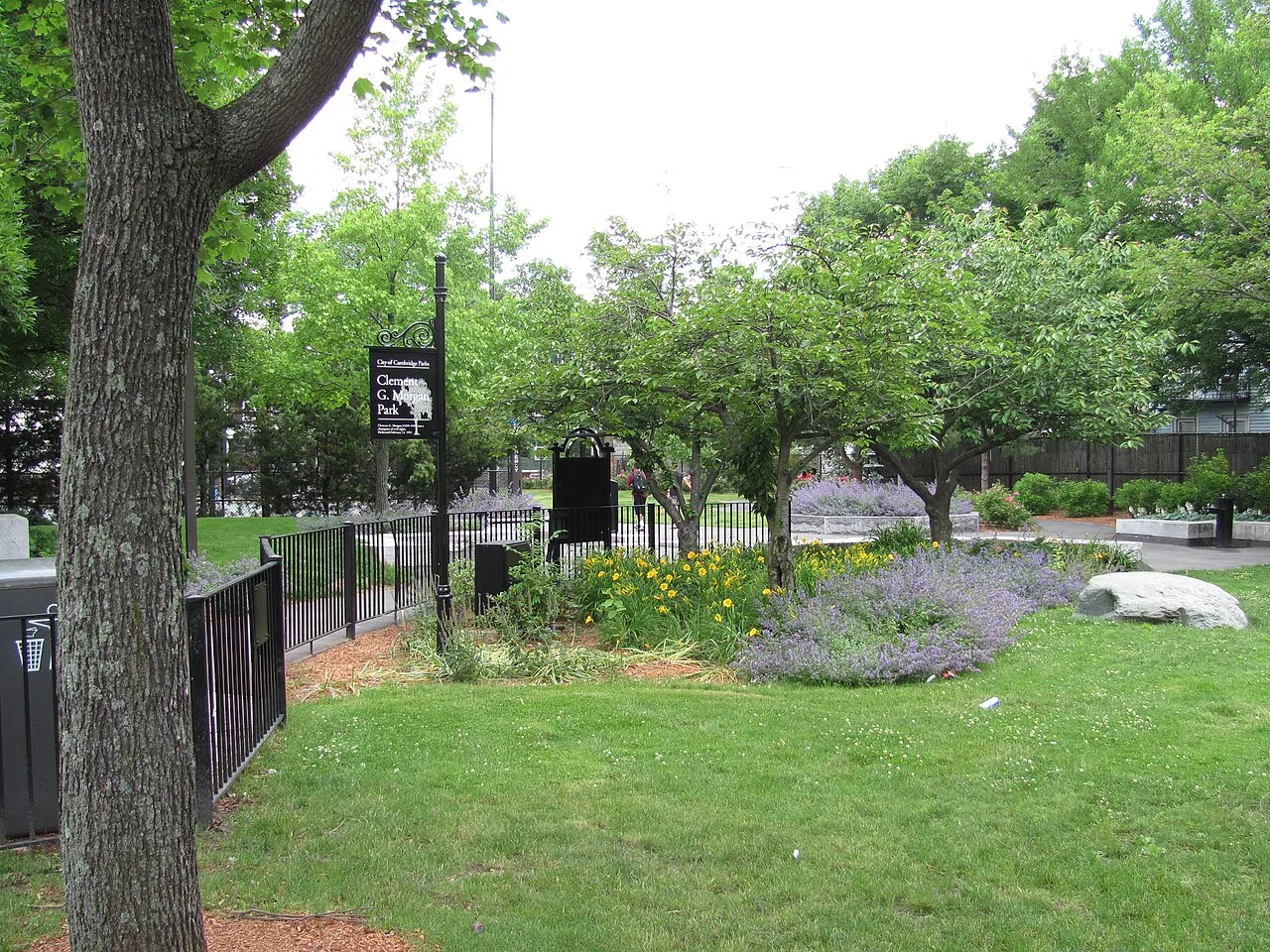
Commercial Roofing in The Port (Area Four), Cambridge, MA
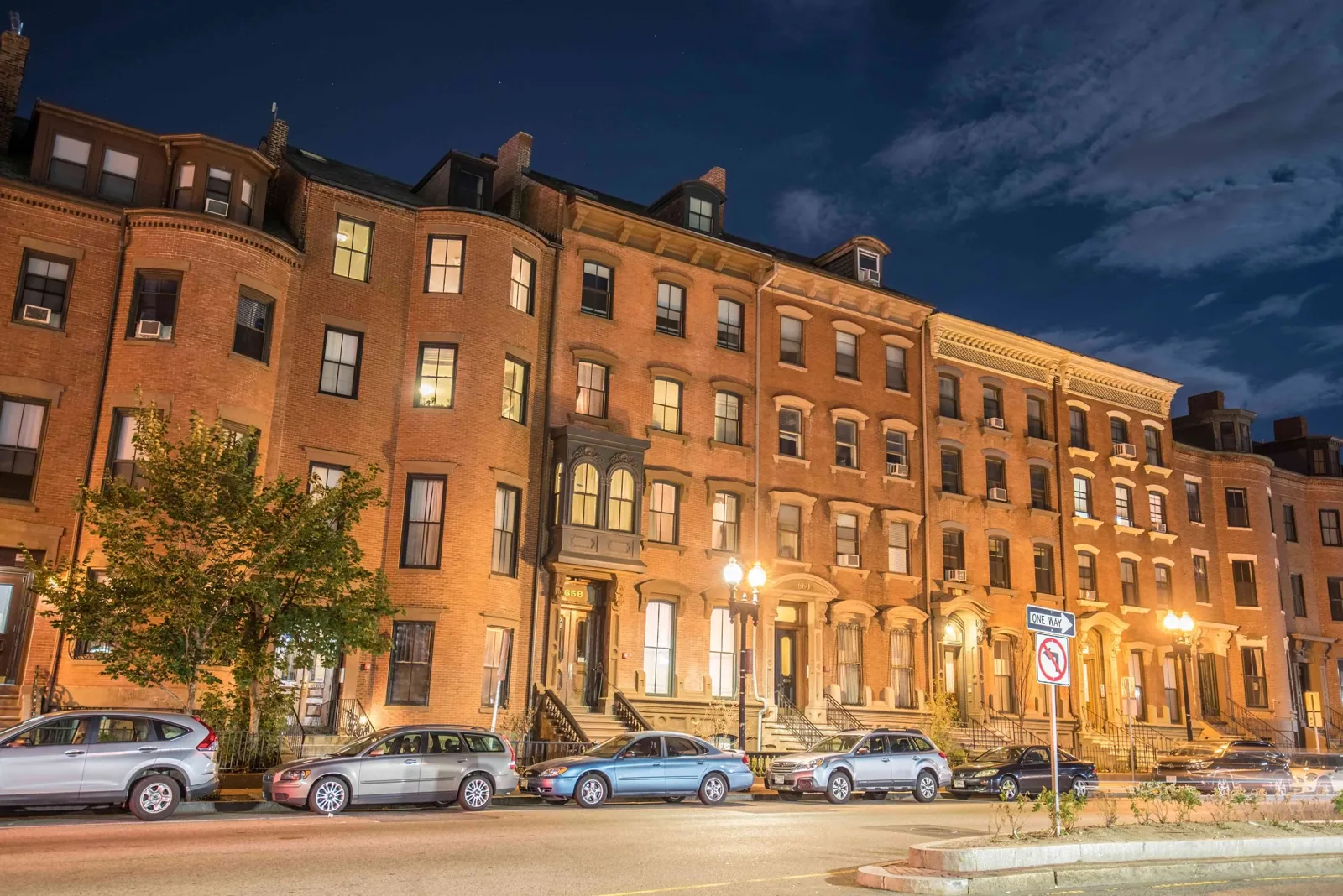
Inspect The Port commercial roofs for leak paths, penetrations, and drainage with resident-aware access planning and documented findings by section.
A corner of roof flashing beside a shared stair can let water pass through a small opening before anyone sees a ceiling mark. The Port, also known as Area Four, is a high-density Cambridge neighborhood between Hampshire Street, the railroad, Prospect Street, and Massachusetts Avenue. Most of the area is residential, while Central Square is its main commercial and transit center and smaller commercial strips run along Main, Prospect, and Hampshire Streets. We inspect the roof above the address being served, not the whole neighborhood as one assembly. The first walk locates the reported condition, checks penetrations and drainage, and records the section and access limit. Cambridge reports heavier winter precipitation and more frequent thaw-freeze changes, so the route includes drains, overflows, and vulnerable terminations.
Where should the roof walk begin?
We begin at the reported room and trace its position against the roof plan, then inspect nearby curbs, seams, parapets, and outlets. In a residential building, a ceiling mark can be offset from the entry point, and access to the room below may need coordination with a resident or property manager. Along Main, Prospect, and Hampshire Streets, smaller commercial strips have separate addresses and operating contacts. The roof plan and contact determine the route, not the street's general use. In a dense neighborhood, a shared stair or service corridor may require notice before a technician enters or carries test equipment through it. We confirm the point of entry, protect the route, and record which interior areas were available for inspection. If access changes between visits, the report names the new contact and pending room check. A commercial inspection records both a close view of the detail and a wider location image so repair work can return to the correct roof section.
What can a shared wall conceal?
Water at a party wall or stairwell may come through a roof penetration, a parapet termination, or a drain that backs up against the edge. We check the membrane turn-up, coping joint, sealant, scupper, and route down the wall before selecting the repair. If moisture may extend under the roof sheet, a scan or test opening can help confirm the affected layers. We mark where the inspection stopped and whether a resident, office, or lab contact needs to provide another access window. The Port's southeast Osborn Triangle section includes high-tech labs and offices and MIT facilities, but those uses do not indicate the roof system at another address. We document the actual building and its roof evidence.

What should be separated in a repair estimate?
A loose flashing lap, blocked drain, wet insulation, and deteriorated deck are different findings and may require different trades or work stages. We identify the membrane and attachment where known, test suspect moisture, and separate roofing repair from plumbing or interior restoration outside the confirmed scope. If a recover is considered, layer count, deck condition, drain height, and perimeter transitions affect suitability. A flashing repair can include a roof-to-wall or stairwell transition; a drain review can determine whether a clear outlet restores flow or whether the low area needs further design attention. The proposal lists material, preparation, access, protection below, and any return visit as separate scope drivers so the owner can compare options. If a test confirms wet insulation, we mark its perimeter and determine whether the substrate below remains sound before setting removal limits. A small dry area may take a localized repair, while moisture continuing under adjacent sheets can require additional opening and replacement. Labor also changes with resident access, debris control, loading, and the need to keep shared routes protected. We note those requirements alongside membrane quantities rather than folding them into an unexplained roofing allowance.
How is resident access handled during a test?
Before making an opening, we confirm the room below, who can release access, and whether belongings or a shared corridor need protection. If the space cannot be entered, we do not treat the interior as observed; the Diligence Notes identifies that limit and any alternative test. We contain debris, protect insulation, and close the membrane at the end of the shift or document the temporary seal. Cambridge's climate guidance describes more thaw-freeze swings and heavier precipitation, so drying and safe closure can affect whether permanent work happens on the first visit. An occupied-building sequence can list access windows and the condition needed before each section returns to normal use.
What changes between the first and second visit?
A second visit may follow moisture testing, material confirmation, or a required roof-access approval. We state what must happen before the crew returns, whether the temporary termination remains intact, and who can observe a water check from inside. If an equipment curb or lab intake is involved, the property contact confirms any operating restriction. Nearby Cambridgeport and East Cambridge are distinct areas, and access instructions do not transfer across their buildings. The work order names The Port address and roof section so a follow-up can compare the same seam, drain, or wall detail with its prior photo.
Which details matter in a neighborhood roof log?
Record the building address, roof plan, outlet labels, known membrane, test points, repairs, and access limits. We distinguish a visible seam opening from a moisture scan and a confirmed layer condition. A condition report preserves those findings, while a maintenance visit can return to drains and exposed transitions after weather changes. For an owner managing properties near Central Square or the Osborn Triangle, each address keeps its own system and repair history. A neighborhood boundary or adjacent tenant does not replace a roof map when locating the next service item.
What information helps plan the visit?
Identify the building on Main, Prospect, Hampshire, or another part of The Port, then send the available roof plan and a description of where water appears. Tell us who can provide entry to the roof and the room below, plus any resident or tenant restrictions. We will trace the reported water path and mark what the field confirms. A night, weekend, or holiday callout can secure an active opening first; the written handoff will separate that temporary work from the permanent membrane or flashing repair. It will also identify areas not accessed, test results still needed, and the person who can approve a return visit.
Commercial Roofing Questions
Does a leak in a residential room usually come from the roof directly above?
Not always. Water can travel along a deck or beneath a membrane before it reaches an interior finish. We use the roof plan and connected transitions to map the likely path and any needed test.
Can one inspection include a nearby lab and apartment building?
Each address needs its own access plan and roof record. We can coordinate multiple visits, but membrane and drainage findings stay attached to the building and section where they were observed.
What if a tenant cannot provide access below the roof?
We record that limit and do not describe the interior as inspected. The property contact can arrange a return window or approve another test method suited to the roof construction.
Will clearing a drain repair water at a shared wall?
It can if a blocked outlet caused water to back up at the wall. We inspect the bowl, overflow, membrane termination, and slope so the correction follows the source shown by the field.
What is useful to keep after temporary leak protection?
Save the date, roof section, temporary material, closeout photos, active water path, and permanent repair still needed. The record should also show who can release the next access window.
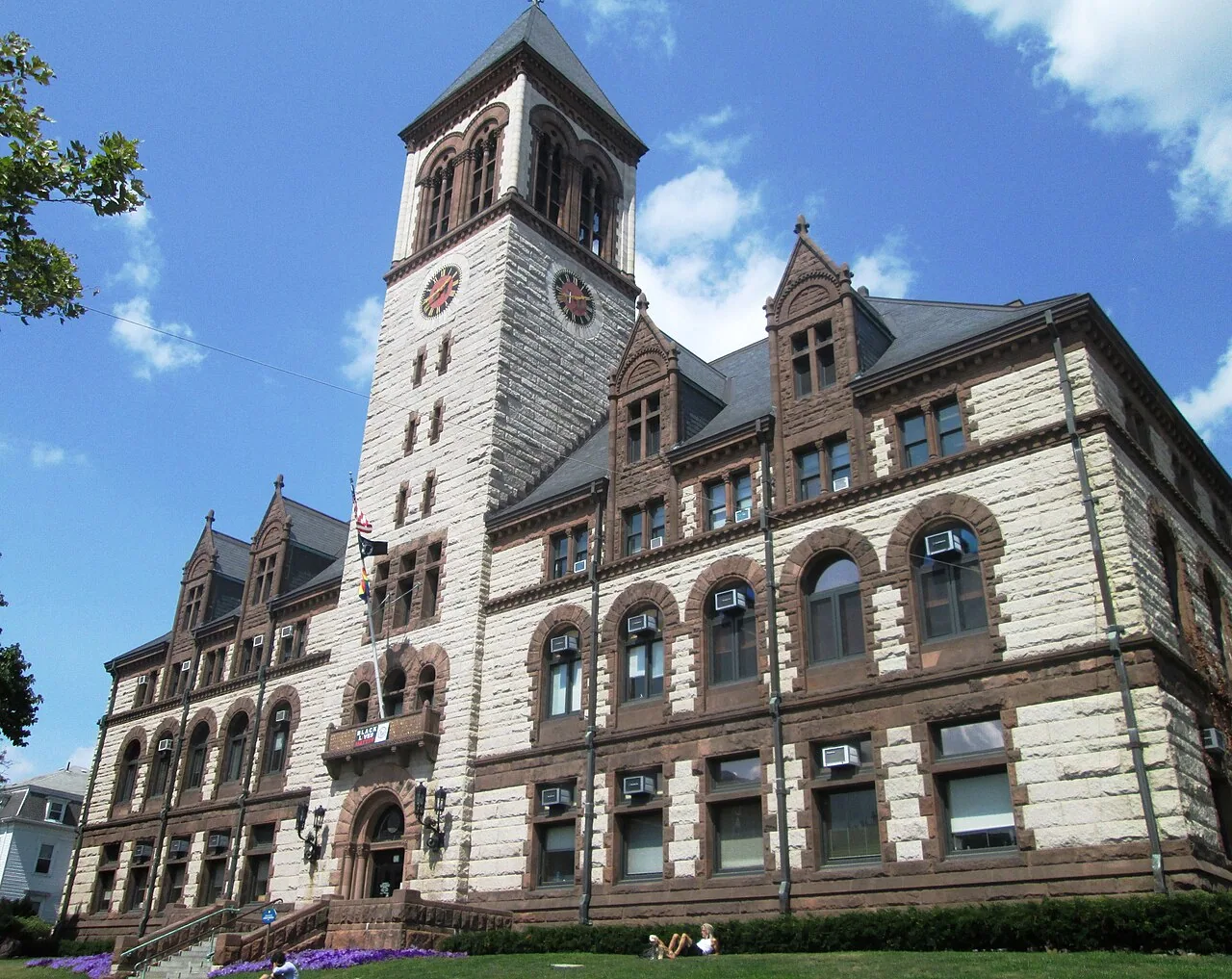
Related Roofing Work
More Service Areas
Browse every page in Service Areas, or request a roof assessment and we will walk the roof with you.
Map the roof to the right address
Send the Cambridge address, roof plan or system records, reported condition, access contact, and work window. We will document the roof section, access limits, and supported next step.