
Commercial Roofing in Osborn Triangle, Cambridge, MA
Plan commercial roof inspections and repairs across Osborn Triangle in Cambridge, MA, with scope tied to each building's use, roof assembly, and access needs.
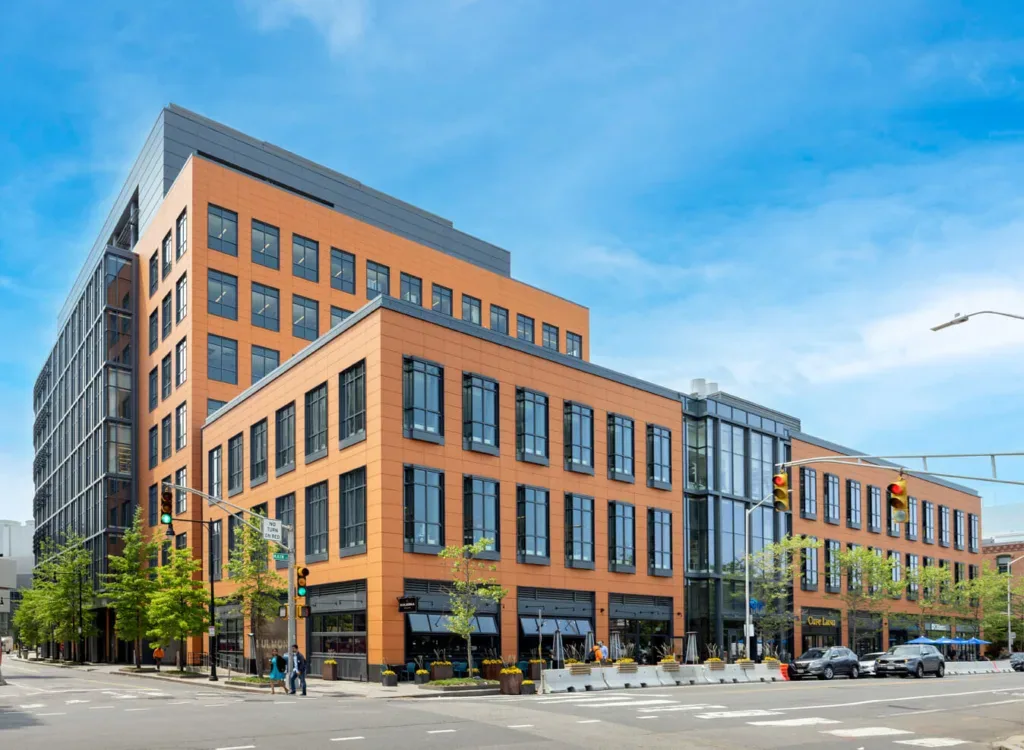
A laboratory exhaust curb beside a retail roof zone changes where we begin a leak inspection. Osborn Triangle, Cambridge, MA, occupies former industrial ground south of Main Street between Massachusetts Avenue and the Grand Junction Railroad. City planning describes a continuing mix of commercial laboratories and offices, retail, housing, and institutional uses. That range makes the property contact and roof plan part of the first call: the use below a test opening, the active equipment above it, and the route to the affected roof section all influence the inspection order. We check the field sheet, flashing height, termination lap, fasteners, and nearby drain bowl before setting a repair boundary. Cambridge reports more thaw-freeze swings, heavier precipitation, and more frequent flooding in winter; the inspection still records the conditions on this roof rather than assigning a citywide risk to one address.
Which transition changes the first walk?
A curb, pipe, parapet, roof edge, and drain each interrupt or redirect the membrane in a different way. On an office or laboratory roof, we first confirm which equipment must remain operating and whether an air intake or service route sits near the reported leak. At a retail or hotel building, delivery and occupant paths may affect where materials can be staged, but they do not tell us what assembly is installed. The Triangle includes office and lab buildings with ground-floor retail, a supermarket, a hotel, and MIT student housing uses; those are area facts, not evidence of any one roof's construction. We inspect the actual sheet, seams, curb height, pitch pockets, and overflow path, then mark any area hidden from view. An inspection visit records what was observed separately from moisture readings or test openings, so the owner can see which conclusion rests on which evidence.
How do mixed uses affect leak tracing?
Water can enter near a rooftop detail and travel beneath a membrane before it appears in a laboratory, office, shop, or occupied room. We compare the interior report with the roof plan, note the likely slope, and follow seams and penetrations connected to that section. A ceiling stain alone does not establish the entry point. Where a scan can help, we mark the reading pattern and choose a small test opening only if it will change the repair decision. The opening confirms the layers and substrate at one location; it does not certify adjoining areas. If the building has active research equipment, retail service, hotel operations, or housing below, we confirm the access window and temporary protection before exposing the assembly. A moisture survey can support that sequence when conditions suit the method. The report identifies the tested boundary, any inaccessible zone, and the next step that follows from the field result.
What evidence supports a repair or replacement scope?
A narrow patch makes sense only when sound membrane surrounds the defect and the substrate can hold a compatible repair. We document seam condition, attachment, layer count, insulation, deck response, drainage, and curb or edge geometry before comparing repair with recover, coating, or replacement. A recover adds height; drain bowls, door thresholds, counterflashing, and equipment clearances must still work afterward. Coating requires a suitable existing surface and properly prepared details, while replacement brings removal, staging, and weather exposure into the decision. We separate immediate water control from capital work so the property manager can authorize a bounded task without assuming the larger question is settled. For a concentrated puncture, a membrane repair should state the patch limits and test performed. If saturated insulation or a compromised deck extends beyond that boundary, the estimate should identify the additional investigation before quantities are treated as final. Material choice follows the verified system and attachment, not the neighborhood's development history.
How is occupied space protected during testing?
Before a test opening, we identify the room below, the responsible contact, and any equipment or activity that cannot be interrupted. The Triangle's mix of lab and office buildings, ground-floor retail, a supermarket, hotel, and student housing means operating constraints can differ from one property to the next. We do not infer a shutdown rule from the use category; the building contact confirms it. The crew protects the interior, controls debris, keeps the opening small, and has a temporary closure ready if weather or a finding interrupts the planned repair. Cambridge's reported heavier precipitation and more frequent winter flooding make secure end-of-shift closure especially relevant, while temperature and surface conditions determine which materials can be installed. An occupied-building sequence can list roof sections, access windows, noise limits, and protection steps before work starts. Each closeout photo should show the detail and final condition, with any follow-up clearly assigned.
What should the roof record carry forward?
A useful file lets the next manager distinguish a visual observation from a scan, test opening, repair, or unresolved question. We label the roof section, system when confirmed, drain and overflow locations, curb and edge transitions, photographs, and repair limits. Keep equipment changes and service visits with the same property record, because a new support or conduit can alter a previously sound flashing detail. If the property is one of several managed around Kendall Square or Cambridge Crossing, each roof still needs its own plan and evidence; an observation in one district does not transfer to another building. A condition report can set current findings beside future maintenance items, while a maintenance visit can recheck drains and exposed transitions after severe weather. We note access restrictions and sections not inspected so a later budget does not assume complete coverage where none occurred.
What should I send before we schedule?
Send the Osborn Triangle property address, roof plan or system records, the room and time of any reported water, prior repair notes, and the name of the person who can arrange roof entry. Add any operating limits for laboratories, retail, hotel service, housing, or equipment. That information helps assign the right access window; the inspection then confirms the actual assembly and condition. For active water entry outside normal hours, including weekends and holidays, emergency response can begin with a temporary measure that limits further exposure. The permanent scope follows after we can prepare the surface and verify the affected layers. Our closeout separates work completed from work still awaiting a test, access release, or suitable installation conditions. The estimate also states what drives timing: substrate findings, weather, material lead time, staging, and coordination below the roof.
Commercial Roofing Questions
Does the laboratory use identify the roof membrane?
No. The use helps set access and equipment questions, while the membrane is confirmed from the roof surface and available records. We label what is visible and what needs a test before proposing compatible repair materials.
Can water appear far from the failed detail?
Yes. It can move beneath the sheet or along the deck before reaching a ceiling. We compare the interior location with slopes, seams, penetrations, edges, and drains, then test where the result can define a repair boundary.
What does a test opening establish?
At its marked spot, an opening shows the layers and substrate that we can see and measure. We record the location and closure, then avoid extending that evidence to untested roof sections.
Can a recover keep an operating building open?
The decision depends on the existing layers, deck, drainage, added height, and the work route. We review those conditions and divide the project into sections where protection and access can be maintained.
What is useful for an after-hours call?
Give us the address, reported interior location, access contact, and any roof plan or prior repair record. We can dispatch around the clock, including weekends and holidays, to limit active entry and document the permanent work still needed.
Related Roofing Work
More Service Areas
Browse every page in Service Areas, or request a roof assessment and we will walk the roof with you.
Set the inspection boundary
Send the Osborn Triangle address, roof plan or system records, reported condition, access contact, and work window. We will trace the connected roof details and record the evidence for the next decision.