
Commercial Roofing in Cambridgeport, Cambridge, MA
Inspect Cambridgeport commercial roofs for drainage, leaks, and membrane damage with building-specific access planning and documented repair limits.
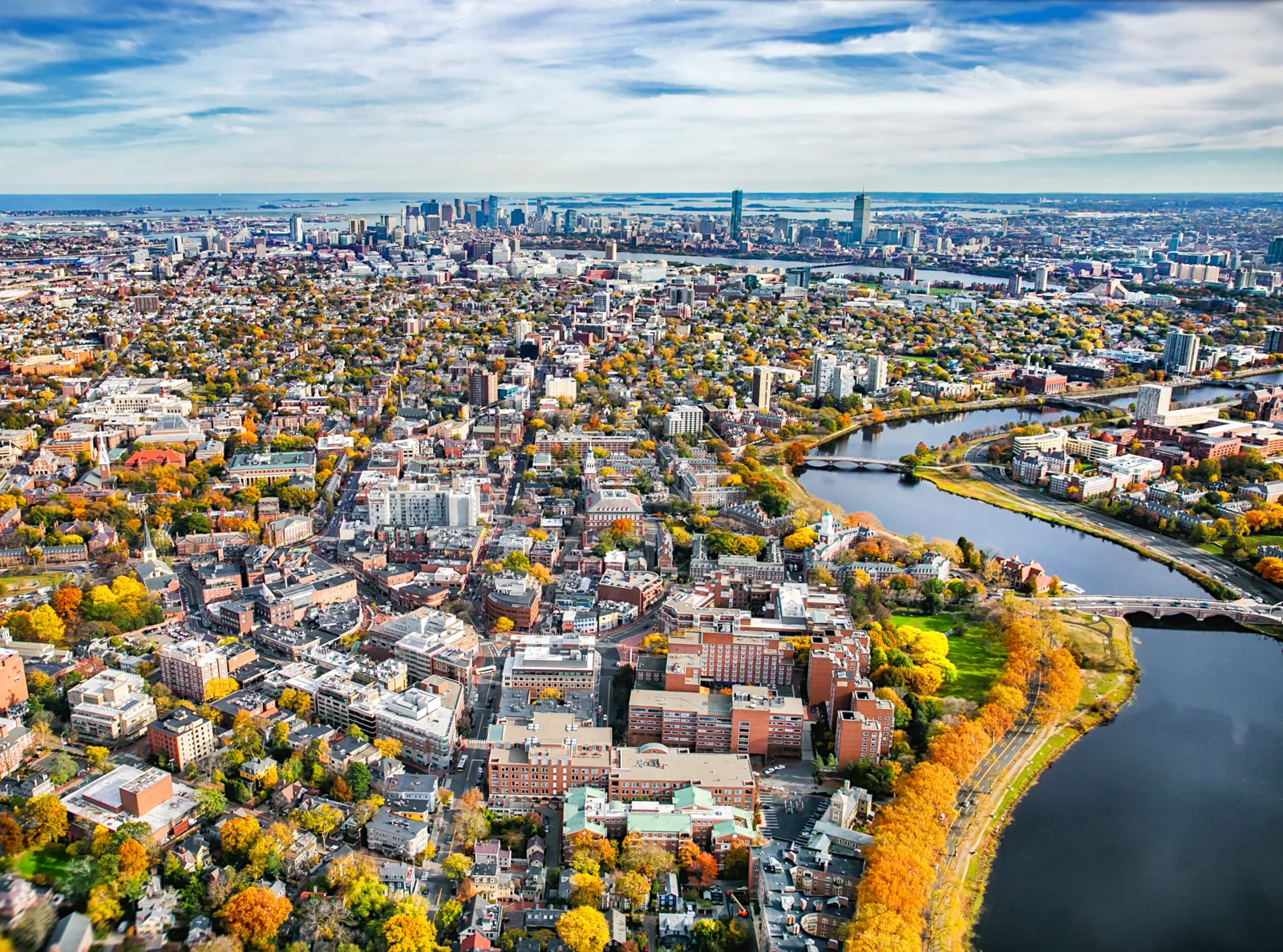
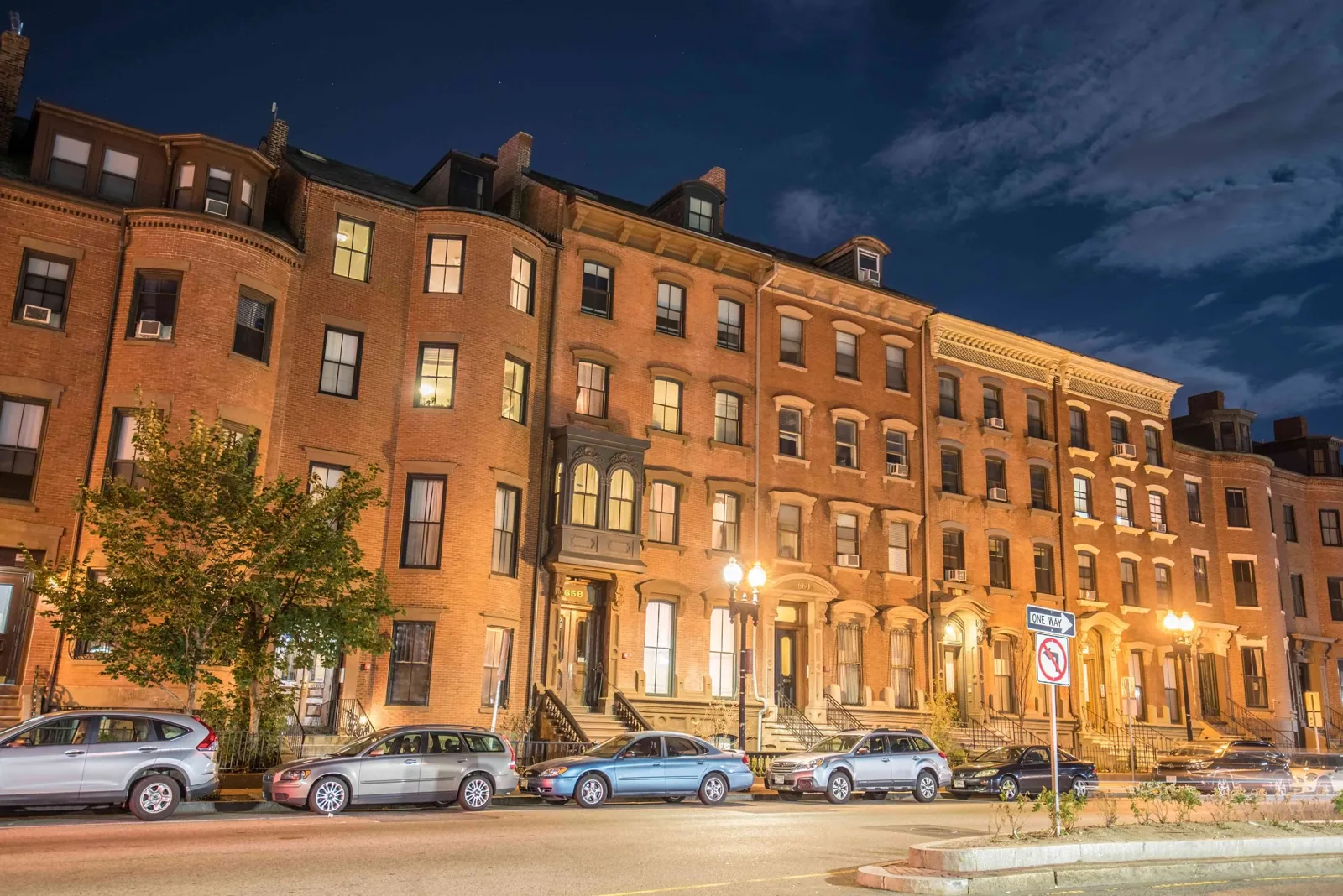
A conduit penetration offset from a curb can let water move beneath a membrane before it reaches the room below. Cambridgeport, Cambridge, MA is a dense neighborhood south of Massachusetts Avenue, abutting MIT and the Charles River. Central Square is its principal commercial center, while the neighborhood's former industrial southeast edge has gained retail, office and laboratory, residential, and institutional development. Those facts describe area uses, not the roof on an individual building. We identify the property, match the interior report to its roof plan, and check connected seams, curbs, edge details, and outlets before setting a repair boundary. Cambridge's climate planning identifies heavier precipitation, more intense storms, and coastal storm-surge flooding as city-level risks; our inspection records what the actual roof shows.
Which property use affects the access plan?
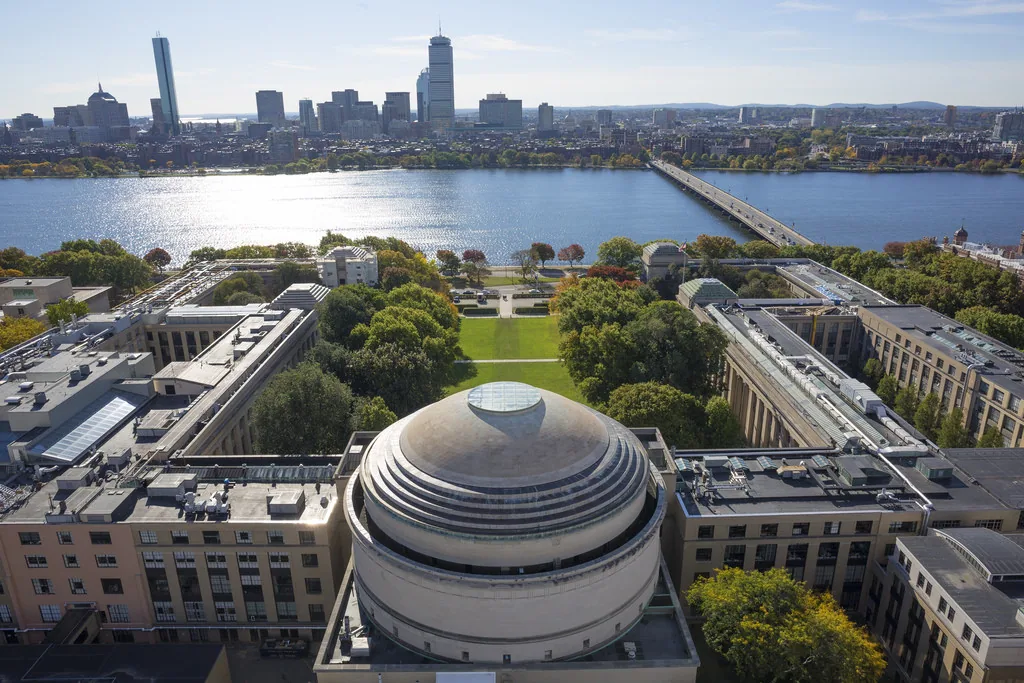
A laboratory, office, residence, or institutional space can have different controls for roof entry, exhaust, equipment shutdown, and the room beneath a test opening. We ask the property contact which apply at the address being inspected. Cambridgeport's southeast area has gained several types of development, but we do not infer its construction date, membrane, or access rules from that history. The roof walk identifies the installed sheet where visible, equipment supports, penetrations, parapet joints, drains, and any surface hidden by equipment. A commercial inspection ties close detail photos to a wider view and notes any area that remained inaccessible.
How can water cross a busy roof plane?
A leak beneath a residence or office may start at a remote curb or seam, then travel along the deck before appearing inside. We mark the reported room, locate the corresponding roof section, and trace slope and drainage toward the suspected entry. A visible crack is one finding; moisture under the sheet requires an appropriate scan or test opening to confirm its extent. We label the method and boundary so an untested section is not folded into the same conclusion. Central Square's Red Line station and bus routes make it the neighborhood's main commercial and transit center, but each roof inspection needs the building's own access route. The report separates local context from the observations that determine the repair.
What should be repaired before a larger plan?
A small membrane puncture in dry, secure material can have a narrow scope. Wet insulation, a soft deck, repeated seam openings, or a failed drain connection may need broader work. We record layer count, attachment, substrate, seam condition, curb height, and drain elevation before comparing repair, recover, coating, or replacement. An added roof layer can affect overflow and equipment clearances, so those connections belong in the initial review. A puncture repair should list its test and patch boundary, while a recover review needs evidence on load, substrate, and drainage. The scope can separate urgent water control from long-term capital work without presenting one as a substitute for the other. If a test opening confirms wet insulation, we map the affected area and check whether the moisture is bounded or continues beneath adjacent sheets. That result can change removal limits, drying time, and the amount of replacement material. If a curb or pipe is scheduled for equipment work, we coordinate the roofing tie-in before the penetration changes. On an occupied property, access hours, interior protection, hoisting, and debris control also affect the sequence and cost. We list these items beside the roofing quantities so the owner can distinguish work tied to the roof from coordination needed below it.
How is an occupied area kept out of the repair path?
Before opening a roof, we identify what space lies below and whether a temporary ceiling or equipment cover is needed. We agree how materials enter, where debris goes, and how the roof will be secured if weather interrupts the shift. A building with residents and a nearby research or institutional operation may have separate contacts, so we confirm who can approve access and observe a test. Cambridge reports heavier winter precipitation and more thaw-freeze changes; a damp substrate or cold surface can affect preparation and closure. An occupied-building sequence can list the sections to be opened and the condition required before each is returned to service. Cambridge climate planning also identifies coastal storm-surge flooding as a city risk; that context does not establish damage at a Cambridgeport address. We keep any event-related conclusion tied to the current roof evidence and repair record.
How does a moisture reading guide testing?
A scan can indicate a pattern consistent with moisture, but the next step depends on the roof construction and test conditions. We mark the reading area, compare it with visible seams and interior reports, and identify where a test opening would confirm the layers. If the roof cannot be accessed safely or a lab exhaust must stay active, we document the restriction and schedule the right follow-up. The field sheet includes the person who can release the next window and whether temporary protection remains in place. If a reading falls beside an HVAC curb or drain, we check those transitions as separate possible entry points before opening the membrane. A follow-up can then target the area that changes the repair decision rather than sampling an unrelated roof plane. A moisture survey supports that map when conditions suit the method; the result is not extended beyond the tested roof section.
What record helps a future owner?
Preserve the roof plan, system records, equipment changes, repair dates, photo labels, drain map, and open items with the Cambridgeport address. We identify the section inspected and state whether a finding was visual, scanned, or opened. A condition report can keep these differences clear for a later maintenance decision. Nearby Central Square and the MIT area have their own building and access records; roof findings do not transfer between them. A dated log also helps the property manager notice whether a repaired seam, curb, or outlet changed after heavy weather or equipment work.
What details should I share first?
Give us the Cambridgeport building address, the roof drawing revision, and the room where water was reported. Include any equipment history, prior opening or patch, access restriction, and contact who can release the area below. We will compare those records with the field condition, identify the roof transition that needs attention, and state which test or design question remains. After-hours callouts, including weekends and holidays, can begin with a temporary measure to limit water entry; we then document the permanent repair step and conditions required to complete it. The closeout identifies completed work and the section that remains untested.
Commercial Roofing Questions
Does a laboratory or office use tell you which membrane is installed?
No. We identify the roof system from the field and available records. The use may affect access or equipment coordination, but it does not establish the membrane or its condition.
Could a leak above a residence begin near an office curb?
Water can move beneath the roof before reaching an interior finish. We compare the room location with the plan and inspect connected curbs, seams, edges, and drains before selecting a test.
What can a moisture reading justify?
A scan can show patterns that may indicate moisture under suitable conditions. If that result changes the repair decision, a test opening can confirm the layers at a marked location.
Can the roof work be staged in separate sections?
Yes. We identify an access route, protect the area below, and document the temporary closure and restart point for each section. The building contact confirms operating limits before the sequence is set.
What should be retained after a test opening?
Save the section label, layers observed, moisture condition, photos, closure method, and any remaining access limit. That record lets a later repair use the test evidence without extending it to another area.
Related Roofing Work
More Service Areas
Browse every page in Service Areas, or request a roof assessment and we will walk the roof with you.
Tie the leak map to the building plan
Send the Cambridgeport address, roof plan or system records, reported location, access contact, and work window. We will document the connected roof section and required next step.