
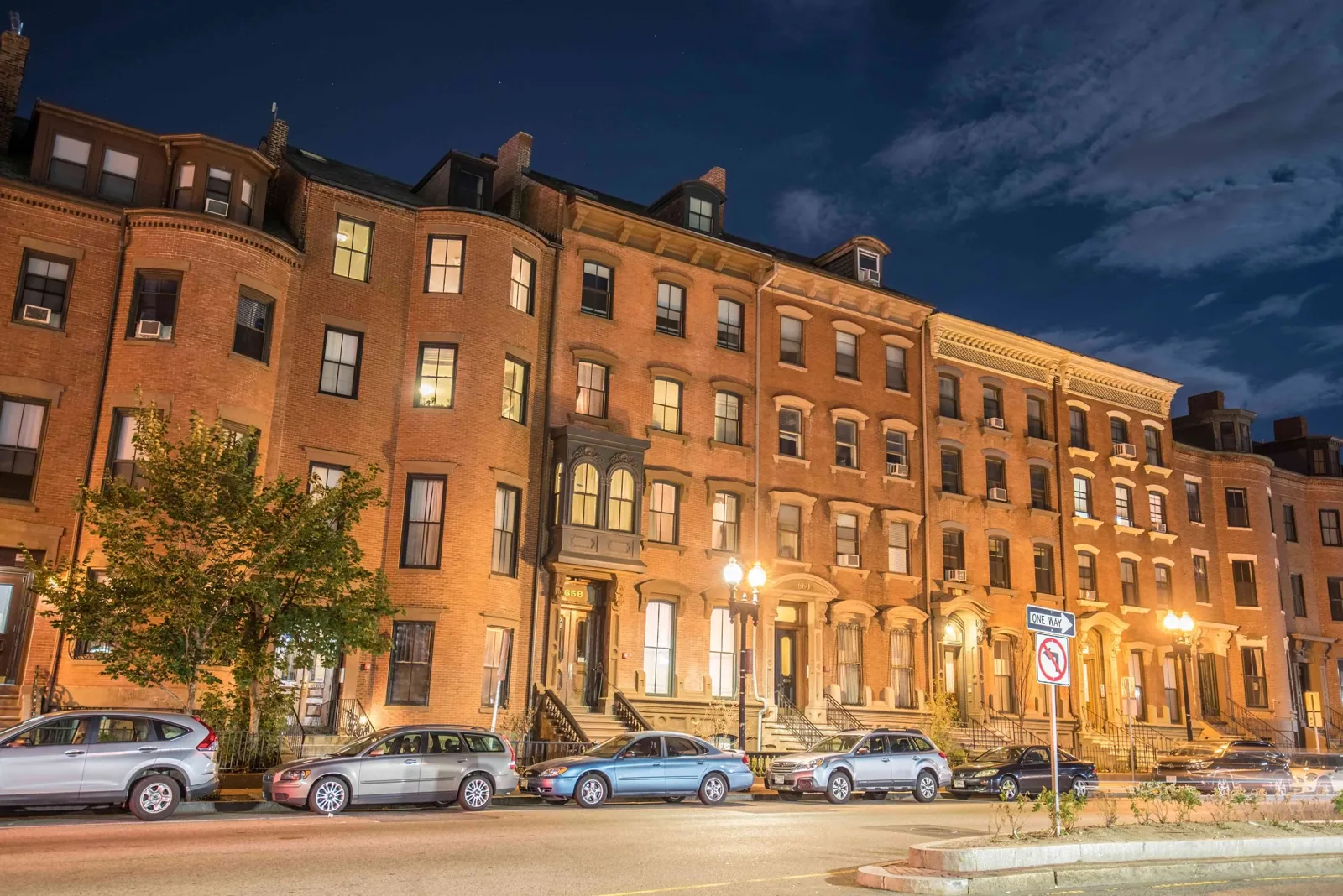
Commercial Roofing on Lower Massachusetts Avenue, Cambridge, MA
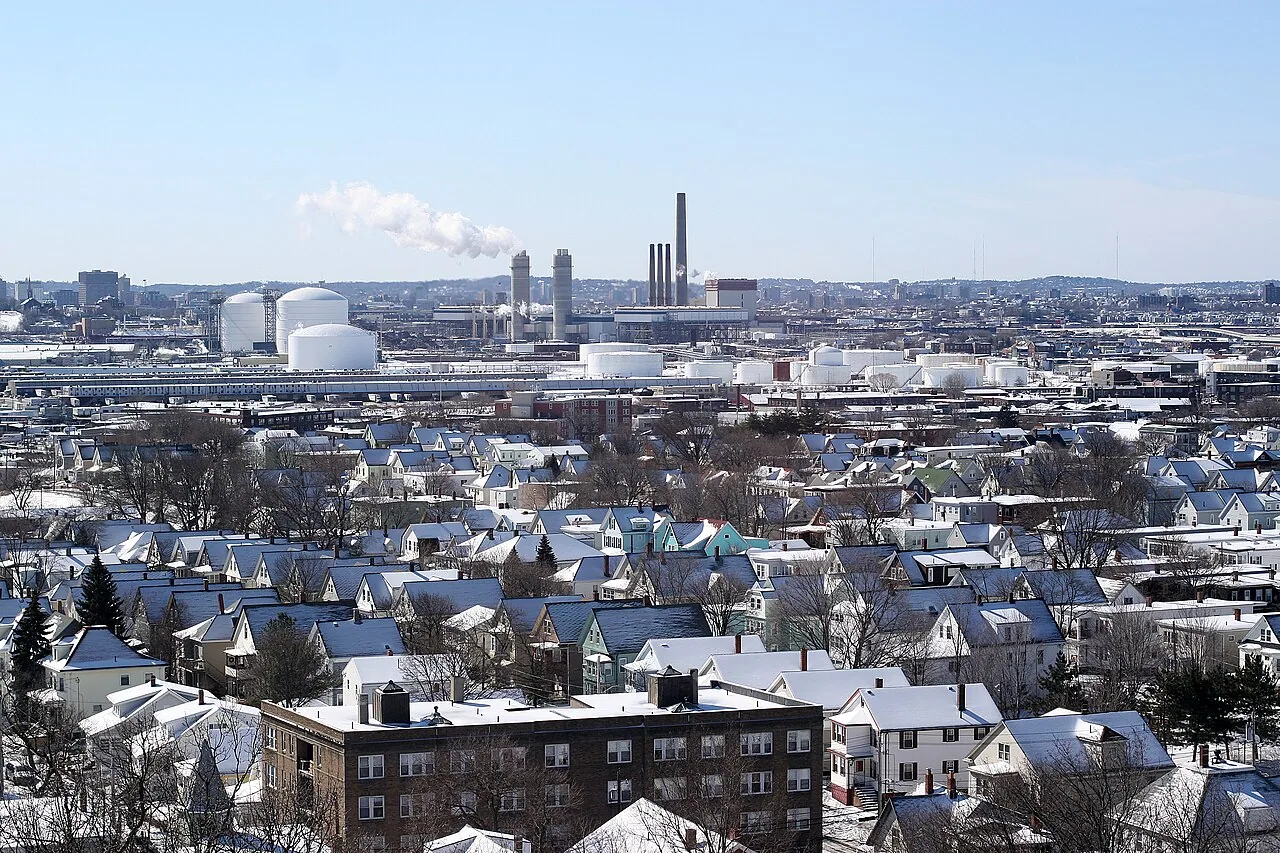
Inspect Lower Massachusetts Avenue commercial roofs for leaks, drainage, and edge failures with access plans and repair records tied to each address.
A downspout elbow that discharges against a wall can leave a wet trail below an otherwise intact gutter. Lower Massachusetts Avenue runs south from Porter Square toward Cambridge Common and includes ground-floor retail, with Agassiz/Baldwin and Neighborhood Nine residential areas along the corridor. Harvard and Lesley staff and students support nearby retail, restaurants, and service providers. Those facts describe a mixed street edge, not the roof at an individual address. We locate the reported water, inspect the gutter, edge metal, parapet, and roof membrane, then mark what was confirmed and what needs a closer test. Cambridge reports more thaw-freeze variation and heavier winter precipitation, so outlet condition and temporary dry-in need a clear place in the work record.
How does runoff reach the street side?
At a retail frontage, rainwater can travel from the roof field to a gutter, scupper, or downspout, and a break in that route may wet the wall below. We check slope toward the outlet, the gutter seam, metal edge, fascia connection, and the discharge point visible from the property. If water is ponding near the edge, we compare the drain height and roof plane before proposing sealant. Ground-floor retail along the avenue and nearby residential areas mean access and interior coordination can differ by building; the owner or manager confirms the route and work window. A gutter and edge inspection records both the roof-side transition and the visible discharge so a later repair does not address only half the water path.
What does the stain below the cornice tell us?
A damp interior finish can point toward an edge, but water may travel behind flashing or along the deck before it appears in a room. We match the mark to the roof plan, inspect nearby seams, parapet joints, penetrations, and low points, and record the evidence by section. A photograph can show an open sealant joint; it cannot confirm concealed insulation condition. When moisture may extend beneath the field, an infrared survey or test opening can help map the affected area under suitable conditions. We label the test method and avoid extending one reading over an untested roof. At a corridor address near Cambridge Common or Porter Square, the contact still needs to identify the exact building entry and roof-access point before a crew arrives.
Which repair matches the edge condition?
A loose gutter joint, failed membrane termination, wet insulation, and low roof plane require different scopes. We inspect the existing membrane and attachment, the metal condition, drain elevation, and any previous layer before deciding whether a patch, gutter correction, recover, or replacement is supported. If the roof is sound but the outlet joint has failed, a localized metal or flashing repair may be sufficient. If a new layer raises the surface, we review bowl, scupper, and overflow height to avoid creating a new drainage issue. A wind-related edge repair includes the edge attachment and membrane termination only when those conditions are confirmed. The report states what was observed, which quantities need field measure, and what additional test can change the recommendation. If a coating restoration is considered, we check the existing membrane, adhesion, moisture, and edge details first. A coating will not lower a drain bowl or close a failed gutter connection. We identify prerequisite repairs and the surface area that can be prepared, then separate that work from a local flashing or outlet correction. Access hours, surface preparation, debris handling, and any return visit are listed as scope drivers so an owner can compare timing and cost on the same basis.
How do storefronts and nearby housing affect staging?
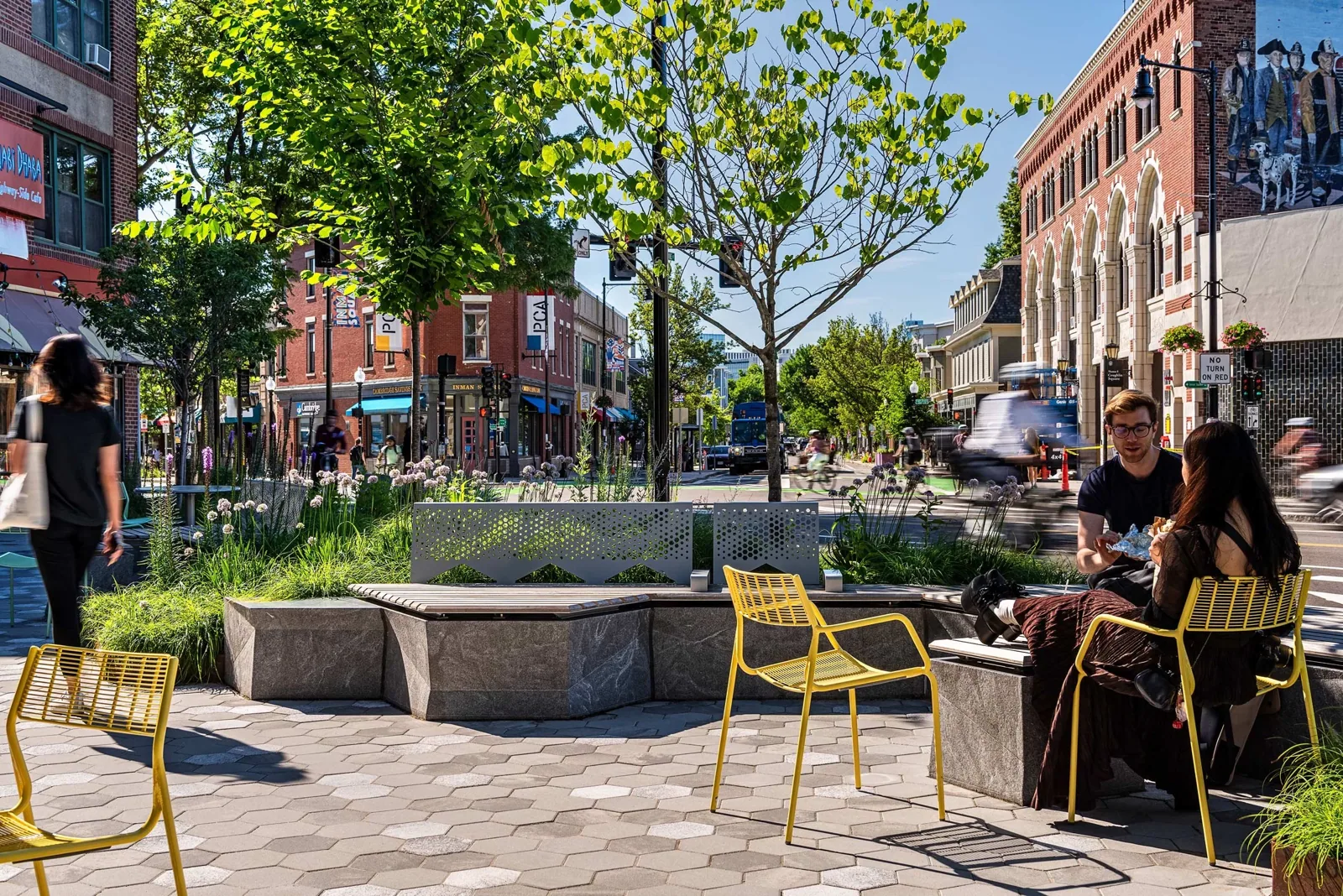
We confirm where a crew may load, which entrance remains active, and whether work below needs a barrier before handling roof materials. Ground-floor shops, restaurants, and services can have delivery times or pedestrian paths that differ from the adjoining residential block. Those are scheduling questions for the building contact, not a reason to assume one route fits the whole corridor. If the roof is opened, we protect the interior and secure the membrane at the end of the shift. Cambridge's winter pattern of heavier precipitation and more freeze-thaw swings can affect dry-in and adhesive preparation. An occupied-building sequence can divide work by section and note what remains closed until the permanent detail is complete.
Which details should be checked after rain?
After a storm, we look at roof drains, gutter seams, scupper throats, overflow openings, parapet joints, and any temporary cover installed earlier. A water line below a downspout can indicate discharge trouble without proving the roof membrane failed. We note where water remained, whether the outlet was clear, and if the roof plan shows a different flow direction. If a repair could not be finished in the first visit, the closeout identifies the temporary termination and the condition needed for return. Nearby Porter Square and Baldwin/Agassiz are distinct areas; we keep photos and drainage labels attached to the Lower Massachusetts Avenue address rather than transferring another building's route.
What belongs in the corridor property's file?
Keep the roof plan, gutter and drain labels, repair dates, system records, photographs, and access notes with the address. We mark whether each condition was observed, tested, repaired, or waiting for another work window. A maintenance visit can recheck outlets and edge metal after debris removal or severe weather, while a condition report preserves the test result and repair boundary for budgeting. If an area was hidden by equipment or unavailable during the walk, we state that limit. The record should also name which staff member or service contact can provide roof access next time so an unresolved seam does not get mistaken for a completed repair.
What should I share before the visit?
Tell us which Lower Massachusetts Avenue property is involved, how water is entering, and which edge or outlet is affected if known. Share a roof plan, prior scope, access contact, and the hours when storefront or residential routes must remain clear. We will trace the route from the reported point through the gutter, scupper, membrane, and wall transition. For active water entry outside normal hours, a service crew can make a temporary weather closure on a weekend or holiday; our record will name what the permanent repair still requires. We also note any section that could not be safely reached during the initial walk.
Commercial Roofing Questions
Can a gutter cause water inside without a membrane tear?
Yes. A leaking gutter joint, failed discharge, or blocked outlet can wet an exterior wall or direct water behind an edge. We inspect the roof termination and the visible drainage route before choosing a repair.
Does the nearby residential area change the roof inspection?
It changes what access and protection need to be confirmed, not the diagnosis. We identify the room below, work window, and route for materials, then inspect the roof system at the property.
Can a new roof layer raise the gutter connection?
An added layer changes the finished roof height and can affect gutter, scupper, drain, and overflow relationships. We document those dimensions before including a recover in the scope.
What should be checked when a wall stain follows a storm?
We inspect the discharge point, gutter seam, coping, membrane termination, and nearby low points. The report separates the water path observed from any material damage that still needs testing.
How do you keep retail operations clear during a repair?
The property contact confirms deliveries, public access, roof entry, and hours. We mark the work area, protect the space below, and record any temporary closure that must remain until the next visit.
Related Roofing Work
More Service Areas
Browse every page in Service Areas, or request a roof assessment and we will walk the roof with you.
Trace the edge from roof to discharge
Provide the Lower Massachusetts Avenue address, roof plan or system records, reported condition, access contact, and work window. We will document the connected outlet and edge details.