Commercial Roofing in Porter Square, Cambridge, MA

Inspect Porter Square commercial roofs for leaks, drainage, and flashing failures with building-specific access planning and photo records by roof section.
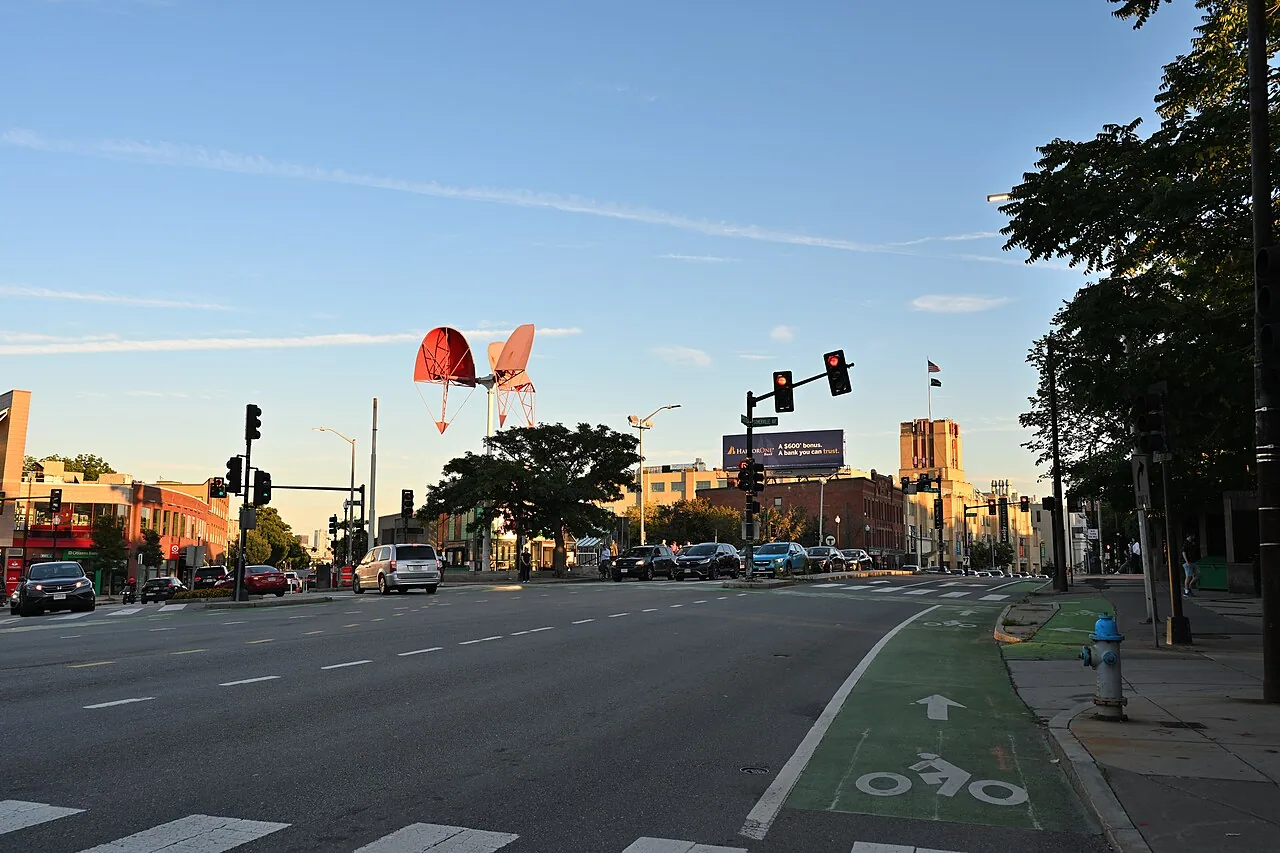
A loose counterflashing edge can sit above a sound seam and still let water travel behind the wall. Porter Square, Cambridge, MA combines subway, commuter rail, and bus connections with local and regional shopping, including large and small retailers and independent stores along Massachusetts Avenue. Lesley University also brings student activity to the square and nearby retail corridor. Those facts help describe the district, but each property has its own roof system, access route, and operating hours. We map the reported water location, inspect the connected flashing and drain path, and identify the section under review before setting a repair limit. Cambridge reports more frequent winter thaw-freeze swings and heavier precipitation, so outlet and edge conditions remain part of the first walk.
What does the corridor change on a service visit?
Transit and retail activity can affect how materials reach a property, but the loading entrance and roof hatch still need confirmation from its contact. We identify where a crew can stage, whether an intake or unit needs a shutdown, and how the public route below will be protected. The local and regional shopping mix includes independent businesses as well as larger retailers, while the Massachusetts Avenue corridor connects commercial storefronts and services. None of those facts identifies a roof membrane or failure pattern. We walk the actual building, check edge metal, curbs, penetrations, seams, and drains, and note which area is not accessible. A roof inspection places each photo against the property plan so a repair crew can return to the same roof section.
Where can water leave the visible seam?
A drip near a tenant space may begin at an up-slope curb, an open termination, or a drain connection rather than directly above the interior mark. We compare the room location with the roof plan, then follow the membrane and deck direction through connected transitions. An infrared survey can help map temperature patterns consistent with moisture when the surface and weather allow the method; a test opening may be needed to confirm the layers. We mark scan indications and opened material separately. If the visible seam is sound, we keep checking the route instead of extending the repair on assumption. At a building near Lesley University or the Massachusetts Avenue shops, the work window may be different by tenant, but the technical finding follows the roof itself.
Which scope fits the observed condition?
A localized flashing repair is different from replacing a saturated section or correcting a roof plane that holds water. We record the membrane, layer count, attachment clues, substrate, drain elevations, and perimeter details before comparing work. If the surrounding field is dry and secure, a compatible patch may be suitable; if moisture extends beneath the sheet or seams repeatedly open, the boundary may widen. A seam-failure inspection can confirm the splice or weld boundary, while a drain and overflow review can identify whether a clogged outlet or raised bowl contributes to ponding. A recover option also needs review of added height, weight, edge transitions, and curb clearance. If replacement is the better fit, we list removal, substrate correction, tapered insulation, and perimeter metal separately so the owner can see what drives sequencing and cost. The proposal should say what is confirmed, what needs a test, and which quantities remain open before an owner compares repair and replacement. A thermoplastic seam is checked for a continuous weld and secure termination; a rubber membrane has a different splice detail and repair material. We identify the installed sheet before choosing that method. The probe test covers only the accessible weld edge, so we note where it was performed and do not extend its result across an untested roof field. If the repair follows an older patch, we photograph the tie-in and verify that the new material bonds to a prepared, compatible surface.
How is an open roof kept weather tight?
Before cutting membrane or removing metal, we identify the interior space below and set a temporary closure plan for the shift. Debris stays clear of drain bowls and scuppers, and exposed insulation is protected from rain. Cambridge's climate guidance points to heavier precipitation and more freeze-thaw changes; a wet substrate or poor preparation window can change when the permanent seam is ready. We record the material removed, the temporary termination, and the access contact who can release the next visit. Where student activity or retail hours affect staging, the property team confirms the route and timing. An occupied-building sequence can keep the work area defined while nearby operations continue.
What determines the next visit?
Material identification, test results, delivery access, weather, and any equipment shutdown can change the return schedule. We list the required condition for resuming, such as a dry substrate, approved detail, or an observer available below during a water check. The closeout photograph shows the temporary edge or completed flashing so the next crew can compare what changed. Nearby Lower Massachusetts Avenue and Huron Village are separate commercial areas with their own building routes; we do not carry access assumptions from one location to another. A planned visit remains tied to the Porter Square address and its roof plan.
Which details belong in the roof log?
Keep the membrane record, repair date, roof plan, outlet labels, access limits, photos, and test results with the property file. We identify a condition as observed, tested, repaired, or waiting for access, so a later manager does not treat the same evidence as four different things. A maintenance program can revisit drains, seams, and edge metal after winter weather, while a condition report preserves the repair boundary and any open item. Lesley University and Porter Square's transit connections form part of the local context; the record itself stays attached to the specific address and roof section.
What should I have ready for the walk?
Send the Porter Square address, roof plan, known system documents, interior leak point, prior repair history, access contact, and work window. Include any loading, student, retail, or equipment restriction that could affect roof entry or protection below. We trace connected details, photograph the confirmed condition, and identify whether a test opening or broader scope review is still needed. Emergency response is available at any hour, including weekends and holidays, to control active water entry while a permanent detail waits for suitable preparation. The closeout states which section was inspected, which work is complete, and which question remains open.
Commercial Roofing Questions
Does transit access determine where a roofing crew can load?
No. The subway, commuter rail, and bus connections describe the area, while the property contact confirms its loading point, roof entry, and permitted staging route.
Can a leak below a storefront start at a different roof detail?
Water may travel along the deck or beneath a membrane before appearing inside. We trace the reported room to connected seams, penetrations, and drains, then identify what the field confirms.
How do you inspect a roof when the exact membrane is unknown?
We compare available records with visible sheet markings, seams, attachment, and flashing details. If identification remains uncertain, the report states that before a repair material is selected.
Will a drain cleaning address recurring water at the roof edge?
It can help when a blocked outlet is the cause. If water remains after the path is clear, we review the roof slope, bowl height, overflow, and edge transition before recommending correction.
What should be sent before scheduling a follow-up?
Provide the address, roof section, closeout photos, test results, access contact, and the condition needed to resume. We can then confirm whether the next visit is for testing, repair, or verification.
Related Roofing Work
More Service Areas
Browse every page in Service Areas, or request a roof assessment and we will walk the roof with you.
Map the roof detail before setting scope
Provide the Porter Square address, roof plan or system records, reported condition, access contact, and work window. We will document the affected section and its next step.