
Commercial Roofing in Baldwin / Agassiz, Cambridge, MA
Inspect commercial and institutional roofs in Baldwin / Agassiz, Cambridge, MA, with leak tracing, careful access planning, and documented repair limits.
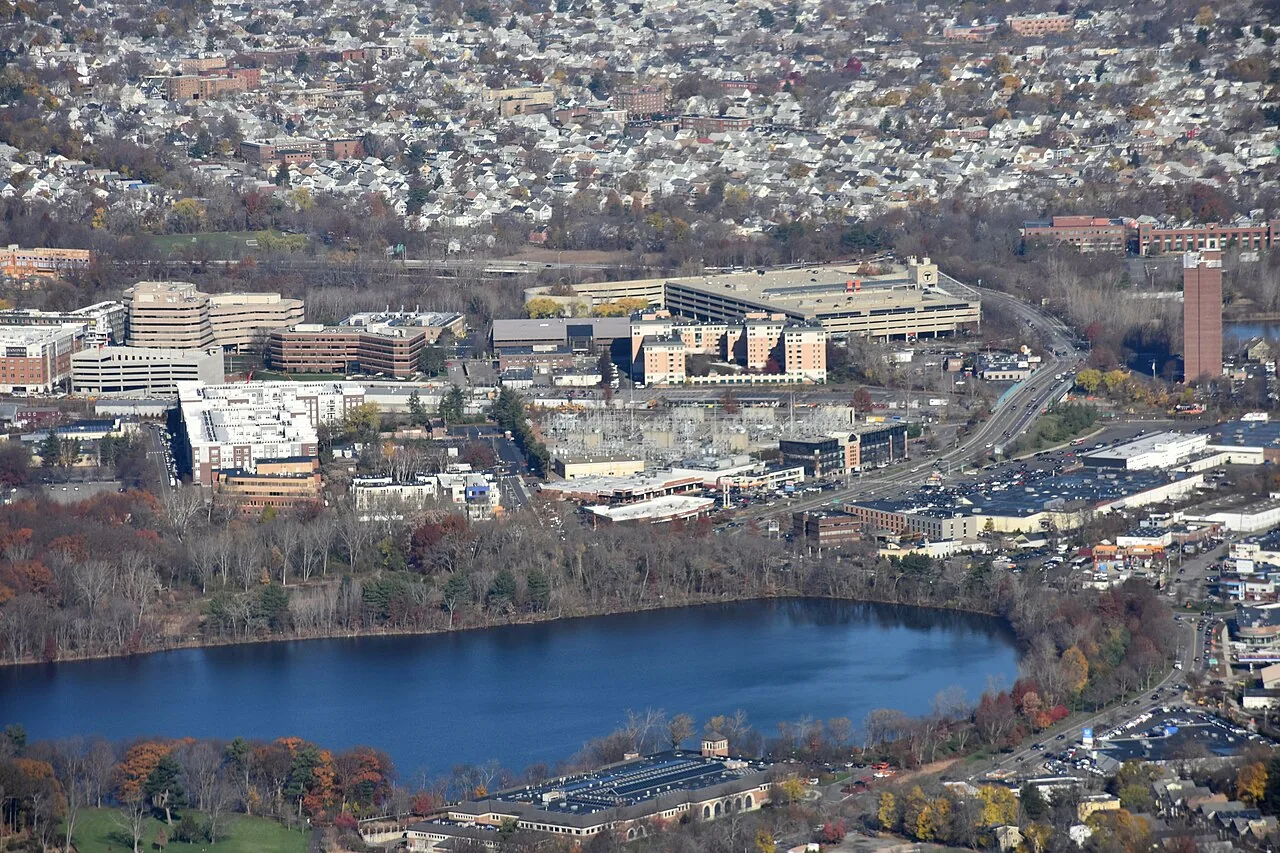
A sheet-metal counterflashing that has pulled away from a wall can let water pass behind an otherwise sound membrane. Baldwin / Agassiz, Cambridge, MA, lies between Harvard Square, Porter Square, and Somerville, with Massachusetts Avenue linking its commercial and transit centers as the neighborhood's retail spine. Harvard and Lesley University have academic and student-housing facilities in the area. Those facts help locate a roof call, but they do not establish the assembly, access conditions, or leak source at a particular property. We ask for the building identifier, roof plan, reported interior location, and access contact before tracing the related roof section. The first walk checks the membrane, edge transition, seams, equipment curbs, drains, and overflow route. Cambridge winters are trending toward more freeze-thaw swings, heavier precipitation, and more frequent flooding, so we include water exit paths in the inspection while keeping the conclusion tied to what this roof shows.
Which detail controls the roof walk?
The work starts at the reported condition, then follows the connections that can carry water toward it. We check the roof plan against the property and mark each drain, scupper, parapet, curb, pipe penetration, and visible repair. A building associated with an academic or student-housing use may have access hours, room protection needs, or equipment restrictions; its contact confirms those details. We do not infer an assembly from the institution name. Harvard Square and Porter Square are distinct commercial and transit centers, and the Massachusetts Avenue link between them does not create one shared roofing record. A roof inspection sets an overall baseline, close photos, and a list of inaccessible areas. If a surface detail appears open, we note whether adjacent material is stable before calling the boundary. A visible gap, a moisture indication, and a confirmed wet layer are recorded as separate findings.
Can the interior mark point away from the entry?
It can. Water can follow the deck or travel under a membrane lap before it reaches a ceiling, so the first visible stain may not sit below the failed flashing. We locate the room, compare it to roof slope and plans, and inspect transitions that connect the likely path. If the evidence remains ambiguous, a scan may help select a test location. A test opening confirms the construction and moisture at that point, then gets photographed and closed using a method suited to the assembly. We do not extend that result to areas we did not test. A moisture survey can support the investigation when surface and weather conditions suit the method. The report includes the observation date, section label, and any limitation imposed by equipment or access. This lets the property manager compare a later visit without treating a similar ceiling mark in another building as the same roof condition.

What makes a repair boundary usable?
A repair scope needs an edge that can be tied to sound material. We verify the membrane type, seam construction, attachment, insulation, deck response, curb flashing, and drainage before deciding whether a local patch is adequate. If the test exposes moisture beyond the visible defect, we map the additional area and state whether it is confirmed or still needs testing. A recover can change drain height and flashing clearances; coating depends on a suitable surface and proper preparation; replacement requires removal, weather protection, and a plan for occupied space below. A flashing failure review can define a wall or curb detail, while a recover assessment checks existing layers, substrate, and drainage before the option is priced. The written estimate separates urgent control from capital work and identifies any condition that could alter material quantities or work limits.
How do we keep the room below in the plan?
Before disturbing a roof, we ask what occupies the space below, who can approve a test opening, and how the interior can be protected. A student-housing room, teaching area, office, or retail space may require different coordination, but the building contact sets the actual rules. We identify the access route, tools, staging point, noise limits, and temporary closure method before work begins. If weather changes, exposed work is secured at a defined stop point rather than left for the next shift. Cambridge's winter guidance describes more freeze-thaw variation and heavier precipitation; those conditions can affect surface preparation and daily closure. An occupied-building sequence lists the sections, protection steps, and handoffs. We record when a room or system was not accessed so the closeout does not imply it was inspected. We also identify who receives a daily status and who can approve protection changes if the planned window is cut short. An exposed edge, open test, or disturbed fastener line gets its own closure check before the crew leaves. Those details make the end-of-shift condition visible to the building contact and to anyone returning the next morning. For after-hours water entry, crews can be dispatched on nights, weekends, or holidays to stabilize the active condition and set the next repair step.
What belongs in the property file?
Keep the roof plan, system information, drain locations, equipment changes, inspection photos, test openings, repair products, and limits in one building-specific record. Each entry should identify the roof section and distinguish observed conditions from items hidden behind equipment or not reached. If the manager also maintains records for Harvard Square or Porter Square, similar filing conventions help compare priorities, but one property's findings do not establish another's condition. A condition report can carry immediate repairs, maintenance items, and unresolved questions into budget review. A subsequent maintenance visit checks drains, overflow paths, flashing laps, and any curb disturbed by other work. The field sheet should note what changed since the last visit and whether the prior repair remains bonded and watertight under the conditions observed.
What should I have ready for a visit?
Send the Baldwin / Agassiz property address, roof plan or system records, the reported room and time, prior repair notes, and the person who can arrange access. Include any restrictions for academic activity, housing, retail, equipment, or interior protection. The inspection will trace the report to the roof section and document the method used to confirm a repair limit. Emergency dispatch remains available outside business hours, including weekends and holidays, for active leaks. Temporary protection can reduce further entry, but permanent repair depends on the assembly, substrate condition, surface preparation, and a safe work window. Cost and timing also depend on staging, material availability, weather, and whether another trade must complete a curb or penetration. The closeout lists the completed work, conditions that remain untested, and the decision needed to proceed.
Commercial Roofing Questions
Does an academic use identify the roof system?
No. We verify the membrane and attachment from records and field evidence. The use may change access or room-protection planning, but it does not prove the roof assembly.
Can water travel from a curb to a distant ceiling mark?
Yes. It may follow a deck or membrane interface before it reaches the interior. We map likely connected details and test a specific point when the result can set the repair boundary.
What should a scan tell the property manager?
It can identify a pattern that may guide further testing under suitable conditions. The report shows the scanned section and where a test opening is needed to confirm concealed layers.
How do you set a recover limit?
We confirm the existing layers, substrate, drainage, curb heights, edge metal, and clearances first. If those facts do not support a recover, the estimate identifies another repair path.
Can a leak be addressed outside regular hours?
Dispatch is available at night and on weekends or holidays. The first visit can reduce active entry and record what permanent work requires a prepared surface or further test.
Related Roofing Work
More Service Areas
Browse every page in Service Areas, or request a roof assessment and we will walk the roof with you.
Tie the report to a roof section
Send the Baldwin / Agassiz address, roof plan or system records, reported condition, access contact, and work window. We will document the connected details and next action.