Cool Roof Installation in Cambridge, MA
Plan a reflective commercial roof in Cambridge with review of membrane options, existing assembly, drainage, access, and the building's operating conditions.
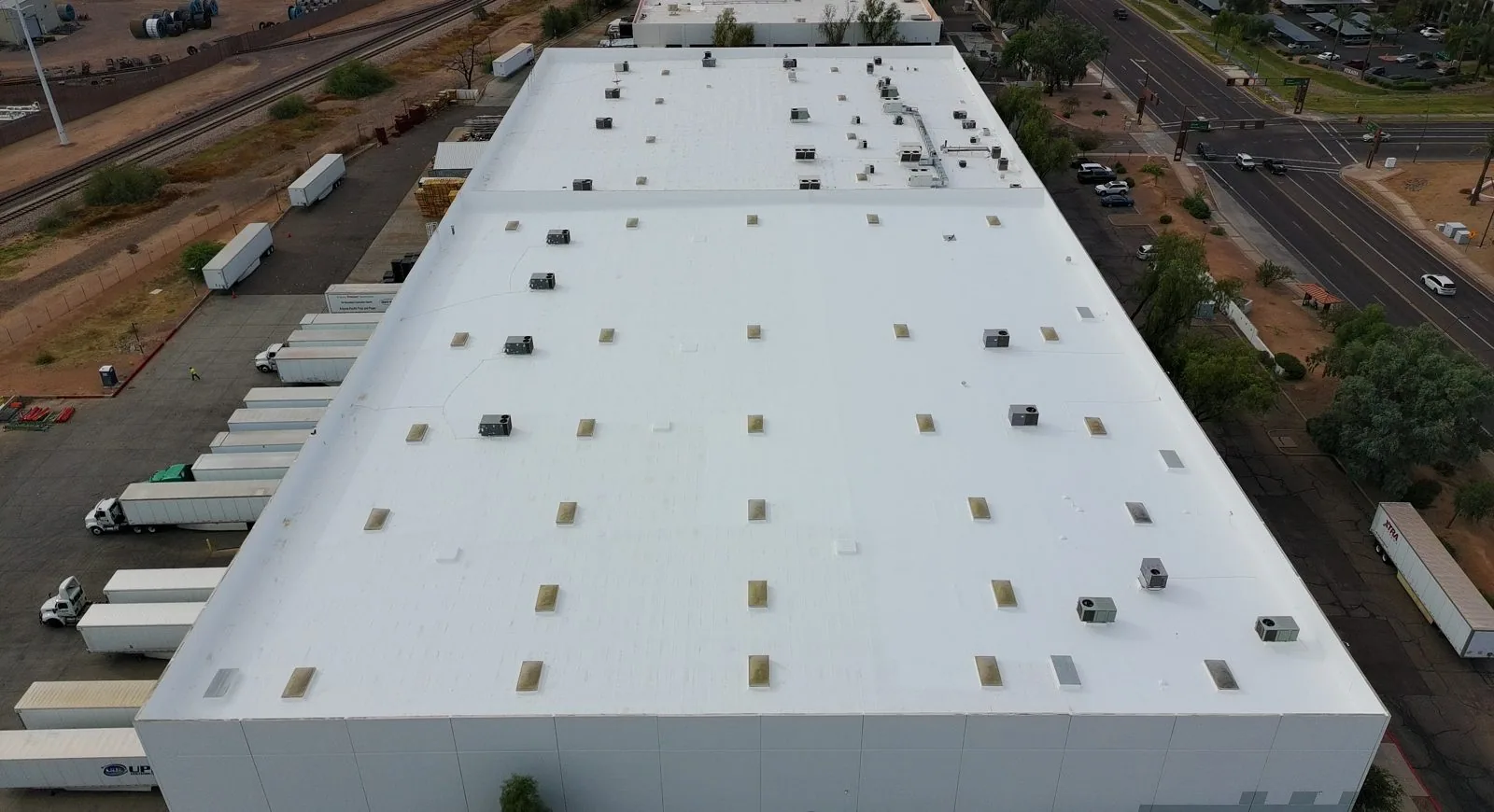
A sunlit roof surface can run warmer than a reflective finish under the same conditions. We review cool roof installation in Cambridge, MA by comparing the existing assembly, roof use, drainage, and selected membrane or coating requirements. The City's climate assessment identifies increasing temperatures as a local physical risk, so surface reflectance may be one factor in a larger roof decision. It does not replace insulation, ventilation, or an energy analysis. Kendall Square research buildings and CambridgeSide retail properties represent different operating contexts; we inspect the actual roof before choosing a system. The proposal records material, preparation, terminations, and drainage details, then leaves the owner with a documented closeout by roof section.
What makes a roof cooler?
A cool roof uses a surface designed to reflect more solar energy and release absorbed heat more readily than some darker materials. The potential effect depends on the existing roof, insulation, building use, weather, and overall energy systems. We describe the roof assembly and proposed surface rather than promise a fixed indoor temperature or utility reduction. The building owner may need an energy professional to evaluate whole-building performance, including insulation and HVAC operation.
Reflective options may include a light-colored membrane or a compatible coating over a suitable roof. We compare surface reflectance, membrane type, seam construction, warranty requirements supplied by the manufacturer, and maintenance needs. A reflective TPO assembly and a silicone coating system have different substrates, seams, and application steps. The roof's current condition, not the surface color alone, determines which option is appropriate.
Can the existing roof accept the new surface?
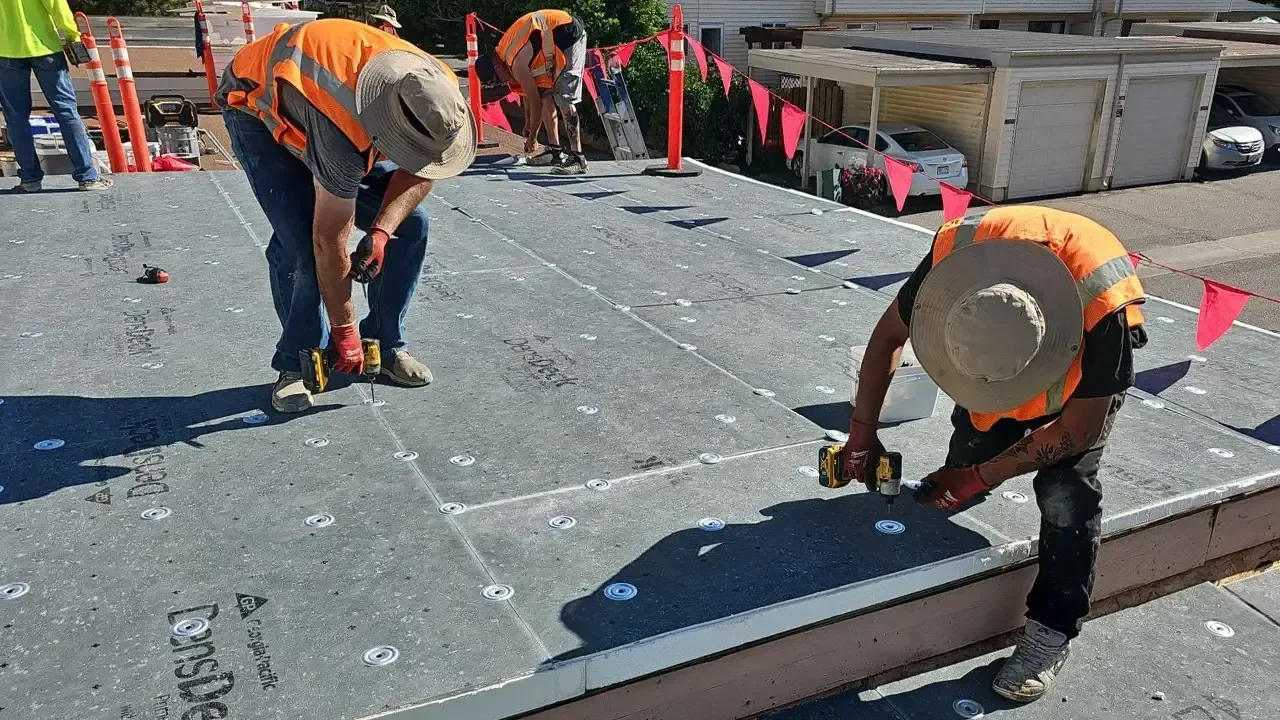
We inspect seams, flashing, wet areas, drainage, attachment, and previous repairs before selecting a cool roof system. A new reflective finish cannot correct a soft deck, loose membrane, or insulation that needs replacement. Test openings can verify the existing layers at selected points. We note whether the surface is clean and stable enough for an overlay or coating, and identify any removal needed before work begins.
At roof edges, we check coping, terminations, and flashing height. At drains, we measure the relationship between the existing surface and the bowl, then consider how added material changes the overflow path. Cambridge guidance describes heavier precipitation and more frequent flooding in winter, so outlet condition belongs in the installation review. A hands-on roof inspection can document the existing surface, and an infrared survey may guide testing when conditions allow an interpretable reading.
How does the installation affect building operations?
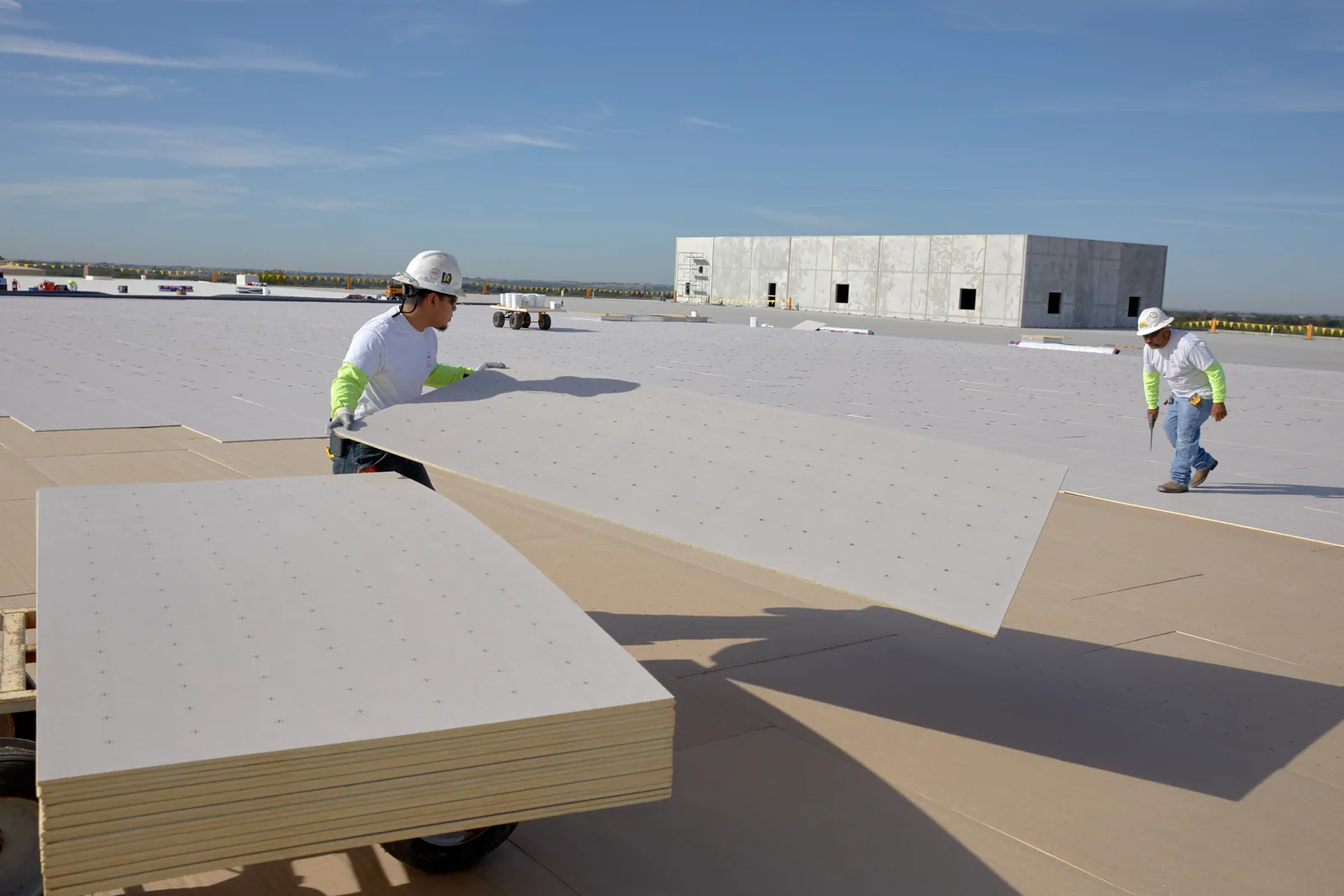
Installation planning sets material lifts, roof access, surface preparation, air-intake protection, and daily stop points. If the chosen system uses adhesives or coatings, weather and surface conditions have to meet the product requirements before application. We divide the work into sections, prepare and close each area, and coordinate temporary tie-ins so the building remains protected during changing conditions. The proposal identifies whether equipment needs to remain running or requires coordination for a short shutdown.
Kendall Square combines research and life-science uses with offices, housing, hotels, and restaurants. CambridgeSide has shops and food uses, along with a redevelopment program described by its owner. Those district facts point to different routes and contact needs, not a uniform roof schedule. We confirm the actual property's freight access, tenant hours, and restricted areas before mobilization. For work over active spaces, an occupied-building sequence can coordinate material handling, protection, and daily closeout with the property manager.
Which roof details need a separate scope?
Reflective surfacing must continue through field seams, curbs, pipe boots, skylights, expansion joints, and perimeter transitions according to the selected system. We inspect each detail for compatible materials and adequate termination height before covering or coating it. Existing metal, sealant, or membrane that cannot support the new surface needs repair first. If the owner wants a coating, we may use an adhesion test area and record the result before the broader application.
Drain bowls, scuppers, and overflow routes need to remain clear and functional. Coating material cannot bridge a blocked drain, and a reflective membrane does not correct slope. Where the roof has a low area, we measure and decide whether drainage correction or tapered insulation is appropriate. A drainage review can be coordinated with the new surface, while insulation and cover board may be part of a replacement assembly if existing materials are not suitable.
What should the cool roof record show?
The closeout identifies the installed surface, assembly layers, preparation, seams, flashing, and details by roof section. We photograph the field, drains, curbs, and edge conditions before and after installation. If a coating test area or core opening was used, the record includes its location and findings. The owner can retain product documentation and maintenance notes with the photographs rather than relying on a color description alone.
For a Kendall Square property or CambridgeSide building, the property record should identify the specific address and roof section within the larger district. The roof condition record can relate the new surface to previous repairs, while scheduled maintenance checks drains and terminations as the roof ages. Reflectance is one documented assembly feature, not a substitute for tracking the condition of the whole roof. We identify coating wear, seam movement, ponding, and areas affected by foot traffic, then compare those locations with installation photographs. If the owner needs future comparison, a baseline captured after final cleanup makes later inspections easier to read and keeps the observed roof surface separate from assumptions about indoor performance.
The record should identify the existing assembly, the surface treatment or membrane selected, and the preparation completed before installation. We note the surface condition, adhesion checks, repairs under the new layer, and the roof sections included. A reflective finish changes solar exposure at the surface, but it does not correct a blocked outlet, weak deck, or wet insulation. If drainage work is part of the project, it stays visible as a separate detail with its own photo and elevation reference. The owner can then evaluate later coating wear or membrane condition without treating color retention as proof that the roof remains watertight.
Commercial Roofing Questions
Will a reflective roof lower our building's energy use?
A reflective surface can reduce solar heat absorbed at the roof, but the building's insulation, HVAC, schedule, and other systems affect energy use. We describe the roof assembly and surface properties; a whole-building energy analysis requires the relevant operating data.
Can a cool roof be installed over the existing membrane?
The existing membrane must be stable, compatible, and dry enough for the selected system. We inspect attachment, seams, repairs, and moisture before recommending an overlay or coating. If the assembly is unsound, removal or repair is needed first.
Does a white coating correct ponding water?
No. A coating changes the surface finish but does not create slope or clear a blocked outlet. We map ponding and inspect the drain and overflow route, then identify any separate correction required before the coating is applied.
Can a reflective membrane be installed over a research building?
The system can be considered for many commercial roofs, but the assembly and access conditions decide the scope. We confirm equipment, air intakes, roof routes, and operating limits with the property contact before scheduling work.
What maintenance does a cool roof need?
The roof still needs checks of drains, seams, curbs, flashing, and the surface. We document the installed assembly and set a maintenance record that can track debris, damage, coating separation, or membrane movement by section. The record also notes which drains and edges were checked at closeout so later visits can compare the same locations.
Related Roofing Work
More Commercial Roofing Services
Browse every page in Commercial Roofing Services, or request a roof assessment and we will walk the roof with you.
Review the roof before selecting a reflective system
Send the Cambridge address, roof plans or system records, operating constraints, and access contact. We will inspect the existing assembly and document reflective membrane or coating options that fit the roof conditions.