
Commercial Roofing in West Cambridge, Cambridge, MA
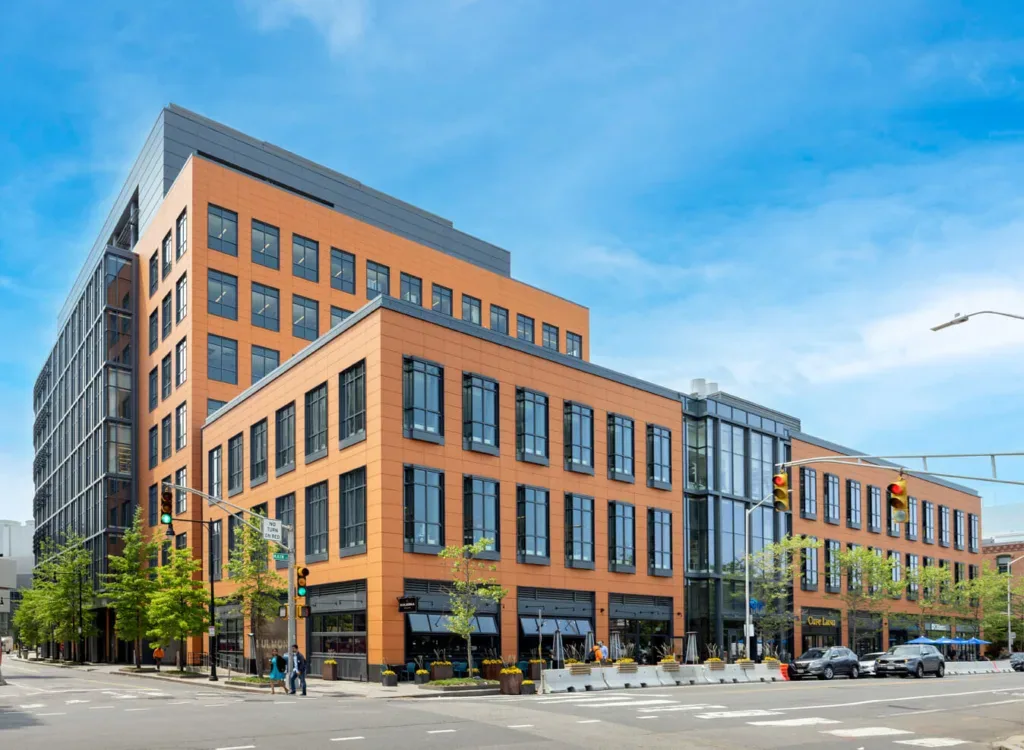
Plan building-specific roof inspections and repairs in West Cambridge, MA, with drainage review, controlled access, and clear evidence for owners.
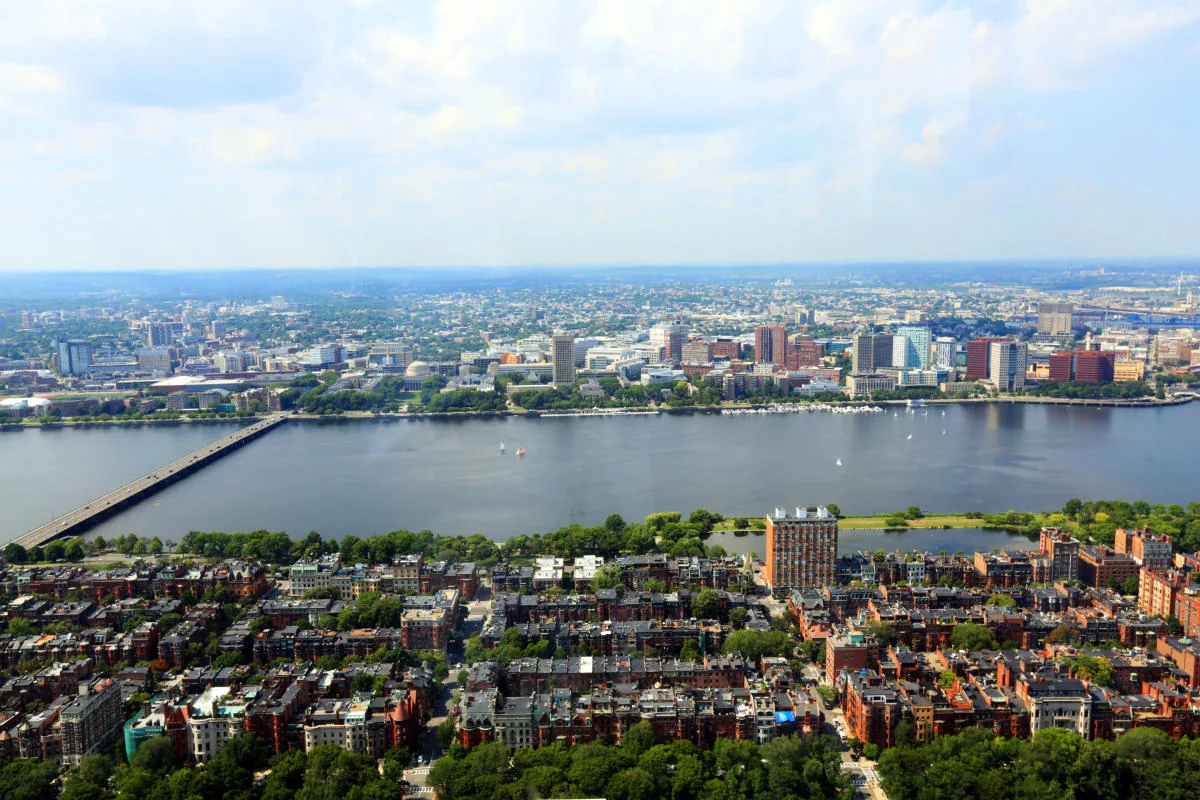
A parapet return can look closed from the roof surface while an open counterflashing joint lets water behind it. West Cambridge, Cambridge, MA, is a relatively low-density neighborhood west of Harvard Square. Commercial activity centers on the square, with smaller areas along Huron Avenue, Concord Avenue, and Mount Auburn Street. The neighborhood also borders Fresh Pond Reservation and the Charles River, and Mount Auburn Cemetery lies at its southwest edge. Those place facts help locate a service call; they do not tell us what a particular roof is made of or whether it has been exposed to flooding. We identify the property and its operating contact, then inspect the actual roof section, drainage path, curb and wall transitions, and reported leak area. Cambridge climate planning points to more intense storms, heavier precipitation, and more thaw-freeze swings. We use that context to check secure edges and outlets while documenting only the conditions found at the building.
Where does the inspection start in a dispersed area?
We start with the address, roof plan, access route, and interior report, not an assumption that a lower-density neighborhood has fewer roof issues. A property along a smaller commercial strip may have a different access contact from a building near Harvard Square. The owner confirms whether entry requires a key, escort, or coordination with another occupant. On the roof, we mark the membrane if confirmed, inspect seams and patches, note curbs and penetrations, and follow water toward drains, scuppers, and overflows. We photograph the field and each detail that could change the repair boundary. A condition inspection states which areas were reached and which remained hidden. If leaves, ice, equipment, or a locked roof section limit the view, we list that constraint and request another window before making a broad conclusion.
What does the roof say about a water report?
We compare the inside location with the roof plan, deck slope, seams, wall junctions, and mechanical openings. Water can move along a deck or under a sheet before it shows inside, so a mark near a window or wall does not automatically trace to the nearest roof detail. We distinguish a visible opening from moisture that a scan or test confirms. A moisture survey can locate patterns under suitable conditions, while a test opening confirms the layers at a selected point. Both need a recorded boundary. Cambridge's climate outlook discusses stronger storms and increasing precipitation, but those broad conditions cannot establish that one roof has storm damage. For an active report, a leak investigation ties photos to the location and tests. A moisture scan may guide the next opening, not replace it. The written result says what evidence supports the entry path and what remains uncertain.
When does an isolated defect call for a wider scope?
A local repair is supportable when the defect has a defined edge, surrounding material is secure, and the new work can bond or weld to a compatible surface. Wider issues appear when insulation is wet, seams have separated in several places, the deck responds poorly, or outlets cannot drain as intended. We record system, attachment, layer count, test results, curb height, edge metal, and drain levels before pricing. A recover needs room for added height at scuppers and terminations. A coating depends on the existing assembly and proper cleaning, drying, and reinforcement. Replacement brings removal boundaries, waste handling, weather exposure, and interior protection into the schedule. A flashing review can define a wall transition, and a restoration assessment checks if coating fits the documented surface. The proposal separates the confirmed repair from optional testing or capital work so a property manager can see which fact would change the choice.
How should service routes and work windows be set?
The property contact identifies roof entry, staging permission, the space below, and time limits for noise or equipment shutdown. Harvard Square is West Cambridge's primary commercial center, with smaller commercial areas along Huron Avenue, Concord Avenue, and Mount Auburn Street; these named areas do not determine where a crew can park, load, or enter. We verify the property route before bringing tools or material. If work opens a section, we agree on the temporary closure and the person who signs off at the end of the shift. Cambridge reports heavier precipitation and more frequent flooding in winter, so an exposed edge needs a tested closure before a weather hold. An occupied-building work plan can break the scope by roof section and include interior protection. Photos show the closeout condition, any remaining temporary measure, and the detail a follow-up crew must inspect before proceeding. We mark whether the drain path was clear at departure and whether a material cure period limits foot traffic. If a site contact changes during the project, the closeout also records who received the status and who can release the next access window. That gives the return visit a defined start point instead of relying on a verbal handoff.
Which area references belong in the roof file?
A roof file should identify the property first, with nearby places as context rather than substitutes for the building address. Keep drawings, system records, access notes, drain maps, repairs, test locations, and dated photos together. A manager coordinating Harvard Square and Porter Square can use one calendar for inspections while preserving separate roof evidence. Fresh Pond Reservation, the Charles River, and Mount Auburn Cemetery are geographic reference points in West Cambridge; none establishes the construction or condition of an adjacent commercial roof. A condition report records what was verified and what could not be seen. On a later maintenance visit, we recheck repaired flashing, the outlet below the low area, and any curb altered by another trade. A status such as open, tested, repaired, or deferred is more useful than a general note that a visit occurred.
What will make a visit more efficient?
Send the West Cambridge building address, roof plan or system records, the interior condition and timing, previous repairs, and the name of the access contact. Identify occupancy or equipment limits and whether the property has a preferred service route. When water is entering, emergency dispatch can be arranged outside normal work hours, including weekends and holidays. The first response can limit exposure and record the roof section; permanent repair follows after we verify the assembly and prepare the surface. Cost and timing depend on substrate findings, compatible materials, access, staging, weather, and coordination below. The closeout lists photos, test results, completed work, and any part still hidden or awaiting permission. If the reported area turns out to be dry, we document that finding and the areas checked so the owner can decide whether further testing is justified.
Commercial Roofing Questions
Does proximity to the Charles River mean a roof is flood-damaged?
No. The place reference does not establish a flood event or roof damage at an individual property. We check the actual roof and use Cambridge climate planning as city-level context.
What should I provide if the leak appears far from the wall?
Send the room location, timing, roof plan, and any photographs. We compare the report with slope and connected details because water can travel before it reaches the interior.
Can a scan replace opening the roof?
A scan may help select a test area when conditions suit the method. If concealed layers determine repair quantities, an opening or another verification method may still be needed.
How do you decide between coating and replacement?
We inspect the current assembly, substrate, moisture, seams, and drainage. Coating requires a compatible prepared surface; replacement may be needed where conditions extend beyond a repairable boundary.
Can work be scheduled around a tenant?
The property contact confirms access, operating hours, protection, and equipment limits. We set the section sequence and daily closure around those verified constraints.
Related Roofing Work
More Service Areas
Browse every page in Service Areas, or request a roof assessment and we will walk the roof with you.
Document the condition at your address
Send the West Cambridge address, roof plan or system records, reported condition, access contact, and work window. We will trace the connected details and provide a section-specific record.