Commercial Roofing in Waltham, MA

Inspect Waltham commercial roofs across Route 128 offices, downtown properties, and industrial sites with clear repair limits and access plans.
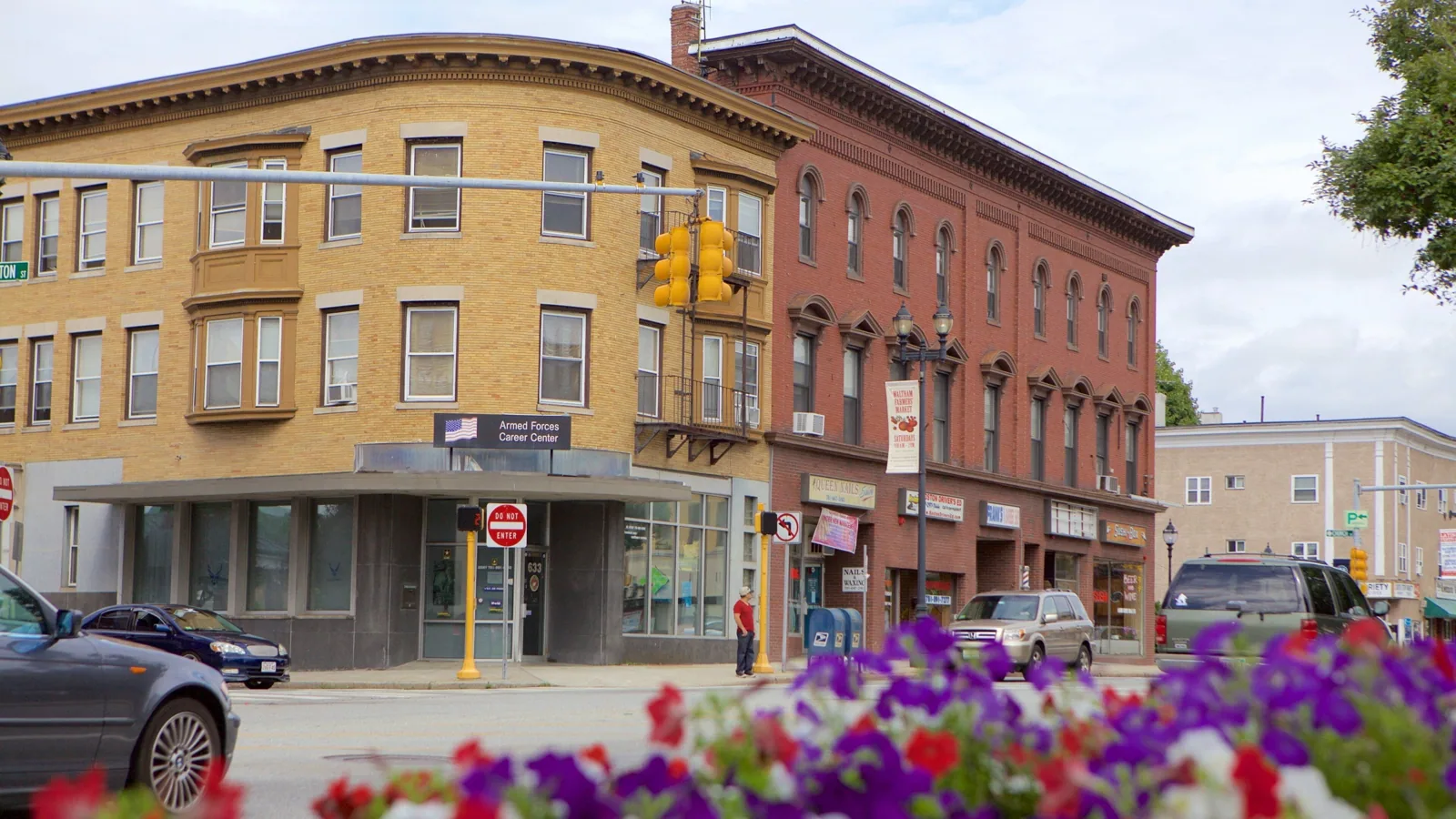
An equipment curb deserves a measured look when its flashing or surrounding sheet has shifted. We trace the connection to the nearest drain before assigning a repair, because an interior stain is a clue rather than the roof boundary. Waltham, MA, has commercial properties along Route 128 and I-95, in downtown mixed-use blocks, and around its university and medical institutions. Office parks, hotels, retail, and industrial uses sit within the city, giving property managers a range of roof access, drainage, and staging needs. We confirm the address, membrane records, access route, and reported condition, then map each roof section and connected transition. That first field sheet gives the owner a clear boundary: what we saw, what requires a test, and what work can proceed without guessing at concealed layers.
Which roof section is connected to the report?
A water mark in a Brandeis-area office or a Route 128 workplace can appear below a penetration that is offset from the room. We match the room or equipment location to available plans, then walk the membrane seams, curb flashing, parapet, and drainage path around that section. The field sheet records whether a seam is open, a flashing is displaced, or a drain is restricted. Waltham has office parks and institutional properties at different points along its road network, so we confirm the actual loading access, roof entrance, and after-hours contact before setting the inspection order. A commercial roof inspection identifies what was visible, which roof areas could not be reached, and whether a closer test would change the repair limit. We attach each photograph and finding to the building and roof section on the work order.
What does the drainage path show?
At the drain, we check the strainer, bowl, leader, overflow, and the surface slope feeding each outlet. A clear basket does not rule out a blocked leader or a low area formed by compressed insulation. At the perimeter, a loose coping splice or termination may provide a separate path into the assembly. We photograph each observation beside a section label and note whether the finding was visual or confirmed by a test opening. This matters on a property with active office, retail, or institutional use, where the repair may need a short access period and a protected interior work zone. Our drain and overflow review traces the route from field to outlet rather than treating a puddle as the diagnosis. If water remains after drainage is restored, we compare slope, membrane condition, and insulation before deciding how much material to remove.
How does building use affect the scope?
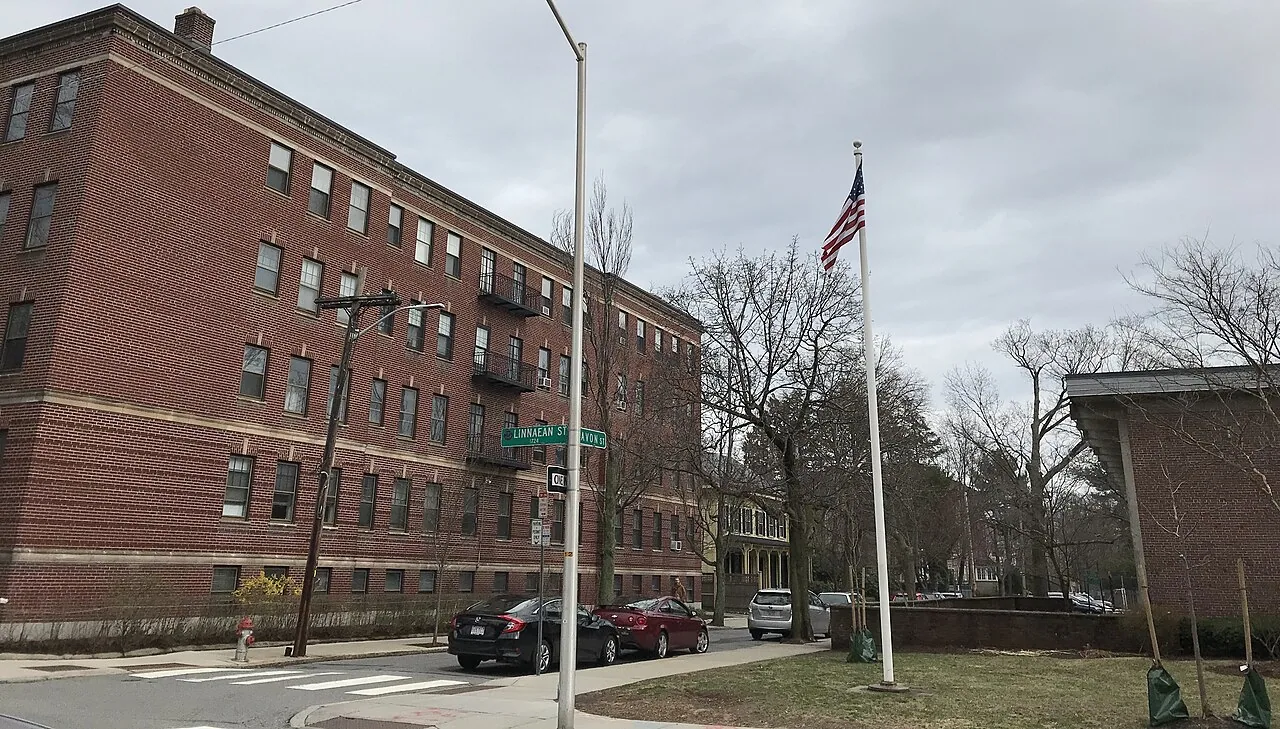
A lab, classroom, hotel, office, or warehouse can impose different access and shutdown limits, but use does not identify the roof assembly. We confirm whether the surface is TPO, PVC, EPDM, modified bitumen, built-up, or metal through records and field evidence. A sound sheet around one puncture may support a focused patch; wet insulation, a soft deck, or repeated failures can make a wider repair necessary. Waltham's commercial and industrial activity clusters along Route 128/I-95 and around downtown and Brandeis; we inspect the specific roof section before setting the scope. We inspect the actual transition, attachment, drain height, and edge metal before pricing it. A repair scope identifies confirmed dimensions; a recover assessment checks load, attachment, drainage height, and perimeter clearances. The estimate keeps measured work separate from quantities that depend on concealed layers or a later test.
How can work fit the Route 128 business day?
Before mobilizing, we confirm the roof entrance, approved roof entrance or ladder, staging point, equipment restrictions, and access window with the facility contact. Waltham’s commercial network includes Route 128 office parks and downtown mixed-use blocks, so the property contact needs to confirm the actual loading route and visitor access. We confirm the service route on site, choose a staging point, and keep building entrances clear. We document those instructions at the property and choose a section sequence that keeps drains open and temporary edges secure. If several trades need the same roof, the field lead records who owns each curb tie-in and who approves a shutdown. For properties near Cambridgeport or Alewife, separate access records keep the route and work window tied to the correct address. An occupied-building sequence can divide work into weather-tight sections and show what remains for the next shift.
What changes when mechanical work reaches the roof?
A new fan, conduit run, or support can disturb a membrane that was not part of the original mechanical scope. Before another trade cuts the roof, we identify the membrane, mark the penetration location, and check whether the curb can sit clear of seams, drains, and overflow paths. The Waltham property contact confirms the equipment shutdown, delivery route, and temporary closure responsibility; the roofing crew records the tie-in materials and who will inspect the finished flashing. Around office parks near Winter and Wyman Streets, loading and access limits should be confirmed for the individual building, rather than borrowed from a neighboring site. Downtown and institutional properties can have different roof entrances and work windows. We use the actual plan and field measurements to set the curb height, support, flashing lap, and final water path. A closeout photo then ties the new equipment tag to its roof section, giving the maintenance lead a clear place to check after the mechanical work is complete.
What belongs in the roof file between visits?
Keep the current roof plan, membrane and insulation details, equipment changes, drain locations, prior openings, and dated repair photographs under the property address. Each finding should identify its section, method, and status: observed, tested, corrected, or still awaiting access. That makes a later visit useful when a tenant change adds rooftop equipment or a contractor has altered a curb. Waltham's older industrial properties and newer offices carry distinct roof histories, so each address gets its own maintenance record. We compare the same seam or drain on a return visit, record movement or new water entry, and state whether it needs cleaning, repair, or a test. A condition report carries unresolved items into the next maintenance cycle. A property manager with buildings in Waltham and neighboring Everett should keep their contacts, plans, and roof-section labels separate so a closeout photo cannot be assigned to the wrong facility.
What should the site contact provide?
Send the Waltham building address, current roof plan, available system records, reported leak or damage location, access contact, and suitable work window. Include recent mechanical work, other trades, loading limits, and any equipment shutdown requirement. We will inspect the connected roof section, document its transitions and drainage route, and state whether the findings support a localized repair, confirmatory opening, or larger project. When water enters after hours or during a weekend, emergency response can begin with temporary protection and a clear record of the affected section. Permanent work follows when the roof can be prepared and closed under safe conditions. The closeout lists completed work, remaining limits, and the approval or access decision that controls the next visit.
Commercial Roofing Questions
Does the Route 128 corridor tell you which membrane is on my building?
No. Office, industrial, and retail uses sit in the corridor, but we identify each assembly from roof records and field inspection before selecting compatible repair materials.
Can roof work proceed while an office or university building is occupied?
Usually, when the access window, interior protection, air-intake limits, and work sections are agreed with the facility contact. We secure the open edge before leaving each shift.
What should be inspected after equipment is replaced?
We check the new curb flashing, fasteners, membrane tie-in, and nearby drain path. The closeout records which trade completed each connection and whether any test remains open.
When does a wet area require a test opening?
If readings or visible damage cannot confirm insulation or deck condition, an opening can establish what is beneath the sheet at that location. We record the result and closure.
Related Roofing Work
More Service Areas
Browse every page in Service Areas, or request a roof assessment and we will walk the roof with you.
Plan a roof visit in Waltham
Send the Waltham property address, roof plan or system records, reported condition, access contact, and work window. We will document findings and the repair boundary by roof section.