Commercial Roofing in Newton, MA
Inspect Newton commercial roofs across office clusters, village centers, and business corridors with clear repair boundaries and access plans.
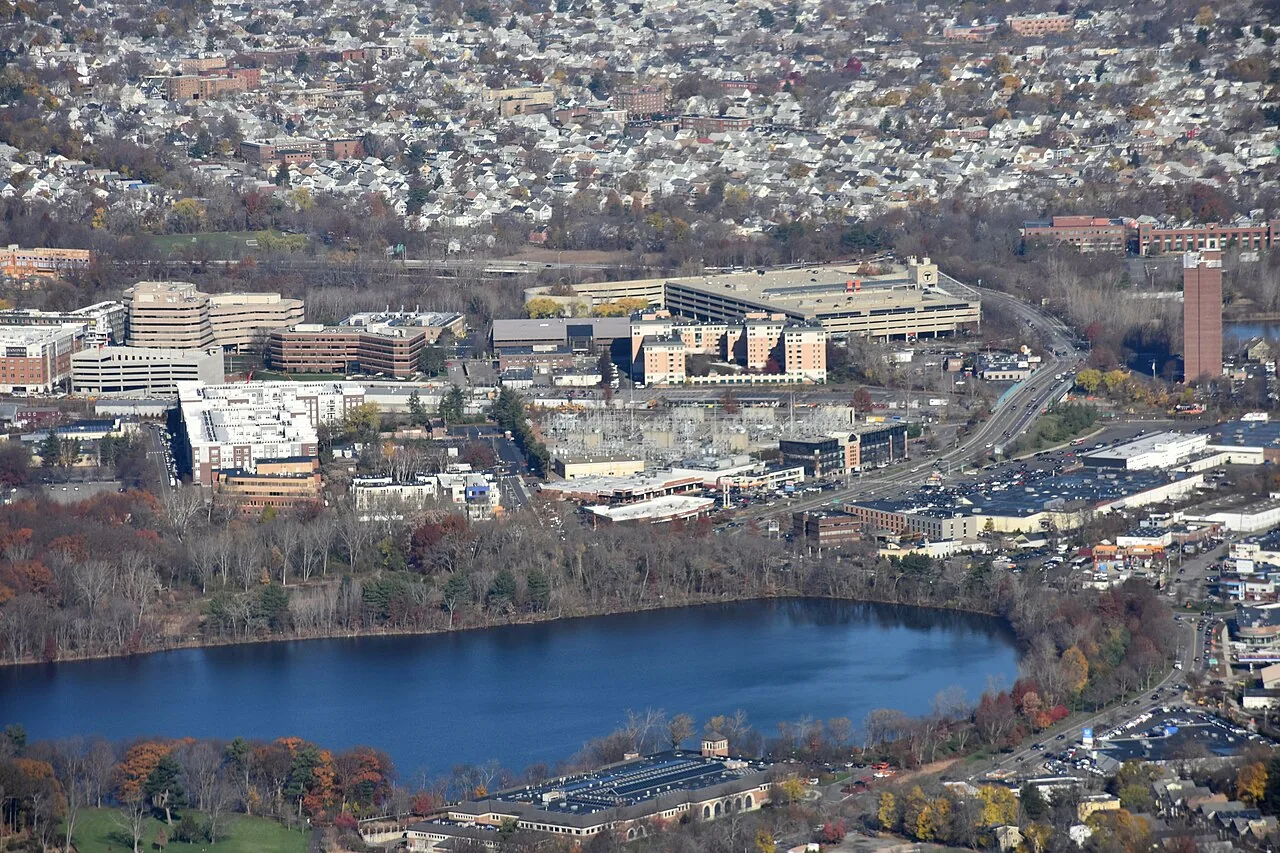
A drain bowl can look clear while water still tracks under a curb or through a split seam several feet away. Newton, MA, has commercial buildings in village centers, along Route 9 and Needham Street, and within distinct office and industrial clusters. Newton's village centers and business corridors place commercial roofs in distinct operating settings. We start with the building address, roof plan, reported interior condition, and access contact, then follow the actual slope, membrane transitions, and overflow path. Newton’s varied commercial settings make that first map useful: an office cluster, a retail corridor, and an older mill or industrial building may have different roof details and operating windows. The inspection record names the roof section and separates visible evidence from anything that needs a test.
Where does the water path leave the roof field?
At the field seam, parapet, curb, or drain, we look for the first broken transition that can carry water below the surface. A ceiling mark in a Newtonville office or a Needham Street retail space does not locate the roof opening by itself. We match it to plans and interior conditions, check nearby seams and flashings, then trace water toward primary and overflow drainage. Newton's village centers and commercial corridors have distinct access and delivery patterns, so the property plan guides the inspection route. Our roof inspection logs photographs and observations under the right section label. If equipment, parapets, or previous patches obscure the assembly, we record that limit and identify whether a closer test can change the recommended repair.
What does a ponded area tell you?
Standing water is a condition to measure, not a diagnosis. We check whether a drain basket is blocked, a leader is restricted, the bowl is set too high, or the roof field has settled. At an edge, we check coping joints and termination details for movement that could be unrelated to the ponding. Newton’s commercial corridors include multiple building types and eras, so we verify the actual deck, insulation, and membrane before drawing conclusions from the neighborhood or use. Needham Street and Chestnut Hill are major business areas, with commercial clusters in village centers elsewhere; access and occupant routing vary from one property to the next. A drain and overflow review documents outlet condition and water path. We only widen a repair when the field evidence shows a connected failure or wet material, not because a puddle appears broad from the roof hatch.
How should a repair decision follow the assembly?
We identify the membrane and the condition around a defect before choosing a patch, seam repair, recover, or replacement. If the sheet is sound and the substrate is firm, a localized repair may restore the detail. If a test opening finds wet insulation or a weak deck, the estimate needs a removal boundary and a plan for rebuilding that area. Newton's industrial clusters place older mill buildings beside newer technology and logistics uses; each roof needs its own layer, attachment, and load review. We check the records, attachment, drain height, edge metal, and equipment curb directly. A commercial roof repair isolates a confirmed defect; a recover feasibility check considers attachment, weight, drainage height, and the perimeter. The proposal states observed quantities separately from allowances for concealed conditions, so the owner can compare a focused repair with a larger plan on the same evidence.
What changes when rooftop equipment is added?
A new exhaust fan or service curb changes more than the opening in the membrane. The installer needs a stable support, compatible flashing, proper clearance for maintenance, and a route that does not block the drain or overflow. Before another trade cuts the roof, we compare its marked location with the existing field seams, insulation condition, and equipment layout. Newton includes office clusters near Newton Corner and Wells Avenue as well as industrial groupings in former mill areas; the property’s actual mechanical plan controls the work, not its neighborhood label. We document which party supplies the curb, who completes the tie-in, and how the opening will stay weather-tight if the equipment delivery slips. A curb and support review can check the transition before the roof is cut, while a follow-up visit confirms fasteners, flashing height, and drainage around the new base. The record should also note the equipment tag and roof section so later maintenance can match the service visit to the right penetration.
How can work avoid disrupting a village or office operation?
Before a crew stages material, we confirm the roof entrance, ladder or hatch, service path, equipment shutdowns, loading window, and person who can approve access. A commercial property on Needham Street may have a different delivery or pedestrian route than a village-center office, and the site contact needs to identify those constraints. We divide larger work into sections, protect the interior below active repairs, and set a secure temporary termination at each shift end. When the roof is near air intakes or occupied workspaces, we coordinate the sequence before cutting or applying material. A property in the Needham Street commercial area may also have adjacent project activity; the current access boundary is verified with the building team, not inferred from a development plan. Every handoff notes what is watertight, what remains open, and who can release the next section.
What should stay in a multi-property roof file?
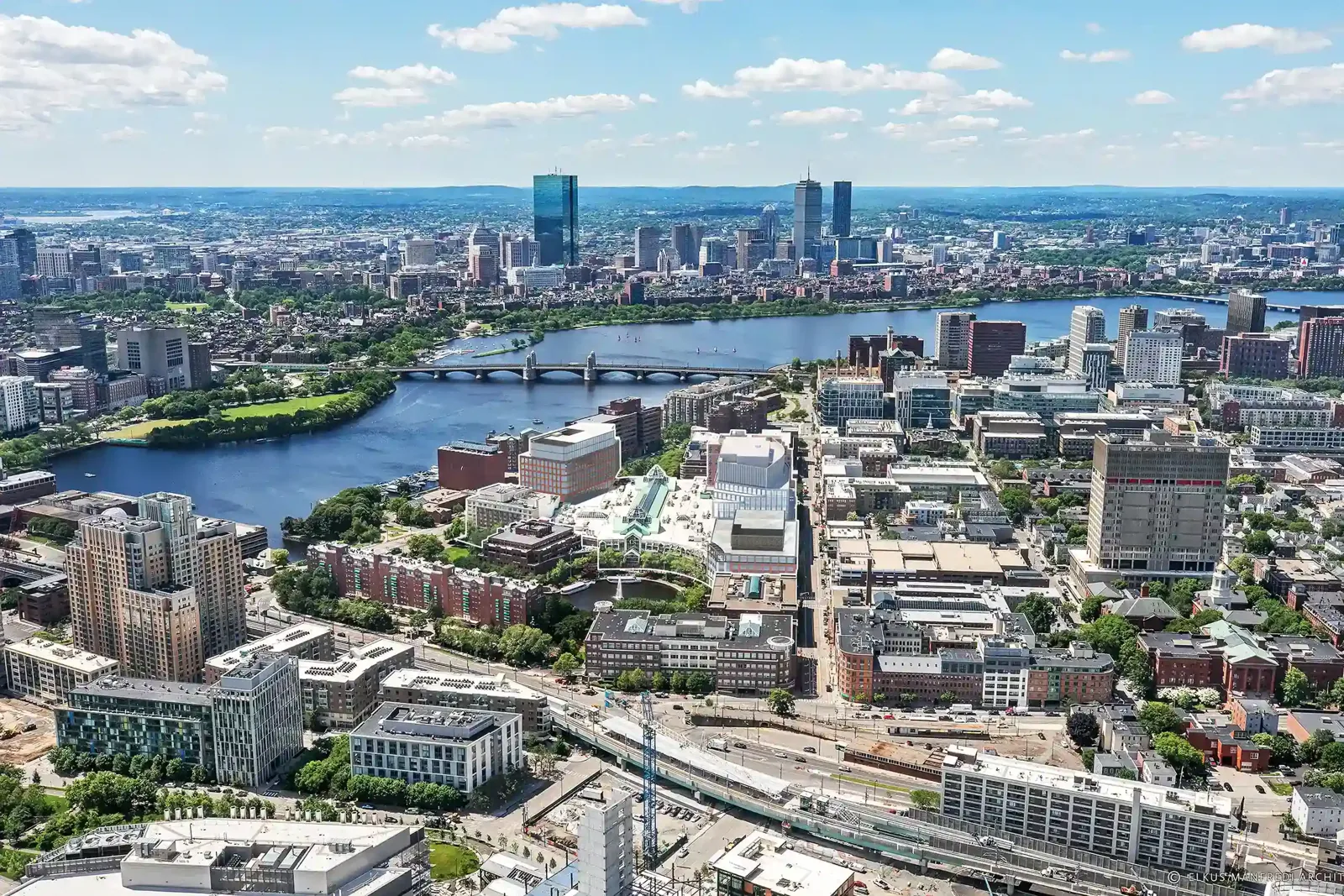
For each Newton address, keep the roof plan revision, membrane and insulation records, outlet map, prior closeout images, mechanical changes, and warranty documents together. The city’s pattern includes business parks, commercial corridors, village centers, and industrial clusters; we keep each roof plan, service record, and condition history with its own building. We identify the date and method for each observation, distinguish visual findings from test results, and keep a clear list of repairs still awaiting access or approval. The condition documentation can preserve open items and compare them with a later visit. A roof manager coordinating work from Newtonville toward West Cambridge should keep separate addresses, access contacts, and section labels for those properties. The same discipline applies when a portfolio reaches neighboring Everett, where corridor and redevelopment conditions are different. This helps a facility contact understand which outlet or edge was checked and which still needs a visit.
What information helps set the first visit?
Send the Newton property address, current roof plan, available system records, reported leak location, access contact, and a preferred work window. Include recent mechanical changes, other trades, and any area where interior operations must continue uninterrupted. We inspect the roof section connected to the report, photograph the transitions and drainage path, and state whether a repair, test opening, or broader assessment is supported. For water coming inside after hours, our crew can limit exposure and record which permanent repair needs a dry installation window. The closeout identifies completed work, any temporary protection, and the unresolved condition that controls the next decision.
Commercial Roofing Questions
Which Newton areas have the broadest commercial building mix?
Newton has no single downtown. Commercial space sits along Needham Street and Route 9, in village centers, and in office or industrial clusters, so we identify the property and roof section before scoping work.
Can a repair be staged while offices or retail spaces remain open?
Yes, when access, intake locations, occupant routes, and the work window are agreed in advance. We divide the roof into sections and secure each temporary edge before leaving.
What does a roof plan add to a Newton inspection?
It helps connect the reported interior area to the correct roof section, drain, curb, and prior repair. We still verify the membrane and transition in the field before defining work.
When does ponding require more than drain cleaning?
If water remains after outlets are clear, we check roof slope, membrane condition, insulation, and overflow height. The repair follows the confirmed cause, not the puddle alone.
Related Roofing Work
More Service Areas
Browse every page in Service Areas, or request a roof assessment and we will walk the roof with you.
Plan a roof visit in Newton
Send the Newton property address, roof plan or system records, reported condition, access contact, and work window. We will document findings and the repair boundary by roof section.